What Is Chickenpox?
Chickenpox, also known as Varicella, is a highly contagious viral infection caused by the varicella-zoster virus (VZV). This illness is characterized by an itchy rash and flu-like symptoms. While chickenpox is often considered a childhood disease, it can affect individuals of any age who have not been vaccinated or previously infected.
The virus spreads easily through respiratory droplets when an infected person coughs or sneezes, as well as through direct contact with the fluid from chickenpox blisters. Once contracted, the virus remains dormant in the body and can reactivate later in life, leading to shingles, a painful rash that can occur in older adults.
Vaccination has significantly reduced the incidence of chickenpox in many countries. The chickenpox vaccine is typically administered in childhood, providing immunity and preventing severe complications associated with the disease.
Understanding the Varicella-Zoster Virus
The varicella-zoster virus is a member of the herpesvirus family. After the initial chickenpox infection, the virus can lie dormant in the nervous system for years. This dormant state can lead to shingles, which is characterized by a painful rash and can occur in individuals who have had chickenpox in the past.
Chickenpox Symptoms
Recognizing the symptoms of chickenpox is crucial for early diagnosis and management. The symptoms typically appear 10 to 21 days after exposure to the virus and can vary in severity. Here are the most common symptoms:
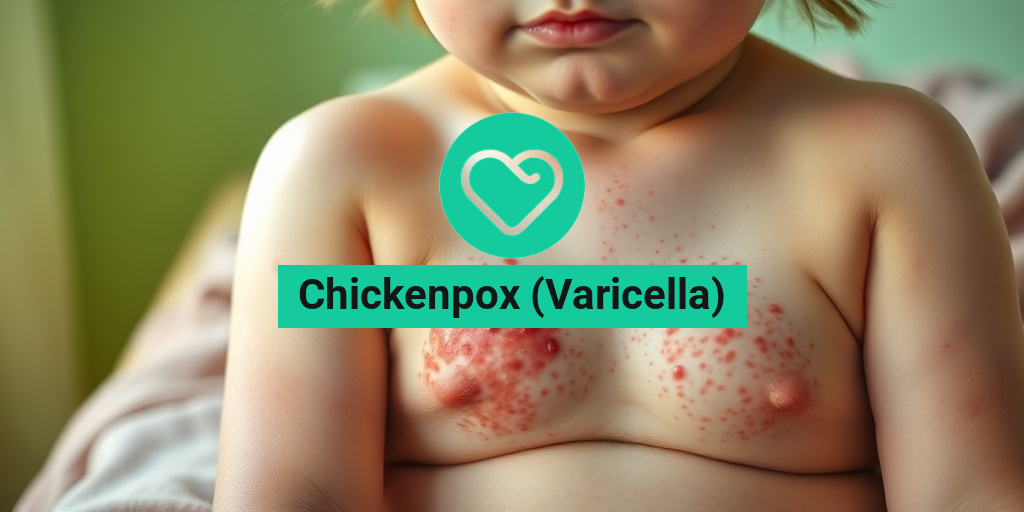
- Itchy Rash: The hallmark of chickenpox is a red, itchy rash that usually starts on the face, chest, and back before spreading to other parts of the body. The rash progresses from small red spots to fluid-filled blisters that eventually crust over.
- Fever: A mild to moderate fever often accompanies the rash, typically ranging from 100°F to 102°F (37.8°C to 38.9°C).
- Fatigue: Many individuals experience fatigue and a general feeling of being unwell.
- Loss of Appetite: A decrease in appetite is common, especially in children.
- Headache: Some individuals may experience mild headaches as part of the illness.
Stages of the Chickenpox Rash
The chickenpox rash goes through several stages:
- Macules: Small red spots appear on the skin.
- Papules: The macules develop into raised bumps.
- Vesicles: The bumps turn into fluid-filled blisters.
- Crusts: The blisters eventually burst and form crusts.
It’s important to note that the rash can appear in waves, meaning new spots may continue to develop even after the initial ones have crusted over. This can lead to a mix of different stages of the rash on the body at the same time.
When to Seek Medical Attention
While chickenpox is generally mild in healthy children, it can lead to complications in certain populations, including infants, pregnant women, and individuals with weakened immune systems. If you or your child experience any of the following symptoms, it’s essential to seek medical attention:
- High fever (over 102°F or 39°C)
- Difficulty breathing
- Severe headache or confusion
- Signs of infection in the blisters (increased redness, swelling, or pus)
For more detailed information and resources on chickenpox and its management, consider visiting Yesil Health AI, where you can find evidence-based health answers tailored to your needs.
In conclusion, understanding chickenpox (varicella) and its symptoms is vital for effective management and prevention. With the availability of the chickenpox vaccine, many individuals can avoid this uncomfortable illness altogether. Stay informed and take proactive steps to protect yourself and your loved ones! 🌟
Chickenpox Transmission
Chickenpox, also known as Varicella, is a highly contagious viral infection caused by the varicella-zoster virus. Understanding how chickenpox spreads is crucial for prevention and control. Here’s what you need to know about its transmission.
How is Chickenpox Spread?
Chickenpox is primarily spread through respiratory droplets when an infected person coughs or sneezes. Additionally, the virus can be transmitted through direct contact with the fluid from chickenpox blisters. Here are the main modes of transmission:
- Airborne Transmission: The virus can linger in the air for several hours, making it possible to contract chickenpox even if you are not in direct contact with an infected person.
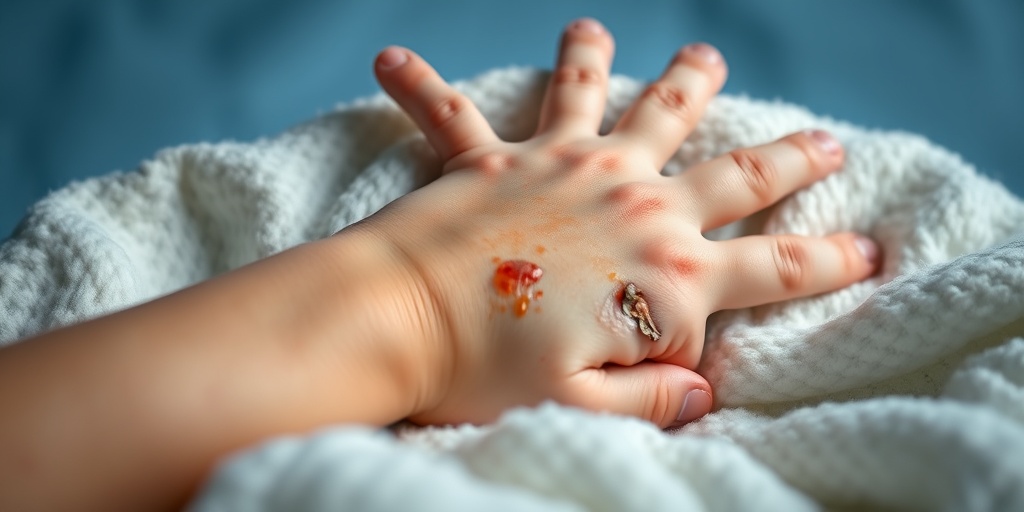
- Direct Contact: Touching the blisters or the fluid from the blisters of an infected person can lead to infection.
- Contaminated Objects: Although less common, the virus can survive on surfaces or clothing, so touching contaminated items may also pose a risk.
Infectious Period
An infected person is contagious from about 1 to 2 days before the rash appears until all the blisters have crusted over. This means that individuals can unknowingly spread the virus before they even show symptoms. It’s essential to be cautious during this period, especially around those who are at higher risk.
Who is at Risk?
While anyone can contract chickenpox, certain groups are more susceptible to infection. Understanding these risk factors can help in taking preventive measures.
Chickenpox Risk Factors
Identifying the risk factors associated with chickenpox can help in understanding who is more likely to contract the virus and how to protect them. Here are the key risk factors:
Age
Children under the age of 12 are at a higher risk of contracting chickenpox. The virus is most common in preschool and elementary school-aged children. However, adults who have never had chickenpox or the vaccine are also at risk.
Vaccination Status
Individuals who have not received the chickenpox (varicella) vaccine are at a significantly higher risk of contracting the virus. The vaccine is highly effective in preventing chickenpox and its complications. Those who have had one dose of the vaccine may still get chickenpox, but the symptoms are usually milder.
Weakened Immune System
People with weakened immune systems, such as those undergoing chemotherapy, taking immunosuppressive medications, or living with conditions like HIV/AIDS, are at a greater risk of severe chickenpox. Their bodies may not be able to fight off the virus effectively, leading to more serious complications.
Pregnancy
Pregnant women who have not had chickenpox or the vaccine are at risk. If a woman contracts chickenpox during pregnancy, it can lead to serious complications for both the mother and the baby, including congenital varicella syndrome.
Close Contact with Infected Individuals
Living in close quarters with someone who has chickenpox increases the risk of transmission. This is particularly relevant in settings like schools, daycare centers, and households where the virus can spread rapidly.
In summary, understanding the transmission and risk factors associated with chickenpox (varicella) is vital for effective prevention and management. By being aware of how the virus spreads and who is most at risk, individuals can take proactive steps to protect themselves and their loved ones. 🌟

Chickenpox Diagnosis
Diagnosing chickenpox (varicella) typically involves a combination of clinical evaluation and patient history. This viral infection, caused by the varicella-zoster virus, is characterized by a distinctive rash and other symptoms that can help healthcare providers make an accurate diagnosis.
Recognizing the Symptoms
The first step in diagnosing chickenpox is recognizing its symptoms. Common signs include:
- Rash: The hallmark of chickenpox is a red, itchy rash that progresses from small red spots to fluid-filled blisters. These blisters eventually crust over.
- Fever: A mild to moderate fever often accompanies the rash, typically ranging from 100°F to 102°F (37.8°C to 38.9°C).
- Fatigue: Patients may experience general fatigue and malaise before the rash appears.
- Loss of Appetite: A decrease in appetite is common, especially in the early stages of the illness.
Medical History and Physical Examination
During a medical consultation, the healthcare provider will ask about the patient’s medical history, including:
- Previous chickenpox infections or vaccinations
- Exposure to others with chickenpox or shingles
- Any underlying health conditions that may affect the immune system
A physical examination will focus on the rash’s appearance and distribution. The characteristic progression of the rash—starting as red spots, developing into blisters, and then crusting over—helps distinguish chickenpox from other skin conditions.
Laboratory Tests
In most cases, a diagnosis can be made based on clinical symptoms alone. However, in atypical cases or for individuals with weakened immune systems, laboratory tests may be necessary. These tests can include:
- Polymerase Chain Reaction (PCR): This test detects the varicella-zoster virus’s DNA and is highly accurate.
- Direct Fluorescent Antibody (DFA) Test: This test can identify the virus in skin lesions.
- Serology: Blood tests can check for antibodies to the varicella-zoster virus, indicating past infection or vaccination.
Chickenpox Complications
While chickenpox is often considered a mild childhood illness, it can lead to serious complications, particularly in certain populations. Understanding these potential complications is crucial for effective management and prevention.
Common Complications
Some of the most common complications associated with chickenpox include:
- Secondary Bacterial Infections: The blisters can become infected with bacteria, leading to skin infections that may require antibiotics.
- Pneumonia: Chickenpox can cause viral pneumonia, particularly in adults and individuals with weakened immune systems.
- Encephalitis: In rare cases, the virus can cause inflammation of the brain, leading to neurological symptoms.
At-Risk Populations
Certain groups are at a higher risk for complications from chickenpox:
- Infants: Newborns and infants who have not yet been vaccinated are particularly vulnerable.
- Pregnant Women: Chickenpox during pregnancy can lead to serious complications for both the mother and the baby.
- Immunocompromised Individuals: Those with weakened immune systems due to conditions like HIV/AIDS or cancer treatments are at increased risk.
Preventing Complications
The best way to prevent complications from chickenpox is through vaccination. The chickenpox (varicella) vaccine is highly effective in preventing the disease and its associated complications. Vaccination not only protects the individual but also helps to reduce the spread of the virus within the community.
In conclusion, while chickenpox is often seen as a benign childhood illness, awareness of its diagnosis and potential complications is essential for effective management. If you suspect that you or your child may have chickenpox, consult a healthcare provider for guidance and support. 🩺

Chickenpox Treatment
Chickenpox, also known as Varicella, is a highly contagious viral infection characterized by an itchy rash and flu-like symptoms. While the disease is often mild in children, it can lead to complications in adults and individuals with weakened immune systems. Understanding the treatment options available can help manage symptoms and speed up recovery.
Home Remedies for Chickenpox
Many people seek home remedies to alleviate the discomfort associated with chickenpox. Here are some effective options:
- Oatmeal Baths: Soaking in a lukewarm oatmeal bath can soothe itchy skin and reduce irritation. Simply add colloidal oatmeal to the bathwater and soak for 15-20 minutes.
- Calamine Lotion: Applying calamine lotion to the rash can help dry out blisters and relieve itching. Make sure to apply it gently to avoid further irritation.
- Cool Compresses: Using a cool, damp cloth on the affected areas can provide immediate relief from itching and discomfort.
- Hydration: Staying hydrated is crucial. Encourage the consumption of fluids like water, herbal teas, and clear broths to help the body recover.
Over-the-Counter Medications
In addition to home remedies, over-the-counter medications can help manage symptoms:
- Antihistamines: Medications like diphenhydramine (Benadryl) can help reduce itching and promote better sleep.
- Pain Relievers: Acetaminophen (Tylenol) can help alleviate fever and discomfort. Avoid aspirin, as it can lead to serious complications in children.
When to Seek Medical Attention
While most cases of chickenpox resolve without complications, it’s essential to know when to seek medical help. Contact a healthcare provider if:
- The rash appears infected (increased redness, swelling, or pus).
- Fever persists for more than four days or is very high.
- Symptoms worsen or new symptoms develop, especially in adults or immunocompromised individuals.
Chickenpox Prevention
Preventing chickenpox is crucial, especially for those who are at higher risk of complications. The most effective way to prevent chickenpox is through vaccination.
The Chickenpox Vaccine
The chickenpox (varicella) vaccine is a safe and effective way to protect against the virus. Here are some key points about the vaccine:
- Who Should Get Vaccinated: The vaccine is recommended for children, adolescents, and adults who have never had chickenpox or the vaccine.
- Vaccine Schedule: The vaccine is typically given in two doses: the first dose at 12-15 months of age and the second dose at 4-6 years of age.
- Effectiveness: The vaccine is about 90% effective at preventing chickenpox and significantly reduces the severity of the disease in those who do contract it.
Other Preventive Measures
In addition to vaccination, there are other steps you can take to prevent the spread of chickenpox:
- Avoid Close Contact: Keep children who have chickenpox away from others, especially those who are unvaccinated or have weakened immune systems.
- Practice Good Hygiene: Encourage frequent handwashing and avoid sharing personal items like towels or utensils.
- Stay Informed: Be aware of outbreaks in your community and take precautions if necessary.
By understanding the treatment options and preventive measures for chickenpox (varicella), you can help protect yourself and your loved ones from this contagious disease. Remember, vaccination is the best defense against chickenpox, ensuring a healthier future for everyone! 🌟

Frequently Asked Questions about Chickenpox (Varicella)
What is Chickenpox (Varicella)?
Chickenpox, also known as Varicella, is a highly contagious viral infection characterized by an itchy rash and flu-like symptoms. It is caused by the varicella-zoster virus.
How does Chickenpox spread?
Chickenpox spreads easily from person to person through respiratory droplets when an infected person coughs or sneezes. It can also spread through direct contact with the rash or blisters of an infected individual.
What are the symptoms of Chickenpox?
- Itchy rash that develops into fluid-filled blisters
- Fever
- Fatigue
- Loss of appetite
- Headache
Is Chickenpox the same as Varicella?
Yes, Chickenpox and Varicella refer to the same viral infection. The term “Varicella” is the medical name for the disease.
What is the Chickenpox (Varicella) vaccine?
The Chickenpox vaccine is a safe and effective way to protect against the varicella virus. It is typically given in two doses, with the first dose administered to children between 12 and 15 months of age and the second dose between 4 and 6 years of age.
Can you get Chickenpox more than once?
While it is rare, it is possible to get Chickenpox more than once. This can occur if the initial infection was mild or if the immune response wanes over time.
What is the difference between Chickenpox and Varicella Zoster?
Varicella Zoster refers to the virus that causes both Chickenpox and shingles. After a person recovers from Chickenpox, the virus remains dormant in the body and can reactivate later in life, causing shingles.
How can Chickenpox be treated?
There is no specific treatment for Chickenpox, but symptoms can be managed with:
- Antihistamines to relieve itching
- Acetaminophen to reduce fever
- Calamine lotion to soothe the skin
When should I see a doctor for Chickenpox?
Consult a healthcare provider if you or your child experiences severe symptoms, such as difficulty breathing, high fever, or signs of infection in the blisters.
Can Chickenpox be prevented?
Yes, the best way to prevent Chickenpox is through vaccination. The Chickenpox vaccine is highly effective in preventing the disease and its complications.
Is Chickenpox contagious?
Yes, Chickenpox is highly contagious. A person with Chickenpox can spread the virus from about 1-2 days before the rash appears until all the blisters have crusted over.
What should I do if I think I have Chickenpox?
If you suspect you have Chickenpox, it is important to stay home to avoid spreading the virus and consult a healthcare provider for guidance on managing symptoms and preventing complications.