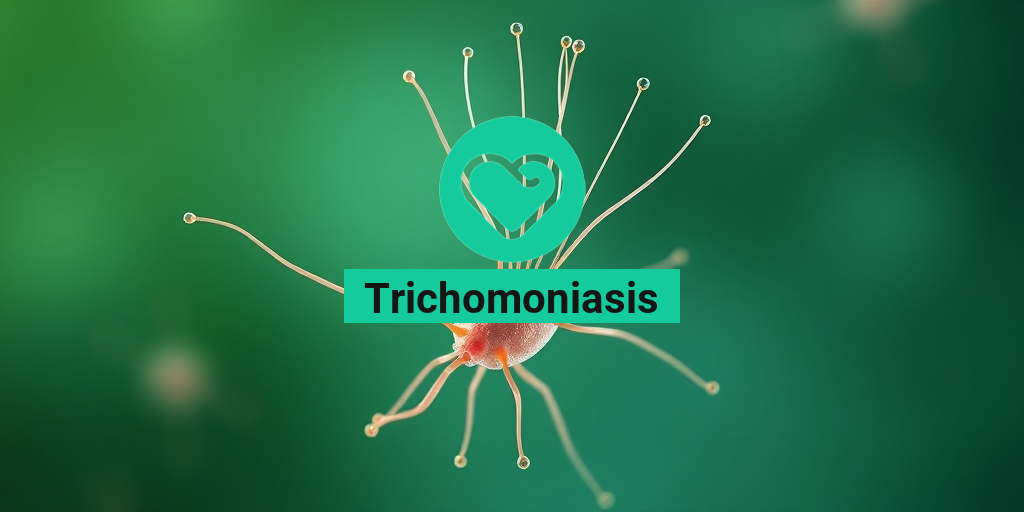
What Is Trichomoniasis?
Trichomoniasis is a common sexually transmitted infection (STI) caused by a parasite known as Trichomonas vaginalis. This single-celled organism primarily affects the urogenital tract, leading to various symptoms and complications if left untreated. While it can affect both men and women, it is more frequently diagnosed in women. Understanding trichomoniasis is crucial for prevention and treatment, as it can have significant implications for reproductive health.
The infection is typically transmitted through sexual contact, including vaginal, anal, and oral sex. It is important to note that trichomoniasis can also be spread through shared sex toys or by coming into contact with infected bodily fluids. The Centers for Disease Control and Prevention (CDC) estimates that approximately 3.7 million people in the United States are infected with trichomoniasis, although many may not show symptoms.
How Does Trichomoniasis Affect the Body?
Once the Trichomonas vaginalis parasite enters the body, it can cause inflammation and irritation in the genital area. In women, it often affects the vagina and urethra, while in men, it primarily impacts the urethra. If left untreated, trichomoniasis can lead to more severe health issues, including:
- Increased risk of HIV: Individuals with trichomoniasis are at a higher risk of contracting HIV.
- Pregnancy complications: Infected pregnant women may experience premature labor or low birth weight in their babies.
- Pelvic inflammatory disease (PID): In women, untreated trichomoniasis can lead to PID, which can cause chronic pain and infertility.
Understanding the nature of trichomoniasis is essential for effective prevention and treatment. If you suspect you may have been exposed to the infection, seeking medical advice is crucial.
Trichomoniasis Symptoms
Recognizing the symptoms of trichomoniasis is vital for early diagnosis and treatment. While many individuals may remain asymptomatic, those who do experience symptoms may notice a range of issues. Here’s a closer look at the common symptoms associated with trichomoniasis:
Symptoms in Women
Women are more likely to exhibit symptoms of trichomoniasis, which can include:
- Unusual vaginal discharge: This may be thin, frothy, and yellow-green in color, often accompanied by a strong odor.
- Itching and irritation: Women may experience itching in the vaginal area, leading to discomfort.
- Pain during intercourse: Discomfort or pain during sexual activity is a common symptom.
- Burning sensation during urination: This can occur due to inflammation of the urethra.
Symptoms in Men
While men are less likely to show symptoms, those who do may experience:
- Discharge from the penis: This may be clear or cloudy and can be accompanied by a foul smell.
- Burning sensation during urination: Similar to women, men may also feel discomfort when urinating.
- Itching or irritation: This can occur at the tip of the penis or in the urethra.
When to Seek Medical Attention
If you experience any of the symptoms mentioned above, it is essential to consult a healthcare professional. Early diagnosis and treatment can prevent complications and reduce the risk of transmitting the infection to others. Testing for trichomoniasis is straightforward and typically involves a physical examination and laboratory tests.
For more information on trichomoniasis and other health-related topics, consider visiting Yesil Health AI, a valuable resource for evidence-based health answers.
In conclusion, understanding trichomoniasis, its symptoms, and the importance of seeking treatment can significantly impact your health and well-being. Stay informed, practice safe sex, and prioritize your reproductive health! 🌟

Trichomoniasis Transmission
Trichomoniasis is a common sexually transmitted infection (STI) caused by the parasite Trichomonas vaginalis. Understanding how this infection spreads is crucial for prevention and awareness. Let’s dive into the various ways trichomoniasis can be transmitted.
Sexual Contact
The primary mode of transmission for trichomoniasis is through sexual contact. This includes vaginal, anal, and oral sex. The parasite is typically found in the genital area, and it can be easily passed from one person to another during intimate activities. It’s important to note that both men and women can be carriers of the infection, often without showing any symptoms.
Non-Sexual Transmission
While trichomoniasis is predominantly transmitted through sexual activity, there are rare instances of non-sexual transmission. This can occur through:
- Shared personal items: Although uncommon, sharing items like towels or undergarments with an infected person may pose a risk.
- Mother to child: Pregnant women with trichomoniasis can potentially pass the infection to their newborn during childbirth.
Asymptomatic Carriers
One of the challenges in controlling the spread of trichomoniasis is the presence of asymptomatic carriers. Many individuals infected with the parasite do not exhibit any symptoms, making it difficult to identify and treat the infection. This lack of awareness can lead to unintentional transmission to sexual partners.
Trichomoniasis Risk Factors
Understanding the risk factors associated with trichomoniasis can help individuals take proactive measures to protect themselves and their partners. Here are some key risk factors to consider:
Multiple Sexual Partners
Having multiple sexual partners significantly increases the risk of contracting trichomoniasis. The more partners one has, the higher the likelihood of exposure to the parasite. Engaging in unprotected sex with new or unknown partners can further elevate this risk.
Unprotected Sex
Engaging in unprotected sex is one of the most significant risk factors for trichomoniasis. Using condoms can greatly reduce the risk of transmission, but they do not provide complete protection. It’s essential to have open conversations with partners about sexual health and STI testing.
History of STIs
Individuals with a history of sexually transmitted infections are at a higher risk for trichomoniasis. Previous infections can compromise the body’s natural defenses, making it easier for new infections to take hold. Regular STI screenings are crucial for those with a history of STIs.
Age and Gender
Trichomoniasis is more prevalent among younger individuals, particularly those aged 16 to 35. Women are also more likely to be diagnosed with trichomoniasis than men, partly due to anatomical differences that make women more susceptible to infections.
Weakened Immune System
A weakened immune system can increase the risk of trichomoniasis. Conditions such as HIV/AIDS or other immunocompromising diseases can make it easier for the parasite to infect the body. Individuals with compromised immune systems should take extra precautions to protect their sexual health.
By understanding the transmission methods and risk factors associated with trichomoniasis, individuals can take informed steps to reduce their risk and promote better sexual health. Regular testing and open communication with partners are essential components of prevention. 🌟

Trichomoniasis Diagnosis
Trichomoniasis is a common sexually transmitted infection (STI) caused by the parasite Trichomonas vaginalis. Diagnosing this infection is crucial for effective treatment and preventing its spread. Here’s what you need to know about the diagnosis process.
Recognizing Symptoms
Many individuals with trichomoniasis may not exhibit symptoms, which can make diagnosis challenging. However, when symptoms do occur, they can vary between men and women:
- In Women: Symptoms may include a frothy, yellow-green discharge, itching, burning during urination, and discomfort during intercourse.
- In Men: Symptoms can include discharge from the penis, burning during urination, and irritation inside the penis.
If you experience any of these symptoms, it’s essential to consult a healthcare provider for further evaluation.
Diagnostic Tests
To confirm a diagnosis of trichomoniasis, healthcare providers typically use one of the following tests:
- Microscopic Examination: A sample of vaginal fluid or urine is examined under a microscope to identify the presence of the parasite.
- Culturing: This involves growing the parasite from a sample in a lab, which can take a few days but is highly accurate.
- Nucleic Acid Amplification Tests (NAATs): These tests are highly sensitive and can detect the genetic material of the parasite in urine or vaginal samples.
It’s important to note that if you are diagnosed with trichomoniasis, your sexual partners should also be tested and treated to prevent reinfection. 👫
Trichomoniasis Treatment Options
Once diagnosed, treating trichomoniasis is straightforward and effective. The primary treatment involves medications that target the parasite directly.
Medications for Trichomoniasis
The most common treatment for trichomoniasis is the antibiotic metronidazole. Here’s what you need to know:
- Dosage: Metronidazole is usually prescribed as a single dose of 2 grams or as a 500 mg dose taken twice a day for seven days.
- Alternative Medications: If you are allergic to metronidazole, your healthcare provider may prescribe tinidazole, which is another effective option.
Important Considerations
When undergoing treatment for trichomoniasis, keep the following in mind:
- Avoid Alcohol: It’s crucial to avoid alcohol during treatment with metronidazole, as it can cause severe nausea and vomiting.
- Follow-Up Testing: After treatment, follow-up testing is recommended to ensure the infection has been cleared, especially if symptoms persist.
- Inform Partners: Make sure to inform any sexual partners about your diagnosis so they can also seek testing and treatment.
Preventing Trichomoniasis
Preventing trichomoniasis involves practicing safe sex. Here are some tips:
- Use condoms consistently and correctly.
- Limit the number of sexual partners.
- Get regular STI screenings, especially if you have multiple partners.
By taking these precautions, you can significantly reduce your risk of contracting trichomoniasis and other STIs. Remember, early diagnosis and treatment are key to maintaining your sexual health! 💖

Trichomoniasis Complications
Trichomoniasis is a common sexually transmitted infection (STI) caused by the parasite Trichomonas vaginalis. While many individuals may experience mild or no symptoms, it’s crucial to understand that untreated trichomoniasis can lead to several complications, particularly in women. Here, we’ll explore the potential complications associated with this infection.
1. Increased Risk of Other STIs
One of the most significant complications of trichomoniasis is the increased susceptibility to other sexually transmitted infections. The presence of the parasite can cause inflammation and irritation in the genital area, making it easier for other pathogens, such as HIV, to enter the body. This is particularly concerning for individuals who are sexually active and may not be aware of their STI status.
2. Pelvic Inflammatory Disease (PID)
In women, untreated trichomoniasis can lead to pelvic inflammatory disease (PID), a serious condition that affects the reproductive organs. PID can cause chronic pain, infertility, and complications during pregnancy. Symptoms of PID may include:
- Abdominal pain
- Fever
- Unusual vaginal discharge
- Pain during intercourse
If you experience any of these symptoms, it’s essential to seek medical attention promptly.
3. Complications During Pregnancy
Pregnant women with trichomoniasis may face additional risks, including:
- Preterm birth
- Low birth weight
- Increased risk of transmission to the baby
These complications highlight the importance of screening and treating trichomoniasis during pregnancy to ensure the health of both the mother and the child.
4. Symptoms in Men
While trichomoniasis is often associated with women, men can also experience symptoms, albeit less frequently. In men, symptoms may include:
- Urethral discharge
- Burning sensation during urination
- Itching or irritation inside the penis
If left untreated, men may also face complications such as prostatitis or epididymitis, which can lead to chronic pain and fertility issues.
Preventing Trichomoniasis
Preventing trichomoniasis is essential for maintaining sexual health and reducing the risk of complications. Here are some effective strategies to help you stay safe:
1. Practice Safe Sex
Using condoms consistently and correctly can significantly reduce the risk of contracting trichomoniasis and other STIs. While condoms may not provide complete protection, they are one of the most effective methods for lowering transmission rates.
2. Get Regular STI Screenings
Regular screenings for STIs, including trichomoniasis, are crucial, especially for sexually active individuals with multiple partners. Early detection can lead to prompt treatment, reducing the risk of complications.
3. Limit Sexual Partners
Reducing the number of sexual partners can lower your risk of exposure to trichomoniasis and other STIs. Open communication with partners about sexual health and STI testing is vital for maintaining a healthy sexual relationship.
4. Avoid Douching
Douching can disrupt the natural balance of bacteria in the vagina, potentially increasing the risk of infections, including trichomoniasis. It’s best to avoid this practice and allow the body to maintain its natural defenses.
5. Educate Yourself and Your Partners
Understanding trichomoniasis, its symptoms, and its transmission can empower you and your partners to make informed decisions about sexual health. Share information and encourage open discussions about STIs to promote a healthier sexual environment.
By taking these preventive measures, you can significantly reduce your risk of trichomoniasis and its associated complications. Remember, awareness and proactive health management are key to maintaining your sexual health! 🌟

Frequently Asked Questions about Trichomoniasis
What is Trichomoniasis?
Trichomoniasis is a sexually transmitted infection (STI) caused by a parasite called Trichomonas vaginalis. It primarily affects the urogenital tract in both men and women.
What are the symptoms of Trichomoniasis?
Symptoms can vary between individuals, but common signs include:
- In women: Vaginal discharge that may be yellow-green and have a strong odor, itching, and discomfort during intercourse.
- In men: Discharge from the penis, burning sensation during urination, and irritation inside the penis.
How is Trichomoniasis diagnosed?
Diagnosis typically involves a physical examination and laboratory tests, including:
- Microscopic examination of vaginal or penile discharge.
- Laboratory culture tests.
- Nucleic acid amplification tests (NAATs).
What is the treatment for Trichomoniasis?
Trichomoniasis is usually treated with antibiotics, most commonly metronidazole or tinidazole. It is important for both partners to be treated simultaneously to prevent reinfection.
Can Trichomoniasis be prevented?
While there is no guaranteed way to prevent Trichomoniasis, practicing safe sex can significantly reduce the risk. This includes:
- Using condoms consistently and correctly.
- Limiting the number of sexual partners.
- Getting regular STI screenings.
Is Trichomoniasis common?
Yes, Trichomoniasis is one of the most common STIs worldwide. It is estimated that millions of new cases occur each year.
Can Trichomoniasis affect pregnancy?
Yes, Trichomoniasis can pose risks during pregnancy, including preterm delivery and low birth weight. Pregnant women should seek treatment if diagnosed.
What should I do if I think I have Trichomoniasis?
If you suspect you have Trichomoniasis, it is important to consult a healthcare provider for evaluation and appropriate testing. Early diagnosis and treatment can help prevent complications.
Can Trichomoniasis be asymptomatic?
Yes, many individuals infected with Trichomoniasis may not show any symptoms. Regular screenings are important, especially for sexually active individuals.
Where can I find more information about Trichomoniasis?
For more detailed information, consider visiting reputable health websites or consulting with a healthcare professional. They can provide guidance tailored to your specific situation.