What Is Pulmonary Embolism?
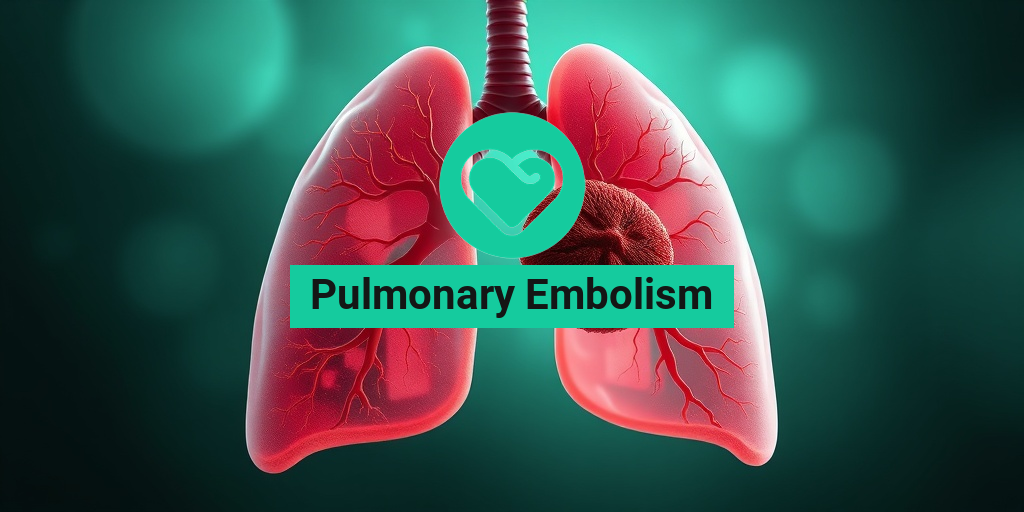
Pulmonary embolism (PE) is a serious medical condition that occurs when a blood clot blocks one or more arteries in the lungs. This blockage can prevent blood from reaching lung tissue, leading to significant complications. Understanding the nature of pulmonary embolism is crucial for early detection and treatment, which can be lifesaving.
Causes of Pulmonary Embolism
The most common cause of pulmonary embolism is deep vein thrombosis (DVT), where blood clots form in the deep veins of the legs or other parts of the body and then travel to the lungs. Other causes may include:
- Fatty deposits: These can enter the bloodstream after a fracture or trauma.
- Air bubbles: Air embolism can occur during certain medical procedures.
- Amniotic fluid: In rare cases, this can enter the mother’s bloodstream during childbirth.
Risk factors for developing pulmonary embolism include prolonged immobility, certain medical conditions, and lifestyle choices such as smoking. Understanding these factors can help in prevention and early intervention.
How Is Pulmonary Embolism Diagnosed?
Diagnosing pulmonary embolism typically involves a combination of medical history, physical examination, and diagnostic tests. Common tests include:
- CT Pulmonary Angiography: This imaging test is the gold standard for diagnosing PE.
- Ventilation-Perfusion (V/Q) Scan: This test assesses airflow and blood flow in the lungs.
- D-dimer Test: Elevated levels of this protein can indicate the presence of a clot.
Early diagnosis is essential, as pulmonary embolism can lead to severe complications, including death, if not treated promptly.
Pulmonary Embolism Symptoms
The symptoms of pulmonary embolism can vary widely, and some individuals may experience no symptoms at all. However, recognizing the signs is crucial for timely medical intervention. Common symptoms include:
Common Symptoms
- Shortness of breath: This may occur suddenly and can worsen with exertion.
- Chest pain: Often described as sharp or stabbing, it may feel worse when breathing deeply or coughing.
- Cough: This may produce blood-streaked sputum.
- Rapid heart rate: An increased heart rate can be a response to decreased oxygen levels.
Less Common Symptoms
In some cases, individuals may experience less common symptoms, such as:
- Lightheadedness or fainting: This can occur due to reduced blood flow to the brain.
- Swelling in the legs: This may indicate DVT, which can lead to PE.
- Feeling anxious: Some people report a sense of impending doom.
If you or someone you know experiences these symptoms, especially in combination, it is vital to seek medical attention immediately. Early treatment can significantly improve outcomes.
Conclusion
Pulmonary embolism is a potentially life-threatening condition that requires prompt recognition and treatment. By understanding the causes and symptoms, individuals can take proactive steps to reduce their risk and seek timely medical care. For more information on pulmonary embolism and other health-related topics, consider visiting Yesil Health AI, a valuable resource for evidence-based health answers.
Stay informed and prioritize your health! 🌟

Risk Factors for Pulmonary Embolism
Pulmonary embolism (PE) is a serious condition that occurs when a blood clot blocks a blood vessel in the lungs. Understanding the risk factors associated with pulmonary embolism is crucial for prevention and early detection. Here are some of the most significant risk factors:
1. Prolonged Immobility
One of the leading causes of pulmonary embolism is prolonged immobility. This can occur during long flights, car rides, or bed rest due to surgery or illness. When blood flow slows down, it increases the risk of clot formation.
2. Medical Conditions
Several medical conditions can elevate the risk of developing blood clots, including:
- Heart disease: Conditions like atrial fibrillation can lead to clot formation.
- Cancer: Certain cancers and their treatments can increase clotting risk.
- Obesity: Excess weight can put pressure on veins, slowing blood flow.
- Chronic lung diseases: Conditions such as COPD can contribute to the risk.
3. Hormonal Factors
Hormonal changes can also play a significant role in the risk of pulmonary embolism. For instance:
- Pregnancy: The body undergoes various changes during pregnancy that can increase clotting risk.
- Hormone replacement therapy: Some forms of hormone therapy can elevate the risk of blood clots.
- Birth control pills: Certain contraceptives, especially those containing estrogen, can increase the likelihood of clot formation.
4. Age and Family History
As we age, the risk of developing blood clots increases. Additionally, a family history of blood clots can also heighten your risk. If someone in your family has experienced a pulmonary embolism, it’s essential to discuss this with your healthcare provider.
5. Lifestyle Choices
Certain lifestyle choices can contribute to the risk of pulmonary embolism:
- Smoking: Tobacco use can damage blood vessels and increase clotting.
- Inactivity: A sedentary lifestyle can lead to poor circulation and increased risk of clots.
Causes of Pulmonary Embolism
The primary cause of pulmonary embolism is the presence of blood clots that travel to the lungs. These clots usually originate from the deep veins of the legs, a condition known as deep vein thrombosis (DVT). Understanding the causes of pulmonary embolism can help in identifying and managing the condition effectively.
1. Deep Vein Thrombosis (DVT)
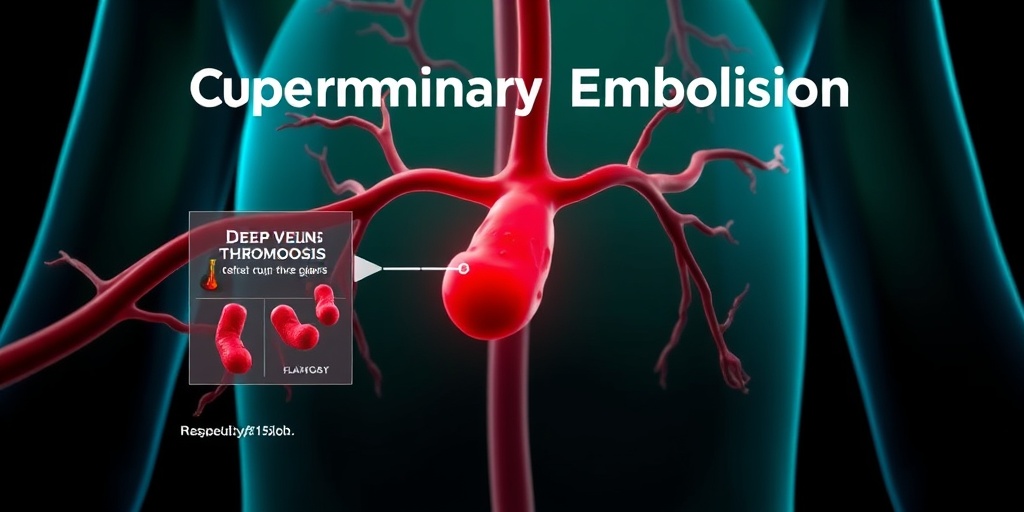
DVT is the most common cause of pulmonary embolism. When a blood clot forms in the deep veins of the legs, it can break loose and travel to the lungs, causing a blockage. Factors that contribute to DVT include:
- Injury: Trauma to the veins can lead to clot formation.
- Surgery: Procedures, especially those involving the legs or pelvis, can increase the risk of DVT.
2. Fat Embolism
In some cases, fat droplets can enter the bloodstream, often after a fracture or trauma, leading to a fat embolism. This can also result in a blockage in the pulmonary arteries.
3. Air Embolism
Air bubbles can enter the bloodstream during certain medical procedures or injuries, potentially causing an air embolism. This can obstruct blood flow in the lungs, leading to pulmonary embolism.
4. Amniotic Fluid Embolism
In rare cases, amniotic fluid can enter the mother’s bloodstream during childbirth, leading to a serious condition known as amniotic fluid embolism. This can cause severe complications, including pulmonary embolism.
5. Tumor Embolism
Cancerous tumors can also lead to pulmonary embolism. Tumors can produce substances that promote clotting or can directly invade blood vessels, leading to clot formation.
Understanding the causes of pulmonary embolism is vital for prevention and treatment. If you or someone you know is at risk, it’s essential to consult with a healthcare professional for appropriate management and care. 🩺
Diagnosis of Pulmonary Embolism
Diagnosing pulmonary embolism (PE) can be a complex process, as its symptoms often mimic those of other conditions. However, timely and accurate diagnosis is crucial for effective treatment and improved outcomes. Here, we will explore the various methods used to diagnose this serious condition.
Understanding the Symptoms
The first step in diagnosing pulmonary embolism is recognizing its symptoms. Common signs include:
- Shortness of breath: This may occur suddenly and can worsen with exertion.
- Chest pain: Often described as sharp or stabbing, it may feel worse when breathing deeply.
- Cough: This may be accompanied by blood-streaked sputum.
- Rapid heartbeat: An increased heart rate can indicate stress on the heart.
- Lightheadedness or fainting: This can occur due to reduced blood flow.
If you experience any of these symptoms, it is essential to seek medical attention promptly. Early intervention can significantly improve outcomes.
Medical History and Physical Examination
Upon arrival at a healthcare facility, the physician will conduct a thorough medical history review and physical examination. They will ask about:
- Your symptoms and their onset.
- Any recent surgeries or prolonged periods of immobility.
- Personal or family history of blood clots.
A physical examination may reveal signs such as rapid breathing, increased heart rate, or low blood oxygen levels, which can further indicate the presence of a pulmonary embolism.
Diagnostic Tests
Several diagnostic tests can confirm the presence of a pulmonary embolism:
- CT Pulmonary Angiography (CTPA): This is the most common and effective test for diagnosing PE. It uses a CT scan to visualize blood vessels in the lungs after injecting a contrast dye.
- Ventilation-Perfusion (V/Q) Scan: This test assesses airflow and blood flow in the lungs. It is often used when a CT scan is not suitable.
- D-dimer Test: This blood test measures the presence of a substance released when a blood clot breaks up. Elevated levels may suggest a clot, but further testing is usually required.
- Ultrasound: A Doppler ultrasound of the legs can help identify deep vein thrombosis (DVT), which is often a precursor to pulmonary embolism.
In some cases, an electrocardiogram (ECG) may be performed to rule out other heart-related issues, as PE can affect heart function.
Complications of Pulmonary Embolism
While pulmonary embolism can be life-threatening, understanding its potential complications can help in managing the condition effectively. Here are some of the most significant complications associated with PE:
Chronic Thromboembolic Pulmonary Hypertension (CTEPH)
One of the long-term complications of pulmonary embolism is chronic thromboembolic pulmonary hypertension. This condition occurs when blood clots in the lungs cause persistent high blood pressure in the pulmonary arteries, leading to:
- Shortness of breath during physical activity.
- Fatigue and weakness.
- Chest pain.
CTEPH can develop even after a single episode of PE, making it essential for patients to have regular follow-ups with their healthcare provider.
Right Heart Strain
Pulmonary embolism can lead to increased pressure in the right side of the heart, causing it to work harder to pump blood through the lungs. This strain can result in:
- Right ventricular dysfunction.
- Heart failure.
In severe cases, this can lead to a condition known as cor pulmonale, where the right side of the heart enlarges and fails due to lung-related issues.
Recurrence of Pulmonary Embolism
Patients who have experienced a pulmonary embolism are at an increased risk of having another episode. Factors that contribute to recurrence include:
- Underlying conditions such as clotting disorders.
- Inadequate anticoagulation therapy.
- Prolonged immobility or surgery.
Preventive measures, including lifestyle changes and medication, are crucial for reducing the risk of recurrence.
Impact on Quality of Life
Beyond physical complications, pulmonary embolism can significantly affect a person’s quality of life. Patients may experience:
- Anxiety and depression related to their health status.
- Limitations in physical activity.
- Ongoing health concerns that require regular medical attention.
Addressing these psychological and lifestyle impacts is an essential part of comprehensive care for individuals recovering from pulmonary embolism.

Treatment Options for Pulmonary Embolism
Pulmonary embolism (PE) is a serious condition that occurs when a blood clot blocks a blood vessel in the lungs. Timely and effective treatment is crucial to minimize complications and improve outcomes. Here, we will explore the various treatment options available for pulmonary embolism.
Medications
The primary treatment for pulmonary embolism involves the use of medications. These can be categorized into several types:
- Anticoagulants: Also known as blood thinners, anticoagulants are the most common treatment for PE. They help prevent new clots from forming and existing clots from getting larger. Common anticoagulants include warfarin, rivaroxaban, and apixaban.
- Thrombolytics: In more severe cases, thrombolytics may be used. These medications dissolve blood clots quickly and are often referred to as “clot busters.” However, they come with a higher risk of bleeding and are typically reserved for life-threatening situations.
- Supportive Care: In addition to anticoagulants, supportive care such as oxygen therapy may be necessary to help patients breathe better, especially if they are experiencing shortness of breath.
Interventional Procedures
In some cases, medication alone may not be sufficient to treat pulmonary embolism. Interventional procedures may be necessary, especially for patients with severe symptoms or those who cannot take anticoagulants.
- Catheter-Directed Thrombolysis: This minimally invasive procedure involves threading a catheter through the blood vessels to the site of the clot. Thrombolytic medication is then delivered directly to the clot, helping to dissolve it more effectively.
- Embolectomy: In rare cases, a surgical procedure called embolectomy may be performed to remove the clot directly from the pulmonary arteries. This is typically reserved for life-threatening situations where other treatments have failed.
- Inferior Vena Cava (IVC) Filter: For patients who are at high risk of developing clots but cannot take anticoagulants, an IVC filter may be placed in the inferior vena cava to catch clots before they reach the lungs.
Monitoring and Follow-Up
After initiating treatment for pulmonary embolism, ongoing monitoring is essential. Regular follow-up appointments allow healthcare providers to assess the effectiveness of the treatment and make necessary adjustments. Patients may also undergo imaging tests, such as CT scans, to monitor the status of the clot.
Preventing Pulmonary Embolism
Prevention is key when it comes to pulmonary embolism, especially for individuals at higher risk. Understanding the risk factors and implementing preventive measures can significantly reduce the likelihood of developing this serious condition.
Understanding Risk Factors
Several factors can increase the risk of pulmonary embolism, including:
- Prolonged Immobility: Long periods of sitting or lying down, such as during long flights or bed rest after surgery, can lead to blood clots.
- Medical Conditions: Certain conditions, such as cancer, heart disease, and clotting disorders, can increase the risk of PE.
- Obesity: Excess weight can put additional pressure on the veins in the legs, increasing the risk of clot formation.
- Smoking: Tobacco use can damage blood vessels and increase the likelihood of clotting.
Preventive Measures
To reduce the risk of pulmonary embolism, consider the following preventive strategies:
- Stay Active: Regular physical activity promotes healthy blood circulation. If you have a sedentary job, take breaks to stand up and move around.
- Hydration: Staying well-hydrated helps maintain blood flow and reduces the risk of clot formation.
- Compression Stockings: For individuals at high risk, wearing compression stockings can help improve circulation in the legs and prevent clots.
- Medication: If you have a history of blood clots or are undergoing surgery, your doctor may prescribe anticoagulants as a preventive measure.
Awareness and Education
Being aware of the signs and symptoms of pulmonary embolism is crucial for early detection and treatment. Common symptoms include:
- Shortness of breath
- Chest pain that may worsen with deep breaths
- Coughing up blood
- Rapid heart rate
If you experience any of these symptoms, seek medical attention immediately. Early intervention can save lives! 🚑

Frequently Asked Questions about Pulmonary Embolism
What is Pulmonary Embolism?
Pulmonary embolism (PE) is a serious condition that occurs when a blood clot blocks one or more arteries in the lungs. This blockage can prevent blood from reaching lung tissue, leading to serious complications.
What are the symptoms of Pulmonary Embolism?
Common pulmonary embolism symptoms include:
- Shortness of breath
- Chest pain that may worsen with deep breathing
- Coughing up blood
- Rapid heart rate
- Dizziness or fainting
What causes Pulmonary Embolism?
Several factors can contribute to the development of pulmonary embolism, including:
- Deep vein thrombosis (DVT)
- Prolonged immobility (e.g., long flights or bed rest)
- Certain medical conditions (e.g., cancer, heart disease)
- Obesity
- Smoking
How is Pulmonary Embolism diagnosed?
Diagnosis of pulmonary embolism typically involves a combination of:
- Medical history and physical examination
- Imaging tests such as CT scans or ultrasounds
- Blood tests to check for clotting disorders
What are the treatment options for Pulmonary Embolism?
Treatment for pulmonary embolism may include:
- Anticoagulants (blood thinners) to prevent further clotting
- Thrombolytics to dissolve existing clots
- In severe cases, surgical intervention may be necessary
Can Pulmonary Embolism occur during pregnancy?
Yes, pulmonary embolism during pregnancy is a serious risk due to increased blood clotting factors. Pregnant women should be aware of the symptoms and seek immediate medical attention if they experience any.
What is the prognosis for someone with Pulmonary Embolism?
The prognosis for pulmonary embolism varies based on the size of the clot and the speed of treatment. Early diagnosis and treatment significantly improve outcomes.
How can I reduce my risk of Pulmonary Embolism?
To lower your risk of developing pulmonary embolism, consider the following:
- Stay active and avoid prolonged immobility
- Maintain a healthy weight
- Quit smoking
- Follow your doctor’s advice if you have risk factors
Where can I find more information about Pulmonary Embolism?
For more detailed information, consult healthcare professionals or trusted medical websites that specialize in pulmonary health.