What Is IBS-D?
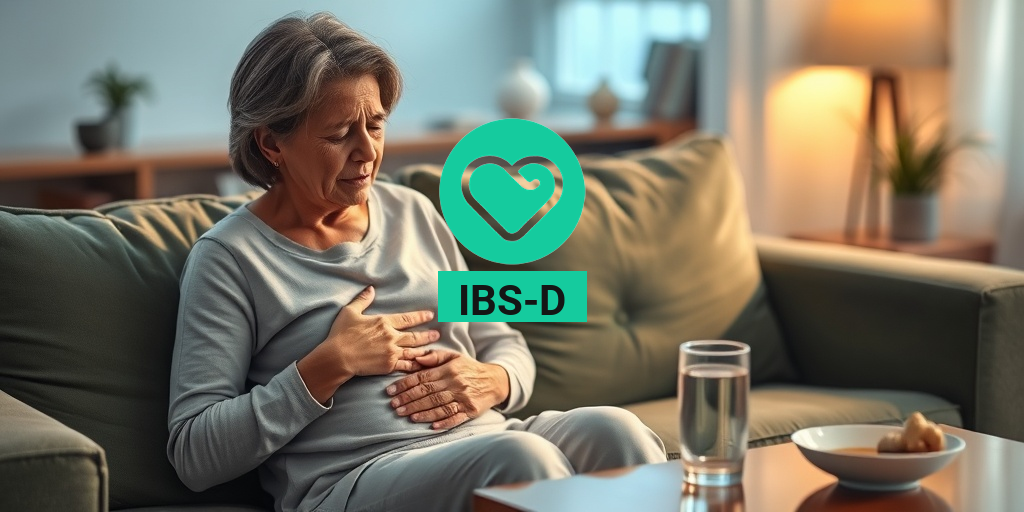
IBS-D, or Irritable Bowel Syndrome with Diarrhea, is a common gastrointestinal disorder that affects millions of people worldwide. It is characterized by a combination of chronic abdominal pain and frequent, loose stools. Unlike other forms of IBS, IBS-D specifically involves diarrhea as the predominant symptom, which can significantly impact daily life and overall well-being.
The exact cause of IBS-D remains unclear, but it is believed to be related to a combination of factors, including:
- Gut-brain interaction: The communication between the gut and the brain can be disrupted, leading to abnormal bowel function.
- Intestinal motility: People with IBS-D often experience rapid contractions in the intestines, resulting in diarrhea.
- Food sensitivities: Certain foods may trigger symptoms, making dietary management crucial.
- Stress and anxiety: Emotional factors can exacerbate symptoms, highlighting the mind-gut connection.
IBS-D is classified under the broader category of Irritable Bowel Syndrome, which also includes IBS-C (constipation-predominant) and IBS-M (mixed). Understanding the specific type of IBS you have is essential for effective management and treatment.
IBS-D Symptoms
Recognizing the symptoms of IBS-D is vital for early diagnosis and effective management. The primary symptoms include:
- Frequent diarrhea: This is the hallmark symptom of IBS-D, often occurring multiple times a day.
- Abdominal pain and cramping: Many individuals experience discomfort that can vary in intensity and is often relieved after a bowel movement.
- Bloating and gas: A feeling of fullness or swelling in the abdomen is common, often accompanied by excessive gas.
- Urgency to have a bowel movement: Individuals may feel a sudden and strong need to use the restroom, which can be distressing.
- Changes in bowel habits: While diarrhea is predominant, some individuals may also experience constipation or alternating bowel patterns.
It’s important to note that symptoms can vary widely among individuals and may be triggered by specific foods, stress, or hormonal changes. Keeping a symptom diary can help identify triggers and patterns, making it easier to manage the condition.
If you suspect you have IBS-D, consulting a healthcare professional is crucial for an accurate diagnosis and personalized treatment plan. They may recommend dietary changes, medications, or stress management techniques to help alleviate symptoms.
For more comprehensive information on IBS-D and its management, consider visiting Yesil Health AI, a valuable resource for evidence-based health answers. 🌱
In conclusion, understanding IBS-D is the first step towards effective management. By recognizing the symptoms and potential triggers, individuals can take proactive steps to improve their quality of life and reduce the impact of this condition on their daily activities.

IBS-D Triggers
Understanding the triggers of IBS-D (Irritable Bowel Syndrome with Diarrhea) is crucial for managing this condition effectively. While the exact cause of IBS-D remains unclear, several factors can exacerbate symptoms. Here, we’ll explore some common triggers that individuals with IBS-D should be aware of.
Dietary Triggers
Food plays a significant role in IBS-D symptoms. Certain foods can irritate the gut and lead to increased bowel movements. Here are some common dietary triggers:
- High-FODMAP Foods: Foods rich in fermentable oligosaccharides, disaccharides, monosaccharides, and polyols (FODMAPs) can cause bloating and diarrhea. Examples include beans, lentils, certain fruits (like apples and pears), and dairy products.
- Fatty Foods: High-fat meals can stimulate the intestines and lead to diarrhea. Fried foods and fatty cuts of meat are often culprits.
- Spicy Foods: Spices can irritate the digestive tract, leading to discomfort and increased bowel activity.
- Caffeine and Alcohol: Both substances can stimulate the intestines and may worsen diarrhea in individuals with IBS-D.
Stress and Anxiety
Emotional factors such as stress and anxiety can significantly impact gut health. The gut-brain connection means that psychological stress can lead to physical symptoms, including those associated with IBS-D. Techniques such as mindfulness, yoga, and therapy can help manage stress levels and potentially reduce IBS-D symptoms.
Hormonal Changes
For many women, hormonal fluctuations during menstruation can trigger IBS-D symptoms. Changes in hormone levels can affect gut motility, leading to increased diarrhea. Keeping track of symptoms in relation to the menstrual cycle can help identify patterns and triggers.
Medications
Some medications can also trigger IBS-D symptoms. Antibiotics, for example, can disrupt the natural balance of gut bacteria, leading to diarrhea. If you suspect that a medication is affecting your IBS-D, consult with your healthcare provider for alternatives.
IBS-D Diagnosis
Diagnosing IBS-D can be a complex process, as there is no single test that confirms the condition. Instead, healthcare providers typically rely on a combination of patient history, symptom assessment, and diagnostic tests to arrive at a diagnosis.
Symptom Assessment
The first step in diagnosing IBS-D involves a thorough assessment of symptoms. Common symptoms include:
- Frequent Diarrhea: This is the hallmark symptom of IBS-D, often accompanied by urgency.
- Abdominal Pain: Cramping or discomfort in the abdomen is common and may improve after a bowel movement.
- Bloating: Many individuals experience a feeling of fullness or swelling in the abdomen.
- Changes in Bowel Habits: This includes variations in stool consistency and frequency.
Exclusion of Other Conditions
Before diagnosing IBS-D, healthcare providers often perform tests to rule out other gastrointestinal disorders. These may include:
- Blood Tests: To check for signs of infection, inflammation, or other underlying conditions.
- Stool Tests: To identify infections or malabsorption issues.
- Colonoscopy: In some cases, a colonoscopy may be recommended to examine the colon and rule out conditions like inflammatory bowel disease (IBD) or colorectal cancer.
Rome Criteria
The Rome IV criteria are often used to diagnose IBS. According to these criteria, a diagnosis of IBS-D is made if the patient has experienced abdominal pain at least one day per week in the last three months, associated with two or more of the following:
- Related to defecation
- Associated with a change in stool frequency
- Associated with a change in stool form or appearance
Once a diagnosis of IBS-D is confirmed, a tailored treatment plan can be developed to help manage symptoms effectively. Understanding your triggers and working closely with a healthcare provider can lead to better outcomes and improved quality of life. 🌟

IBS-D Treatment Options
Living with IBS-D (Irritable Bowel Syndrome with Diarrhea) can be challenging, but there are various treatment options available to help manage symptoms effectively. Understanding these options is crucial for anyone seeking relief from the discomfort associated with this condition.
Medications for IBS-D
When it comes to managing IBS-D symptoms, medications can play a significant role. Here are some common types of medications prescribed:
- Antidiarrheal medications: Over-the-counter options like loperamide can help reduce the frequency of diarrhea.
- Prescription medications: Drugs such as eluxadoline (Viberzi) and rifaximin (Xifaxan) are often prescribed to help manage symptoms.
- Antidepressants: Low doses of certain antidepressants can help alleviate pain and improve bowel function.
It’s essential to consult with a healthcare provider to determine the most suitable medication based on individual symptoms and health history. 💊
Therapeutic Approaches
In addition to medications, several therapeutic approaches can help manage IBS-D:
- Cognitive Behavioral Therapy (CBT): This form of therapy can help patients cope with the psychological aspects of IBS-D, reducing anxiety and stress that may exacerbate symptoms.
- Gut-directed hypnotherapy: This technique has shown promise in helping patients manage their symptoms by promoting relaxation and reducing gut sensitivity.
These therapies can be particularly beneficial for those whose symptoms are triggered or worsened by stress. 🧘♀️
Probiotics and Supplements
Probiotics are live bacteria that can provide health benefits when consumed in adequate amounts. Some studies suggest that certain strains of probiotics may help alleviate IBS-D symptoms. Additionally, supplements like psyllium husk can help regulate bowel movements.
Before starting any new supplement, it’s advisable to discuss it with a healthcare provider to ensure it’s appropriate for your specific situation. 🌱
IBS-D Dietary Changes
Diet plays a crucial role in managing IBS-D. Making specific dietary changes can significantly improve symptoms and enhance overall well-being. Here are some effective dietary strategies:
Low-FODMAP Diet
The Low-FODMAP diet is often recommended for individuals with IBS-D. FODMAPs are fermentable carbohydrates that can cause digestive distress. By reducing high-FODMAP foods, many people experience relief from symptoms. Foods to limit include:
- Wheat products
- Certain fruits (like apples and pears)
- Dairy products (especially those high in lactose)
- Legumes and beans
Instead, focus on low-FODMAP options such as:
- Bananas
- Carrots
- Rice and oats
- Meat and fish
Consulting with a dietitian can help tailor the Low-FODMAP diet to your needs. 🍏
Hydration and Fiber Intake
Staying hydrated is essential for managing IBS-D. Drinking plenty of water can help maintain bowel regularity. Additionally, incorporating soluble fiber into your diet can help regulate bowel movements. Foods rich in soluble fiber include:
- Oats
- Chia seeds
- Apples
However, it’s important to introduce fiber gradually to avoid exacerbating symptoms. 🥤
Avoiding Trigger Foods
Identifying and avoiding trigger foods is vital for managing IBS-D. Common triggers include:
- Spicy foods
- Caffeinated beverages
- Alcohol
- Fatty foods
Keeping a food diary can help pinpoint specific foods that may worsen symptoms, allowing for better dietary choices. 📓
By exploring various treatment options and making informed dietary changes, individuals with IBS-D can take significant steps toward managing their symptoms and improving their quality of life.

IBS-D Lifestyle Tips
Living with IBS-D (Irritable Bowel Syndrome with Diarrhea) can be challenging, but adopting certain lifestyle changes can significantly improve your quality of life. Here are some practical tips to help you manage your symptoms effectively.
1. Maintain a Food Diary
Keeping a food diary is one of the most effective ways to identify triggers that exacerbate your IBS-D symptoms. By tracking what you eat and how it affects your digestion, you can pinpoint specific foods that may be causing discomfort. Consider noting:
- What you eat and drink
- When you eat
- Your symptoms and their severity
This information can be invaluable when discussing your condition with a healthcare provider.
2. Follow a Low-FODMAP Diet
The low-FODMAP diet has gained popularity as an effective dietary approach for managing IBS-D. FODMAPs are fermentable carbohydrates that can cause digestive distress. Foods high in FODMAPs include:
- Wheat products
- Certain fruits (like apples and pears)
- Dairy products
- Legumes
By reducing these foods and gradually reintroducing them, you can identify which ones trigger your symptoms. 🍏
3. Stay Hydrated
Dehydration can worsen IBS-D symptoms, so it’s crucial to drink plenty of fluids. Aim for at least 8 cups of water a day, and consider incorporating:
- Herbal teas (like peppermint or ginger)
- Clear broths
- Electrolyte drinks (especially if experiencing diarrhea)
Staying hydrated helps maintain digestive health and can alleviate some symptoms. 💧
4. Manage Stress
Stress is a known trigger for IBS-D symptoms. Incorporating stress management techniques into your daily routine can be beneficial. Consider:
- Yoga or Pilates
- Meditation or mindfulness practices
- Regular physical activity
Finding what works best for you can help reduce the frequency and severity of your symptoms. 🧘♀️
5. Regular Meal Times
Establishing a regular eating schedule can help regulate your digestive system. Try to eat at the same times each day and avoid skipping meals. This consistency can help your body anticipate food intake and improve digestion.
IBS-D Outlook and Management
Understanding the outlook for IBS-D is essential for effective management. While IBS-D is a chronic condition, many people find ways to manage their symptoms and lead fulfilling lives.
1. Medication Options
For some individuals, dietary changes alone may not be enough. Various IBS-D medications can help manage symptoms. These may include:
- Antidiarrheal medications (like loperamide) to reduce diarrhea
- Prescription medications such as rifaximin or eluxadoline
- Antidepressants that can help with pain and discomfort
Consulting with a healthcare provider can help determine the best medication for your specific needs.
2. Regular Check-ups
Regular visits to your healthcare provider are crucial for monitoring your condition. They can help adjust your treatment plan as needed and ensure that you are managing your symptoms effectively. Don’t hesitate to discuss any new symptoms or concerns that arise.
3. Support Groups
Connecting with others who have IBS-D can provide emotional support and practical advice. Consider joining a local or online support group where you can share experiences and coping strategies. This community can be a valuable resource for encouragement and understanding. 🤝
4. Stay Informed
Staying informed about IBS-D can empower you to make better choices regarding your health. Follow reputable health websites, read articles, and consider consulting with a dietitian who specializes in gastrointestinal disorders. Knowledge is a powerful tool in managing your condition.
By implementing these lifestyle tips and understanding the management options available, you can take control of your IBS-D and improve your overall well-being. Remember, every individual is different, so it may take time to find the right combination of strategies that work for you. 🌟

Frequently Asked Questions
What is the meaning of IBS-D?
IBS-D stands for Irritable Bowel Syndrome with Diarrhea. It is a common gastrointestinal disorder characterized by symptoms such as abdominal pain, bloating, and frequent diarrhea. Understanding this condition can help individuals manage their symptoms effectively.
What are the common symptoms of IBS-D?
- Frequent diarrhea
- Abdominal pain or cramping
- Bloating and gas
- Urgency to have a bowel movement
- Changes in bowel habits
What treatments are available for IBS-D?
There are several treatment options for managing IBS-D. These may include:
- Dietary changes: Following a low-FODMAP diet can help reduce symptoms.
- Medications: Over-the-counter medications like loperamide can help control diarrhea.
- Probiotics: These can help restore gut flora and improve digestive health.
- Stress management: Techniques such as yoga and meditation can alleviate symptoms.
Is there a specific diet recommended for IBS-D?
Yes, individuals with IBS-D often benefit from a low-FODMAP diet, which involves reducing certain carbohydrates that can trigger symptoms. Foods to consider include:
- Lean proteins (chicken, fish)
- Fruits like bananas and blueberries
- Vegetables such as carrots and spinach
- Gluten-free grains (rice, quinoa)
What medications are commonly prescribed for IBS-D?
Common medications for managing IBS-D include:
- Loperamide: Helps reduce diarrhea.
- Rifaximin: An antibiotic that can help with bloating and diarrhea.
- Eluxadoline: A medication specifically approved for IBS-D that helps regulate bowel movements.
What is the ICD-10 code for IBS-D?
The ICD-10 code for IBS-D is K58.0. This code is used for medical billing and documentation purposes.
Can stress affect IBS-D symptoms?
Yes, stress can significantly impact IBS-D symptoms. Managing stress through relaxation techniques, therapy, and lifestyle changes can help alleviate symptoms and improve overall well-being.
Where can I find more resources on IBS-D?
For more information on IBS-D, consider checking reputable health websites, consulting with a healthcare professional, or looking for dietary guides such as IBS-D diet PDF resources that provide meal plans and tips.