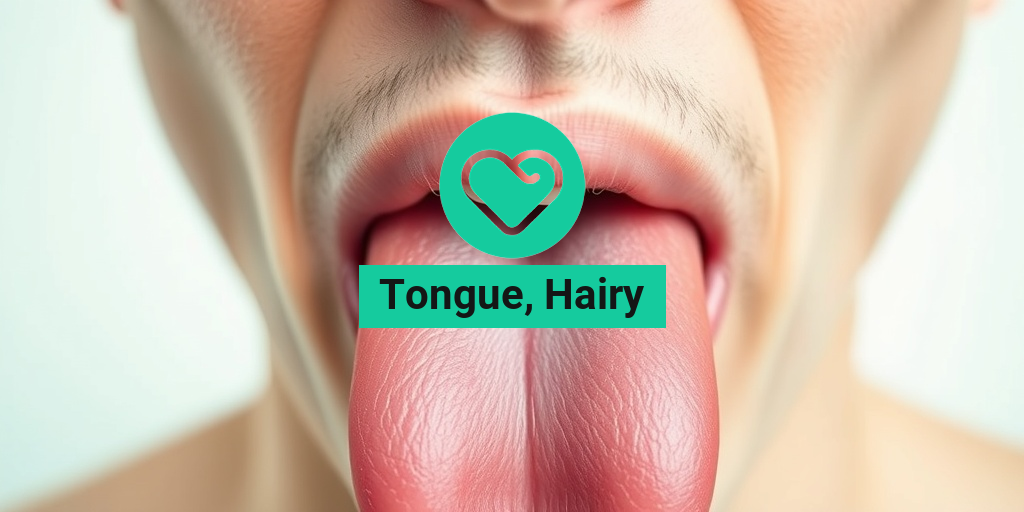
What Is Hairy Tongue?
Hairy tongue is a benign condition characterized by an abnormal appearance of the tongue’s surface. It occurs when the filiform papillae, tiny projections on the tongue, become elongated and discolored, giving the tongue a “hairy” look. This condition can be alarming, but it is generally harmless and often resolves with proper oral hygiene.
The tongue is covered with small bumps called papillae, which help in the process of tasting and swallowing. In a healthy tongue, these papillae are short and evenly distributed. However, various factors can lead to their elongation, resulting in a hairy appearance. This condition is often associated with poor oral hygiene, smoking, excessive alcohol consumption, and certain medications that cause dry mouth.
Causes of Hairy Tongue
Understanding the causes of hairy tongue can help in preventing and managing the condition. Here are some common factors:
- Poor Oral Hygiene: Inadequate brushing and cleaning of the tongue can lead to the accumulation of bacteria and dead cells.
- Smoking: Tobacco use can irritate the tongue and contribute to the elongation of papillae.
- Dry Mouth: Conditions that cause dry mouth, such as certain medications or dehydration, can exacerbate the issue.
- Excessive Alcohol or Coffee Consumption: These substances can lead to dehydration and contribute to the development of hairy tongue.
- Medical Conditions: Some health issues, like diabetes or immune disorders, may increase the risk of developing hairy tongue.
If you notice changes in your tongue’s appearance, it’s essential to consult a healthcare professional for a proper diagnosis and treatment options. For more information on tongue health, you can visit Yesil Health AI, a valuable resource for evidence-based health answers.
Hairy Tongue Symptoms
The symptoms of hairy tongue can vary from person to person, but they typically include:
- Discoloration: The tongue may appear white, yellow, or brown due to the buildup of bacteria and debris.
- Altered Taste: Some individuals may experience changes in their sense of taste, making food less enjoyable.
- Bad Breath: The accumulation of bacteria can lead to halitosis, or bad breath.
- Feeling of a Foreign Object: Many people report a sensation of having something stuck on their tongue, which can be uncomfortable.
- Gag Reflex: In some cases, the elongated papillae can trigger a gag reflex, especially when eating or brushing the tongue.
When to Seek Medical Attention
While hairy tongue is usually harmless, it’s important to seek medical advice if you experience:
- Persistent symptoms that do not improve with improved oral hygiene.
- Severe discomfort or pain in the tongue.
- Changes in taste that affect your appetite.
- Signs of infection, such as swelling or pus.
In most cases, maintaining good oral hygiene can help alleviate the symptoms of hairy tongue. Regular brushing of the tongue, staying hydrated, and avoiding irritants like tobacco can significantly improve the condition.
In conclusion, while a hairy tongue may seem concerning, it is often a temporary condition that can be managed with proper care. If you have any questions or concerns about your oral health, consider reaching out to a healthcare professional or visiting Yesil Health AI for more information. Remember, taking care of your tongue is an essential part of maintaining overall oral health! 🦷✨

Causes of Hairy Tongue
The condition known as hairy tongue occurs when the filiform papillae on the tongue become elongated and discolored, leading to a characteristic appearance that resembles hair. Understanding the causes of this condition is essential for effective management and prevention. Here are some of the primary causes:
1. Poor Oral Hygiene
One of the most common causes of hairy tongue is inadequate oral hygiene. When plaque, bacteria, and dead cells accumulate on the tongue, they can lead to the elongation of the papillae. Regular brushing of the tongue, along with teeth and gums, can help prevent this buildup.
2. Dehydration and Dry Mouth
A dry mouth, or xerostomia, can contribute significantly to the development of hairy tongue. Saliva plays a crucial role in washing away food particles and bacteria. When the mouth is dry, the natural cleansing process is hindered, allowing for the growth of bacteria and the elongation of the papillae. Factors that can lead to dry mouth include:
- Medications (e.g., antihistamines, antidepressants)
- Medical conditions (e.g., diabetes, Sjögren’s syndrome)
- Smoking or tobacco use
3. Smoking and Tobacco Use
Smoking is a significant risk factor for hairy tongue. The chemicals in tobacco can irritate the tongue and alter the normal balance of bacteria in the mouth. This irritation can lead to the elongation of the filiform papillae, resulting in the characteristic hairy appearance.
4. Excessive Alcohol and Coffee Consumption
Both alcohol and coffee can contribute to a dry mouth and alter the natural flora of the mouth. Excessive consumption of these substances can lead to an increased risk of developing hairy tongue. Moderation is key to maintaining oral health.
5. Certain Medical Conditions
Some underlying medical conditions can predispose individuals to hairy tongue. These include:
- Immunosuppression (e.g., HIV/AIDS)
- Gastroesophageal reflux disease (GERD)
- Chronic respiratory diseases
Individuals with these conditions may experience changes in their oral environment, leading to the development of hairy tongue.
6. Nutritional Deficiencies
A lack of essential nutrients, particularly B vitamins and iron, can contribute to the development of hairy tongue. These nutrients are vital for maintaining healthy skin and mucous membranes, including those on the tongue. A balanced diet rich in fruits, vegetables, and whole grains can help prevent deficiencies.
Risk Factors for Hairy Tongue
While anyone can develop hairy tongue, certain risk factors can increase the likelihood of experiencing this condition. Understanding these risk factors can help individuals take proactive steps to maintain their oral health.
1. Age
Hairy tongue can occur at any age, but it is more commonly seen in adults, particularly those over the age of 40. As we age, the natural turnover of cells in the mouth may slow down, leading to an increased risk of elongated papillae.
2. Gender
Research suggests that hairy tongue may be more prevalent in men than in women. This could be attributed to lifestyle factors, such as higher rates of smoking and alcohol consumption among men.
3. Poor Oral Hygiene Practices
Individuals who neglect their oral hygiene are at a higher risk of developing hairy tongue. Regular brushing of the tongue, along with routine dental check-ups, is essential for preventing this condition.
4. Use of Certain Medications
Medications that cause dry mouth or alter the natural balance of bacteria in the mouth can increase the risk of hairy tongue. If you are taking medications that may contribute to this condition, consult your healthcare provider for alternatives or solutions.
5. Lifestyle Choices
Unhealthy lifestyle choices, such as smoking, excessive alcohol consumption, and poor dietary habits, can significantly increase the risk of hairy tongue. Making positive changes in these areas can help reduce the likelihood of developing this condition.
6. Existing Health Conditions
Individuals with certain health conditions, such as diabetes or autoimmune disorders, may be more susceptible to hairy tongue. Managing these conditions effectively can help mitigate the risk.
In conclusion, understanding the causes and risk factors of hairy tongue is crucial for prevention and management. By maintaining good oral hygiene, staying hydrated, and making healthy lifestyle choices, you can significantly reduce your risk of developing this condition. If you notice any symptoms of hairy tongue, such as a persistent change in the appearance of your tongue or an unusual sensation, consult a healthcare professional for guidance. 🦷✨

Hairy Tongue Diagnosis
When it comes to diagnosing hairy tongue, healthcare professionals typically rely on a combination of visual examination and patient history. This condition, characterized by an abnormal appearance of the tongue, can often be identified during a routine dental or medical check-up.
Visual Examination
The most straightforward method for diagnosing hairy tongue is through a visual inspection. During this examination, a healthcare provider will look for:
- Color Changes: The tongue may appear white, yellow, or brown due to the accumulation of dead cells and bacteria.
- Texture: A hairy or elongated appearance of the papillae (the small bumps on the tongue) is a key indicator.
- Location: The condition typically affects the dorsal (top) surface of the tongue.
Patient History
In addition to a visual examination, your doctor may ask about your medical history and lifestyle factors that could contribute to the condition. Important questions may include:
- Oral Hygiene Practices: How often do you brush your tongue?
- Dietary Habits: Are you consuming a lot of processed foods or sugary drinks?
- Medications: Are you taking any medications that may cause dry mouth?
By combining these observations and inquiries, healthcare providers can effectively diagnose hairy tongue and rule out other potential conditions, such as leukoplakia or oral thrush, which may present similar symptoms.
Hairy Tongue Treatment Options
Fortunately, hairy tongue is often a benign condition that can be managed with simple lifestyle changes and treatments. Here are some effective options to consider:
Improving Oral Hygiene
One of the most effective ways to treat hairy tongue is by enhancing your oral hygiene routine. Here are some tips:
- Brush Your Tongue: Use a tongue scraper or a toothbrush to gently clean your tongue daily. This helps remove the buildup of dead cells and bacteria.
- Regular Dental Check-ups: Schedule routine visits to your dentist for professional cleanings and advice on maintaining oral health.
- Stay Hydrated: Drink plenty of water to help keep your mouth moist and reduce the risk of dry mouth, which can exacerbate the condition.
Dietary Adjustments
Your diet can significantly impact the health of your tongue. Consider the following dietary changes:
- Limit Processed Foods: Reduce your intake of sugary and processed foods that can contribute to bacterial growth.
- Increase Fiber: Incorporate more fruits and vegetables into your diet, as they can help promote healthy digestion and oral health.
Medical Treatments
If lifestyle changes do not alleviate the symptoms, there are medical treatments available:
- Topical Treatments: Your doctor may recommend medicated mouthwashes or topical treatments to help reduce inflammation and bacteria.
- Addressing Underlying Conditions: If hairy tongue is caused by an underlying health issue, such as a medication side effect or a systemic condition, addressing that issue may resolve the symptoms.
In most cases, hairy tongue is a manageable condition that can be improved with proper care and attention. If you notice persistent symptoms or changes in your oral health, it’s essential to consult a healthcare professional for personalized advice and treatment options. 🦷✨

Home Remedies for Hairy Tongue
If you’ve ever looked in the mirror and noticed a hairy tongue, you’re not alone. This condition, often harmless, can be a source of concern for many. Fortunately, there are several home remedies that can help manage and alleviate the symptoms associated with this condition. Let’s explore some effective options!
1. Maintain Good Oral Hygiene
One of the most effective ways to combat hairy tongue syndrome is by practicing good oral hygiene. Here are some tips:
- Brush Your Tongue: Use a soft-bristled toothbrush or a tongue scraper to gently brush your tongue daily. This helps remove the buildup of dead cells and bacteria.
- Regular Tooth Brushing: Brush your teeth at least twice a day and floss regularly to keep your mouth clean.
- Use Mouthwash: An antibacterial mouthwash can help reduce bacteria in your mouth and freshen your breath.
2. Stay Hydrated
Dehydration can contribute to a hairy feeling on your tongue. Drinking plenty of water throughout the day helps keep your mouth moist and can prevent the buildup of debris. Aim for at least 8 glasses of water daily, and consider incorporating hydrating foods like fruits and vegetables into your diet. 🍉🥒
3. Adjust Your Diet
Your diet can play a significant role in the health of your tongue. Here are some dietary adjustments to consider:
- Increase Fiber Intake: Foods rich in fiber, such as fruits, vegetables, and whole grains, can help promote healthy digestion and reduce the risk of a hairy tongue.
- Avoid Irritating Foods: Spicy, acidic, or overly processed foods can irritate your tongue. Try to limit these foods if you notice an increase in symptoms.
- Probiotics: Incorporating probiotic-rich foods like yogurt can help maintain a healthy balance of bacteria in your mouth.
4. Use Natural Remedies
Several natural remedies may help alleviate the symptoms of a hairy tongue:
- Apple Cider Vinegar: Dilute apple cider vinegar with water and use it as a mouth rinse. Its antibacterial properties can help reduce bacteria in the mouth.
- Salt Water Rinse: Gargling with warm salt water can help soothe irritation and promote healing.
- Tea Tree Oil: A few drops of tea tree oil mixed with water can be used as a mouth rinse due to its antimicrobial properties.
5. Quit Smoking
If you smoke, consider quitting. Smoking is a significant contributor to hairy tongue disease and can exacerbate symptoms. Seek support from healthcare professionals or support groups to help you quit. 🚭
Preventing Hairy Tongue
Prevention is always better than cure! Here are some effective strategies to help you avoid developing a hairy tongue:
1. Practice Regular Oral Hygiene
As mentioned earlier, maintaining good oral hygiene is crucial. Regular brushing, flossing, and tongue cleaning can significantly reduce the risk of developing a hairy tongue. Make it a habit to include tongue cleaning in your daily routine! 🪥
2. Stay Hydrated
Keeping your body hydrated is essential for overall health, including oral health. Drinking enough water helps prevent dry mouth, which can lead to a buildup of bacteria and dead cells on the tongue.
3. Limit Alcohol and Caffeine
Both alcohol and caffeine can contribute to dry mouth. Limiting your intake of these substances can help maintain moisture levels in your mouth, reducing the risk of a hairy tongue.
4. Avoid Mouthwashes with Alcohol
While mouthwash can be beneficial, those containing alcohol can dry out your mouth. Opt for alcohol-free mouthwashes to keep your mouth hydrated and healthy.
5. Regular Dental Check-ups
Visiting your dentist regularly can help catch any oral health issues early. Your dentist can provide personalized advice and treatment options to keep your mouth healthy and prevent conditions like hairy tongue.
By following these home remedies and preventive measures, you can effectively manage and reduce the risk of developing a hairy tongue. Remember, if symptoms persist or worsen, it’s essential to consult a healthcare professional for further evaluation and treatment. 🩺

Frequently Asked Questions about Hairy Tongue
What is a hairy tongue?
A hairy tongue is a condition characterized by an abnormal appearance of the tongue’s surface, where the papillae (small bumps) become elongated and discolored, giving it a hairy or furry look. This condition is usually harmless but can be a sign of underlying issues.
What causes a hairy tongue?
Several factors can contribute to the development of a hairy tongue, including:
- Poor oral hygiene
- Smoking or tobacco use
- Excessive alcohol or caffeine consumption
- Dehydration or dry mouth
- Use of certain medications, especially those that cause dry mouth
What are the symptoms of hairy tongue?
The primary symptom of a hairy tongue is the appearance of the tongue itself. Other symptoms may include:
- A change in taste sensation
- Bad breath
- A feeling of discomfort or a foreign body sensation in the mouth
How is hairy tongue treated?
Treatment for hairy tongue typically involves improving oral hygiene practices. Here are some effective methods:
- Brushing the tongue gently with a toothbrush
- Using a tongue scraper
- Staying hydrated and drinking plenty of water
- Avoiding tobacco and excessive alcohol
Is hairy tongue contagious?
No, hairy tongue is not contagious. It is a benign condition that does not spread from person to person.
When should I see a doctor?
If you notice persistent symptoms or if the appearance of your tongue changes significantly, it is advisable to consult a healthcare professional. They can help rule out other conditions, such as hairy tongue leukoplakia, which may require different treatment.
Can hairy tongue lead to other health issues?
While hairy tongue itself is generally harmless, it can sometimes indicate poor oral hygiene or other health issues. Maintaining good oral care can help prevent complications.
Are there any pictures of hairy tongue?
Yes, there are many hairy tongue pictures available online that can help you identify the condition. However, it’s important to consult a healthcare professional for an accurate diagnosis rather than relying solely on images.
Can diet affect hairy tongue?
Yes, diet can play a role in the development of hairy tongue. A diet low in fruits and vegetables and high in processed foods may contribute to the condition. Eating a balanced diet can help maintain oral health.
Is hairy tongue a serious condition?
In most cases, hairy tongue is not serious and can be managed with proper oral hygiene. However, if you have concerns or experience other symptoms, it’s best to seek medical advice.