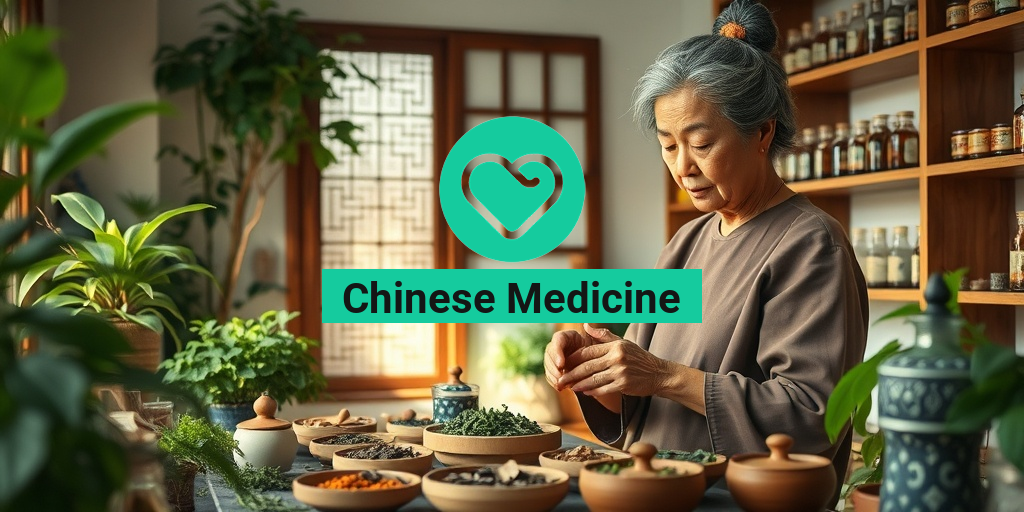
What Is Chinese Medicine?
Chinese Medicine, a holistic approach to health and wellness, has been practiced for thousands of years. Originating in ancient China, it encompasses a variety of therapeutic practices, including acupuncture, herbal medicine, dietary therapy, and Tai Chi. The primary goal of Chinese Medicine is to restore balance and harmony within the body, promoting overall health and well-being.
At its core, Chinese Medicine views the body as an interconnected system where physical, emotional, and environmental factors influence health. This perspective contrasts with Western medicine, which often focuses on treating specific symptoms or diseases. Instead, practitioners of Chinese Medicine aim to identify and address the root causes of health issues, leading to more comprehensive and lasting solutions.
The History of Chinese Medicine
The roots of Chinese Medicine can be traced back over 2,500 years, with foundational texts such as the Huangdi Neijing (The Yellow Emperor’s Classic of Internal Medicine) laying the groundwork for its principles. Throughout history, Chinese Medicine has evolved, integrating various philosophies, including Confucianism, Taoism, and Buddhism, which have shaped its practices and theories.
Key Components of Chinese Medicine
Chinese Medicine is built on several key components that work together to promote health:
- Acupuncture: This technique involves inserting thin needles into specific points on the body to stimulate energy flow and restore balance.
- Herbal Medicine: Chinese herbal remedies are crafted from a variety of plants, minerals, and animal products, tailored to individual needs.
- Dietary Therapy: Food is considered medicine in Chinese culture, and dietary recommendations are made based on an individual’s constitution and health conditions.
- Qi Gong and Tai Chi: These gentle exercises promote physical and mental well-being through movement, breath control, and meditation.
Principles of Chinese Medicine
The principles of Chinese Medicine are rooted in the concept of Qi (pronounced “chee”), which refers to the vital life force that flows through the body. Understanding how Qi interacts with the body is essential to grasping the principles of this ancient healing system.
Yin and Yang
One of the foundational concepts in Chinese Medicine is the idea of Yin and Yang. This philosophy describes the dual nature of existence, where opposite forces are interconnected and interdependent. Yin represents qualities such as coolness, darkness, and passivity, while Yang embodies warmth, light, and activity. Health is achieved when Yin and Yang are in balance, and illness arises when there is an imbalance between the two.
The Five Elements
Another critical principle is the Five Elements theory, which includes Wood, Fire, Earth, Metal, and Water. Each element corresponds to specific organs, emotions, and seasons, creating a framework for understanding the body’s functions and interactions. For example:
- Wood: Liver, anger, spring
- Fire: Heart, joy, summer
- Earth: Spleen, worry, late summer
- Metal: Lungs, grief, autumn
- Water: Kidneys, fear, winter
By analyzing the relationships between these elements, practitioners can identify imbalances and develop personalized treatment plans.
Diagnosis in Chinese Medicine
Diagnosis in Chinese Medicine involves a comprehensive assessment of a patient’s physical, emotional, and lifestyle factors. Practitioners often use techniques such as:
- Observation: Examining the patient’s tongue and complexion for signs of health.
- Palpation: Feeling the pulse at various points to assess the state of Qi and blood.
- Inquiry: Asking detailed questions about symptoms, emotions, and lifestyle habits.
This holistic approach allows practitioners to create tailored treatment plans that address the unique needs of each individual.
In conclusion, Chinese Medicine offers a rich and diverse approach to health that emphasizes balance, harmony, and the interconnectedness of body and mind. Whether you’re seeking relief from specific ailments or looking to enhance your overall well-being, exploring the principles of Chinese Medicine can provide valuable insights. For more evidence-based health answers, consider visiting Yesil Health AI, a resource dedicated to providing reliable health information.
😊

Common Chinese Medicine Practices
Chinese Medicine, a holistic approach to health and wellness, has been practiced for thousands of years. It encompasses a variety of techniques and therapies aimed at restoring balance and harmony within the body. Here are some of the most common practices in Chinese Medicine:
1. Acupuncture
Acupuncture is perhaps the most well-known practice of Chinese Medicine. It involves the insertion of thin needles into specific points on the body, known as acupuncture points. This technique is believed to stimulate the body’s natural healing processes and promote the flow of Qi (pronounced “chee”), the vital energy that flows through the body. Acupuncture can be effective for a range of conditions, including:
- Chronic pain
- Stress and anxiety
- Digestive issues
- Insomnia
Many people seek acupuncture treatments in cities like Frankfurt and Hamburg, where practitioners are readily available.
2. Herbal Medicine
Chinese herbal medicine is another cornerstone of this ancient practice. It involves the use of various plants, minerals, and animal products to create customized herbal formulas tailored to an individual’s specific health needs. Common herbs used in Chinese Medicine include:
- Ginseng – known for boosting energy and immune function
- Ginger – often used for digestive issues and inflammation
- Licorice root – used to harmonize other herbs in a formula
Herbal remedies can be found in various forms, including teas, capsules, and tinctures, making them accessible for those looking to explore Chinese Medicine herbs.
3. Tai Chi and Qigong
These gentle forms of exercise combine movement, meditation, and breathing techniques to promote physical and mental well-being. Tai Chi is often described as “meditation in motion,” while Qigong focuses on cultivating and balancing Qi. Both practices are beneficial for:
- Improving flexibility and balance
- Reducing stress
- Enhancing overall vitality
Many practitioners recommend incorporating Tai Chi or Qigong into your daily routine for optimal health benefits. 🌱
4. Dietary Therapy
In Chinese Medicine, food is considered medicine. Dietary therapy emphasizes the importance of a balanced diet tailored to an individual’s constitution and health conditions. Foods are categorized based on their energetic properties, such as:
- Cooling foods (e.g., cucumber, watermelon) for heat-related conditions
- Warming foods (e.g., ginger, garlic) for cold-related conditions
Consulting with a qualified practitioner can help you create a personalized dietary plan that aligns with the principles of Chinese Medicine.
Chinese Medicine Diagnosis
Diagnosis in Chinese Medicine is a comprehensive process that goes beyond just identifying symptoms. Practitioners assess the overall balance of the body, mind, and spirit to determine the root cause of health issues. Here are some key aspects of Chinese Medicine diagnosis:
1. Observation
Practitioners begin by observing the patient’s physical appearance, including skin tone, posture, and overall demeanor. One of the most distinctive aspects of diagnosis is the examination of the tongue. The Chinese Medicine tongue map provides insights into the health of various organs based on the tongue’s color, shape, and coating. For example:
- A pale tongue may indicate a deficiency of Qi or blood.
- A red tongue could suggest heat in the body.
2. Pulse Diagnosis
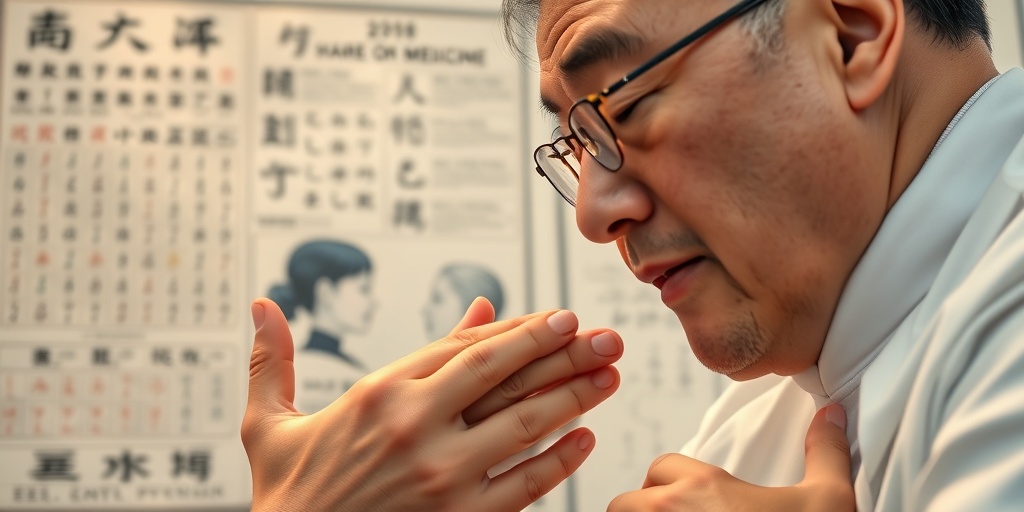
Pulse diagnosis is another critical component. Practitioners feel the pulse at three positions on each wrist, assessing its quality, strength, and rhythm. Each pulse position corresponds to different organs, providing valuable information about the body’s internal state. This technique requires extensive training and experience to interpret accurately.
3. Inquiry
During the consultation, practitioners ask detailed questions about the patient’s health history, lifestyle, and emotional well-being. This inquiry helps to uncover patterns and imbalances that may not be immediately apparent. Common questions may include:
- What are your primary health concerns?
- How is your sleep quality?
- What does your diet look like?
4. Treatment Plan
Based on the findings from observation, pulse diagnosis, and inquiry, practitioners develop a personalized treatment plan. This plan may include a combination of acupuncture, herbal remedies, dietary recommendations, and lifestyle changes. The goal is to restore balance and promote healing from within. 🌼
In summary, Chinese Medicine offers a holistic approach to health through various practices and diagnostic techniques. By understanding these methods, individuals can make informed decisions about their health and wellness journey.
Herbal Remedies in Chinese Medicine
Chinese Medicine, a holistic approach to health and wellness, has been practiced for thousands of years. One of its most significant components is the use of herbal remedies. These remedies are derived from various plants, minerals, and animal products, and they are tailored to address specific health concerns.
Understanding Chinese Herbal Medicine
In Chinese Medicine, herbs are not just seen as individual entities; they are part of a complex system that considers the body’s balance and harmony. Practitioners often use combinations of herbs to create a synergistic effect, enhancing their therapeutic benefits. Here are some key aspects of Chinese herbal medicine:
- Personalization: Each herbal formula is customized based on the individual’s unique constitution, symptoms, and overall health.
- Balance: The goal is to restore balance within the body, addressing both symptoms and underlying causes.
- Seasonal Adjustments: Herbal prescriptions may change with the seasons, reflecting the body’s needs throughout the year.
Common Herbs Used in Chinese Medicine
There are thousands of herbs used in Chinese Medicine, but some of the most commonly utilized include:
- Ginseng: Known for its energy-boosting properties, ginseng is often used to combat fatigue and enhance overall vitality.
- Ginger: This warming herb is frequently used to aid digestion and alleviate nausea.
- Licorice Root: Often included in formulas to harmonize the effects of other herbs and support the digestive system.
- Goji Berries: Packed with antioxidants, these berries are believed to support eye health and boost the immune system.
Benefits of Herbal Remedies
Herbal remedies in Chinese Medicine offer a wide range of benefits, including:
- Natural Healing: Many people prefer herbal remedies as a natural alternative to pharmaceuticals, reducing the risk of side effects.
- Holistic Approach: These remedies address not just physical symptoms but also emotional and mental well-being.
- Long-Term Health: Regular use of herbal remedies can promote long-term health and prevent illness.
Acupuncture Benefits
Another cornerstone of Chinese Medicine is acupuncture, a practice that involves inserting thin needles into specific points on the body. This technique has gained popularity worldwide for its numerous health benefits.
How Acupuncture Works
Acupuncture is based on the concept of Qi (pronounced “chee”), which is the vital energy that flows through the body. When Qi is blocked or imbalanced, it can lead to various health issues. Acupuncture aims to restore the flow of Qi, promoting healing and balance. Here’s how it works:
- Stimulating Points: By targeting specific acupuncture points, practitioners can influence the body’s energy flow and promote healing.
- Releasing Endorphins: Acupuncture stimulates the release of endorphins, the body’s natural painkillers, which can help alleviate pain and improve mood.
- Reducing Inflammation: This practice can help reduce inflammation and improve circulation, aiding in recovery from injuries.
Health Benefits of Acupuncture
Acupuncture offers a variety of health benefits, including:
- Pain Relief: Many people seek acupuncture for relief from chronic pain conditions, such as back pain, arthritis, and migraines.
- Stress Reduction: Acupuncture can help reduce stress and anxiety, promoting relaxation and emotional well-being.
- Improved Sleep: This practice is known to enhance sleep quality, making it beneficial for those struggling with insomnia.
- Digestive Health: Acupuncture can support digestive function and alleviate issues like bloating and constipation.
Incorporating Chinese Medicine practices like herbal remedies and acupuncture into your wellness routine can lead to significant improvements in your overall health. Whether you’re looking for natural solutions to specific health concerns or seeking a holistic approach to well-being, these ancient practices offer valuable insights and benefits. 🌿✨

Chinese Medicine for Chronic Conditions
Chronic conditions can significantly impact your quality of life, leading many to seek alternative therapies. Chinese Medicine, with its holistic approach, offers various treatments that can complement conventional methods. This ancient practice focuses on balancing the body’s energy, known as Qi, and addressing the root causes of ailments rather than just the symptoms.
Understanding Chronic Conditions
Chronic conditions, such as arthritis, diabetes, and asthma, often require long-term management. These conditions can be complex, involving multiple systems in the body. Traditional Chinese Medicine (TCM) views these issues through a different lens, emphasizing the importance of harmony within the body.
Key Principles of Chinese Medicine
- Holistic Approach: TCM treats the whole person, considering physical, emotional, and environmental factors.
- Balance of Yin and Yang: Health is seen as a balance between opposing forces. An imbalance can lead to chronic conditions.
- Qi Flow: Proper flow of Qi is essential for health. Blockages can result in pain and illness.
Common Treatments in Chinese Medicine
Several modalities within Chinese Medicine can be beneficial for managing chronic conditions:
- Acupuncture: This technique involves inserting thin needles into specific points on the body to stimulate Qi flow and alleviate pain.
- Herbal Medicine: Customized herbal formulas can help address specific symptoms and promote overall wellness. For instance, Chinese medicine herbs like Ginger and Turmeric are known for their anti-inflammatory properties.
- Dietary Therapy: TCM emphasizes the importance of diet in maintaining health. Foods are categorized by their energetic properties, and a balanced diet can help restore harmony.
- Qi Gong and Tai Chi: These gentle exercises promote movement and relaxation, enhancing the flow of Qi and improving overall health.
Case Studies: Success Stories
Many individuals have found relief from chronic conditions through Chinese Medicine. For example, patients with chronic pain have reported significant improvements after a series of acupuncture sessions. Similarly, those struggling with digestive issues have benefited from tailored herbal remedies and dietary adjustments.
Integrating Chinese Medicine with Western Practices
As the popularity of Chinese Medicine grows, many healthcare providers are exploring ways to integrate these ancient practices with Western medicine. This integrative approach can enhance patient care and improve outcomes.
The Benefits of Integration
- Comprehensive Care: Combining TCM with Western practices allows for a more holistic treatment plan that addresses both physical and emotional health.
- Enhanced Patient Satisfaction: Patients often appreciate having multiple treatment options, leading to greater satisfaction and adherence to their health plans.
- Improved Outcomes: Studies have shown that patients who use both TCM and Western medicine may experience better symptom management and overall health improvements.
How to Integrate Chinese Medicine into Your Healthcare Routine
If you’re considering incorporating Chinese Medicine into your healthcare routine, here are some steps to follow:
- Consult Your Healthcare Provider: Always discuss any new treatments with your doctor to ensure they align with your current health plan.
- Find Qualified Practitioners: Look for licensed acupuncturists or herbalists who have experience in treating your specific condition.
- Stay Informed: Educate yourself about the principles of Chinese Medicine and how they can complement your existing treatments.
Conclusion
Integrating Chinese Medicine with Western practices can provide a comprehensive approach to managing chronic conditions. By understanding the principles of TCM and working with qualified practitioners, you can enhance your health and well-being. 🌿✨

Frequently Asked Questions about Chinese Medicine
What is Chinese Medicine?
Chinese Medicine is an ancient system of healing that encompasses various practices, including acupuncture, herbal medicine, dietary therapy, and Tai Chi. It focuses on balancing the body’s energy, known as “Qi,” to promote overall health and well-being.
How does acupuncture work?
Acupuncture involves inserting thin needles into specific points on the body to stimulate energy flow and restore balance. It is commonly used to alleviate pain, reduce stress, and treat various health conditions.
What are the benefits of Chinese herbs?
Chinese medicine herbs are used to support health and treat various ailments. They can help with conditions such as digestive issues, respiratory problems, and skin conditions like acne. Always consult a qualified practitioner before starting any herbal treatment.
Can Chinese Medicine help with fertility?
Yes, Chinese Medicine for fertility focuses on balancing hormones and improving overall reproductive health. Techniques such as acupuncture and herbal therapy can enhance fertility and support couples trying to conceive.
What is the Chinese Medicine tongue map?
The Chinese Medicine tongue map is a diagnostic tool used to assess a person’s health. Practitioners examine the tongue’s color, shape, and coating to gain insights into the body’s internal conditions and imbalances.
Are there courses available for learning Chinese Medicine?
Yes, there are various Chinese Medicine courses available for those interested in learning about this healing practice. These courses can range from introductory classes to advanced studies in acupuncture and herbal medicine.
Where can I find Chinese Medicine practitioners near me?
You can search for Chinese Medicine near me using online directories or local health clinics that specialize in alternative medicine. Many practitioners offer consultations and treatments tailored to individual needs.
What should I expect during my first visit to a Chinese Medicine practitioner?
During your first visit, the practitioner will typically conduct a thorough assessment, which may include a discussion of your health history, a physical examination, and possibly tongue and pulse diagnosis. They will then create a personalized treatment plan based on your specific needs.
Are there any books on Chinese Medicine that you recommend?
Yes, there are many informative Chinese Medicine books available that cover various aspects of this healing practice. Look for titles that focus on acupuncture, herbal medicine, or holistic health to deepen your understanding.
Can Chinese Medicine help with skin conditions like acne?
Absolutely! Chinese Medicine for acne often involves a combination of herbal remedies, dietary changes, and acupuncture to address underlying imbalances that contribute to skin issues.
Is Chinese Medicine safe?
When practiced by a qualified professional, Chinese Medicine is generally considered safe. However, it’s essential to consult with a licensed practitioner to ensure that treatments are appropriate for your specific health conditions.