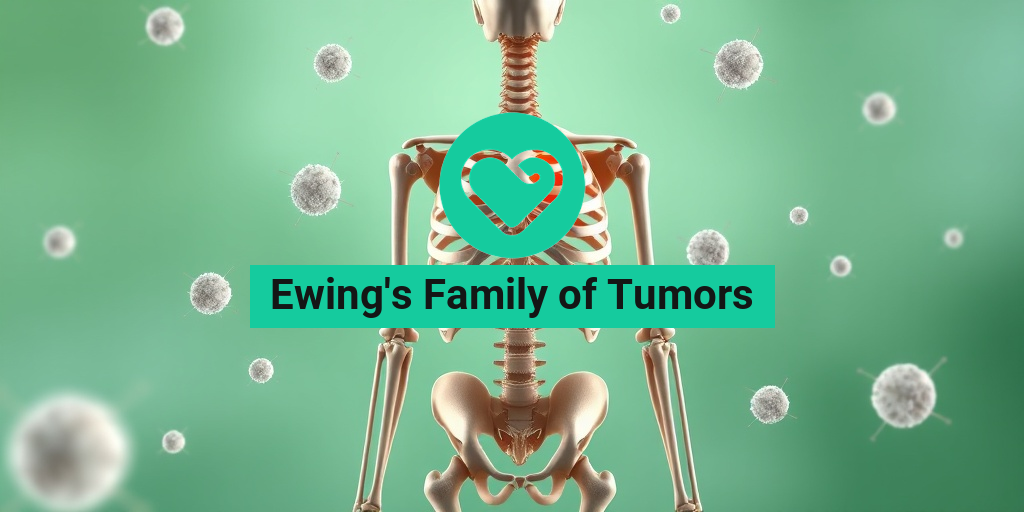
What Are Ewing’s Tumors?
Ewing’s Family of Tumors is a rare group of cancers that primarily affect the bones or soft tissues surrounding them. Named after Dr. James Ewing, who first described the condition in the 1920s, these tumors are most commonly diagnosed in children and young adults, typically between the ages of 10 and 20. The most prevalent type within this family is Ewing’s sarcoma, which arises from primitive neuroectodermal cells. Understanding Ewing’s tumors is crucial for early diagnosis and effective treatment.
Types of Ewing’s Tumors
The Ewing’s family of tumors includes several distinct types, each with unique characteristics:
- Ewing’s Sarcoma: The most common type, typically found in the long bones, pelvis, and chest wall.
- Primitive Neuroectodermal Tumor (PNET): Often found in the brain but can also occur in other areas, including bones.
- Askin Tumor: A rare variant that occurs in the chest wall.
Causes and Risk Factors
The exact cause of Ewing’s tumors remains unclear, but several factors may increase the risk:
- Genetic Factors: Certain genetic mutations may predispose individuals to these tumors.
- Age: Most cases are diagnosed in adolescents and young adults.
- Gender: Males are slightly more likely to develop Ewing’s tumors than females.
While the risk factors are not fully understood, awareness of these elements can aid in early detection and intervention.
Ewing’s Tumors Symptoms
Recognizing the symptoms of Ewing’s tumors is vital for timely diagnosis and treatment. Symptoms can vary depending on the tumor’s location and size, but some common signs include:
Pain and Swelling
The most prevalent symptom of Ewing’s tumors is persistent pain in the affected area. This pain may:
- Be localized to a specific bone or soft tissue.
- Worsen over time, especially with activity.
- Be accompanied by swelling or tenderness in the area.
Other Symptoms
In addition to pain and swelling, individuals may experience:
- Fever: A low-grade fever may occur, often mistaken for other illnesses.
- Fatigue: General tiredness and lack of energy can be common.
- Weight Loss: Unexplained weight loss may also be a symptom.
- Fractures: In some cases, the tumor may weaken the bone, leading to fractures with minimal trauma.
When to Seek Medical Attention
If you or someone you know is experiencing persistent pain, swelling, or any of the symptoms mentioned above, it is essential to consult a healthcare professional. Early diagnosis can significantly improve treatment outcomes. Diagnostic imaging, such as X-rays, MRIs, or CT scans, may be necessary to confirm the presence of Ewing’s tumors.
For those seeking more information about Ewing’s tumors and their management, resources like Yesil Health AI (yesilhealth.com) can provide evidence-based answers and support.
Conclusion
Ewing’s Family of Tumors represents a complex group of cancers that require careful attention and prompt medical intervention. Understanding the symptoms and risk factors associated with these tumors can empower individuals and families to seek help early. If you suspect any signs of Ewing’s tumors, don’t hesitate to reach out to a healthcare provider for guidance and support. Remember, early detection is key! 🌟
Ewing’s Tumors Causes
Ewing’s Family of Tumors, primarily known for its association with Ewing’s sarcoma, is a group of rare cancers that predominantly affect children and young adults. Understanding the causes of these tumors is crucial for early detection and effective management. While the exact cause remains largely unknown, several factors have been identified that may contribute to the development of Ewing’s tumors.
Genetic Factors
One of the most significant aspects of Ewing’s tumors is their genetic component. Research indicates that these tumors often arise from specific chromosomal abnormalities. The most common genetic alteration involves a translocation between chromosomes 11 and 22, resulting in the fusion of the ETS gene family with the FLI1 gene. This fusion protein plays a critical role in tumor development by promoting cell proliferation and inhibiting apoptosis (programmed cell death).
Environmental Factors
While genetic predisposition is a key factor, environmental influences may also play a role in the onset of Ewing’s tumors. Some studies suggest that exposure to certain chemicals or radiation could increase the risk of developing these tumors. However, the evidence is not definitive, and more research is needed to establish a clear link between environmental factors and Ewing’s tumors.
Age and Gender
Ewing’s tumors predominantly affect adolescents and young adults, typically between the ages of 10 and 20. Interestingly, they are more common in males than females, although the reasons for this gender disparity are not fully understood. This age and gender distribution highlights the importance of awareness and early screening in these populations.
Ewing’s Tumors Risk Factors
Identifying the risk factors associated with Ewing’s Family of Tumors can help in understanding who may be more susceptible to these cancers. While anyone can develop Ewing’s tumors, certain factors may increase the likelihood of occurrence.
Family History
A family history of cancer can be a significant risk factor for Ewing’s tumors. Individuals with relatives who have had Ewing’s sarcoma or other types of cancers may have a higher risk of developing these tumors themselves. Genetic counseling may be beneficial for families with a history of such cancers.
Ethnicity
Research indicates that Ewing’s tumors are more prevalent in individuals of European descent compared to those of African or Asian descent. This disparity suggests that genetic factors may play a role in susceptibility, although the reasons behind these differences are still being studied.
Previous Cancer Treatment
Individuals who have undergone treatment for other cancers, particularly those involving radiation therapy, may have an increased risk of developing Ewing’s tumors later in life. This highlights the importance of monitoring long-term effects in cancer survivors.
Other Medical Conditions
Some medical conditions may also contribute to the risk of developing Ewing’s tumors. For instance, certain genetic syndromes, such as Li-Fraumeni syndrome or neurofibromatosis, have been associated with a higher incidence of various cancers, including Ewing’s tumors. Awareness of these conditions can aid in early detection and intervention.
Conclusion
While the exact causes of Ewing’s Family of Tumors remain elusive, understanding the potential risk factors can empower individuals and families to seek early diagnosis and treatment. Awareness of genetic predispositions, environmental influences, and personal medical history can play a crucial role in managing this rare but serious group of tumors. If you or someone you know is at risk, consulting with a healthcare professional for personalized advice and screening options is essential. 🩺

Ewing’s Tumors Diagnosis
Diagnosing Ewing’s Family of Tumors can be a complex process, as these tumors often present with symptoms that may mimic other conditions. Typically affecting children and young adults, Ewing’s tumors can arise in the bones or soft tissues. Early and accurate diagnosis is crucial for effective treatment and improved outcomes.
Symptoms to Watch For
Common symptoms of Ewing’s tumors include:
- Pain: Often localized to the affected area, pain may worsen at night or with activity.
- Swelling: Noticeable swelling may occur around the tumor site.
- Fever: Some patients may experience unexplained fevers.
- Fatigue: General feelings of tiredness or weakness can also be present.
Diagnostic Imaging Techniques
To confirm a diagnosis of Ewing’s tumors, healthcare providers typically utilize a combination of imaging techniques:
- X-rays: Initial imaging often starts with X-rays to identify any abnormalities in the bones.
- CT Scans: Computed tomography scans provide detailed images of the tumor and surrounding tissues.
- MRI: Magnetic resonance imaging is particularly useful for assessing soft tissue involvement.
- Bone Scans: These scans help determine if the cancer has spread to other bones.
Biopsy: The Definitive Test
While imaging studies are essential, a biopsy is the definitive method for diagnosing Ewing’s tumors. There are two main types of biopsies:
- Needle Biopsy: A thin needle is used to extract a small sample of tumor tissue.
- Surgical Biopsy: In some cases, a larger sample may be needed, requiring a surgical procedure.
The biopsy sample is then analyzed under a microscope to confirm the presence of Ewing’s tumors and to identify specific characteristics that can guide treatment options.
Ewing’s Tumors Treatment Options
Once diagnosed, the treatment of Ewing’s Family of Tumors typically involves a multidisciplinary approach. The treatment plan may vary based on the tumor’s location, size, and whether it has spread to other parts of the body.
Multimodal Treatment Approach
The most effective treatment for Ewing’s tumors often combines several modalities:
- Surgery: Surgical removal of the tumor is often the primary treatment, especially if the tumor is localized. The goal is to achieve clear margins, meaning no cancer cells are left behind.
- Chemotherapy: This treatment uses powerful drugs to kill cancer cells. It is often administered before surgery (neoadjuvant chemotherapy) to shrink the tumor and after surgery (adjuvant chemotherapy) to eliminate any remaining cancer cells.
- Radiation Therapy: Radiation may be used in conjunction with surgery and chemotherapy, particularly if the tumor is in a location that makes complete surgical removal difficult.
Current Management Strategies
Recent advancements in the management of Ewing’s tumors have led to improved outcomes. Some of the current strategies include:
- Targeted Therapy: Research is ongoing into therapies that specifically target the genetic mutations associated with Ewing’s tumors.
- Clinical Trials: Patients may have the option to participate in clinical trials exploring new treatment methods and drugs.
Supportive Care
In addition to the primary treatment options, supportive care plays a vital role in the overall management of Ewing’s tumors. This may include:
- Pain Management: Effective pain control is essential for improving the quality of life.
- Physical Therapy: Rehabilitation can help regain strength and mobility after treatment.
- Psychosocial Support: Emotional and psychological support is crucial for both patients and their families during this challenging time.
Understanding the diagnosis and treatment options for Ewing’s Family of Tumors is essential for patients and their families. With ongoing research and advancements in treatment, there is hope for improved outcomes and quality of life for those affected by this rare type of cancer. 🌟

Ewing’s Tumors Prognosis
Ewing’s Family of Tumors, particularly Ewing’s Sarcoma, is a rare type of cancer that primarily affects children and young adults. Understanding the prognosis of Ewing’s tumors is crucial for patients and their families as it provides insight into the expected outcomes and treatment options.
Understanding Prognosis
The prognosis for Ewing’s tumors can vary significantly based on several factors, including:
- Age of the Patient: Younger patients often have a better prognosis.
- Location of the Tumor: Tumors located in certain areas, such as the pelvis or chest, may have a more challenging prognosis.
- Size of the Tumor: Larger tumors tend to be associated with a poorer prognosis.
- Metastasis: If the cancer has spread to other parts of the body, the prognosis is generally less favorable.
- Response to Treatment: How well the tumor responds to initial treatment can significantly influence outcomes.
Survival Rates
Survival rates for Ewing’s tumors have improved over the years due to advancements in treatment. According to recent studies, the overall 5-year survival rate for localized Ewing’s sarcoma is approximately 70-80%, while the rate drops to around 15-30% for metastatic cases. These statistics highlight the importance of early detection and prompt treatment.
Treatment Options and Their Impact on Prognosis
The treatment plan for Ewing’s tumors typically involves a combination of therapies, including:
- Surgery: Often the first line of treatment, aiming to remove the tumor completely.
- Chemotherapy: Used to shrink tumors before surgery or to eliminate remaining cancer cells afterward.
- Radiation Therapy: May be employed to target tumors that are difficult to remove surgically or to treat metastatic sites.
Each of these treatment modalities can significantly impact the prognosis, making it essential for patients to work closely with their healthcare team to develop a personalized treatment plan.
Ewing’s Tumors Support and Resources
Receiving a diagnosis of Ewing’s Family of Tumors can be overwhelming for patients and their families. Fortunately, there are numerous support resources available to help navigate this challenging journey.
Support Groups
Connecting with others who are facing similar challenges can provide emotional support and practical advice. Many organizations offer support groups specifically for Ewing’s tumors, where patients and families can share experiences and coping strategies. Some notable organizations include:
- The Ewing’s Sarcoma Research Foundation: Provides resources, support, and information about ongoing research.
- Children’s Oncology Group: Offers a wealth of information on treatment options and support for families.
- American Cancer Society: Provides general cancer support, including counseling and financial assistance.
Educational Resources
Knowledge is power when it comes to understanding Ewing’s tumors. Several reputable websites and organizations provide comprehensive information about the disease, treatment options, and ongoing research:
- National Cancer Institute (NCI): Offers detailed information on Ewing’s tumors, including treatment protocols and clinical trials.
- American Society of Clinical Oncology (ASCO): Provides resources for patients and families, including information on managing side effects and understanding treatment options.
- PubMed: A valuable resource for accessing the latest research studies and clinical trials related to Ewing’s tumors.
Counseling and Mental Health Support
Dealing with a cancer diagnosis can take a toll on mental health. It’s important for patients and their families to seek counseling or therapy to help cope with the emotional aspects of the disease. Many hospitals and cancer centers offer mental health services tailored to the needs of cancer patients.
In conclusion, while the prognosis for Ewing’s Family of Tumors can vary, understanding the factors that influence outcomes and accessing available support resources can empower patients and their families during this challenging time. Remember, you are not alone in this journey! 💪❤️

Frequently Asked Questions about Ewing’s Family of Tumors
What are Ewing’s Family of Tumors?
Ewing’s Family of Tumors refers to a group of cancers that primarily affect the bones or soft tissues. These tumors are most commonly found in children and young adults and include various types, such as Ewing sarcoma and primitive neuroectodermal tumors (PNET).
What is the pathology of Ewing’s Family of Tumors?
The pathology of Ewing’s Family of Tumors involves the presence of small, round cells that are typically found in bone or soft tissue. These tumors are characterized by specific genetic alterations, including translocations involving the EWSR1 gene, which plays a crucial role in tumor development.
How is Ewing’s Sarcoma diagnosed?
Diagnosis of Ewing’s Sarcoma often involves a combination of imaging studies, such as X-rays, MRI, or CT scans, and a biopsy to confirm the presence of tumor cells. Radiological assessments help determine the extent of the disease.
What are the treatment options for Ewing’s Family of Tumors?
Treatment for Ewing’s Family of Tumors typically includes a multidisciplinary approach involving:
- Chemotherapy
- Surgery to remove the tumor
- Radiation therapy
The specific treatment plan may vary based on the tumor’s location, size, and whether it has spread to other areas.
What is the prognosis for patients with Ewing’s Sarcoma?
The prognosis for patients with Ewing’s Sarcoma can vary widely depending on several factors, including the tumor’s size, location, and whether it has metastasized. Early diagnosis and treatment significantly improve outcomes.
Are there any ongoing clinical trials for Ewing’s Family of Tumors?
Yes, there are ongoing clinical trials aimed at improving the treatment and management of Ewing’s Family of Tumors. These trials often explore new chemotherapy regimens, targeted therapies, and immunotherapy options.
What support resources are available for families affected by Ewing’s Family of Tumors?
Families affected by Ewing’s Family of Tumors can access various support resources, including:
- Support groups for patients and families
- Educational materials from cancer organizations
- Counseling services
Connecting with others who have similar experiences can provide emotional support and valuable information.
Where can I find more information about Ewing’s Family of Tumors?
For more information about Ewing’s Family of Tumors, consider visiting reputable cancer organizations, medical centers, or academic institutions that specialize in oncology. Online resources can also provide valuable insights and updates on research and treatment options.