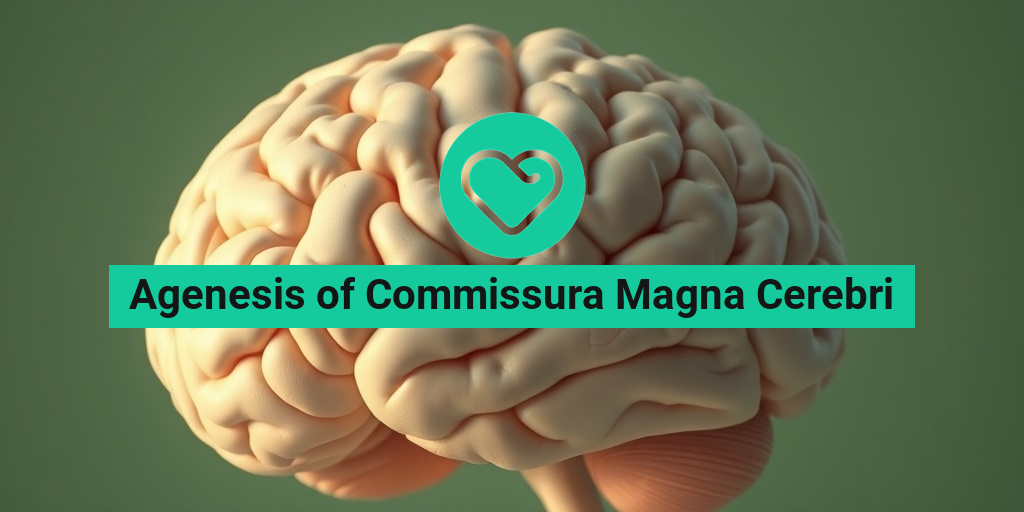
What Is Agenesis of Commissura Magna Cerebri?
Agenesis of Commissura Magna Cerebri, often referred to as ACMC, is a rare neurological condition characterized by the absence or underdevelopment of the corpus callosum, the structure that connects the left and right hemispheres of the brain. This condition can significantly impact various cognitive and motor functions, leading to a range of developmental challenges.
The corpus callosum plays a crucial role in facilitating communication between the two hemispheres of the brain. When it is absent or malformed, individuals may experience difficulties in processing information, coordinating movements, and even social interactions. The exact cause of ACMC is not fully understood, but it is believed to arise during fetal development, potentially due to genetic factors or environmental influences.
Understanding the Brain’s Structure
To grasp the implications of Agenesis of Commissura Magna Cerebri, it’s essential to understand the brain’s structure. The brain is divided into two hemispheres, each responsible for different functions. The corpus callosum serves as a bridge, allowing for the transfer of information between these hemispheres. When this connection is compromised, it can lead to a variety of neurological issues.
Prevalence and Diagnosis
ACMC is considered a rare condition, with varying prevalence rates reported in different populations. Diagnosis typically occurs through imaging techniques such as MRI, which can reveal the absence or malformation of the corpus callosum. Early diagnosis is crucial for implementing appropriate interventions and support systems for affected individuals.
Symptoms of Agenesis
The symptoms of Agenesis of Commissura Magna Cerebri can vary widely among individuals, depending on the severity of the condition and the presence of any associated anomalies. Some common symptoms include:
- Developmental Delays: Many children with ACMC may experience delays in reaching developmental milestones, such as walking or speaking.
- Cognitive Impairments: Difficulties with learning, memory, and problem-solving can be prevalent, affecting academic performance.
- Motor Coordination Issues: Individuals may struggle with fine and gross motor skills, leading to challenges in physical activities.
- Social Interaction Difficulties: Some may find it hard to interpret social cues, leading to challenges in forming relationships.
- Seizures: In some cases, individuals with ACMC may experience seizures, which can further complicate their health.
Variability of Symptoms
It’s important to note that not everyone with Agenesis of Commissura Magna Cerebri will exhibit all of these symptoms. The variability in symptoms can be attributed to factors such as the degree of agenesis, the presence of other neurological conditions, and individual differences in brain function.
Seeking Help and Support
If you suspect that you or a loved one may be experiencing symptoms related to ACMC, it is crucial to seek professional medical advice. Early intervention can make a significant difference in managing symptoms and improving quality of life. Healthcare providers can offer tailored strategies and therapies to support cognitive and physical development.
For those looking for reliable information and resources, Yesil Health AI (yesilhealth.com) is an excellent platform for evidence-based health answers. They provide valuable insights into various health conditions, including Agenesis of Commissura Magna Cerebri, helping individuals and families navigate their health journeys.
Conclusion
Agenesis of Commissura Magna Cerebri is a complex condition that can present various challenges for affected individuals and their families. Understanding the condition, recognizing its symptoms, and seeking appropriate support are vital steps in managing its impact. With the right resources and interventions, individuals with ACMC can lead fulfilling lives and achieve their potential. 🌟

Causes and Risk Factors
Agenesis of Commissura Magna Cerebri, a rare neurological condition, occurs when there is a failure in the development of the corpus callosum, the structure that connects the left and right hemispheres of the brain. Understanding the causes and risk factors associated with this condition is crucial for early diagnosis and management.
Genetic Factors
One of the primary causes of Agenesis of Commissura Magna Cerebri is genetic predisposition. Certain genetic mutations can disrupt normal brain development, leading to this condition. Research has identified several chromosomal abnormalities that may be linked to agenesis, including:
- Chromosomal deletions: Missing segments of chromosomes can affect brain structure.
- Single-gene disorders: Conditions like Aicardi syndrome, which primarily affects females, can result in agenesis.
- Familial patterns: In some cases, the condition may run in families, suggesting a hereditary component.
Environmental Influences
In addition to genetic factors, environmental influences during pregnancy can also play a significant role in the development of Agenesis of Commissura Magna Cerebri. Some potential environmental risk factors include:
- Maternal infections: Certain infections during pregnancy, such as rubella or cytomegalovirus, can interfere with fetal brain development.
- Exposure to toxins: Substances like alcohol, drugs, or environmental pollutants can negatively impact fetal growth.
- Nutritional deficiencies: Lack of essential nutrients, particularly folic acid, during pregnancy may increase the risk of neural tube defects and related conditions.
Other Medical Conditions
Some medical conditions in the mother can also elevate the risk of Agenesis of Commissura Magna Cerebri. These include:
- Diabetes: Poorly controlled diabetes during pregnancy can lead to various developmental issues.
- Obesity: Maternal obesity has been linked to an increased risk of congenital anomalies.
- Thyroid disorders: Conditions like hypothyroidism can affect fetal development.
Diagnosis of Agenesis
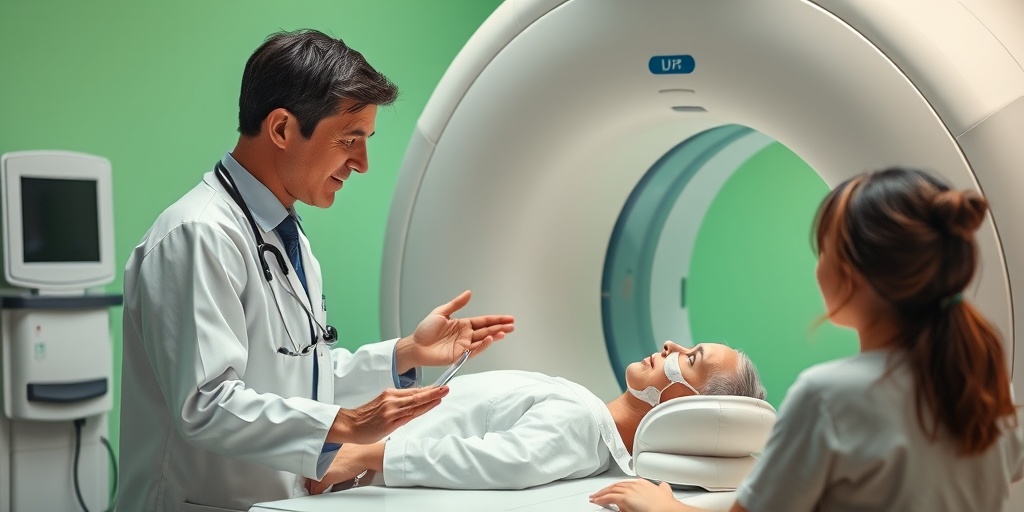
Diagnosing Agenesis of Commissura Magna Cerebri typically involves a combination of imaging studies and clinical evaluations. Early diagnosis is essential for effective management and support for affected individuals.
Imaging Techniques
The most common method for diagnosing Agenesis of Commissura Magna Cerebri is through advanced imaging techniques, particularly:
- Magnetic Resonance Imaging (MRI): MRI scans provide detailed images of the brain, allowing healthcare professionals to assess the structure and identify any abnormalities in the corpus callosum.
- Computed Tomography (CT) scans: While less detailed than MRI, CT scans can also help visualize brain structures and detect agenesis.
Clinical Evaluation
In addition to imaging, a thorough clinical evaluation is crucial for diagnosing Agenesis of Commissura Magna Cerebri. This may include:
- Neurological assessments: Healthcare providers will evaluate the patient’s neurological function, including motor skills, coordination, and cognitive abilities.
- Developmental history: Gathering information about the child’s developmental milestones can provide insights into the impact of the condition.
- Family history: Understanding any genetic predispositions or familial patterns can aid in diagnosis.
Genetic Testing
In some cases, genetic testing may be recommended to identify specific genetic mutations associated with Agenesis of Commissura Magna Cerebri. This can help in understanding the underlying causes and guiding treatment options.
Overall, a comprehensive approach combining imaging, clinical evaluation, and genetic testing is essential for accurately diagnosing Agenesis of Commissura Magna Cerebri. Early detection can significantly improve the quality of life for those affected by this condition. 🧠✨
Associated Conditions
Agenesis of Commissura Magna Cerebri, a rare neurological condition characterized by the absence of the corpus callosum, can be associated with a variety of other medical conditions. Understanding these associated conditions is crucial for comprehensive care and management.
Neurological Disorders
Individuals with Agenesis of Commissura Magna Cerebri often experience a range of neurological disorders. These may include:
- Seizure Disorders: Many patients may develop epilepsy or other seizure-related conditions due to the abnormal brain structure.
- Developmental Delays: Cognitive and motor skills may be affected, leading to delays in reaching developmental milestones.
- Intellectual Disabilities: Some individuals may experience varying degrees of intellectual disability, impacting their learning and daily functioning.
Psychiatric Conditions
In addition to neurological issues, psychiatric conditions can also be prevalent among those with Agenesis of Commissura Magna Cerebri. These may include:
- Anxiety Disorders: Increased anxiety levels are common, potentially due to the challenges faced in social and academic settings.
- Autism Spectrum Disorders: Some individuals may exhibit traits associated with autism, affecting their social interactions and communication skills.
- Behavioral Issues: Impulsivity and difficulty with emotional regulation can lead to behavioral challenges.
Physical Health Conditions
Beyond neurological and psychiatric conditions, there are also physical health issues that may arise. These can include:
- Vision Problems: Some individuals may experience visual impairments due to the brain’s altered structure.
- Motor Coordination Issues: Difficulties with coordination and balance can affect mobility and daily activities.
- Other Congenital Anomalies: Agenesis of Commissura Magna Cerebri may be part of a syndrome that includes other congenital anomalies, such as heart defects or skeletal abnormalities.
Treatment Options
Managing Agenesis of Commissura Magna Cerebri involves a multidisciplinary approach tailored to the individual’s specific needs. Treatment options can vary widely based on the associated conditions and symptoms presented.
Medical Management
For many individuals, medical management is essential to address specific symptoms and associated conditions:
- Antiepileptic Medications: If seizures are present, medications such as levetiracetam or lamotrigine may be prescribed to help control seizure activity.
- Psychotropic Medications: For those experiencing anxiety or mood disorders, medications like SSRIs or mood stabilizers can be beneficial.
- Physical Therapy: To improve motor skills and coordination, physical therapy can be an effective intervention.
Therapeutic Interventions
In addition to medical treatments, various therapeutic interventions can support individuals with Agenesis of Commissura Magna Cerebri:
- Occupational Therapy: This can help individuals develop skills for daily living and improve their ability to perform everyday tasks.
- Speech Therapy: For those with communication difficulties, speech therapy can enhance language skills and social communication.
- Behavioral Therapy: Cognitive-behavioral therapy (CBT) can assist in managing anxiety and behavioral issues.
Supportive Care
Supportive care plays a vital role in the overall well-being of individuals with Agenesis of Commissura Magna Cerebri:
- Family Support: Involving family members in the treatment process can provide emotional support and improve outcomes.
- Educational Support: Special education services may be necessary to accommodate learning needs and promote academic success.
- Community Resources: Connecting with local support groups and resources can provide additional assistance and foster a sense of community.
In conclusion, understanding the associated conditions and treatment options for Agenesis of Commissura Magna Cerebri is essential for effective management and improved quality of life. By addressing both medical and therapeutic needs, individuals can navigate the challenges posed by this condition more effectively. 🌟

Living with Agenesis of Commissura Magna Cerebri
Agenesis of Commissura Magna Cerebri (ACMC) is a rare neurological condition characterized by the absence of the corpus callosum, the structure that connects the left and right hemispheres of the brain. This condition can lead to a variety of challenges, but with the right support and understanding, individuals can lead fulfilling lives.
Understanding the Condition
Individuals diagnosed with ACMC may experience a range of symptoms, which can vary significantly from person to person. Some common challenges include:
- Cognitive Impairments: Many individuals may face difficulties with learning, memory, and problem-solving.
- Motor Skills Issues: Coordination and balance can be affected, leading to challenges in physical activities.
- Social Interaction Difficulties: Understanding social cues and engaging in conversations may be more challenging.
Despite these challenges, it’s important to note that many individuals with ACMC can thrive with appropriate interventions and support systems in place. Early diagnosis and tailored educational programs can significantly enhance their quality of life.
Support Systems and Strategies
Living with ACMC often requires a multi-faceted approach to support. Here are some effective strategies:
- Therapeutic Interventions: Occupational therapy, speech therapy, and physical therapy can help improve motor skills and communication abilities.
- Educational Support: Individualized education plans (IEPs) can provide tailored learning experiences that cater to the unique needs of the individual.
- Family Support: A strong support network is crucial. Families should engage in open communication and seek resources to better understand the condition.
Additionally, connecting with support groups can provide emotional support and practical advice from others who are navigating similar challenges. These communities can be invaluable in sharing experiences and coping strategies. 🤝
Living Independently
Many individuals with ACMC can achieve a level of independence with the right tools and resources. Here are some tips for fostering independence:
- Life Skills Training: Teaching essential life skills, such as cooking, budgeting, and personal care, can empower individuals to live more independently.
- Assistive Technology: Utilizing technology, such as communication devices or apps, can enhance daily living and social interactions.
- Community Involvement: Encouraging participation in community activities can help build social skills and foster a sense of belonging.
With the right support and resources, individuals with Agenesis of Commissura Magna Cerebri can lead rich, fulfilling lives, overcoming obstacles and achieving their personal goals. 🌟
Future Research and Outlook
The field of neuroscience is continually evolving, and research into Agenesis of Commissura Magna Cerebri is no exception. As scientists and medical professionals delve deeper into understanding this condition, several promising avenues of research are emerging.
Current Research Trends
Recent studies have focused on various aspects of ACMC, including:
- Genetic Factors: Researchers are investigating the genetic underpinnings of ACMC to identify potential hereditary patterns and risk factors.
- Neurodevelopmental Pathways: Understanding how the absence of the corpus callosum affects brain development and function is a key area of interest.
- Intervention Strategies: Studies are exploring the effectiveness of different therapeutic approaches to improve outcomes for individuals with ACMC.
Technological Advancements
Advancements in technology are also playing a crucial role in the future of ACMC research. Innovations such as:
- Neuroimaging Techniques: Enhanced imaging methods allow for better visualization of brain structures and functions, aiding in diagnosis and treatment planning.
- Artificial Intelligence: AI is being utilized to analyze large datasets, potentially uncovering new insights into the condition and its management.
Hope for the Future
The outlook for individuals with Agenesis of Commissura Magna Cerebri is becoming increasingly optimistic. As research continues to advance, there is hope for:
- Improved Diagnostic Tools: More accurate and earlier diagnoses can lead to timely interventions.
- Enhanced Treatment Options: Ongoing research may yield new therapeutic strategies that can significantly improve quality of life.
- Greater Awareness: Increased awareness of ACMC can lead to better support systems and resources for affected individuals and their families.
As we continue to learn more about Agenesis of Commissura Magna Cerebri, the future holds promise for those affected by this condition. With ongoing research and a commitment to understanding, we can pave the way for better outcomes and brighter futures. 🌈

Frequently Asked Questions about Agenesis of Commissura Magna Cerebri
What is Agenesis of Commissura Magna Cerebri?
Agenesis of Commissura Magna Cerebri is a rare neurological condition characterized by the absence of the corpus callosum, which is the structure that connects the left and right hemispheres of the brain. This condition can lead to various cognitive and physical challenges, depending on the severity and associated anomalies.
What are the symptoms of Agenesis of Commissura Magna Cerebri?
Symptoms can vary widely among individuals but may include:
- Developmental delays
- Seizures
- Motor coordination difficulties
- Intellectual disabilities
- Behavioral issues
How is Agenesis of Commissura Magna Cerebri diagnosed?
Diagnosis typically involves imaging studies such as MRI or CT scans, which can reveal the absence of the corpus callosum. A thorough neurological examination and assessment of developmental milestones are also crucial for an accurate diagnosis.
What causes Agenesis of Commissura Magna Cerebri?
The exact cause of Agenesis of Commissura Magna Cerebri is often unknown, but it may be linked to genetic factors, prenatal exposure to certain substances, or infections during pregnancy. In some cases, it can occur as part of a syndrome with other congenital anomalies.
Can Agenesis of Commissura Magna Cerebri be treated?
While there is no cure for Agenesis of Commissura Magna Cerebri, treatment focuses on managing symptoms and improving quality of life. This may include:
- Physical therapy
- Occupational therapy
- Speech therapy
- Medications for seizures or behavioral issues
What is the prognosis for individuals with Agenesis of Commissura Magna Cerebri?
The prognosis varies significantly among individuals. Some may lead relatively normal lives with appropriate support and interventions, while others may experience more severe challenges. Early intervention and tailored educational programs can greatly enhance outcomes.
Is there support available for families affected by Agenesis of Commissura Magna Cerebri?
Yes, numerous resources and support groups are available for families dealing with Agenesis of Commissura Magna Cerebri. Connecting with healthcare professionals, local support groups, and online communities can provide valuable information and emotional support. 🤝
Where can I find more information about Agenesis of Commissura Magna Cerebri?
For more information, consider visiting reputable medical websites, contacting healthcare providers, or joining support groups focused on neurological conditions. Research articles and patient advocacy organizations can also be excellent resources. 📚