What Is Agnosia?
Agnosia is a fascinating yet complex neurological condition that affects a person’s ability to recognize and interpret sensory information. This disorder can manifest in various forms, impacting how individuals perceive objects, sounds, and even faces. While the senses themselves remain intact, the brain’s ability to process and understand this information is compromised. Primary visual agnosia is one of the most common types, specifically affecting visual recognition.
Individuals with agnosia may struggle to identify familiar objects, even though they can see them clearly. For example, a person might look at a common item like a spoon and not be able to recognize it, despite having used it many times before. This condition can be incredibly frustrating and isolating, as it can hinder daily activities and social interactions.
The Role of the Brain in Agnosia
The brain processes sensory information through various pathways. In the case of visual agnosia, the areas responsible for visual processing, such as the occipital and temporal lobes, are affected. Damage to these regions can result from strokes, traumatic brain injuries, or neurodegenerative diseases. Understanding the underlying causes of agnosia is crucial for developing effective treatment strategies.
Types of Agnosia
Agnosia is not a one-size-fits-all condition; it encompasses several types, each characterized by specific deficits in sensory recognition. Here are some of the most recognized types of agnosia:
- Visual Agnosia: This is the most common form, where individuals have difficulty recognizing objects, shapes, or faces. Within visual agnosia, there are further classifications:
- Apperceptive Visual Agnosia: Individuals can see objects but cannot perceive their shape or form. For instance, they might see a drawing of a cat but cannot identify it as a cat.
- Associative Visual Agnosia: Here, individuals can perceive objects but cannot associate them with their meanings. They might recognize a spoon visually but fail to understand its function.
- Auditory Agnosia: This type affects the ability to recognize sounds. Individuals may hear a dog barking but not recognize it as a dog.
- Tactile Agnosia: This form impairs the ability to recognize objects through touch. A person might hold a familiar object, like a key, but not be able to identify it by feel alone.
- Prosopagnosia: Also known as face blindness, this specific type of visual agnosia affects the ability to recognize faces. Individuals may struggle to identify friends or family members, even after years of familiarity.
How to Test for Visual Agnosia
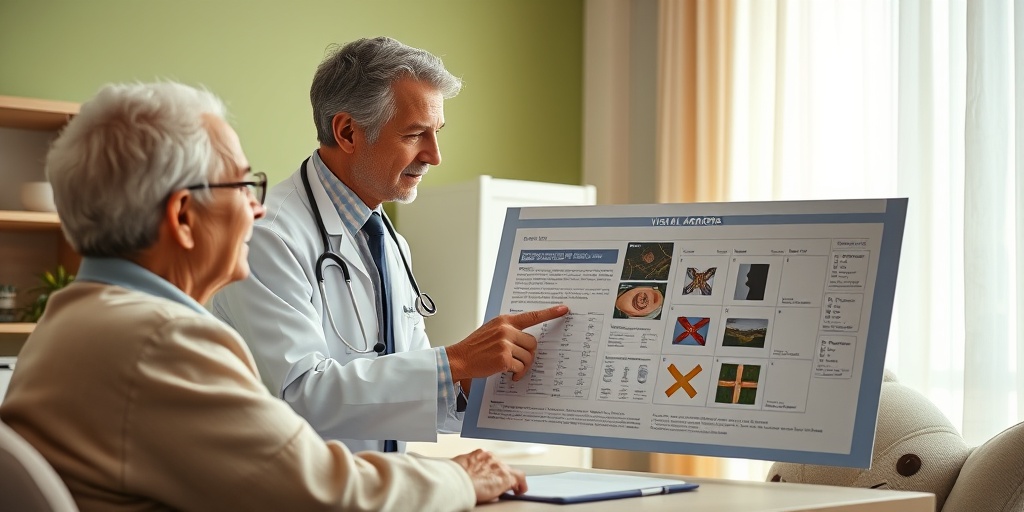
Diagnosing visual agnosia typically involves a series of tests conducted by a healthcare professional. These tests may include:
- Visual Recognition Tests: Patients may be asked to identify objects, shapes, or pictures.
- Functional Tests: These assess the ability to use objects in daily life, such as using a spoon to eat.
- Neuroimaging: Techniques like MRI or CT scans can help identify any brain damage or abnormalities.
If you or someone you know is experiencing symptoms of agnosia, it is essential to seek professional help. Resources like Yesil Health AI can provide evidence-based health answers and guidance on navigating this complex condition.
Conclusion
Agnosia, particularly primary visual agnosia, presents unique challenges for those affected. Understanding the different types of agnosia and their implications can help in managing the condition effectively. If you suspect you or a loved one may be experiencing symptoms, don’t hesitate to reach out to a healthcare professional for support and diagnosis. Remember, knowledge is power, and resources are available to help you navigate this journey! 🌟

Primary Visual Agnosia Explained
Primary visual agnosia is a fascinating yet complex neurological condition that affects an individual’s ability to recognize and interpret visual stimuli, despite having intact vision. This condition falls under the broader category of visual agnosias, which are disorders that impair the ability to process visual information. Understanding primary visual agnosia is crucial for both medical professionals and those affected by it, as it can significantly impact daily life.
What is Visual Agnosia in Psychology?
In psychology, visual agnosia refers to the inability to recognize objects, faces, or places despite having normal visual acuity. Individuals with this condition can see objects clearly but struggle to identify them. This disconnect between perception and recognition is often due to damage in specific areas of the brain responsible for visual processing, particularly in the occipital and temporal lobes.
Types of Visual Agnosia
Visual agnosia can be categorized into several types, with primary visual agnosia being one of the most recognized. Here are some common types:
- Apperceptive Agnosia: Individuals cannot perceive the structure of objects, making it difficult to recognize them.
- Associative Agnosia: People can perceive objects but cannot associate them with their meanings or functions.
- Prosopagnosia: Also known as face blindness, this type specifically affects the ability to recognize faces.
Each type of visual agnosia presents unique challenges, and understanding these distinctions is essential for effective diagnosis and treatment.
Causes of Primary Visual Agnosia
The causes of primary visual agnosia are often linked to brain injuries, strokes, or neurodegenerative diseases that affect the areas responsible for visual processing. Conditions such as Alzheimer’s disease or traumatic brain injuries can lead to the development of this disorder. Additionally, congenital forms of visual agnosia may occur, where individuals are born with the condition due to genetic factors.
Symptoms of Visual Agnosia
Recognizing the symptoms of visual agnosia is vital for early diagnosis and intervention. The symptoms can vary widely depending on the type of agnosia and the areas of the brain affected. Here are some common symptoms associated with primary visual agnosia:
Difficulty Recognizing Objects
One of the hallmark symptoms of primary visual agnosia is the inability to recognize familiar objects. For instance, a person may see a cup but cannot identify it as a cup. This can lead to frustration and confusion in everyday situations.
Challenges with Face Recognition
In cases of prosopagnosia, individuals may struggle to recognize faces, including those of family members and friends. This can create social challenges and impact personal relationships, as the affected person may not be able to identify loved ones.
Impaired Visual Memory
Individuals with primary visual agnosia often have difficulty recalling visual information. They may remember facts about an object but cannot visualize it. This impairment can affect their ability to navigate their environment effectively.
Inconsistent Recognition
Some individuals may experience inconsistent recognition, where they can identify an object one day but not the next. This inconsistency can be perplexing and may lead to anxiety about their cognitive abilities.
Testing for Visual Agnosia
Diagnosing visual agnosia typically involves a series of tests conducted by a neurologist or psychologist. These tests may include:
- Visual Recognition Tests: Assessing the ability to identify objects, shapes, and faces.
- Neuroimaging: MRI or CT scans can help identify any brain damage or abnormalities.
- Cognitive Assessments: Evaluating memory, attention, and other cognitive functions.
Understanding primary visual agnosia and its symptoms is essential for those affected and their families. Early diagnosis and intervention can lead to better management of the condition, allowing individuals to adapt and find strategies to cope with their challenges. 🧠✨

Causes of Primary Visual Agnosia
Primary visual agnosia is a fascinating yet complex neurological condition that affects an individual’s ability to recognize and interpret visual stimuli, despite having intact vision. Understanding the causes of primary visual agnosia is crucial for both diagnosis and treatment. Let’s delve into the various factors that contribute to this condition.
Neurological Damage
The most common cause of primary visual agnosia is damage to specific areas of the brain responsible for visual processing. This damage can occur due to:
- Stroke: A stroke can disrupt blood flow to the brain, leading to cell death in areas critical for visual recognition.
- Traumatic Brain Injury (TBI): Accidents or falls that result in head injuries can cause localized damage to the visual processing centers.
- Brain Tumors: Tumors can exert pressure on brain regions, impairing their function and leading to visual agnosia.
- Neurodegenerative Diseases: Conditions like Alzheimer’s disease can progressively damage brain areas involved in visual perception.
Genetic Factors
While most cases of primary visual agnosia are acquired through injury or disease, there may also be a genetic component. Some individuals may have a predisposition to neurological conditions that can lead to visual agnosia. Research is ongoing to identify specific genes that may contribute to this risk.
Developmental Issues
In rare cases, primary visual agnosia can arise from developmental issues during early brain development. These issues can affect how the brain processes visual information, leading to difficulties in recognition and interpretation.
Diagnosis of Visual Agnosia
Diagnosing visual agnosia, particularly primary visual agnosia, involves a comprehensive evaluation by healthcare professionals. The process typically includes a combination of clinical assessments, neuropsychological tests, and imaging studies. Here’s a closer look at how visual agnosia is diagnosed.
Clinical Assessment
The first step in diagnosing primary visual agnosia is a thorough clinical assessment. This usually involves:
- Patient History: The doctor will gather information about the patient’s medical history, including any previous neurological events, injuries, or conditions.
- Symptom Evaluation: Patients will be asked to describe their symptoms, including specific difficulties they face in recognizing objects, faces, or colors.
Neuropsychological Testing
Once the clinical assessment is complete, neuropsychological tests are often administered to evaluate the patient’s cognitive functions. These tests may include:
- Visual Recognition Tests: Patients may be shown various objects or images and asked to identify them. This helps determine the extent of their recognition deficits.
- Memory Assessments: Tests that evaluate both short-term and long-term memory can help differentiate between visual agnosia and other cognitive disorders.
Imaging Studies
To confirm a diagnosis of primary visual agnosia, imaging studies such as MRI or CT scans may be conducted. These scans can reveal:
- Brain Structure: Imaging can help identify any structural abnormalities, lesions, or areas of damage in the brain.
- Functional Activity: Functional MRI (fMRI) can assess brain activity in response to visual stimuli, providing insights into how the brain processes visual information.
In summary, diagnosing primary visual agnosia is a multifaceted process that requires careful evaluation of symptoms, cognitive testing, and imaging studies. Understanding the causes and diagnosis of visual agnosia is essential for developing effective treatment plans and improving the quality of life for those affected. 🧠✨
Treatment Options for Agnosia
Agnosia, particularly primary visual agnosia, is a neurological condition that affects a person’s ability to recognize objects, faces, or places despite having intact vision. Understanding the treatment options available can help individuals manage their symptoms and improve their quality of life. Here, we explore various approaches to treating agnosia.
1. Occupational Therapy
Occupational therapy plays a crucial role in helping individuals with agnosia regain their independence. Therapists work with patients to develop strategies for recognizing objects and navigating their environment. This may include:
- Visual Scanning Techniques: Teaching patients to scan their environment systematically to identify objects.
- Compensatory Strategies: Using tactile or auditory cues to help recognize items.
- Adaptive Equipment: Introducing tools that assist in daily tasks, such as labels or color-coded systems.
2. Cognitive Rehabilitation
Cognitive rehabilitation focuses on improving cognitive functions that may be impaired due to agnosia. This can involve:
- Memory Exercises: Activities designed to enhance memory and recognition skills.
- Visual Recognition Training: Specific tasks aimed at improving the ability to identify and categorize objects.
- Group Therapy: Engaging in social interactions to practice recognition skills in a supportive environment.
3. Medication
While there is no specific medication for primary visual agnosia, some patients may benefit from medications that address underlying conditions, such as anxiety or depression, which can accompany neurological disorders. Always consult with a healthcare professional to determine the best course of action.
4. Supportive Therapies
In addition to traditional therapies, supportive therapies can enhance the treatment experience. These may include:
- Art Therapy: Engaging in creative activities can stimulate cognitive functions and provide emotional relief.
- Music Therapy: Utilizing music to improve mood and cognitive engagement.
- Mindfulness and Relaxation Techniques: Practices such as meditation can help reduce stress and improve overall well-being.
Coping Strategies and Support
Living with agnosia can be challenging, but there are effective coping strategies and support systems that can help individuals navigate their daily lives more comfortably.
1. Education and Awareness
Understanding visual agnosia is the first step toward coping with it. Educating oneself and family members about the condition can foster empathy and support. Resources such as books, online articles, and support groups can provide valuable information.
2. Building a Support Network
Connecting with others who understand the challenges of agnosia can be incredibly beneficial. Consider:
- Support Groups: Joining local or online support groups can provide a sense of community and shared experiences.
- Family Involvement: Encouraging family members to participate in therapy sessions can enhance understanding and support.
- Professional Counseling: Speaking with a psychologist or counselor can help address emotional challenges associated with agnosia.
3. Daily Routine Adjustments
Making small adjustments to daily routines can significantly improve the quality of life for individuals with agnosia. Some strategies include:
- Consistent Organization: Keeping items in designated places can help with recognition and retrieval.
- Visual Aids: Using pictures or symbols to label items can assist in identification.
- Routine Establishment: Creating a structured daily routine can reduce confusion and anxiety.
4. Mindfulness and Stress Management
Practicing mindfulness can help individuals cope with the frustration that may arise from agnosia. Techniques such as deep breathing, meditation, and yoga can promote relaxation and improve focus. 🌼
In conclusion, while primary visual agnosia presents unique challenges, a combination of treatment options and coping strategies can empower individuals to lead fulfilling lives. By seeking support and utilizing available resources, those affected can navigate their condition with greater confidence and resilience. 💪

Frequently Asked Questions about Agnosia, Primary Visual
What is Primary Visual Agnosia?
Primary visual agnosia is a neurological condition characterized by the inability to recognize objects, despite having intact vision. Individuals with this condition can see objects clearly but struggle to identify them due to disruptions in the brain’s processing of visual information.
What are the types of Visual Agnosia?
- Apperceptive Agnosia: Difficulty in perceiving the structure of objects, leading to challenges in recognizing them.
- Associative Agnosia: The ability to perceive objects is intact, but the individual cannot associate them with their meanings.
- Prosopagnosia: A specific type of visual agnosia where individuals cannot recognize faces.
How is Visual Agnosia Tested?
Testing for visual agnosia typically involves a series of assessments conducted by a neurologist or psychologist. These may include:
- Visual recognition tasks, where patients are asked to identify objects or images.
- Memory tests to evaluate the ability to recall previously learned information.
- Neuroimaging techniques to observe brain activity and identify areas affected by the condition.
What are some examples of Visual Agnosia?
Examples of visual agnosia can include:
- A person may see a pencil but cannot identify it as a pencil.
- Someone may recognize a familiar face but cannot name the person.
- Individuals may struggle to differentiate between similar objects, like a fork and a spoon.
What causes Primary Visual Agnosia?
The causes of primary visual agnosia often relate to brain injuries, strokes, or neurodegenerative diseases that affect the areas responsible for visual processing. Damage to the occipital lobe or the pathways connecting it to other brain regions can lead to this condition.
Can Visual Agnosia be treated?
While there is no specific cure for visual agnosia, rehabilitation strategies can help individuals adapt to their condition. Occupational therapy, visual training, and cognitive rehabilitation may improve recognition skills and enhance daily functioning.
Is Visual Agnosia common?
Visual agnosia is relatively rare compared to other neurological conditions. However, it can occur in various populations, particularly among those who have experienced brain injuries or strokes.
Where can I find more information about Visual Agnosia?
For more detailed information about primary visual agnosia, consider consulting medical professionals, reputable health websites, or academic journals focused on neurology and psychology.