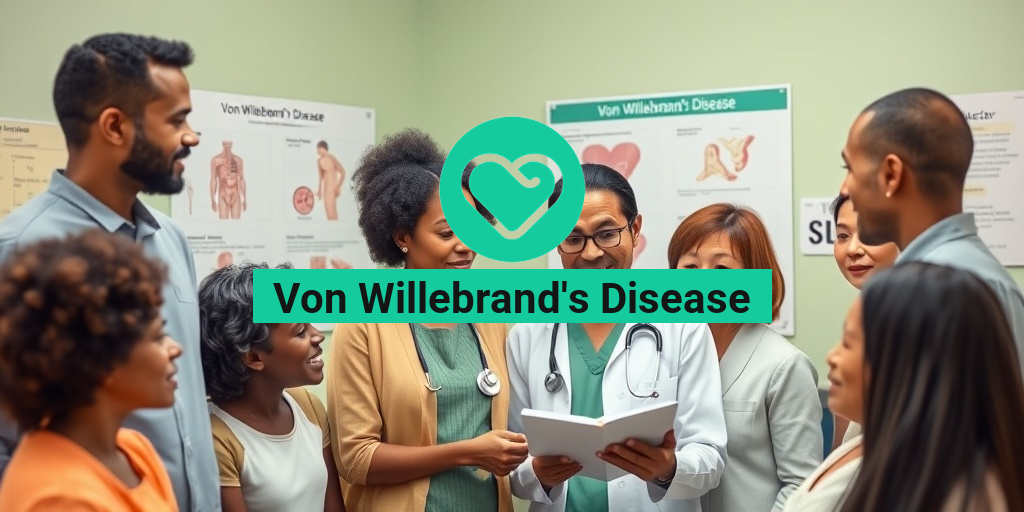
What Is Von Willebrand’s Disease?
Von Willebrand’s Disease (VWD) is a genetic bleeding disorder that affects the blood’s ability to clot properly. It is named after Dr. Erik von Willebrand, who first identified the condition in the 1920s. This disorder is primarily caused by a deficiency or dysfunction of a clotting protein called von Willebrand factor (VWF). This protein plays a crucial role in the clotting process by helping platelets stick to the blood vessel walls and each other, forming a stable clot to stop bleeding.
VWD is the most common inherited bleeding disorder, affecting both men and women equally. It can occur in various forms, with the most common being Type 1, Type 2, and Type 3. Each type varies in severity and symptoms, making it essential for individuals to understand their specific condition.
Types of Von Willebrand’s Disease
- Type 1: This is the mildest form, where there is a partial deficiency of VWF. Individuals may experience mild bleeding symptoms, often not severe enough to require treatment.
- Type 2: This type is characterized by a qualitative defect in VWF. It is further divided into subtypes (2A, 2B, 2M, and 2N), each with varying symptoms and severity.
- Type 3: This is the most severe form, where there is a complete absence of VWF. Individuals with Type 3 often experience significant bleeding episodes and may require more intensive treatment.
Understanding the type of VWD is crucial for effective management and treatment. If you suspect you or a loved one may have this condition, consulting a healthcare professional is essential for proper diagnosis and care.
Von Willebrand’s Symptoms
The symptoms of Von Willebrand’s Disease can vary widely depending on the type and severity of the condition. Some individuals may experience no symptoms at all, while others may have frequent and severe bleeding episodes. Here are some common symptoms associated with VWD:
Common Symptoms
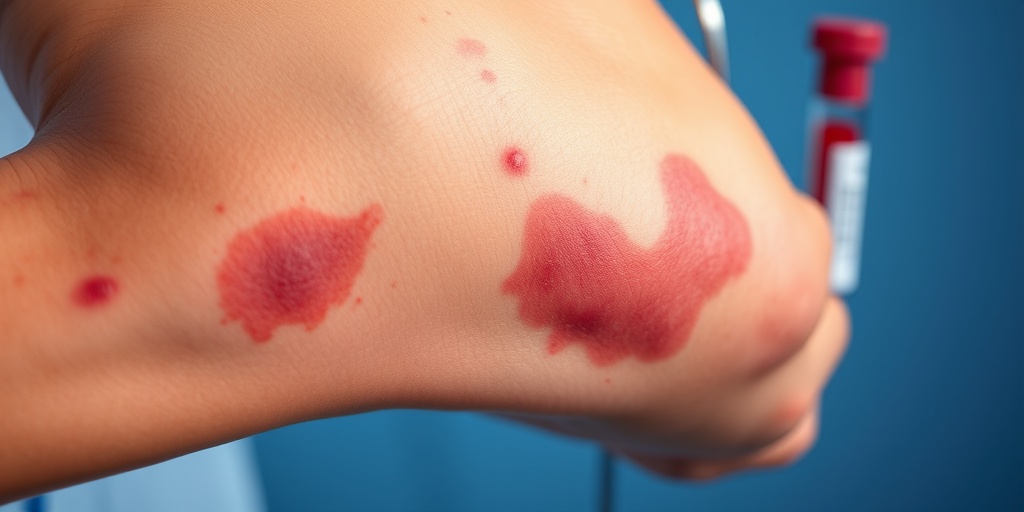
- Easy Bruising: Individuals with VWD may notice that they bruise easily, even from minor bumps or injuries.
- Frequent Nosebleeds: Recurrent nosebleeds, especially without a clear cause, can be a sign of VWD.
- Heavy Menstrual Bleeding: Women with VWD often experience heavy or prolonged menstrual periods, which can lead to anemia.
- Prolonged Bleeding After Cuts: Cuts or injuries may take longer to stop bleeding than in individuals without VWD.
- Bleeding Gums: Spontaneous bleeding from the gums, especially during dental work, is another common symptom.
When to Seek Medical Attention
If you or someone you know is experiencing any of these symptoms, it is important to seek medical attention. Early diagnosis and treatment can help manage the condition effectively and reduce the risk of complications. A healthcare provider may recommend blood tests to measure VWF levels and assess clotting function.
In conclusion, understanding Von Willebrand’s Disease is vital for those affected by it. With proper management and treatment, individuals can lead healthy lives. For more information and evidence-based health answers, consider visiting Yesil Health AI, a valuable resource for health-related inquiries.
Stay informed and proactive about your health! 💙
Causes of Von Willebrand’s Disease
Von Willebrand’s Disease (VWD) is a genetic bleeding disorder that affects the blood’s ability to clot. Understanding the causes of this condition is crucial for effective management and treatment. Let’s delve into the primary causes of VWD.
Genetic Mutations
The most significant cause of Von Willebrand’s Disease is genetic mutations. VWD is typically inherited in an autosomal dominant manner, meaning that only one copy of the mutated gene from an affected parent can cause the disorder in their offspring. The mutations affect the von Willebrand factor (VWF), a protein essential for blood clotting. When VWF is deficient or dysfunctional, it leads to increased bleeding tendencies.
Types of Von Willebrand’s Disease
There are three main types of Von Willebrand’s Disease, each with different causes:
- Type 1: This is the mildest form, characterized by a partial deficiency of VWF. It is often caused by a mutation that reduces the amount of VWF produced.
- Type 2: This type is more complex and involves qualitative defects in VWF. It can be further divided into subtypes (2A, 2B, 2M, and 2N), each with unique mutations affecting the function of VWF.
- Type 3: This is the most severe form, where there is a complete absence of VWF. It is usually caused by more significant genetic mutations that prevent the production of VWF altogether.
Acquired Causes
While VWD is primarily a genetic disorder, certain acquired conditions can also lead to a decrease in VWF levels or function. These include:
- Autoimmune Disorders: Conditions like lupus can produce antibodies that interfere with VWF.
- Medications: Some drugs, such as aspirin and certain anti-inflammatory medications, can affect platelet function and VWF activity.
- Other Medical Conditions: Liver disease, hypothyroidism, and certain cancers can also impact VWF levels.
Risk Factors for Von Willebrand’s Disease
Identifying the risk factors for Von Willebrand’s Disease can help in early diagnosis and management. While the condition is primarily genetic, several factors can influence its occurrence and severity.
Family History
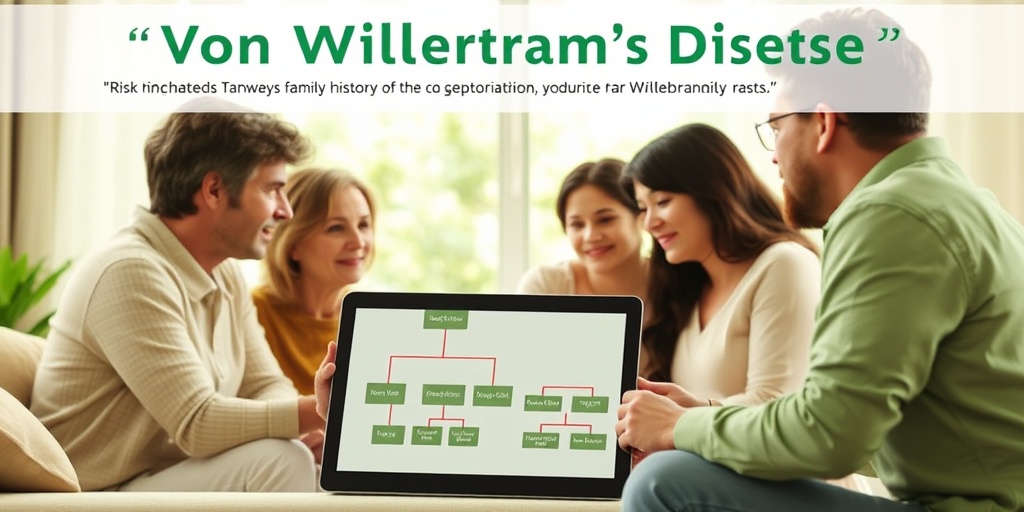
A strong family history of bleeding disorders significantly increases the risk of developing VWD. If a parent has VWD, there is a 50% chance that their child will inherit the condition. This familial link underscores the importance of genetic counseling for families affected by VWD.
Gender
Interestingly, Von Willebrand’s Disease affects both men and women, but women often experience more severe symptoms. This is partly due to the effects of menstruation and childbirth, which can exacerbate bleeding tendencies. Women with VWD may notice increased bleeding during their menstrual cycles or after childbirth.
Age
While VWD can be diagnosed at any age, symptoms often become more apparent during adolescence or early adulthood. This is when individuals may experience significant bleeding episodes, especially during surgeries, dental work, or after injuries.
Other Medical Conditions
Individuals with certain medical conditions may also be at higher risk for developing Von Willebrand’s Disease or experiencing more severe symptoms. These conditions include:
- Thyroid Disorders: Hypothyroidism can lead to decreased levels of VWF.
- Liver Disease: The liver produces many clotting factors, including VWF, so liver dysfunction can impact clotting ability.
- Autoimmune Diseases: As mentioned earlier, autoimmune disorders can interfere with VWF function.
Understanding the causes and risk factors of Von Willebrand’s Disease is essential for effective management and treatment. If you or someone you know is experiencing symptoms related to bleeding disorders, it is crucial to consult a healthcare professional for proper evaluation and care. 🩸
Diagnosis of Von Willebrand’s Disease
Diagnosing Von Willebrand’s Disease (VWD) can be a complex process, as it often mimics other bleeding disorders. This condition is characterized by a deficiency or dysfunction of von Willebrand factor, a protein crucial for blood clotting. Understanding the diagnostic process is essential for effective management and treatment.
Initial Assessment
The journey to diagnosis typically begins with a thorough medical history and physical examination. Your healthcare provider will ask about:
- Family history of bleeding disorders
- Personal history of unusual bleeding, such as frequent nosebleeds, heavy menstrual periods, or excessive bruising
- Any previous surgeries or dental work that resulted in prolonged bleeding
These details help the doctor assess the likelihood of VWD and determine the need for further testing.
Laboratory Tests
Once a preliminary assessment is made, specific laboratory tests are conducted to confirm the diagnosis. These tests may include:
- Von Willebrand Factor Antigen Test: Measures the amount of von Willebrand factor in the blood.
- Ristocetin Cofactor Activity Test: Assesses how well the von Willebrand factor works in clotting.
- Factor VIII Activity Test: Evaluates the level of factor VIII, which is often low in individuals with VWD.
These tests help differentiate between the various types of VWD, including Type 1, Type 2, and Type 3, each with its own characteristics and severity.
Genetic Testing
In some cases, genetic testing may be recommended, especially if there is a strong family history of bleeding disorders. This can help identify specific mutations associated with VWD and provide valuable information for family planning and management.
Treatment Options for Von Willebrand’s Disease
Managing Von Willebrand’s Disease involves a combination of lifestyle adjustments and medical treatments tailored to the severity of the condition. The goal is to prevent bleeding episodes and manage symptoms effectively.
Desmopressin (DDAVP)
For individuals with Type 1 VWD or some cases of Type 2, desmopressin is often the first line of treatment. This medication stimulates the release of von Willebrand factor from the blood vessels, increasing its levels and improving clotting ability. It can be administered via:
- Intravenous (IV) infusion
- Nasal spray
Patients typically receive desmopressin before surgical procedures or during bleeding episodes to enhance clotting.
Factor Replacement Therapy
For those with more severe forms of VWD, such as Type 3, factor replacement therapy may be necessary. This involves infusing concentrated von Willebrand factor and factor VIII to restore normal levels in the bloodstream. This treatment is crucial during:
- Major surgeries
- Severe bleeding episodes
Antifibrinolytic Agents
In addition to the above treatments, antifibrinolytic agents like tranexamic acid may be prescribed to help prevent the breakdown of blood clots. These medications are particularly useful during dental procedures or heavy menstrual bleeding.
Lifestyle and Home Management
Alongside medical treatments, individuals with VWD can adopt certain lifestyle changes to minimize bleeding risks:
- Maintain a healthy diet rich in iron to combat anemia from blood loss.
- Avoid medications that can increase bleeding risk, such as aspirin and non-steroidal anti-inflammatory drugs (NSAIDs).
- Wear protective gear during sports or activities that may lead to injury.
Regular follow-ups with a healthcare provider are essential to monitor the condition and adjust treatment plans as necessary. With proper management, individuals with Von Willebrand’s Disease can lead healthy, active lives. 🌟

Living with Von Willebrand’s Disease
Living with Von Willebrand’s Disease (VWD) can be a unique challenge, but with the right knowledge and support, individuals can lead fulfilling lives. VWD is a genetic bleeding disorder caused by a deficiency or dysfunction of von Willebrand factor, a protein crucial for blood clotting. Understanding the condition is the first step toward managing it effectively.
Understanding the Types of Von Willebrand’s Disease
There are three main types of VWD, each varying in severity:
- Type 1: This is the mildest form, where there is a partial deficiency of von Willebrand factor. Symptoms may be minimal, and many individuals may not even realize they have the condition.
- Type 2: This type is characterized by a qualitative defect in von Willebrand factor. It has several subtypes, each with different symptoms and severity levels.
- Type 3: The most severe form, where there is a complete absence of von Willebrand factor. Individuals with Type 3 often experience significant bleeding issues.
Recognizing Symptoms
Symptoms of VWD can vary widely depending on the type and severity. Common symptoms include:
- Frequent nosebleeds
- Easy bruising
- Heavy or prolonged menstrual bleeding
- Excessive bleeding after surgery or dental work
- Blood in urine or stool
It’s essential to recognize these symptoms early and consult a healthcare provider for proper diagnosis and management. Regular check-ups can help monitor the condition and adjust treatment as necessary.
Managing Daily Life with VWD
Living with VWD requires some adjustments, but many individuals find ways to thrive. Here are some tips:
- Educate Yourself: Understanding your condition is crucial. Learn about VWD, its symptoms, and treatment options.
- Communicate with Healthcare Providers: Regular visits to a hematologist can help manage your condition effectively. Be open about your symptoms and any changes you notice.
- Carry Medical Identification: Wearing a medical alert bracelet can inform others about your condition in case of an emergency.
- Plan for Activities: If you engage in sports or physical activities, consult your doctor about safe practices to minimize injury risk.
Preventing Complications of Von Willebrand’s Disease
Preventing complications associated with Von Willebrand’s Disease is vital for maintaining a healthy lifestyle. While VWD can lead to serious bleeding issues, proactive management can significantly reduce risks.
Regular Monitoring and Treatment
One of the most effective ways to prevent complications is through regular monitoring and appropriate treatment. Depending on the type of VWD, treatment options may include:
- Desmopressin: This medication can help increase the levels of von Willebrand factor in the blood, particularly for those with Type 1 and some Type 2 VWD.
- Factor Replacement Therapy: For individuals with Type 3 VWD, factor replacement therapy may be necessary to prevent bleeding episodes.
- Antifibrinolytics: These medications can help prevent the breakdown of blood clots, reducing the risk of bleeding.
Adopting a Healthy Lifestyle
Maintaining a healthy lifestyle can also play a significant role in managing VWD:
- Balanced Diet: Eating a nutritious diet rich in vitamins and minerals can support overall health and improve blood clotting.
- Stay Hydrated: Proper hydration is essential for maintaining blood volume and circulation.
- Avoiding Certain Medications: Some medications, like aspirin and non-steroidal anti-inflammatory drugs (NSAIDs), can exacerbate bleeding. Always consult your doctor before taking any new medication.
Emergency Preparedness
Being prepared for emergencies is crucial for individuals with VWD. Here are some steps to consider:
- Emergency Plan: Have a plan in place for what to do in case of a bleeding episode. This includes knowing when to seek medical help.
- Inform Family and Friends: Make sure those close to you understand your condition and how to assist in an emergency.
- Keep a First Aid Kit: Having a well-stocked first aid kit at home can help manage minor injuries effectively.
By understanding Von Willebrand’s Disease and taking proactive steps to manage it, individuals can significantly reduce the risk of complications and lead a vibrant, active life. 🌟

Frequently Asked Questions about Von Willebrand’s Disease
What is Von Willebrand’s Disease?
Von Willebrand’s Disease is a genetic bleeding disorder caused by a deficiency or dysfunction of von Willebrand factor, a protein essential for blood clotting. This condition can lead to excessive bleeding, easy bruising, and prolonged bleeding after injuries or surgeries.
What are the symptoms of Von Willebrand’s Disease?
Common symptoms of Von Willebrand’s Disease include:
- Frequent nosebleeds
- Easy bruising
- Heavy or prolonged menstrual bleeding
- Bleeding gums
- Excessive bleeding after dental work or surgery
How is Von Willebrand’s Disease diagnosed?
Diagnosis of Von Willebrand’s Disease typically involves a combination of medical history, physical examination, and specific blood tests to measure the levels and function of von Willebrand factor.
What are the types of Von Willebrand’s Disease?
There are three main types of Von Willebrand’s Disease:
- Type 1: Mild deficiency of von Willebrand factor.
- Type 2: Dysfunctional von Willebrand factor.
- Type 3: Severe deficiency of von Willebrand factor.
Can Von Willebrand’s Disease be treated?
Yes, Von Willebrand’s Disease can be managed with treatments such as:
- Desmopressin (DDAVP) to stimulate the release of von Willebrand factor
- Replacement therapies with clotting factor concentrates
- Antifibrinolytic medications to help prevent bleeding
Is Von Willebrand’s Disease inherited?
Yes, Von Willebrand’s Disease is usually inherited in an autosomal dominant pattern, meaning that only one copy of the mutated gene from an affected parent can cause the disorder in their offspring.
Can dogs have Von Willebrand’s Disease?
Yes, Von Willebrand’s Disease can also occur in dogs, particularly in certain breeds such as Doberman Pinschers and Shetland Sheepdogs. Symptoms in dogs may include excessive bleeding after surgery or trauma.
What is the ICD-10 code for Von Willebrand’s Disease?
The ICD-10 code for Von Willebrand’s Disease is D68.0. This code is used for medical billing and documentation purposes.
Can Von Willebrand’s Disease be due to over-functioning?
While Von Willebrand’s Disease is primarily a deficiency or dysfunction of von Willebrand factor, some cases may involve over-functioning of other clotting factors, leading to complex bleeding disorders. Consultation with a healthcare provider is essential for accurate diagnosis and treatment.