What Is a Brown Recluse Bite?
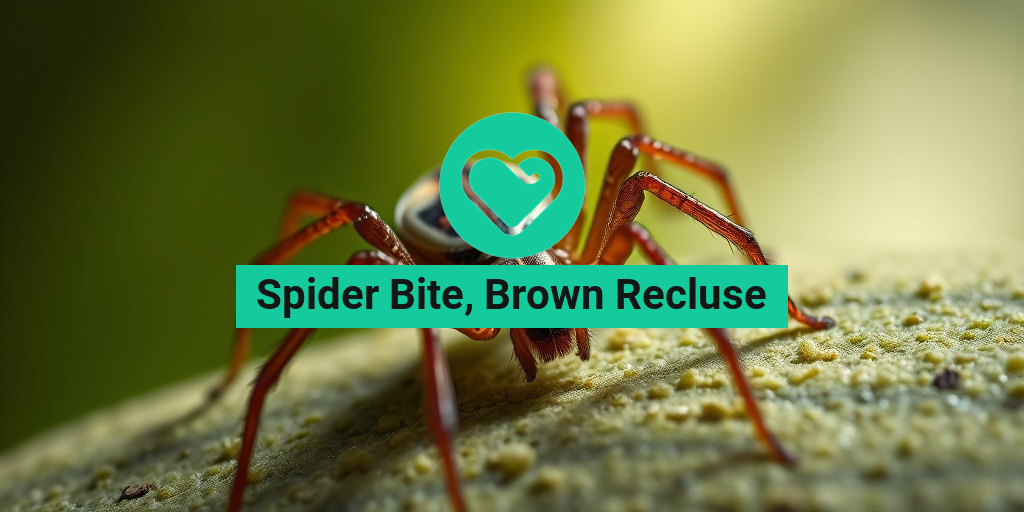
The Brown Recluse spider, scientifically known as Loxosceles reclusa, is notorious for its venomous bite, which can lead to serious health complications. Found primarily in the central and southern United States, this spider prefers dark, undisturbed areas such as attics, closets, and woodpiles. Understanding what a Brown Recluse bite entails is crucial for anyone living in or visiting these regions.
A Brown Recluse bite typically occurs when the spider feels threatened. Unlike many other spiders, the Brown Recluse is not aggressive and will usually only bite in self-defense. The bite itself may go unnoticed at first, as it often feels like a minor sting or a pinprick. However, as time passes, the effects can become more pronounced.
Identifying a Brown Recluse Bite
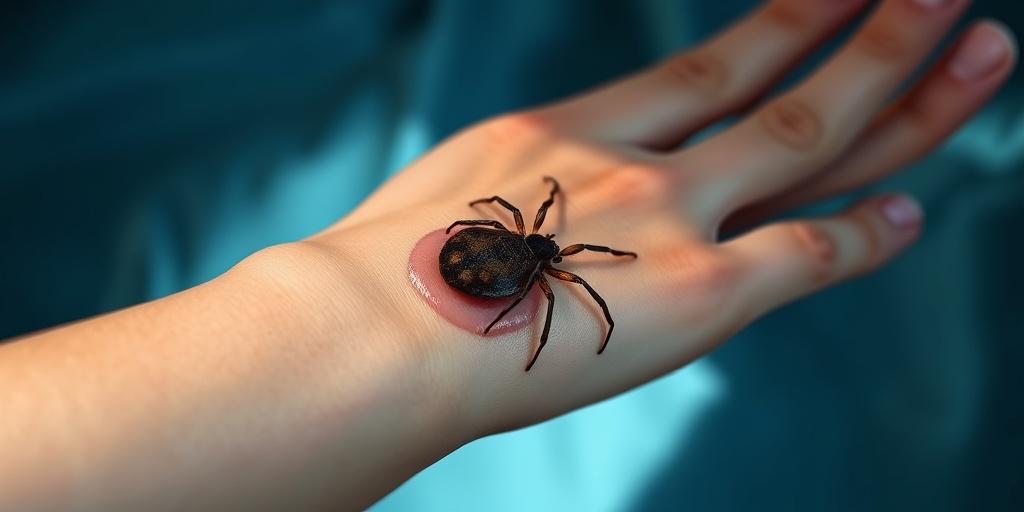
One of the challenges with a Brown Recluse bite is that it can resemble other types of spider bites. Here are some key characteristics to help identify it:
- Initial Reaction: The bite may initially appear as a small red spot.
- Progression: Over the next few hours, the area can become swollen and painful.
- Blistering: In some cases, a blister may form at the site of the bite.
- Necrosis: In severe cases, the bite can lead to tissue death, resulting in a deep, ulcer-like sore.
If you suspect a Brown Recluse bite, it’s essential to monitor the symptoms closely and seek medical attention if they worsen. Early intervention can significantly improve outcomes.
Brown Recluse Symptoms
Recognizing the symptoms of a Brown Recluse bite is vital for effective treatment. While some individuals may experience mild symptoms, others can face severe reactions. Here’s a breakdown of the common symptoms associated with a Brown Recluse bite:
Early Symptoms
In the early stages, symptoms may be subtle and can include:
- Pain: Mild to moderate pain at the bite site.
- Redness: Localized redness around the bite area.
- Swelling: Swelling may develop within a few hours.
Progressive Symptoms
As time goes on, symptoms can escalate, leading to more severe reactions:
- Severe Pain: Intense pain that may radiate from the bite site.
- Fever and Chills: Some individuals may develop a fever, chills, or general malaise.
- Nausea: Feelings of nausea or vomiting can occur.
- Skin Changes: The bite area may develop a blister or ulcer, and surrounding skin can become discolored.
Severe Reactions
In rare cases, a Brown Recluse bite can lead to severe systemic reactions, including:
- Hemolysis: Breakdown of red blood cells, which can lead to anemia.
- Kidney Failure: Severe cases may result in kidney complications.
- Sepsis: A life-threatening condition that arises from the body’s response to infection.
If you experience any of these severe symptoms, it’s crucial to seek immediate medical attention. Early diagnosis and treatment can make a significant difference in recovery.
When to Seek Help
While not every Brown Recluse bite requires emergency treatment, it’s essential to be vigilant. If you notice any of the following, contact a healthcare professional:
- Worsening pain or swelling
- Development of a large blister or ulcer
- Fever or chills
- Signs of infection, such as increased redness or pus
For more information on spider bites and their treatment, consider visiting Yesil Health AI, a valuable resource for evidence-based health answers.
Understanding the risks associated with a Brown Recluse bite and recognizing the symptoms can empower you to take appropriate action. Stay informed, and don’t hesitate to seek help if you suspect a spider bite! 🕷️
Identifying Brown Recluse Spiders
Understanding how to identify a Brown Recluse spider is crucial for avoiding bites and ensuring your safety. These spiders are often misunderstood, and their appearance can vary, making identification challenging. Here’s what you need to know:
Physical Characteristics
The Brown Recluse spider is typically light brown to yellow-tan in color, with a distinctive violin-shaped marking on its back. This marking can be a key identifier, but it’s important to note that not all Brown Recluses will display this feature prominently. Here are some other characteristics:
- Size: Adult Brown Recluse spiders are about 1/4 to 1/2 inch long, excluding their legs.
- Legs: They have long, slender legs that are often a bit longer than their body.
- Eyes: Unlike most spiders that have eight eyes arranged in pairs, the Brown Recluse has six eyes arranged in pairs.
Common Habitats
Brown Recluse spiders prefer warm, dry environments. They are often found in:
- Basements
- Attics
- Closets
- Woodpiles
- Under furniture or in dark corners
Being aware of these habitats can help you avoid encounters with these spiders. If you suspect you have a Brown Recluse infestation, it’s best to contact a pest control professional for assistance.
Brown Recluse vs. Other Spiders
It’s essential to differentiate the Brown Recluse from other similar-looking spiders, such as the Black Widow. While both can be dangerous, their bites and behaviors differ significantly. The Brown Recluse is generally less aggressive and bites only when provoked.
To help you identify the differences, here’s a quick comparison:
- Brown Recluse: Violin-shaped marking, six eyes, light brown color.
- Black Widow: Glossy black body, red hourglass marking on the abdomen, and eight eyes.
Brown Recluse Bite Treatment
If you suspect you’ve been bitten by a Brown Recluse spider, it’s important to act quickly. While not all bites result in severe reactions, some can lead to serious health issues. Here’s how to manage a Brown Recluse bite:
Recognizing Symptoms
Symptoms of a Brown Recluse bite can vary, but common signs include:
- Initial Pain: A mild sting or burning sensation at the bite site.
- Redness and Swelling: The area around the bite may become red and swollen.
- Blistering: In some cases, a blister may form, which can be painful.
- Systemic Symptoms: Fever, chills, and nausea may occur in more severe cases.
Immediate First Aid Steps
Here are some first aid steps to take if bitten:
- Clean the Bite: Wash the area with soap and water to prevent infection.
- Apply a Cold Compress: Use a cold pack to reduce swelling and relieve pain.
- Elevate the Affected Area: Keep the bite area elevated to minimize swelling.
- Avoid Scratching: This can worsen the irritation and increase the risk of infection.
When to Seek Medical Attention
While many Brown Recluse bites can be treated at home, it’s crucial to seek medical attention if you experience:
- Severe pain that worsens over time
- Signs of infection, such as increased redness or pus
- Systemic symptoms like fever or chills
- Worsening of the bite site, such as necrosis (tissue death)
In some cases, medical professionals may recommend treatments such as pain relief medications, antibiotics, or even surgical intervention for severe bites.
Understanding how to identify a Brown Recluse spider and how to treat its bite can significantly reduce the risks associated with these spiders. Stay informed and take precautions to protect yourself and your loved ones! 🕷️💉

Home Remedies for Spider Bites
Encountering a spider bite can be alarming, especially if you suspect it might be from a Brown Recluse. While it’s essential to seek medical attention for severe reactions, there are several effective home remedies you can try to alleviate symptoms and promote healing. Here are some of the most popular and effective home remedies for spider bites:
1. Clean the Bite Area
The first step in treating a spider bite is to clean the affected area thoroughly. Use mild soap and water to wash the bite site. This helps to remove any dirt or bacteria that could lead to infection.
2. Apply a Cold Compress
To reduce swelling and numb the pain, apply a cold compress or ice pack wrapped in a cloth to the bite area for 10-15 minutes. This can help alleviate discomfort and minimize inflammation.
3. Use Baking Soda Paste
Baking soda is known for its soothing properties. Mix a tablespoon of baking soda with a few drops of water to create a paste. Apply this paste to the bite and let it sit for about 30 minutes before rinsing it off. This can help reduce itching and irritation.
4. Aloe Vera Gel
Aloe vera is renowned for its healing properties. Applying fresh aloe vera gel directly to the bite can help soothe the skin and promote healing. Its anti-inflammatory properties can also reduce redness and swelling.
5. Honey
Honey is not only a delicious natural sweetener but also has antibacterial properties. Applying a small amount of honey to the bite can help prevent infection and speed up the healing process.
6. Essential Oils
Some essential oils, such as tea tree oil and lavender oil, have anti-inflammatory and antiseptic properties. Dilute a few drops of essential oil with a carrier oil (like coconut or olive oil) and apply it to the bite area to help reduce pain and promote healing.
7. Over-the-Counter Pain Relief
If the pain from the bite is significant, consider taking over-the-counter pain relievers like ibuprofen or acetaminophen. Always follow the recommended dosage on the label.
8. Stay Hydrated
Drinking plenty of water can help your body heal more effectively. Staying hydrated supports your immune system and can help flush out toxins.
Complications of Brown Recluse Bites
While many spider bites are harmless, a bite from a Brown Recluse can lead to serious complications if not treated properly. Understanding these potential complications is crucial for anyone who suspects they have been bitten. Here are some of the most common complications associated with Brown Recluse bites:
1. Necrosis
One of the most severe complications of a Brown Recluse bite is necrosis, which is the death of tissue around the bite site. This can lead to a large, open sore that may require medical intervention, including surgery, to remove dead tissue.
2. Infection
As with any open wound, there is a risk of infection following a spider bite. If bacteria enter the body through the bite, it can lead to cellulitis or other infections that may require antibiotics.
3. Systemic Reactions
In some cases, individuals may experience systemic reactions, which can affect the entire body. Symptoms may include fever, chills, and muscle pain. These reactions can be serious and require immediate medical attention.
4. Allergic Reactions
Some people may have an allergic reaction to the venom of the Brown Recluse. Symptoms can range from mild (itching and hives) to severe (anaphylaxis), which is a medical emergency.
5. Scarring
Even after healing, a Brown Recluse bite can leave behind scars. The extent of scarring depends on the severity of the bite and how well it was treated. Proper care and treatment can minimize scarring.
6. Long-term Pain
Some individuals may experience chronic pain at the bite site long after the initial injury has healed. This condition, known as post-traumatic pain, can be challenging to manage and may require ongoing treatment.
In conclusion, while home remedies can provide relief for spider bites, it’s essential to be aware of the potential complications associated with Brown Recluse bites. If you suspect a bite from this spider, monitor your symptoms closely and seek medical attention if necessary. 🕷️
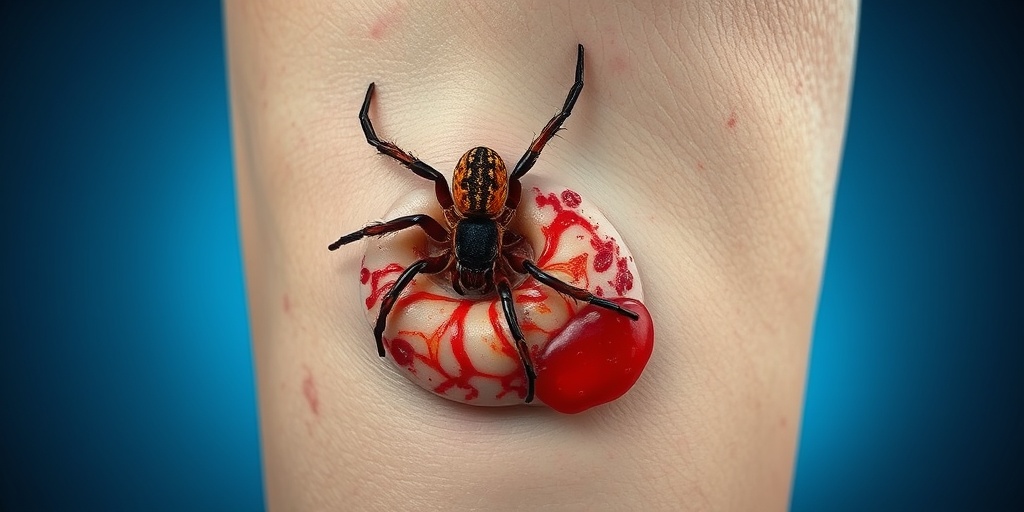
Preventing Brown Recluse Encounters
Brown recluse spiders are notorious for their venomous bites, which can lead to serious health issues. Understanding how to prevent encounters with these spiders is crucial for your safety. Here are some effective strategies to keep brown recluse spiders at bay:
1. Maintain a Clean Environment
One of the best ways to prevent brown recluse encounters is to keep your living space clean and clutter-free. These spiders thrive in dark, undisturbed areas. Here are some tips:
- Declutter: Regularly clean out closets, basements, and attics where spiders may hide.
- Vacuum: Frequently vacuum corners, under furniture, and behind appliances to remove spider webs and eggs.
- Seal Cracks: Inspect your home for cracks and gaps in walls, windows, and doors, and seal them to prevent entry.
2. Be Cautious Outdoors
When spending time outdoors, especially in areas where brown recluse spiders are common, take precautions:
- Wear Protective Clothing: Long sleeves and pants can protect your skin from bites.
- Avoid Tall Grass: Stay on paths and avoid walking through tall grass or dense vegetation.
- Check Outdoor Gear: Before using outdoor equipment like lawnmowers or gardening tools, inspect them for spiders.
3. Use Pest Control Measures
Consider implementing pest control measures to deter brown recluse spiders:
- Professional Extermination: Hire a pest control service to treat your home if you suspect an infestation.
- Insecticides: Use insecticides specifically designed for spiders in areas where they are likely to hide.
- Natural Repellents: Essential oils like peppermint or tea tree oil can act as natural repellents. Mix with water and spray around your home.
When to Seek Medical Attention
If you suspect you have been bitten by a brown recluse spider, it’s essential to know when to seek medical attention. While not all bites result in severe reactions, some can lead to serious complications. Here are signs that warrant a visit to the doctor:
1. Symptoms of a Brown Recluse Bite
Recognizing the symptoms of a brown recluse spider bite is crucial. Common symptoms include:
- Pain and Redness: Initial pain may be mild but can escalate over time, accompanied by redness at the bite site.
- Blistering: A blister may form, which can be a sign of necrosis (tissue death) if the bite is severe.
- Systemic Symptoms: Fever, chills, and nausea may occur in some individuals, indicating a more serious reaction.
2. Signs of Severe Reaction
If you experience any of the following symptoms, seek medical attention immediately:
- Severe Pain: If the pain becomes unbearable or spreads beyond the bite area.
- Worsening Skin Condition: If the blister or wound worsens, becomes necrotic, or shows signs of infection.
- Allergic Reactions: Difficulty breathing, swelling of the face or throat, or rapid heartbeat can indicate an allergic reaction.
3. Treatment Options
Medical professionals may recommend various treatments depending on the severity of the bite:
- Wound Care: Cleaning the wound and applying dressings to prevent infection.
- Pain Management: Over-the-counter pain relievers or prescribed medications may be necessary.
- Antibiotics: If an infection is present, antibiotics may be prescribed to combat it.
Being informed about the brown recluse spider and its potential dangers can help you take proactive measures to avoid bites and seek timely medical care when necessary. Stay vigilant and prioritize your safety! 🕷️💉

Frequently Asked Questions about Spider Bites and Brown Recluse
What are the symptoms of a spider bite from a brown recluse?
The symptoms of a spider bite brown recluse can vary, but common signs include:
- Redness and swelling around the bite area
- Pain that may spread from the bite site
- Blistering or ulceration
- Fever and chills
- Nausea
If you experience severe symptoms, it is important to seek medical attention promptly. 🚑
How can I identify a brown recluse spider?
A brown recluse spider is typically identified by its:
- Brown color with a violin-shaped marking on its back
- Six eyes arranged in pairs, unlike most spiders that have eight
- Long legs and a small body, usually about 1/4 to 1/2 inch in size
For a visual reference, you can search for spider bite brown recluse pictures online. 📸
What should I do if I suspect a brown recluse bite?
If you suspect a spider bite brown recluse, follow these steps:
- Clean the bite area with soap and water.
- Apply a cool compress to reduce swelling.
- Avoid scratching the bite.
- Seek medical attention, especially if symptoms worsen.
Timely treatment can help prevent complications. 🏥
What is the treatment for a brown recluse spider bite?
Treatment for a spider bite brown recluse may include:
- Pain relief medications
- Antihistamines for itching
- Topical antibiotics if there is an open wound
- In severe cases, surgical intervention may be necessary
Always consult a healthcare professional for the best course of action. 💊
How does a brown recluse bite compare to a black widow bite?
While both spiders can be dangerous, their bites differ in symptoms:
- Brown recluse bites often cause localized pain and skin necrosis.
- Black widow bites typically result in systemic symptoms like muscle cramps and severe abdominal pain.
Understanding the differences can help in seeking appropriate treatment. ⚖️
Can a brown recluse bite cause blisters?
Yes, a spider bite blister brown recluse is a common symptom. Blisters may form at the site of the bite and can be painful. It’s essential to avoid popping them to prevent infection. If blisters develop, consult a healthcare provider for advice. 💧
What are the early stages of a brown recluse spider bite?
In the early stages, a spider bite brown recluse may appear as a small red bump. Over time, it can develop into a blister or ulcer. Monitoring the bite closely for changes is crucial for effective treatment. ⏳