What Is a Concussion?
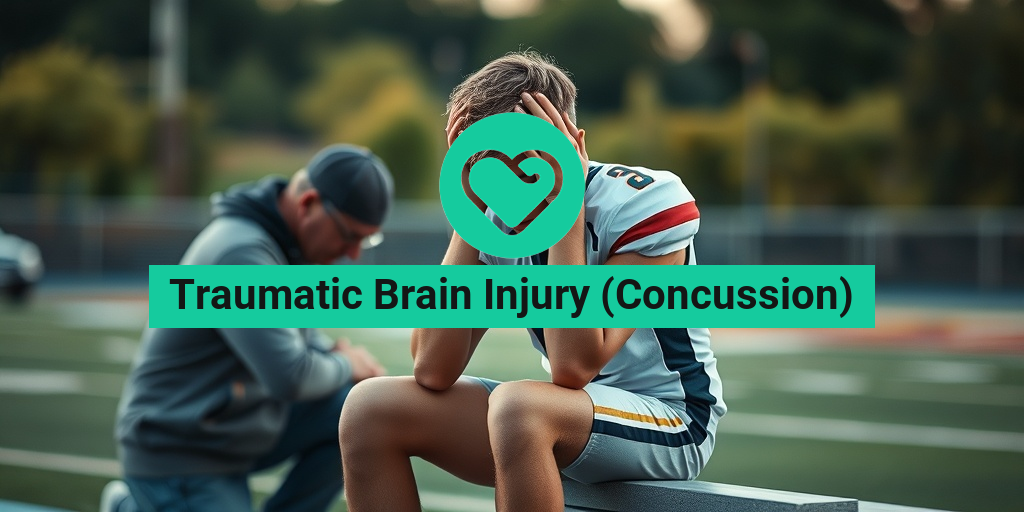
A concussion is a type of traumatic brain injury (TBI) that occurs when a sudden impact or jolt to the head causes the brain to move rapidly within the skull. This movement can lead to chemical changes in the brain and sometimes damage brain cells. While concussions are often associated with sports injuries, they can occur in various situations, including falls, car accidents, and physical altercations.
Understanding the nature of a concussion is crucial for recognizing its potential impact on health. Unlike more severe forms of traumatic brain injury, a concussion is typically classified as a mild traumatic brain injury. However, it is essential to take concussions seriously, as they can lead to long-term complications if not properly managed.
How Do Concussions Occur?
Concussions can happen in numerous ways, including:
- Sports Injuries: Contact sports like football, hockey, and boxing are common sources of concussions.
- Falls: A significant number of concussions occur from falls, particularly among older adults and young children.
- Vehicle Accidents: Car crashes can result in concussions due to the sudden stop or impact.
- Physical Assaults: Blows to the head during fights can also lead to concussions.
Regardless of the cause, it’s vital to recognize the signs and symptoms of a concussion to ensure timely treatment and recovery.
Concussion Symptoms
Recognizing the symptoms of a concussion is essential for prompt diagnosis and treatment. Symptoms can vary widely among individuals and may not appear immediately after the injury. Here are some common symptoms to watch for:
Physical Symptoms
- Headache: A common symptom that can range from mild to severe.
- Dizziness: Feeling lightheaded or unsteady is often reported.
- Nausea or Vomiting: Some individuals may experience gastrointestinal distress.
- Fatigue: A general sense of tiredness or lethargy can occur.
Cognitive Symptoms
- Confusion: Difficulty concentrating or remembering information is common.
- Memory Problems: Individuals may struggle to recall events leading up to or following the injury.
- Slowed Reaction Times: A noticeable delay in responses can be observed.
Emotional and Sleep Symptoms
- Irritability: Mood swings and increased sensitivity can occur.
- Sleep Disturbances: Changes in sleep patterns, including insomnia or excessive sleepiness, may be experienced.
If you or someone you know exhibits these symptoms following a head injury, it is crucial to seek medical attention. Early intervention can significantly improve recovery outcomes and help prevent complications such as post-concussion syndrome, which can lead to prolonged symptoms lasting weeks or even months.
For more information on managing concussions and understanding their implications, consider visiting Yesil Health AI, a valuable resource for evidence-based health answers.
In conclusion, while a concussion is classified as a mild traumatic brain injury, it should never be taken lightly. Understanding what a concussion is and recognizing its symptoms can empower individuals to seek timely care and support recovery. Remember, your brain health is paramount! 🧠✨
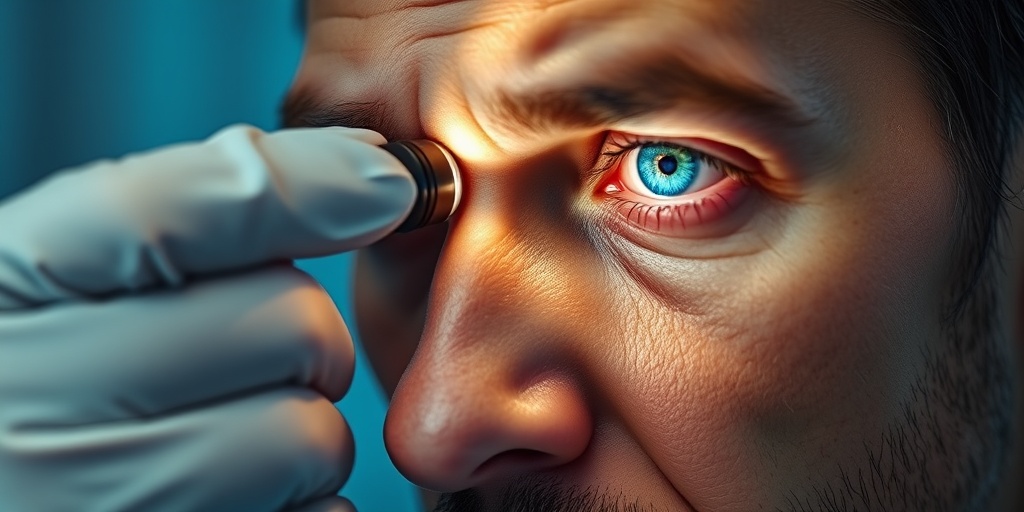
Causes of Concussions
A concussion is a type of traumatic brain injury (TBI) that occurs when the brain is jolted or shaken inside the skull. This can happen due to various reasons, and understanding these causes is crucial for prevention and management. Here are some of the primary causes of concussions:
1. Sports Injuries
One of the most common causes of concussions is participation in contact sports. Athletes in sports such as football, hockey, soccer, and boxing are particularly at risk. The impact from tackles, falls, or collisions can lead to a sudden movement of the brain, resulting in a concussion. 🏈
2. Falls
Falls are another leading cause of concussions, especially among older adults and young children. A simple trip or slip can lead to a significant impact on the head, causing the brain to move violently within the skull. 🧒👵
3. Vehicle Accidents
Car accidents can also result in concussions. The force of a collision can cause the head to strike the steering wheel, dashboard, or window, leading to a traumatic brain injury. 🚗💥
4. Physical Assaults
In some cases, concussions can occur due to physical violence, such as being punched or struck in the head. This type of injury is often seen in altercations or domestic violence situations.
5. Explosive Blasts
Military personnel are at risk for concussions due to explosive blasts. The shockwave from an explosion can cause the brain to move within the skull, leading to a concussion even without a direct blow to the head.
Risk Factors for Concussions
While anyone can suffer a concussion, certain factors can increase the likelihood of experiencing this type of injury. Understanding these risk factors can help individuals take preventive measures. Here are some key risk factors:
1. Age
Children and adolescents are at a higher risk for concussions due to their developing brains and higher participation in sports. Additionally, older adults are more susceptible to falls, which can lead to concussions.
2. Gender
Research indicates that females may be more prone to concussions than males, particularly in sports. This could be due to physiological differences, such as neck strength and hormonal factors.
3. Previous Concussions
Individuals who have previously suffered a concussion are at a greater risk of experiencing another one. Each subsequent concussion can lead to more severe symptoms and longer recovery times.
4. Participation in Contact Sports
As mentioned earlier, athletes involved in contact sports face a higher risk of concussions. It’s essential for coaches and players to prioritize safety measures, such as wearing appropriate protective gear.
5. Lack of Protective Equipment
Not using proper protective equipment, such as helmets in sports like cycling or football, can significantly increase the risk of sustaining a concussion. Ensuring that all safety gear is worn correctly is vital for injury prevention.
6. Environmental Factors
Playing surfaces and conditions can also contribute to the risk of concussions. Uneven playing fields, poor lighting, and inclement weather can increase the likelihood of falls and collisions.
By understanding the causes and risk factors associated with concussions, individuals can take proactive steps to minimize their risk and protect their brain health. Remember, awareness is key! 🧠✨

Diagnosing a Concussion
Diagnosing a Traumatic Brain Injury (Concussion) can be challenging, as symptoms may not always be immediately apparent. A concussion is a type of mild traumatic brain injury that occurs when the brain is jolted or shaken inside the skull, often due to a blow to the head. Understanding how healthcare professionals diagnose this condition is crucial for effective treatment and recovery.
Recognizing Symptoms
The first step in diagnosing a concussion is recognizing its symptoms. Common signs include:
- Headaches
- Dizziness or balance issues
- Nausea or vomiting
- Confusion or difficulty concentrating
- Memory problems
- Fatigue or drowsiness
- Changes in mood or behavior
It’s important to note that symptoms can vary widely among individuals and may not appear until hours or even days after the injury. If you suspect a concussion, seeking medical attention promptly is essential.
Medical Evaluation
During a medical evaluation, healthcare providers will typically conduct a thorough assessment, which may include:
- Medical History: The doctor will ask about the injury, symptoms, and any previous concussions.
- Physical Examination: A physical exam will assess balance, coordination, and reflexes.
- Cognitive Testing: Tests may be performed to evaluate memory, attention, and problem-solving skills.
In some cases, imaging tests such as CT scans or MRIs may be ordered to rule out more severe brain injuries. However, these tests are not typically used to diagnose a concussion itself, as they may not show any abnormalities.
Concussion Assessment Tools
Healthcare professionals often use standardized assessment tools to evaluate concussions. One widely used tool is the SCAT5 (Sport Concussion Assessment Tool 5), which includes symptom checklists and cognitive assessments. These tools help ensure a comprehensive evaluation and guide treatment decisions.
Concussion Treatment Options
Once diagnosed, the treatment for a Traumatic Brain Injury (Concussion) focuses on symptom management and promoting recovery. Here are some common treatment options:
Rest and Recovery
One of the most critical aspects of concussion treatment is rest. This includes both physical and cognitive rest. Patients are advised to avoid activities that could exacerbate symptoms, such as:
- Physical exertion: Sports, heavy lifting, or vigorous exercise should be avoided.
- Cognitive strain: Activities that require intense concentration, such as reading, studying, or screen time, should be limited.
Rest allows the brain to heal and can significantly reduce the duration of symptoms. The length of rest varies by individual, but it is essential to follow a healthcare provider’s recommendations.
Symptom Management
In addition to rest, managing specific symptoms is crucial. Common approaches include:
- Pain relief: Over-the-counter pain relievers like acetaminophen can help alleviate headaches. However, avoid NSAIDs like ibuprofen initially, as they may increase the risk of bleeding.
- Hydration: Staying hydrated can help with headaches and overall recovery.
- Gradual Return to Activities: Once symptoms improve, a gradual return to normal activities is recommended. This should be done under the guidance of a healthcare professional.
Rehabilitation Services
For some individuals, especially those experiencing prolonged symptoms, rehabilitation services may be beneficial. These can include:
- Physical Therapy: To address balance and coordination issues.
- Occupational Therapy: To help with daily activities and cognitive challenges.
- Speech Therapy: For those experiencing communication difficulties.
Each treatment plan should be tailored to the individual’s needs, and ongoing communication with healthcare providers is essential for optimal recovery.
In conclusion, understanding the diagnosis and treatment options for a Traumatic Brain Injury (Concussion) is vital for effective recovery. If you or someone you know is experiencing symptoms, don’t hesitate to seek medical attention. 🧠💪

Long-Term Effects of Concussions
Concussions, often referred to as traumatic brain injuries (TBIs), can have significant long-term effects on an individual’s health and well-being. While many people recover fully from a concussion, others may experience lingering symptoms that can impact their daily lives. Understanding these potential long-term effects is crucial for anyone who has suffered a concussion or is involved in activities that pose a risk of head injury.
Understanding the Nature of Concussions
A concussion is a type of mild traumatic brain injury that occurs when the brain is jolted or shaken inside the skull, often due to a blow to the head. This sudden movement can disrupt normal brain function, leading to a variety of symptoms. While most people recover within a few weeks, some may experience prolonged effects.
Common Long-Term Effects
The long-term effects of a concussion can vary widely among individuals. Some of the most common issues include:
- Cognitive Impairments: Many individuals report difficulties with memory, attention, and concentration. These cognitive challenges can affect academic performance and job responsibilities.
- Emotional and Behavioral Changes: Mood swings, anxiety, and depression are common among those who have experienced a concussion. These emotional changes can be particularly challenging and may require professional support.
- Physical Symptoms: Chronic headaches, dizziness, and fatigue are frequently reported long after the initial injury. These symptoms can significantly impact quality of life.
- Post-Concussion Syndrome: Some individuals develop post-concussion syndrome, where symptoms persist for weeks or months after the injury. This condition can be frustrating and debilitating.
Risk Factors for Long-Term Effects
Several factors can influence the likelihood of experiencing long-term effects from a concussion:
- History of Previous Concussions: Individuals with a history of multiple concussions are at a higher risk for prolonged symptoms.
- Age: Younger individuals, particularly children and adolescents, may be more vulnerable to long-term effects due to their developing brains.
- Severity of the Injury: More severe concussions, characterized by prolonged loss of consciousness or significant cognitive impairment, can lead to worse outcomes.
Seeking Help and Treatment
If you or someone you know is experiencing long-term effects from a concussion, it’s essential to seek medical advice. Healthcare professionals can provide tailored treatment plans that may include:
- Cognitive Rehabilitation: This therapy focuses on improving cognitive functions through targeted exercises.
- Physical Therapy: For those experiencing physical symptoms, physical therapy can help improve balance and coordination.
- Psychological Support: Counseling or therapy can be beneficial for managing emotional and behavioral changes.
Preventing Concussions
Preventing concussions is vital, especially for individuals engaged in high-risk activities such as sports. Understanding how to minimize the risk of traumatic brain injuries can help protect both children and adults from the potential long-term effects discussed earlier.
Safety Measures in Sports
Sports-related concussions are a significant concern, particularly in contact sports like football, hockey, and soccer. Here are some effective strategies to prevent concussions:
- Use Proper Equipment: Always wear appropriate protective gear, such as helmets, that meet safety standards. Ensure that the equipment fits correctly and is well-maintained.
- Follow Rules and Regulations: Adhering to the rules of the game can help reduce the risk of head injuries. Coaches and players should prioritize safety over aggressive play.
- Educate Athletes: Teaching athletes about the signs and symptoms of concussions can empower them to report injuries and seek help promptly.
Everyday Precautions
In addition to sports, concussions can occur in everyday situations. Here are some tips to prevent head injuries in daily life:
- Wear Seatbelts: Always buckle up in vehicles to reduce the risk of head injuries during accidents.
- Child Safety: Ensure that children wear helmets while biking, skating, or engaging in other activities that pose a risk of falling.
- Home Safety: Make your home safer by removing tripping hazards and ensuring adequate lighting to prevent falls.
Recognizing the Signs
Being aware of the signs of a concussion is crucial for early intervention. If you suspect a concussion, it’s important to seek medical attention immediately. Early diagnosis and management can significantly improve recovery outcomes.
By taking proactive steps to prevent concussions and understanding their long-term effects, we can better protect ourselves and our loved ones from the serious consequences of traumatic brain injuries.

Frequently Asked Questions about Traumatic Brain Injury (Concussion)
What is a Traumatic Brain Injury (Concussion)?
A Traumatic Brain Injury (Concussion) is a type of brain injury that occurs when a sudden impact or jolt causes the brain to move within the skull. This can lead to various symptoms, including confusion, headaches, and memory issues.
How does a concussion differ from other types of traumatic brain injuries?
While all concussions are considered traumatic brain injuries, not all traumatic brain injuries are concussions. A concussion is typically classified as a mild traumatic brain injury, whereas other types may involve more severe damage to brain tissue.
What are the common symptoms of a concussion?
- Headaches
- Dizziness or balance problems
- Nausea or vomiting
- Confusion or difficulty concentrating
- Memory loss
What is post-concussion syndrome?
Post-concussion syndrome refers to a complex disorder in which various symptoms persist for weeks or months after the initial concussion. These symptoms can include headaches, dizziness, and cognitive difficulties.
How is a concussion diagnosed?
A healthcare professional typically diagnoses a traumatic brain injury (concussion) through a combination of physical examinations, symptom assessments, and cognitive tests. Imaging tests like CT scans or MRIs may be used to rule out more severe injuries.
What is the ICD-10 code for a concussion?
The ICD-10 code for a traumatic brain injury (concussion) is S06.0, which is used for medical billing and documentation purposes.
Can a concussion lead to long-term effects?
Yes, while many individuals recover fully from a mild traumatic brain injury (concussion), some may experience long-term effects, especially if they have had multiple concussions. These effects can include chronic headaches, cognitive difficulties, and mood changes.
What should I do if I suspect someone has a concussion?
If you suspect someone has a traumatic brain injury (concussion), it is crucial to seek medical attention immediately. Encourage the individual to rest and avoid activities that could lead to further injury.
Are there specific sports associated with higher rates of concussions?
Yes, certain sports, such as football, hockey, and soccer, have higher rates of traumatic brain injuries (concussions) due to the physical nature of the games. Proper safety measures and equipment can help reduce the risk.
How can I help prevent concussions in sports?
- Ensure proper use of protective gear
- Educate athletes about the signs and symptoms of concussions
- Encourage safe playing techniques
- Implement and enforce rules that minimize head impacts
Where can I find more information about concussions?
For more information on traumatic brain injury (concussion), consult reputable sources such as the Centers for Disease Control and Prevention (CDC) or the Brain Injury Association of America.