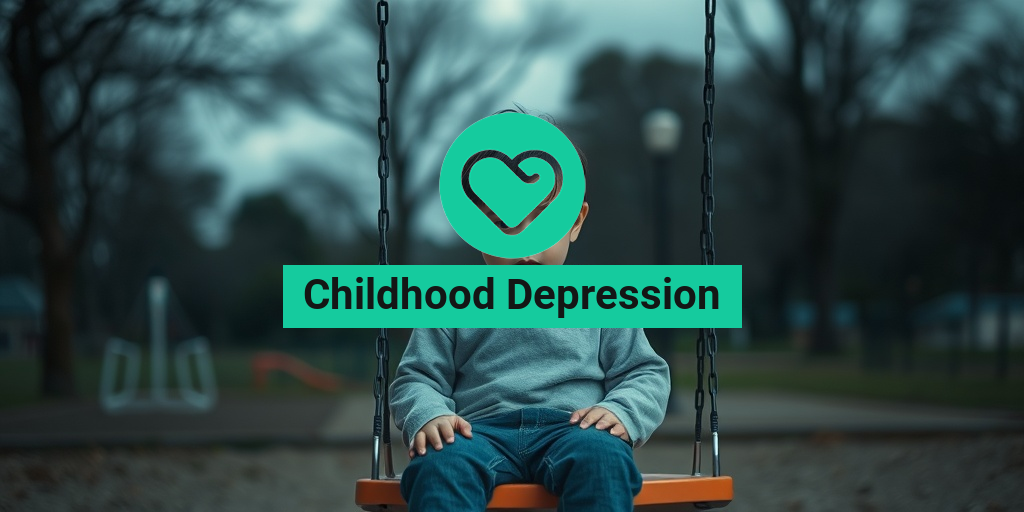
What Is Childhood Depression?
Childhood depression is a serious mental health condition that affects children and adolescents, impacting their emotional, social, and academic development. Unlike the occasional sadness that all children experience, childhood depression is persistent and can significantly interfere with a child’s daily life. It is essential to recognize that this condition is not just a phase; it requires attention and intervention.
According to mental health professionals, childhood depression can manifest in various ways, and understanding its definition is crucial for parents, educators, and caregivers. It is characterized by a range of symptoms that can affect a child’s mood, behavior, and overall well-being.
Understanding the Causes of Childhood Depression
Several factors can contribute to childhood depression, including:
- Genetic predisposition: A family history of depression or other mental health disorders can increase a child’s risk.
- Environmental factors: Stressful life events, such as parental divorce, loss of a loved one, or bullying, can trigger depressive symptoms.
- Biological factors: Imbalances in brain chemistry and hormonal changes during childhood can also play a role.
- Psychosocial factors: Low self-esteem, negative thinking patterns, and lack of social support can contribute to the development of depression.
Recognizing these causes can help in understanding the complexities of childhood depression and the importance of early intervention.
Signs of Childhood Depression
Identifying the signs of childhood depression can be challenging, as children may not always express their feelings verbally. However, there are several common symptoms to watch for:
Emotional Symptoms
- Persistent sadness: A child may seem sad or tearful most of the time.
- Feelings of hopelessness: They may express feelings of worthlessness or believe that things will never get better.
- Irritability: Increased irritability or anger can be a sign of underlying depression.
Behavioral Symptoms
- Withdrawal: A child may withdraw from friends and family, losing interest in activities they once enjoyed.
- Changes in sleep patterns: Insomnia or excessive sleeping can indicate depression.
- Decline in academic performance: A noticeable drop in grades or lack of motivation to complete schoolwork can be a red flag.
Physical Symptoms
- Changes in appetite: Significant weight loss or gain can be a symptom of depression.
- Fatigue: A child may frequently complain of tiredness or lack of energy.
- Physical complaints: Unexplained aches and pains, such as headaches or stomachaches, can also be associated with depression.
If you notice these signs in your child, it is crucial to seek help from a mental health professional. Early intervention can lead to effective treatment options, which may include therapy, medication, or a combination of both.
For more information on childhood depression and its treatment, consider visiting Yesil Health AI, a valuable resource for evidence-based health answers. Remember, addressing childhood depression is vital for your child’s overall health and happiness. 🌈
Causes of Childhood Depression
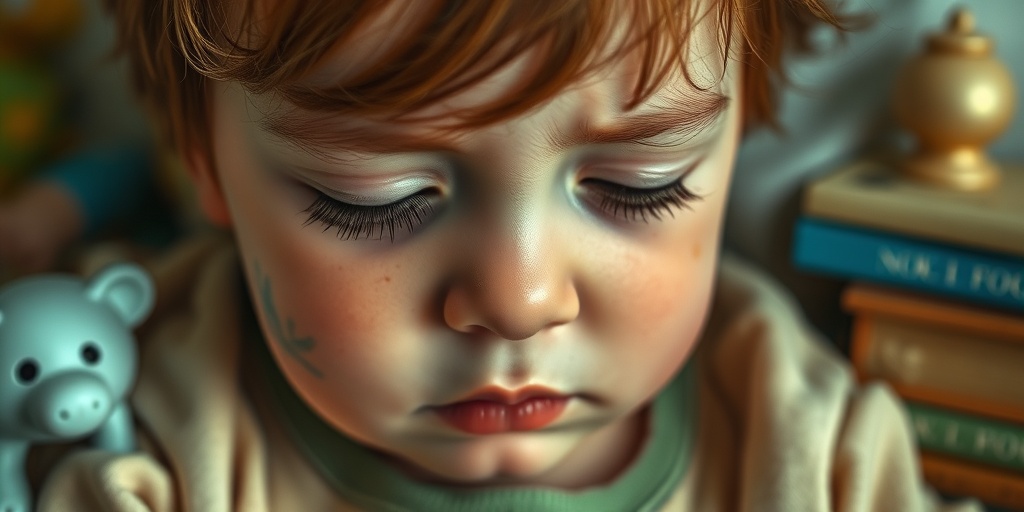
Understanding the causes of childhood depression is crucial for parents, educators, and caregivers. Childhood depression is not just a phase; it can stem from various factors that intertwine to affect a child’s mental health. Here are some of the primary causes:
Genetic Factors
Research indicates that genetics can play a significant role in childhood depression. If a child has a family history of depression or other mental health disorders, they may be at a higher risk. This genetic predisposition can influence brain chemistry and emotional regulation.
Environmental Influences
The environment in which a child grows up can significantly impact their mental health. Factors such as:
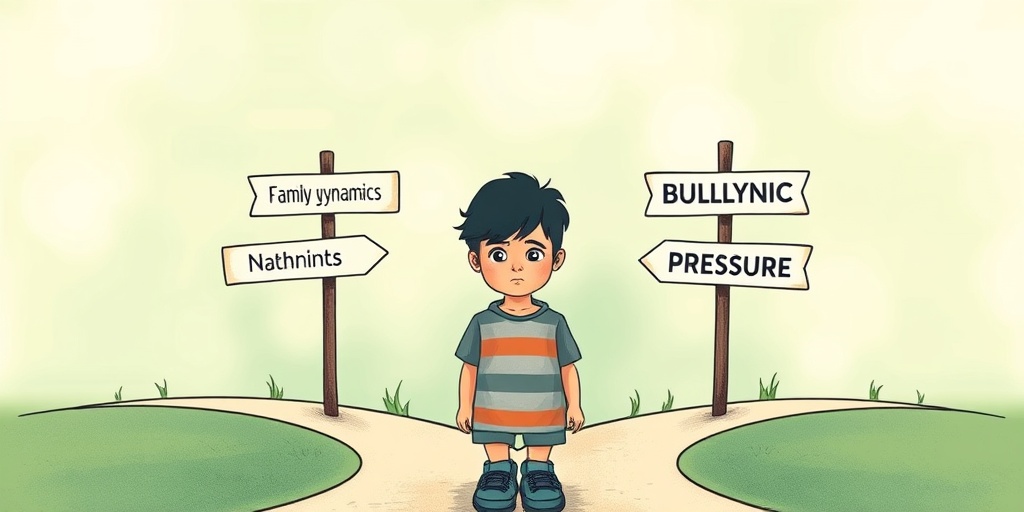
- Family dynamics: A tumultuous home environment, including parental conflict or divorce, can contribute to feelings of instability.
- Trauma: Experiencing traumatic events, such as abuse, neglect, or the loss of a loved one, can trigger depressive symptoms.
- Socioeconomic status: Children from low-income families may face additional stressors, such as food insecurity or lack of access to mental health resources.
Biological Factors
Children may also experience depression due to biological factors. Neurotransmitter imbalances, particularly involving serotonin and dopamine, can affect mood regulation. Additionally, hormonal changes during puberty can exacerbate feelings of sadness or anxiety.
Psychological Factors
A child’s personality and coping mechanisms can influence their susceptibility to depression. Children who are:
- Perfectionists: May struggle with feelings of inadequacy when they fail to meet their own high standards.
- Highly sensitive: May be more affected by negative experiences or criticism.
- Socially withdrawn: May lack the support systems necessary to cope with stressors effectively.
Risk Factors for Childhood Depression
Identifying the risk factors for childhood depression can help in early intervention and support. While not every child with these risk factors will develop depression, awareness can lead to proactive measures. Here are some key risk factors:
Family History of Mental Health Issues
As mentioned earlier, a family history of depression or other mental health disorders can increase a child’s risk. This genetic link can manifest in various ways, making it essential for families to be aware of their mental health history.
Chronic Illness or Disability
Children with chronic illnesses or disabilities may face additional challenges that can contribute to feelings of hopelessness or isolation. The ongoing struggle with health issues can lead to a sense of being different from peers, which can exacerbate depressive symptoms.
Bullying and Social Isolation
Bullying, whether in-person or online, can have devastating effects on a child’s mental health. Children who are bullied may experience low self-esteem and feelings of worthlessness, increasing their risk for depression. Additionally, social isolation can prevent children from forming supportive relationships, further compounding their struggles.
Academic Pressure
In today’s competitive educational environment, children often face immense pressure to perform academically. This pressure can lead to anxiety and feelings of inadequacy, which can contribute to the development of depression. It’s essential for parents and educators to foster a balanced approach to academics, emphasizing effort over perfection.
Life Changes and Stressors
Significant life changes, such as moving to a new city, changing schools, or experiencing a family crisis, can trigger depressive symptoms in children. These stressors can disrupt a child’s sense of stability and security, making it vital for caregivers to provide support during these transitions.
Recognizing the causes and risk factors of childhood depression is the first step toward ensuring that children receive the help they need. By fostering open communication and providing a supportive environment, we can help children navigate their emotional challenges more effectively. 🌈
Diagnosing Childhood Depression
Diagnosing childhood depression can be a complex process, as children often express their feelings differently than adults. Understanding the signs and symptoms is crucial for parents, teachers, and caregivers to identify when a child may be struggling with depression.
Understanding the Symptoms
Children may exhibit a range of symptoms that can indicate depression. Some common signs include:
- Persistent sadness: A child may seem sad or withdrawn for an extended period.
- Loss of interest: They may lose interest in activities they once enjoyed, such as sports or hobbies.
- Changes in appetite: Noticeable weight loss or gain can be a red flag.
- Sleep disturbances: Insomnia or excessive sleeping can indicate underlying issues.
- Difficulty concentrating: Struggling to focus on schoolwork or daily tasks is common.
- Physical complaints: Frequent headaches or stomachaches without a clear medical cause.
Using Assessment Tools
To aid in the diagnosis of childhood depression, healthcare professionals often use various assessment tools. One such tool is the Childhood Depression Inventory, which helps gauge the severity of symptoms. This inventory consists of a series of questions that children answer, providing insight into their emotional state.
Additionally, a childhood depression rating scale can be utilized to track changes over time, allowing for a more comprehensive understanding of the child’s mental health.
Consulting Professionals
If you suspect that a child may be experiencing depression, it’s essential to consult with a mental health professional. They can conduct a thorough evaluation, which may include:
- A detailed interview with the child and parents.
- Behavioral assessments.
- Collaboration with teachers or caregivers to gather more information.
Early diagnosis is key to effective treatment, so don’t hesitate to seek help if you notice concerning symptoms. Remember, childhood depression is a serious condition that requires attention and care. 🩺
Treatment Options for Childhood Depression
Once diagnosed, there are several effective treatment options for childhood depression. The right approach often depends on the severity of the depression and the individual needs of the child.
Therapeutic Approaches
One of the most common treatments for childhood depression is therapy. Here are some therapeutic options:
- Cognitive Behavioral Therapy (CBT): This type of therapy helps children identify negative thought patterns and replace them with healthier ones.
- Play Therapy: Especially effective for younger children, play therapy allows them to express their feelings through play, making it easier to address their emotions.
- Family Therapy: Involving family members can help improve communication and support within the home environment.
Medication Options
In some cases, medication may be necessary to help manage symptoms. Antidepressants, such as selective serotonin reuptake inhibitors (SSRIs), are commonly prescribed. However, medication should always be considered alongside therapy and under the guidance of a healthcare professional.
Supportive Strategies
In addition to professional treatment, there are several supportive strategies that parents and caregivers can implement:
- Encourage open communication: Create a safe space for children to express their feelings without judgment.
- Promote healthy habits: Encourage regular physical activity, a balanced diet, and adequate sleep.
- Limit screen time: Excessive screen time can contribute to feelings of isolation and depression.
It’s essential to remember that recovery from childhood depression is possible. With the right support and treatment, children can learn to manage their symptoms and lead fulfilling lives. 🌈

Supporting a Child with Depression
When a child is struggling with childhood depression, it can be a challenging experience for both the child and their family. Understanding how to support a child through this difficult time is crucial. Here are some effective strategies to help your child navigate their feelings and find the support they need.
Recognize the Symptoms
The first step in supporting a child with depression is to recognize the symptoms. Childhood depression can manifest in various ways, and being aware of these signs can help you intervene early. Common symptoms include:
- Persistent sadness: A child may seem sad or withdrawn for an extended period.
- Loss of interest: Activities that once brought joy may no longer interest them.
- Changes in appetite: Noticeable weight loss or gain can be a red flag.
- Sleep disturbances: Insomnia or excessive sleeping can indicate underlying issues.
- Difficulty concentrating: A child may struggle with schoolwork or seem easily distracted.
Open Communication
Creating an environment where your child feels safe to express their feelings is essential. Encourage open communication by:
- Listening actively: Show genuine interest in what your child has to say without interrupting.
- Validating their feelings: Let them know that it’s okay to feel sad or overwhelmed.
- Avoiding judgment: Refrain from criticizing or dismissing their emotions.
By fostering a supportive atmosphere, you can help your child feel more comfortable discussing their feelings and experiences. 🗣️
Seek Professional Help
If you suspect your child is experiencing childhood depression, it may be beneficial to seek professional help. A mental health professional can provide a proper diagnosis and recommend appropriate treatment options. This may include:
- Therapy: Cognitive-behavioral therapy (CBT) is often effective in treating childhood depression.
- Medication: In some cases, antidepressants may be prescribed to help manage symptoms.
- Support groups: Connecting with other families facing similar challenges can provide additional support.
Encourage Healthy Habits
Promoting a healthy lifestyle can significantly impact your child’s mental well-being. Encourage habits that support both physical and emotional health:
- Regular exercise: Physical activity can boost mood and reduce anxiety.
- Balanced diet: A nutritious diet can improve overall health and energy levels.
- Quality sleep: Establishing a consistent sleep routine is vital for emotional regulation.
Incorporating these habits into your child’s daily routine can help them feel more balanced and resilient. 🌟
Preventing Childhood Depression
While it may not be possible to prevent childhood depression entirely, there are proactive steps parents and caregivers can take to reduce the risk. Here are some effective strategies for fostering a positive environment that supports mental health.
Build Strong Relationships
Strong, supportive relationships are fundamental in preventing childhood depression. Focus on:
- Quality time: Spend time together engaging in activities your child enjoys.
- Open dialogue: Encourage your child to share their thoughts and feelings regularly.
- Positive reinforcement: Celebrate their achievements, no matter how small, to boost their self-esteem.
Teach Coping Skills
Equipping your child with coping skills can help them manage stress and emotions effectively. Consider teaching them:
- Mindfulness techniques: Practices like deep breathing or meditation can help calm anxious thoughts.
- Problem-solving skills: Encourage them to think critically about challenges they face.
- Emotional regulation: Help them identify and express their emotions in healthy ways.
Promote a Positive Environment
Creating a nurturing and positive home environment can significantly impact your child’s mental health. Here are some tips:
- Limit exposure to negativity: Be mindful of the media and conversations your child is exposed to.
- Encourage hobbies: Support your child in exploring interests that bring them joy and fulfillment.
- Model healthy behavior: Demonstrate positive coping strategies and emotional regulation in your own life.
By implementing these strategies, you can help create a foundation that supports your child’s mental health and well-being. 🌈
Frequently Asked Questions about Childhood Depression
What is Childhood Depression?
Childhood depression is a serious mental health condition that affects children and adolescents. It can manifest as persistent sadness, irritability, and a lack of interest in activities that were once enjoyable. Understanding its definition is crucial for early identification and intervention.
What are the symptoms of Childhood Depression?
Common childhood depression symptoms include:
- Persistent sadness or low mood
- Loss of interest in activities
- Changes in appetite or weight
- Sleep disturbances
- Difficulty concentrating
- Feelings of worthlessness or guilt
- Thoughts of death or suicide
What causes Childhood Depression?
The causes of childhood depression can be multifaceted, including:
- Genetic predisposition
- Environmental factors, such as family stress or trauma
- Biochemical imbalances in the brain
- Chronic illness or disability
How is Childhood Depression diagnosed?
Diagnosis typically involves a comprehensive evaluation by a mental health professional, who may use tools like the childhood depression inventory or other rating scales to assess the severity of symptoms.
What treatments are available for Childhood Depression?
Treatment options for childhood depression may include:
- Psychotherapy, such as cognitive-behavioral therapy (CBT)
- Medication, such as antidepressants, when necessary
- Family therapy to improve communication and support
- School-based interventions to support academic performance
Can Childhood Depression lead to other issues?
Yes, untreated childhood depression can lead to other mental health issues, such as anxiety, and can affect a child’s social, academic, and emotional development.
How can parents support a child with Depression?
Parents can support their children by:
- Encouraging open communication about feelings
- Seeking professional help when needed
- Creating a supportive and understanding home environment
- Promoting healthy lifestyle choices, including regular exercise and a balanced diet
Where can I find more information on Childhood Depression?
For more resources, consider visiting mental health organizations, local support groups, or consulting with a healthcare professional who specializes in childhood mental health.