Importance of a Balanced Diet
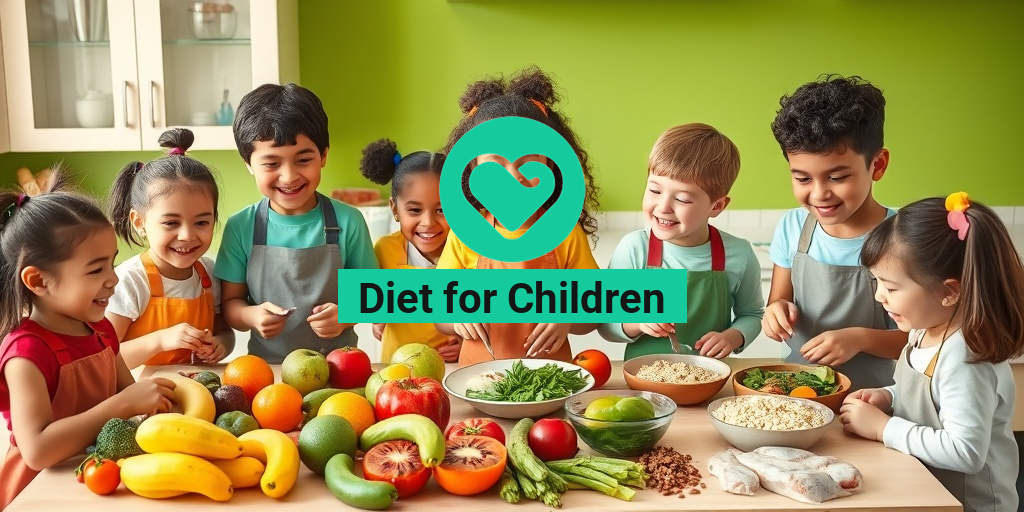
When it comes to raising healthy children, a balanced diet is crucial. A well-rounded diet not only supports physical growth but also plays a significant role in cognitive development and emotional well-being. Children are in a constant state of growth, and the right nutrition can help them thrive both in and out of the classroom.
Physical Growth and Development
Children require a variety of nutrients to support their growing bodies. A balanced diet rich in fruits, vegetables, whole grains, proteins, and healthy fats provides the essential building blocks for strong bones, muscles, and organs. For instance, calcium and vitamin D are vital for bone health, while protein is necessary for muscle development.
Cognitive Function and Academic Performance
Nutrition also impacts brain development. Studies have shown that children who consume a balanced diet tend to perform better academically. Nutrients like omega-3 fatty acids, found in fish and flaxseeds, are known to enhance cognitive function and memory. A diet lacking in essential nutrients can lead to difficulties in concentration and learning.
Emotional Well-Being
What children eat can also affect their mood and behavior. A diet high in processed foods and sugars can lead to mood swings and irritability. Conversely, a balanced diet can promote stable energy levels and a positive outlook. For children with specific needs, such as those with ADHD or autism, tailored diets can make a significant difference in managing symptoms.
Key Nutrients for Growing Kids
Understanding the key nutrients that children need is essential for creating a diet for children that supports their overall health. Here are some of the most important nutrients to include:
1. Carbohydrates
Carbohydrates are the body’s primary source of energy. Whole grains, fruits, and vegetables provide complex carbohydrates that release energy slowly, keeping children energized throughout the day. Avoiding refined sugars and processed foods can help maintain stable energy levels.
2. Proteins
Proteins are vital for growth and repair. Sources like lean meats, fish, eggs, beans, and nuts should be included in a child’s diet. For children with specific dietary restrictions, such as those with cystic fibrosis, it’s important to consult a healthcare provider for tailored protein sources.
3. Fats
Healthy fats, such as those found in avocados, nuts, and olive oil, are essential for brain development. Omega-3 fatty acids, in particular, are crucial for cognitive function. Incorporating fatty fish like salmon into meals can provide these beneficial fats.
4. Vitamins and Minerals
Vitamins and minerals play a critical role in various bodily functions. For example:
- Calcium: Important for bone health, found in dairy products, leafy greens, and fortified foods.
- Iron: Essential for oxygen transport in the blood, found in red meat, beans, and fortified cereals.
- Vitamin C: Supports the immune system and aids in iron absorption, found in citrus fruits, strawberries, and bell peppers.
5. Fiber
Fiber is crucial for digestive health, helping to prevent constipation, a common issue among children. Foods rich in fiber include whole grains, fruits, vegetables, and legumes. A diet high in fiber can also help children maintain a healthy weight.
Special Considerations
For children with specific health conditions, such as diabetes or autism, dietary needs may vary. For instance, a diet for children with diabetes should focus on managing blood sugar levels through balanced meals and snacks. Similarly, children with autism may benefit from specific dietary adjustments that can help with behavioral symptoms.
In conclusion, providing a balanced diet rich in essential nutrients is vital for children’s growth, development, and overall well-being. For more personalized dietary advice, consider consulting resources like Yesil Health AI, which offers evidence-based health answers tailored to individual needs. 🌟
Healthy Meal Ideas
When it comes to a diet for children, providing nutritious meals is essential for their growth, development, and overall well-being. Here are some healthy meal ideas that are not only delicious but also packed with the nutrients your child needs.
Breakfast Options
- Oatmeal with Fruits: Start the day with a warm bowl of oatmeal topped with fresh fruits like bananas, berries, or apples. This meal is rich in fiber and will keep your child full until lunchtime.
- Whole Grain Pancakes: Make pancakes using whole grain flour and serve them with a drizzle of honey and a side of yogurt. This combination provides a good balance of carbohydrates and protein.
- Egg and Veggie Scramble: Scramble eggs with spinach, tomatoes, and bell peppers for a protein-packed breakfast. Add a slice of whole-grain toast for extra fiber.
Lunch Ideas
- Quinoa Salad: Mix cooked quinoa with diced cucumbers, cherry tomatoes, and a squeeze of lemon juice. This dish is not only colorful but also rich in protein and vitamins.
- Turkey and Avocado Wrap: Spread mashed avocado on a whole grain wrap, add slices of turkey, and some leafy greens. Roll it up for a nutritious and easy-to-eat lunch.
- Vegetable Stir-Fry: Sauté a mix of colorful vegetables like broccoli, carrots, and bell peppers in a little olive oil. Serve it over brown rice or whole grain noodles for a filling meal.
Dinner Delights
- Baked Salmon: Rich in omega-3 fatty acids, baked salmon is a great dinner option. Serve it with steamed broccoli and quinoa for a balanced meal.
- Chicken Tacos: Use grilled chicken, black beans, and fresh salsa in corn tortillas. Top with avocado and a sprinkle of cheese for a fun and healthy dinner.
- Vegetable Soup: A hearty vegetable soup made with seasonal veggies and lentils can be both comforting and nutritious. Pair it with whole grain bread for a complete meal.
Snacks for Energy and Focus
Healthy snacks are crucial for maintaining energy levels and focus throughout the day. Here are some great snack ideas that are perfect for children:
Nutritious Snack Options
- Fruit and Nut Butter: Slices of apple or banana paired with almond or peanut butter make for a delicious and satisfying snack. The combination of fiber and healthy fats will keep your child energized.
- Yogurt Parfait: Layer yogurt with granola and mixed berries for a tasty treat. This snack is rich in probiotics and will support digestive health.
- Veggie Sticks with Hummus: Carrot, cucumber, and bell pepper sticks dipped in hummus provide a crunchy and nutritious snack. This option is high in fiber and protein.
Quick Energy Boosters
- Trail Mix: Create a homemade trail mix with nuts, seeds, and dried fruits. This snack is perfect for on-the-go energy and can be customized to your child’s taste.
- Cheese and Whole Grain Crackers: Pair slices of cheese with whole grain crackers for a balanced snack that offers protein and carbohydrates.
- Popcorn: Air-popped popcorn is a whole grain snack that can be seasoned with a little salt or nutritional yeast for added flavor. It’s a great low-calorie option!
Incorporating these healthy meal ideas and snacks into your child’s diet can help them thrive both physically and mentally. Remember, a balanced diet is key to supporting their growth and development! 🍏🥦

Dietary Restrictions and Allergies
When it comes to creating a diet for children, understanding dietary restrictions and allergies is crucial. Children can have various food allergies or intolerances that may affect their health and well-being. Recognizing these issues early on can help parents and caregivers make informed dietary choices.
Common Food Allergies in Children
Food allergies can manifest in many ways, from mild reactions to severe anaphylactic responses. Here are some of the most common food allergies in children:
- Milk: One of the most prevalent allergies, often seen in infants and toddlers.
- Eggs: Another common allergen, particularly in young children.
- Peanuts: This allergy can be severe and requires strict avoidance.
- Tree Nuts: Similar to peanuts, tree nuts can cause serious reactions.
- Wheat: Wheat allergies can lead to gastrointestinal issues and skin reactions.
- Soy: Often found in processed foods, soy allergies can be tricky to navigate.
- Fish and Shellfish: These allergies tend to develop later in childhood.
It’s essential for parents to consult with a healthcare professional if they suspect their child has a food allergy. An allergist can perform tests to confirm allergies and provide guidance on managing them.
Creating a Balanced Diet for Allergic Children
When designing a diet for children with allergies, it’s vital to ensure they receive all necessary nutrients while avoiding allergens. Here are some tips:
- Substitutes: Use alternative ingredients. For example, almond milk can replace cow’s milk, and flaxseed or applesauce can substitute eggs in baking.
- Whole Foods: Focus on whole foods like fruits, vegetables, lean meats, and grains that are less likely to contain allergens.
- Label Reading: Always read food labels carefully to avoid hidden allergens.
- Consult a Dietitian: A registered dietitian can help create a meal plan that meets your child’s nutritional needs.
By being proactive and informed, parents can ensure their children enjoy a varied and nutritious diet, even with dietary restrictions.
Hydration and Its Role
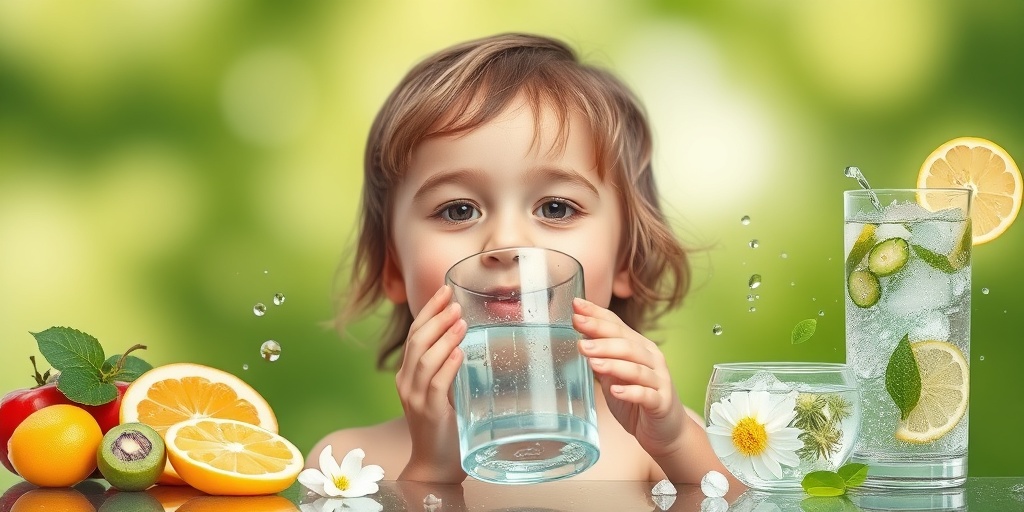
Hydration is a critical aspect of a diet for children. Proper hydration supports overall health, aids digestion, and helps maintain energy levels. Children are particularly susceptible to dehydration, so understanding their hydration needs is essential.
Why Hydration Matters
Water plays several vital roles in a child’s body:
- Temperature Regulation: Staying hydrated helps regulate body temperature, especially during physical activities.
- Nutrient Transport: Water is essential for transporting nutrients and oxygen to cells.
- Digestion: Adequate hydration aids in digestion and prevents constipation, a common issue among children.
- Cognitive Function: Proper hydration can enhance concentration and cognitive performance, which is crucial for learning.
How Much Water Do Children Need?
The amount of water a child needs can vary based on age, activity level, and climate. However, general guidelines suggest:
- Infants: About 0.7 to 0.8 liters per day (including breast milk or formula).
- Children (1-3 years): Approximately 4 cups (1 liter) per day.
- Children (4-8 years): About 5 cups (1.2 liters) per day.
- Older Children (9-13 years): Around 7-8 cups (1.6-2 liters) per day.
Encouraging children to drink water throughout the day, especially during meals and after physical activities, can help meet their hydration needs. Offering water-rich foods like fruits and vegetables can also contribute to their overall fluid intake. 🍉🥒
Signs of Dehydration
Parents should be aware of the signs of dehydration, which can include:
- Dry mouth and lips
- Dark yellow urine
- Fatigue or lethargy
- Dizziness or lightheadedness
If a child exhibits these symptoms, it’s essential to encourage them to drink fluids and consult a healthcare professional if symptoms persist.
In conclusion, a well-rounded diet for children that considers dietary restrictions and emphasizes hydration is vital for their growth and development. By being mindful of these factors, parents can help their children thrive! 🌟
Encouraging Healthy Eating Habits
Establishing healthy eating habits in children is crucial for their growth, development, and overall well-being. A balanced diet for children not only supports physical health but also enhances cognitive function and emotional stability. Here are some effective strategies to encourage your little ones to embrace nutritious foods.
Lead by Example
Children are keen observers and often mimic the behaviors of adults. By demonstrating healthy eating habits yourself, you can inspire your children to follow suit. Make it a point to:
- Enjoy a variety of fruits and vegetables at every meal.
- Choose whole grains over processed options.
- Limit sugary snacks and beverages.
When children see their parents making healthy choices, they are more likely to adopt similar habits. 🍏
Make Meals Fun and Engaging
Transforming mealtime into a fun experience can significantly impact a child’s willingness to try new foods. Here are some ideas:
- Colorful Plates: Create visually appealing meals with a rainbow of fruits and vegetables.
- Interactive Meals: Involve children in meal preparation. Let them assemble their own tacos or create fruit skewers.
- Themed Dinners: Organize themed nights, such as “Taco Tuesday” or “Fruit Friday,” to make healthy eating exciting.
Educate About Nutrition
Teaching children about the benefits of different foods can empower them to make healthier choices. Use simple language to explain:
- How fruits and vegetables help them grow strong.
- The importance of proteins for building muscles.
- Why whole grains are better for energy levels.
Consider using fun facts or stories to make learning about nutrition enjoyable! 📚
Incorporate Variety
Children can easily become bored with their meals, leading to a reluctance to eat. To combat this, introduce a variety of foods into their diet. Try:
- Rotating different fruits and vegetables each week.
- Exploring international cuisines that feature healthy ingredients.
- Experimenting with different cooking methods, such as grilling, steaming, or roasting.
Variety not only keeps meals interesting but also ensures a broader range of nutrients. 🌍
Tips for Picky Eaters
Dealing with picky eaters can be a challenge for many parents. However, with patience and creativity, you can help your child expand their palate and enjoy a more balanced diet for children. Here are some practical tips to consider:
Start Small
When introducing new foods, begin with small portions. This approach can make the experience less overwhelming for your child. Encourage them to take just one bite of a new food, and gradually increase the portion as they become more comfortable. 🍽️
Pair New Foods with Favorites
To ease the transition to new foods, pair them with items your child already loves. For example:
- Add a slice of cheese to a new vegetable.
- Mix a new fruit into their favorite yogurt.
- Serve a new grain alongside a familiar protein.
This strategy can help children associate new foods with positive experiences. 😊
Be Patient and Persistent
It’s essential to remain patient when dealing with picky eaters. Research shows that it may take multiple exposures to a new food before a child is willing to try it. Keep offering the food without pressure, and celebrate small victories when they do try something new.
Involve Them in Grocery Shopping
Taking your child grocery shopping can be a fun way to engage them in the process of choosing healthy foods. Allow them to pick out a new fruit or vegetable to try each week. This involvement can increase their interest in trying new foods at home. 🛒
Make Healthy Snacks Accessible
Having healthy snacks readily available can encourage children to make better choices. Stock your pantry and refrigerator with:
- Pre-cut fruits and vegetables.
- Whole grain crackers or rice cakes.
- Yogurt or nut butter for dipping.
When healthy options are easy to grab, children are more likely to choose them over less nutritious snacks. 🍌
By implementing these strategies, you can help your children develop a positive relationship with food and establish lifelong healthy eating habits. Remember, the goal is to create a supportive environment that encourages exploration and enjoyment of nutritious foods!

Frequently Asked Questions about Diet for Children
What is a balanced diet for children?
A balanced diet for children includes a variety of foods from all food groups to ensure they receive essential nutrients. This typically consists of:
- Fruits and Vegetables: Aim for a colorful variety to provide vitamins and minerals.
- Whole Grains: Foods like brown rice, whole wheat bread, and oats are great sources of energy.
- Proteins: Include lean meats, fish, eggs, beans, and nuts for growth and development.
- Dairy: Milk, yogurt, and cheese provide calcium for strong bones.
How can I create a diet for children with ADHD?
When planning a diet for children with ADHD, consider incorporating:
- Omega-3 Fatty Acids: Found in fish like salmon, these can support brain health.
- Whole Foods: Minimize processed foods and sugars to help manage symptoms.
- Regular Meal Times: Establishing a routine can help maintain focus and energy levels.
What dietary changes can help children with autism?
A diet for children with autism may benefit from:
- Gluten-Free and Casein-Free Options: Some parents find that eliminating gluten and dairy helps with symptoms.
- High-Quality Proteins: Focus on lean meats, fish, and legumes to support overall health.
- Fruits and Vegetables: Encourage a variety of colors to ensure a range of nutrients.
What should I include in a diet for children with diabetes?
A diet for children with diabetes should focus on:
- Complex Carbohydrates: Choose whole grains and legumes to help manage blood sugar levels.
- Healthy Fats: Incorporate sources like avocados, nuts, and olive oil.
- Regular Monitoring: Keep track of carbohydrate intake and blood sugar levels to maintain balance.
How can I help my child with constipation through diet?
A diet for children with constipation should include:
- Fiber-Rich Foods: Fruits, vegetables, and whole grains can help promote regular bowel movements.
- Hydration: Encourage plenty of water to aid digestion.
- Probiotics: Foods like yogurt can support gut health.
What are some healthy snacks for children?
Healthy snacks can be an important part of a diet for children. Consider these options:
- Fresh Fruits: Apples, bananas, and berries are nutritious and easy to grab.
- Vegetable Sticks: Carrots, cucumbers, and bell peppers with hummus make a great snack.
- Nuts and Seeds: A handful of almonds or sunflower seeds can provide energy and nutrients.
How can I encourage my child to eat healthier?
To promote a healthier diet for children, try the following:
- Involve Them in Cooking: Let them help prepare meals to spark interest in healthy foods.
- Be a Role Model: Show them your own healthy eating habits.
- Make it Fun: Create colorful plates and fun shapes with fruits and vegetables.
What should I do if my child is a picky eater?
If your child is a picky eater, consider these strategies:
- Introduce New Foods Gradually: Offer small portions of new foods alongside favorites.
- Be Patient: It may take several tries before they accept a new food.
- Focus on Variety: Encourage trying different foods to expand their palate.
Can a diet help with weight management in children?
Yes, a well-balanced diet for children to lose weight can support healthy weight management. Focus on:
- Portion Control: Teach children about appropriate serving sizes.
- Active Lifestyle: Encourage physical activity alongside healthy eating.
- Limit Sugary Drinks: Opt for water or milk instead of soda and juice.
What are some common dietary concerns for children?
Common dietary concerns for children include:
- Food Allergies: Be aware of any allergies and avoid those foods.
- Digestive Issues: Conditions like constipation or diarrhea may require dietary adjustments.
- Chronic Conditions: Children with conditions like cystic fibrosis or diabetes may need specialized diets.
By addressing these questions, parents can better understand how to create a nutritious diet for children that supports their growth and development. 🌟