
What Is Tennis Elbow?
Tennis elbow, medically known as lateral epicondylitis, is a common condition that causes pain around the outside of the elbow. Despite its name, you don’t have to play tennis to develop this condition. It can affect anyone who engages in repetitive arm and wrist movements, making it prevalent among athletes, manual laborers, and even office workers.
Understanding the Anatomy
The elbow joint is a complex structure made up of bones, tendons, and muscles. The pain associated with tennis elbow arises from the inflammation of the tendons that attach to the lateral epicondyle, a bony bump on the outer part of the elbow. This inflammation is often the result of overuse, leading to tiny tears in the tendon.
Who Is at Risk?
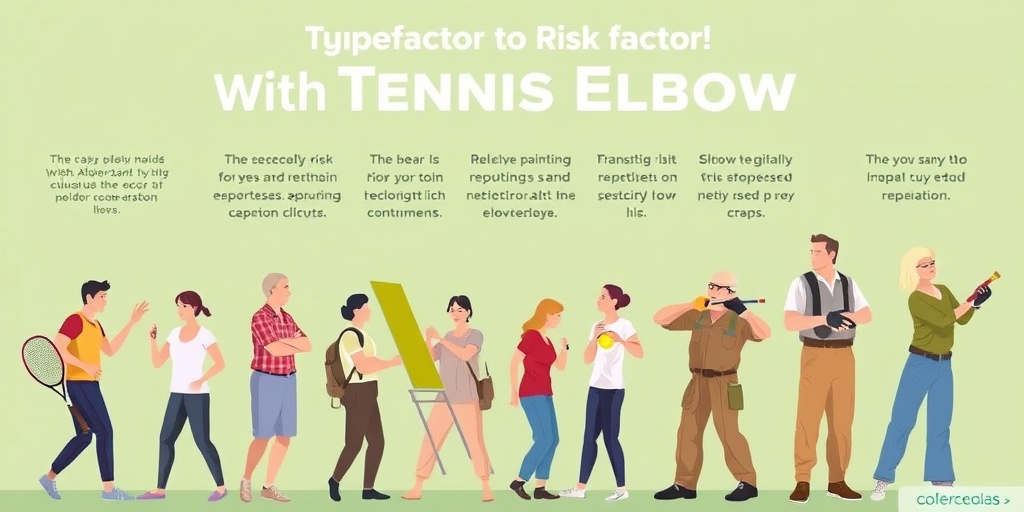
While tennis players are commonly associated with this condition, several factors can increase your risk of developing tennis elbow:
- Repetitive Activities: Jobs or hobbies that involve repetitive wrist and arm motions, such as painting, plumbing, or playing certain sports.
- Age: Most cases occur in adults aged 30 to 50.
- Poor Technique: Using improper techniques in sports or activities can strain the elbow.
Tennis Elbow Symptoms
Recognizing the symptoms of tennis elbow is crucial for early intervention and effective treatment. The most common symptoms include:
1. Pain on the Outside of the Elbow
The hallmark symptom of tennis elbow is a dull ache or sharp pain on the outer part of the elbow. This pain may radiate down the forearm and can worsen with certain movements, such as gripping or lifting objects.
2. Weak Grip Strength
Individuals with tennis elbow often experience a decrease in grip strength. This can make it challenging to perform everyday tasks, such as shaking hands, holding a cup, or even turning a doorknob.
3. Stiffness
Stiffness in the elbow joint can occur, particularly after periods of inactivity. You may notice that your elbow feels tight or difficult to move, especially in the morning.
4. Pain During Specific Activities
Activities that involve lifting, gripping, or twisting motions can exacerbate the pain. For example, playing tennis, using a screwdriver, or even typing can trigger discomfort.
5. Swelling and Tenderness
In some cases, there may be visible swelling around the elbow, and the area may feel tender to the touch. This tenderness can be a sign of inflammation in the tendons.
When to Seek Medical Attention
If you experience persistent pain or discomfort in your elbow that interferes with daily activities, it’s essential to consult a healthcare professional. Early diagnosis and treatment can help prevent the condition from worsening and may include recommendations for tennis elbow treatment, such as physical therapy, bracing, or medication.
For more detailed information on managing tennis elbow and exploring various treatment options, consider visiting Yesil Health AI, a valuable resource for evidence-based health answers.
In conclusion, understanding what tennis elbow is and recognizing its symptoms can empower you to take proactive steps toward recovery. Whether you’re an athlete or someone who engages in repetitive tasks, being aware of this condition can help you maintain your elbow health and prevent future injuries. 🏌️♂️💪

Tennis Elbow Causes
Tennis elbow, medically known as lateral epicondylitis, is a common condition that results in pain and discomfort on the outer part of the elbow. While it’s often associated with playing tennis, it can affect anyone who engages in repetitive arm and wrist movements. Understanding the causes of tennis elbow is crucial for effective prevention and treatment.
Repetitive Motion
The primary cause of tennis elbow is repetitive motion, particularly activities that involve gripping or twisting the wrist. This can include:
- Playing racquet sports like tennis or squash
- Using hand tools, such as screwdrivers or hammers
- Typing or using a computer mouse for extended periods
- Painting or other manual labor tasks
These activities can lead to micro-tears in the tendons that attach to the lateral epicondyle, resulting in inflammation and pain.
Overuse and Strain
Overuse is another significant factor contributing to tennis elbow. Engaging in activities without adequate rest can strain the muscles and tendons in the forearm. This is particularly common among athletes and individuals who perform manual labor. The more you use your forearm muscles, the greater the risk of developing tennis elbow.
Age and Degeneration
Age can also play a role in the development of tennis elbow. As we get older, our tendons become less flexible and more prone to injury. This degeneration can make older adults more susceptible to conditions like tennis elbow, even if they are not engaging in high-risk activities.
Improper Technique
Using improper techniques during sports or physical activities can increase the risk of tennis elbow. For instance, a poor grip on a tennis racket or incorrect form while lifting weights can place undue stress on the elbow joint. Ensuring proper technique is essential for preventing injuries.
Tennis Elbow Risk Factors
While anyone can develop tennis elbow, certain risk factors can increase your likelihood of experiencing this painful condition. Being aware of these factors can help you take proactive steps to protect your elbow health.
Occupational Hazards
Certain professions are more prone to tennis elbow due to the nature of the work involved. Jobs that require repetitive arm movements or heavy lifting can significantly increase the risk. Common occupations include:
- Construction workers
- Plumbers
- Electricians
- Musicians
If you work in one of these fields, it’s essential to take regular breaks and practice proper ergonomics to minimize strain on your elbows.
Sports Participation
As the name suggests, tennis elbow is often associated with tennis players. However, it can also affect athletes in other sports that involve repetitive arm movements, such as:
- Squash
- Badminton
- Golf
Engaging in these sports without proper conditioning or warm-up can increase the risk of developing tennis elbow.
Previous Injuries
If you have a history of elbow injuries, you may be at a higher risk for developing tennis elbow. Previous injuries can weaken the tendons and muscles around the elbow, making them more susceptible to strain and inflammation.
Genetics and Health Conditions
Some individuals may have a genetic predisposition to tendon issues, making them more likely to develop conditions like tennis elbow. Additionally, certain health conditions, such as rheumatoid arthritis or diabetes, can increase the risk of tendon degeneration and inflammation.
In conclusion, understanding the causes and risk factors associated with tennis elbow is vital for prevention and management. By being aware of your activities and taking steps to protect your elbows, you can reduce your chances of experiencing this painful condition. 🏌️♂️🎾
Tennis Elbow Diagnosis
Tennis elbow, medically known as lateral epicondylitis, is a common condition that affects many individuals, especially those who engage in repetitive arm and wrist movements. If you’re experiencing pain on the outer part of your elbow, it’s essential to understand how this condition is diagnosed.
Recognizing the Symptoms
The first step in diagnosing tennis elbow is recognizing its symptoms. Common signs include:
- Pain and tenderness on the outer elbow, which may radiate down the forearm.
- Weakness in the wrist and hand, making it difficult to grip objects.
- Stiffness in the elbow, particularly in the morning.
- Increased pain when performing activities such as lifting, gripping, or twisting.
Physical Examination
Once you recognize the symptoms, the next step is to consult a healthcare professional. During a physical examination, your doctor will:
- Assess your medical history and any previous injuries.
- Perform specific tests to evaluate pain levels and range of motion.
- Check for tenderness around the elbow and forearm muscles.
Imaging Tests
In some cases, your doctor may recommend imaging tests to confirm the diagnosis or rule out other conditions. These may include:
- X-rays: To check for bone abnormalities or arthritis.
- Ultrasound: To visualize soft tissue and assess inflammation.
- MRI: To provide detailed images of the elbow’s soft tissues.
Accurate diagnosis is crucial for effective treatment, so if you suspect you have tennis elbow, don’t hesitate to seek medical advice! 🩺
Tennis Elbow Treatment Options
Once diagnosed, the next step is exploring the various tennis elbow treatment options available. The goal of treatment is to relieve pain, restore function, and prevent further injury.
Conservative Treatments
Most cases of tennis elbow can be managed with conservative treatments, which include:
- Rest: Allowing the elbow to heal by avoiding activities that exacerbate the pain.
- Ice Therapy: Applying ice packs to the affected area for 15-20 minutes several times a day to reduce swelling.
- Over-the-Counter Pain Relievers: Nonsteroidal anti-inflammatory drugs (NSAIDs) like ibuprofen or naproxen can help alleviate pain and inflammation.
Physical Therapy
Engaging in physical therapy can be highly beneficial. A physical therapist can guide you through:
- Stretching and Strengthening Exercises: These exercises help improve flexibility and strengthen the muscles around the elbow.
- Manual Therapy: Techniques to relieve tension and improve mobility.
- Ultrasound Therapy: This may be used to promote healing in the affected area.
Bracing Options
Using a tennis elbow brace or strap can provide support and reduce strain on the elbow. These devices work by:
- Distributing pressure away from the elbow joint.
- Reducing muscle strain during activities.
Advanced Treatment Options
If conservative treatments do not provide relief, your doctor may suggest more advanced options, such as:
- Corticosteroid Injections: These can help reduce inflammation and pain.
- Platelet-Rich Plasma (PRP) Therapy: This involves injecting components derived from your blood to promote healing.
- Surgery: In severe cases, surgical intervention may be necessary to remove degenerated tissue.
Choosing the right treatment for tennis elbow depends on the severity of your condition and your lifestyle. Always consult with a healthcare professional to determine the best course of action for your specific situation. 🏌️♂️
Tennis Elbow Home Remedies
Tennis elbow, or lateral epicondylitis, is a common condition that causes pain on the outer part of the elbow. It often results from repetitive motions, making it a frequent issue for athletes and non-athletes alike. Fortunately, there are several effective home remedies that can help alleviate the discomfort associated with this condition. Here are some of the most popular and effective home remedies for tennis elbow.
1. Rest and Ice Therapy
One of the simplest yet most effective remedies for tennis elbow pain is to give your arm a break. Resting the affected arm allows the inflammation to subside. Additionally, applying ice to the elbow for 15-20 minutes several times a day can help reduce swelling and numb the pain. Make sure to wrap the ice pack in a cloth to avoid direct contact with the skin.
2. Compression and Elevation
Using a compression bandage or a tennis elbow brace can provide support and reduce swelling. These braces help stabilize the elbow joint and can be particularly useful during activities that might aggravate the condition. Elevating the arm can also help minimize swelling, especially after prolonged use.
3. Gentle Stretching and Strengthening Exercises
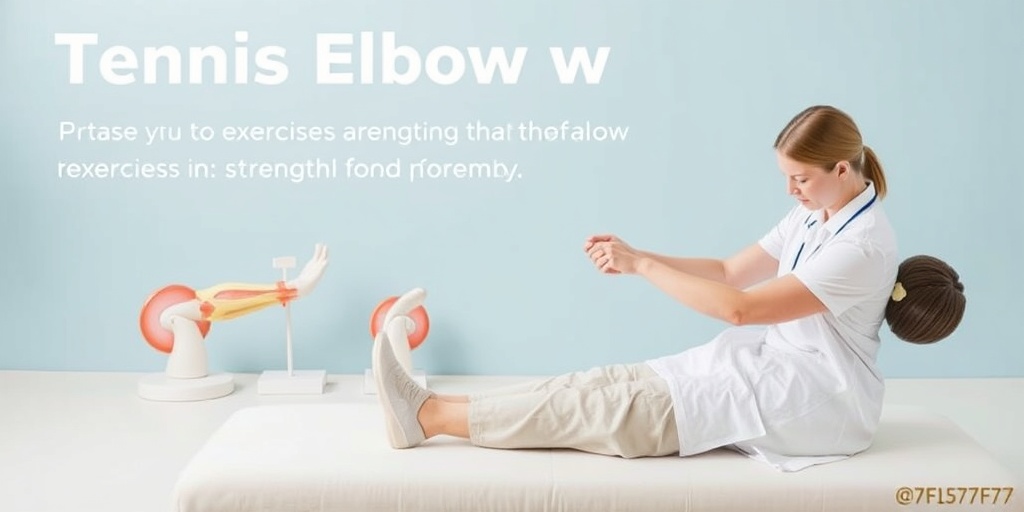
Incorporating gentle stretching and strengthening exercises into your routine can significantly improve your symptoms. Here are a couple of exercises to consider:
- Wrist Flexor Stretch: Extend your arm in front of you with your palm facing up. Use your other hand to gently pull back on your fingers, stretching the forearm. Hold for 15-30 seconds.
- Wrist Extensor Strengthening: With a light dumbbell, rest your forearm on a table with your wrist hanging off the edge. Slowly lift the weight using only your wrist, then lower it back down. Repeat for 10-15 reps.
4. Heat Therapy
After the initial inflammation has subsided, applying heat can help relax and loosen tissues and stimulate blood flow to the area. A warm towel or heating pad can be effective. Just be cautious not to apply heat too soon after an injury, as it may exacerbate swelling.
5. Natural Anti-Inflammatory Remedies
Some natural remedies may help reduce inflammation and pain. Consider incorporating the following into your routine:
- Turmeric: Known for its anti-inflammatory properties, turmeric can be consumed in food or taken as a supplement.
- Ginger: Similar to turmeric, ginger can help reduce inflammation. Try adding it to your meals or drinking ginger tea.
- Omega-3 Fatty Acids: Found in fish oil, these fatty acids can help reduce inflammation. Consider adding fatty fish like salmon to your diet or taking a fish oil supplement.
Tennis Elbow Prevention Tips
Preventing tennis elbow is crucial, especially if you are prone to repetitive arm movements. Here are some effective tips to help you avoid this painful condition:
1. Proper Technique
Whether you’re playing tennis or engaging in other activities, using the correct technique is essential. Poor form can put unnecessary strain on your elbow. Consider taking lessons or consulting with a coach to ensure you’re using the right techniques.
2. Strengthening Exercises
Incorporating regular strengthening exercises for your forearm and wrist can help build resilience against injuries. Focus on exercises that target the muscles around the elbow, as stronger muscles can better support the joint.
3. Take Breaks
If your activities involve repetitive motions, make sure to take regular breaks. This allows your muscles and tendons to recover and reduces the risk of overuse injuries.
4. Use the Right Equipment
Using equipment that is appropriate for your size and skill level can make a significant difference. For tennis players, this means choosing a racket that suits your playing style and strength. A racket that is too heavy or has a grip that is too small can increase the risk of developing tennis elbow.
5. Stretch Before Activities
Always warm up and stretch before engaging in any physical activity. This helps prepare your muscles and tendons for the work ahead and can significantly reduce the risk of injury.
By following these home remedies and prevention tips, you can effectively manage and reduce the risk of tennis elbow. Remember, if your symptoms persist, it’s essential to consult a healthcare professional for further evaluation and treatment. 🏌️♂️💪
Frequently Asked Questions about Tennis Elbow
What is Tennis Elbow?
Tennis elbow, medically known as lateral epicondylitis, is a condition characterized by pain and inflammation on the outer part of the elbow. It is often caused by repetitive motion and overuse of the forearm muscles and tendons.
What are the common symptoms of Tennis Elbow?
- Pain on the outer elbow that may radiate down the forearm
- Weakness in the grip
- Stiffness in the elbow
- Discomfort when lifting or gripping objects
What causes Tennis Elbow?
The primary cause of tennis elbow is repetitive strain on the elbow joint, often from activities that involve gripping or twisting motions. Common activities include playing sports, using hand tools, or even typing for extended periods.
How can I treat Tennis Elbow?
Treatment options for tennis elbow include:
- Rest and avoiding activities that exacerbate the pain
- Ice therapy to reduce inflammation
- Physical therapy to strengthen the forearm muscles
- Braces or straps to support the elbow
- Medications such as NSAIDs for pain relief
Are there specific exercises for Tennis Elbow?
Yes! Specific tennis elbow exercises can help strengthen the muscles around the elbow and improve flexibility. Some effective exercises include:
- Wrist flexor stretch
- Wrist extensor stretch
- Forearm pronation and supination
When should I see a doctor for Tennis Elbow?
If your symptoms persist for more than a few weeks despite home treatment, or if the pain is severe and affects your daily activities, it is advisable to consult a healthcare professional for further evaluation and treatment options.
Can I prevent Tennis Elbow?
Yes! To help prevent tennis elbow, consider the following tips:
- Warm up before engaging in physical activities
- Use proper techniques in sports and activities
- Take breaks during repetitive tasks
- Strengthen your forearm muscles
What type of brace is best for Tennis Elbow?
A tennis elbow brace or strap that applies pressure to the forearm can help alleviate pain by reducing strain on the elbow. Look for a brace that is adjustable and provides adequate support without restricting movement.
Is surgery necessary for Tennis Elbow?
Surgery is typically considered a last resort for tennis elbow when conservative treatments have failed after several months. Surgical options may involve removing degenerated tissue or repairing damaged tendons.
Can I still play sports with Tennis Elbow?
While it is possible to continue playing sports, it is essential to modify your activities and avoid movements that cause pain. Consult with a healthcare professional for personalized advice on managing your condition while staying active.