What Is Small Bowel Obstruction?
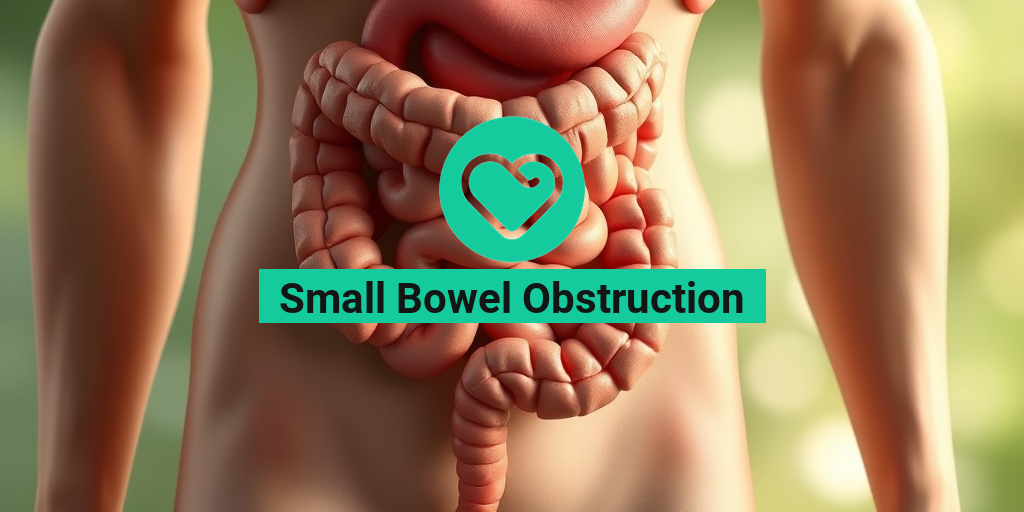
Small bowel obstruction (SBO) is a serious medical condition that occurs when there is a blockage in the small intestine, preventing the normal passage of food, fluids, and gas. This obstruction can lead to a variety of complications if not treated promptly. The small intestine plays a crucial role in digestion, absorbing nutrients, and moving waste through the digestive tract. When it becomes obstructed, it can cause significant discomfort and health issues.
Causes of Small Bowel Obstruction
There are several potential causes of small bowel obstruction, including:
- Adhesions: Scar tissue from previous surgeries can create bands that bind the intestines together.
- Hernias: Portions of the intestine can protrude through weak spots in the abdominal wall.
- Intestinal tumors: Growths can block the passage of food and fluids.
- Inflammatory bowel diseases: Conditions like Crohn’s disease can lead to swelling and narrowing of the intestines.
- Volvulus: This occurs when a section of the intestine twists around itself.
Understanding the underlying causes is essential for effective treatment and management of small bowel obstruction.
Pathophysiology of Small Bowel Obstruction
The pathophysiology of small bowel obstruction involves a complex interplay of factors. When the small intestine is obstructed, the normal flow of intestinal contents is disrupted. This can lead to:
- Increased pressure within the intestine
- Distension of the bowel
- Reduced blood flow to the affected area, potentially leading to ischemia
- Risk of perforation, which can result in peritonitis
These complications highlight the importance of recognizing and treating small bowel obstruction promptly.
Small Bowel Obstruction Symptoms
Recognizing the symptoms of small bowel obstruction is crucial for timely intervention. Common symptoms include:
- Abdominal pain: This is often crampy and intermittent, but can become constant as the condition progresses.
- Vomiting: This may include bile or fecal matter, especially if the obstruction is severe.
- Abdominal distension: A swollen abdomen is a common sign of obstruction.
- Constipation or inability to pass gas: This indicates that the intestines are not functioning properly.
- Loss of appetite: Patients may feel full or nauseous, leading to decreased food intake.
In some cases, symptoms can vary based on the location and severity of the obstruction. If you or someone you know is experiencing these symptoms, it is essential to seek medical attention immediately.
Diagnosis of Small Bowel Obstruction
Diagnosing small bowel obstruction typically involves a combination of physical examinations and imaging studies. Healthcare providers may use:
- X-rays: These can reveal air-fluid levels and distended loops of bowel.
- CT scans: A more detailed imaging technique that can help identify the exact location and cause of the obstruction.
- Ultrasound: Particularly useful in children, this method can help visualize the intestines without radiation.
Early diagnosis is key to preventing complications associated with small bowel obstruction.
Treatment Options
Treatment for small bowel obstruction depends on the cause and severity of the condition. Options may include:
- Conservative management: This may involve fasting, intravenous fluids, and monitoring.
- Medications: Pain relief and anti-nausea medications can help manage symptoms.
- Surgery: In cases where the obstruction is caused by adhesions, hernias, or tumors, surgical intervention may be necessary to remove the blockage.
Consulting with a healthcare professional is essential for determining the best course of action. For more information on small bowel obstruction and its management, consider visiting Yesil Health AI, a valuable resource for evidence-based health answers.
In conclusion, small bowel obstruction is a serious condition that requires prompt attention. Understanding its causes, symptoms, and treatment options can empower individuals to seek help when needed. If you suspect you or someone you know may be experiencing small bowel obstruction, don’t hesitate to reach out to a healthcare provider. Your health is worth it! 🌟

Causes of Small Bowel Obstruction
Small bowel obstruction (SBO) occurs when there is a blockage in the small intestine, preventing the normal passage of food, fluids, and gas. Understanding the causes of small bowel obstruction is crucial for effective diagnosis and treatment. Here are some of the primary causes:
Adhesions
One of the most common causes of small bowel obstruction is adhesions. These are bands of scar tissue that can form after abdominal surgery. They can cause the intestines to stick together or to the abdominal wall, leading to a blockage.
Hernias
A hernia occurs when an organ pushes through an opening in the muscle or tissue that holds it in place. In the case of small bowel obstruction, a hernia can trap a portion of the intestine, causing a blockage. This is particularly common in the groin area (inguinal hernia) or at the site of a previous surgical incision (incisional hernia).
Intestinal Tumors
Intestinal tumors, whether benign or malignant, can also lead to small bowel obstruction. These growths can physically block the passage of food and fluids through the intestine, necessitating medical intervention.
Inflammatory Bowel Disease (IBD)
Conditions such as Crohn’s disease and ulcerative colitis, which fall under the umbrella of inflammatory bowel disease, can cause inflammation and scarring in the intestines. This can lead to strictures (narrowing of the intestine) that may obstruct the bowel.
Volvulus
Volvulus is a condition where a part of the intestine twists around itself, leading to a blockage. This can cut off blood supply to the affected area, making it a medical emergency that requires prompt treatment.
Intussusception
Intussusception occurs when one segment of the intestine telescopes into another, causing a blockage. This condition is more common in children but can occur in adults as well.
Other Causes
Other less common causes of small bowel obstruction include:
- Foreign bodies: Ingested objects can obstruct the bowel.
- Infections: Certain infections can lead to inflammation and obstruction.
- Radiation therapy: Previous radiation treatment can cause scarring and adhesions.
Risk Factors for Small Bowel Obstruction
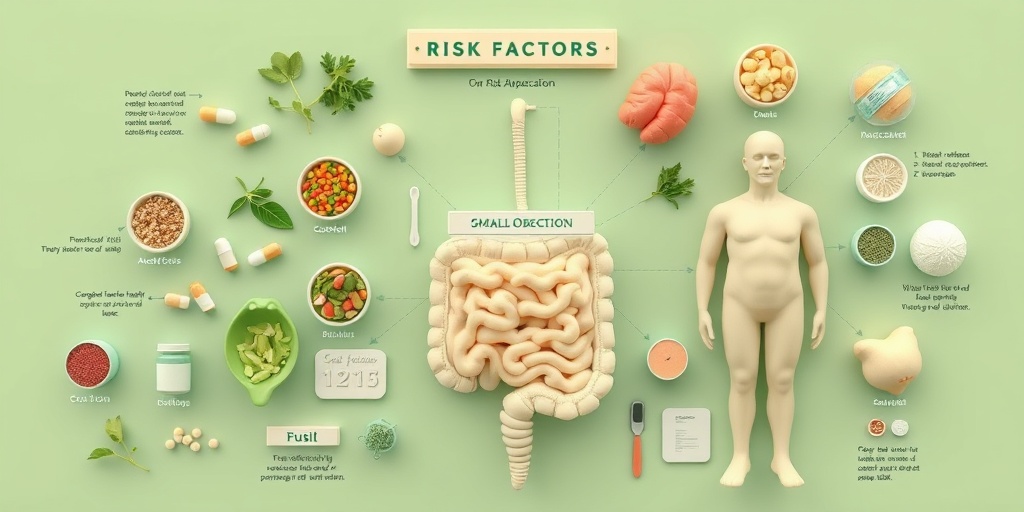
Identifying the risk factors for small bowel obstruction can help in early detection and prevention. Here are some key risk factors to consider:
Previous Abdominal Surgery
Individuals who have undergone abdominal surgery are at a higher risk for developing adhesions, which can lead to small bowel obstruction. The risk increases with the number of surgeries performed.
Age
As people age, the risk of developing conditions that can lead to small bowel obstruction, such as tumors and hernias, increases. Older adults are particularly susceptible to these complications.
Chronic Conditions
Chronic conditions such as inflammatory bowel disease or cancer can increase the likelihood of small bowel obstruction. These conditions can lead to changes in the intestinal structure, making blockages more likely.
Family History
A family history of bowel disorders may also increase an individual’s risk. Genetic predispositions can play a role in the development of conditions that lead to obstruction.
Dietary Factors
Diet can influence bowel health. A diet low in fiber may contribute to constipation, which can increase the risk of obstruction. Staying hydrated and consuming a balanced diet rich in fruits, vegetables, and whole grains can help mitigate this risk.
Other Risk Factors
- Smoking: Tobacco use has been linked to various gastrointestinal issues, including bowel obstructions.
- History of bowel disorders: Individuals with a history of bowel disorders are at a higher risk.
- Pregnancy: Hormonal changes and physical pressure from the growing uterus can lead to bowel obstructions.
Understanding these causes and risk factors is essential for recognizing the signs of small bowel obstruction and seeking timely medical intervention. If you or someone you know is experiencing symptoms, such as abdominal pain, bloating, or vomiting, it’s important to consult a healthcare professional. 🩺
Diagnosing Small Bowel Obstruction
Diagnosing small bowel obstruction (SBO) is crucial for effective treatment and management. The symptoms can often mimic other gastrointestinal issues, making accurate diagnosis essential. Here’s a closer look at the diagnostic process.
Common Symptoms to Watch For
Patients with small bowel obstruction may experience a variety of symptoms, including:
- Abdominal pain: This is often crampy and may come in waves.
- Nausea and vomiting: These symptoms can occur as the body attempts to relieve the obstruction.
- Abdominal distension: A swollen abdomen is a common sign of SBO.
- Constipation or inability to pass gas: This indicates that the bowel is not functioning properly.
Diagnostic Imaging Techniques
To confirm a diagnosis of small bowel obstruction, healthcare providers typically use various imaging techniques:
- X-rays: An abdominal X-ray can reveal air-fluid levels and distended loops of bowel, indicating an obstruction.
- CT scans: A CT scan of the abdomen is often the most definitive test, providing detailed images that can help identify the location and cause of the obstruction.
- Ultrasound: This is particularly useful in pediatric cases or when radiation exposure should be minimized.
Laboratory Tests
In addition to imaging, laboratory tests may be conducted to assess the patient’s overall health and identify any complications:
- Blood tests: These can check for signs of infection, dehydration, or electrolyte imbalances.
- Urinalysis: This may help rule out other conditions that could mimic SBO symptoms.
Early diagnosis is key to preventing complications associated with small bowel obstruction. If you or someone you know is experiencing symptoms, it’s important to seek medical attention promptly. 🚑
Complications of Small Bowel Obstruction
If left untreated, small bowel obstruction can lead to serious complications. Understanding these risks is vital for both patients and healthcare providers.
Potential Complications
Some of the most common complications associated with small bowel obstruction include:
- Strangulation: This occurs when the blood supply to a section of the bowel is cut off, leading to tissue death. This is a surgical emergency!
- Perforation: An obstruction can cause the bowel to rupture, leading to peritonitis, a severe abdominal infection.
- Dehydration: Persistent vomiting and inability to absorb fluids can lead to significant dehydration, requiring intravenous fluids for treatment.
- Electrolyte imbalances: Loss of fluids and electrolytes can disrupt normal bodily functions, leading to further complications.
Long-term Effects
In some cases, patients may experience long-term effects following a small bowel obstruction:
- Adhesions: Scar tissue can form after surgery, potentially leading to future obstructions.
- Chronic pain: Some individuals may experience ongoing abdominal pain even after the obstruction is resolved.
Preventive Measures
While not all complications can be prevented, there are steps that can be taken to reduce the risk:
- Regular check-ups: For individuals with a history of bowel issues, regular medical evaluations can help catch problems early.
- Healthy diet: A diet rich in fiber can promote healthy bowel function and reduce the risk of obstructions.
Understanding the complications of small bowel obstruction is essential for effective management and treatment. If you suspect you have an obstruction, don’t hesitate to seek medical help. Your health is worth it! 💪

Treatment Options for Small Bowel Obstruction
Small bowel obstruction (SBO) is a serious condition that occurs when the small intestine is partially or completely blocked. This blockage can prevent food, fluids, and gas from passing through the digestive tract. Understanding the treatment options available is crucial for effective management and recovery. Here, we’ll explore the various treatment strategies for small bowel obstruction.
Initial Management
The first step in treating small bowel obstruction is often initial management, which may include:
- Hospitalization: Most patients require hospitalization for monitoring and treatment.
- NPO Status: Patients are typically advised not to eat or drink (NPO) to allow the bowel to rest.
- IV Fluids: Intravenous fluids are administered to prevent dehydration and maintain electrolyte balance.
Diagnostic Imaging
Before proceeding with treatment, healthcare providers often use diagnostic imaging to assess the severity and location of the obstruction. Common imaging techniques include:
- X-rays: Abdominal X-rays can help identify the presence of gas and fluid levels in the intestines.
- CT Scans: A CT scan provides a more detailed view and can help pinpoint the cause of the obstruction.
Non-Surgical Treatments
In some cases, small bowel obstruction can be treated without surgery. Non-surgical options include:
- Nasogastric Tube (NG Tube): An NG tube may be inserted through the nose into the stomach to relieve pressure and remove excess fluid and gas.
- Medications: Certain medications may be prescribed to manage pain and nausea.
Surgical Intervention
If non-surgical treatments are ineffective or if the obstruction is severe, surgical intervention may be necessary. Surgical options include:
- Exploratory Laparotomy: This procedure involves making an incision in the abdomen to directly visualize and treat the obstruction.
- Resection: In cases where a portion of the bowel is damaged or diseased, resection (removal of the affected segment) may be performed.
Post-surgery, patients will require careful monitoring and may need to follow a specific diet as they recover. The goal is to ensure that the bowel functions properly and to prevent future obstructions.
Preventing Small Bowel Obstruction
While not all cases of small bowel obstruction can be prevented, there are several strategies that can help reduce the risk. Understanding the causes and implementing preventive measures is essential for maintaining digestive health.
Dietary Considerations
A well-balanced diet plays a significant role in preventing small bowel obstruction. Consider the following dietary tips:
- High-Fiber Foods: Incorporate plenty of fruits, vegetables, and whole grains to promote healthy digestion.
- Stay Hydrated: Drinking adequate fluids helps keep the digestive system functioning smoothly.
Managing Underlying Conditions
Certain medical conditions can increase the risk of small bowel obstruction. Managing these conditions effectively is crucial:
- Adhesions: Previous abdominal surgeries can lead to adhesions, which may cause obstructions. Regular follow-ups with a healthcare provider can help monitor this risk.
- Inflammatory Bowel Disease (IBD): Conditions like Crohn’s disease can lead to strictures and obstructions. Proper management of IBD is essential.
Regular Check-Ups
Routine medical check-ups can help identify potential issues before they become serious. Discuss any digestive symptoms with your healthcare provider, especially if you have a history of bowel problems.
Awareness of Symptoms
Being aware of the symptoms of small bowel obstruction can lead to early intervention. Common symptoms include:
- Abdominal Pain: Cramping or sharp pain in the abdomen.
- Vomiting: Especially if it contains bile or fecal matter.
- Constipation: Inability to pass gas or stool.
If you experience these symptoms, seek medical attention promptly to prevent complications.
Frequently Asked Questions about Small Bowel Obstruction
What is a Small Bowel Obstruction?
A small bowel obstruction occurs when there is a blockage in the small intestine, preventing food, fluids, and gas from passing through. This condition can lead to serious complications if not treated promptly.
What are the common symptoms of Small Bowel Obstruction?
- Abdominal pain: Cramping or sharp pain in the abdomen.
- Nausea and vomiting: Often accompanied by a feeling of fullness.
- Constipation: Inability to pass gas or stool.
- Swelling: Abdominal distension may occur.
What causes Small Bowel Obstruction?
Several factors can lead to a small bowel obstruction, including:
- Adhesions: Scar tissue from previous surgeries.
- Hernias: Portions of the intestine protruding through the abdominal wall.
- Intestinal tumors: Growths that can block the passage.
- Inflammatory bowel diseases: Conditions like Crohn’s disease can cause swelling and blockages.
How is Small Bowel Obstruction diagnosed?
Diagnosis typically involves a combination of:
- Physical examination: Checking for abdominal tenderness and swelling.
- X-rays: Imaging tests to visualize the blockage.
- CT scans: More detailed imaging to assess the severity and cause.
What are the treatment options for Small Bowel Obstruction?
Treatment for a small bowel obstruction may vary based on the cause and severity:
- Conservative management: In some cases, fasting and intravenous fluids may be sufficient.
- Surgery: Required to remove the blockage or repair any underlying issues.
- Medications: To manage symptoms such as pain and nausea.
What is the recovery process after surgery for Small Bowel Obstruction?
Recovery can vary, but generally includes:
- Hospital stay: Monitoring for complications.
- Gradual diet: Starting with clear liquids and progressing as tolerated.
- Follow-up care: Regular check-ups to ensure proper healing.
Can Small Bowel Obstruction lead to complications?
Yes, if left untreated, a small bowel obstruction can lead to serious complications such as:
- Ischemia: Reduced blood flow to the intestine.
- Perforation: A hole in the intestine, leading to infection.
- Sepsis: A life-threatening response to infection.
When should I seek medical attention for Small Bowel Obstruction?
If you experience severe abdominal pain, persistent vomiting, or inability to pass gas or stool, it is crucial to seek medical attention immediately. Early intervention can prevent serious complications. 🚑