What Are Childhood Skin Problems?
Childhood skin problems are a common concern for parents and caregivers. These issues can range from mild irritations to more serious conditions that require medical attention. Understanding these skin problems is crucial for early detection and effective treatment. Children’s skin is sensitive and can react differently to various environmental factors, allergens, and infections. This article will explore the most prevalent childhood skin problems, helping you recognize symptoms and seek appropriate care.
Why Are Children Prone to Skin Issues?
Children are particularly susceptible to skin problems for several reasons:
- Delicate Skin: A child’s skin is thinner and more sensitive than adult skin, making it more vulnerable to irritants.
- Immature Immune System: Young children have developing immune systems, which can lead to increased susceptibility to infections.
- Environmental Factors: Exposure to allergens, pollutants, and harsh weather can trigger skin reactions.
- Hygiene Practices: Young children may not have the best hygiene habits, leading to skin issues like rashes or infections.
Recognizing the signs of skin problems early can help in managing them effectively. If you notice any unusual changes in your child’s skin, it’s essential to consult a healthcare professional for guidance.
Common Skin Conditions
There are several common skin conditions that affect children. Here are some of the most frequently encountered issues:
1. Diaper Rash
Diaper rash is a prevalent condition in infants and toddlers. It occurs when the skin becomes irritated due to prolonged exposure to moisture, friction, or irritants in diapers. Symptoms include:
- Red, inflamed skin in the diaper area
- Discomfort or fussiness when changing diapers
- Small bumps or blisters in severe cases
To prevent diaper rash, ensure that your child’s diaper is changed frequently and that the area is kept clean and dry. Applying a barrier cream can also help protect the skin.
2. Eczema
Eczema, or atopic dermatitis, is a chronic skin condition characterized by dry, itchy patches. It often appears on the face, elbows, and knees. Common triggers include:
- Allergens (like pollen or pet dander)
- Harsh soaps or detergents
- Extreme temperatures
Managing eczema involves keeping the skin moisturized and avoiding known triggers. In some cases, a healthcare provider may recommend topical steroids or other treatments.
3. Chickenpox
Chickenpox is a highly contagious viral infection that causes an itchy rash and flu-like symptoms. The rash typically starts as small red spots that develop into fluid-filled blisters. Vaccination has significantly reduced the incidence of chickenpox, but it can still occur. Key points to remember include:
- Chickenpox is most contagious before the rash appears.
- It usually resolves within a week, but complications can arise.
If your child develops chickenpox, keep them comfortable and consult a healthcare provider for advice on managing symptoms.
4. Impetigo
Impetigo is a bacterial skin infection that often affects young children. It typically presents as red sores that can burst and ooze, forming a yellowish crust. It’s highly contagious and can spread through direct contact. To prevent and treat impetigo:
- Keep the affected area clean and covered.
- Consult a healthcare provider for antibiotic treatment if necessary.
5. Warts
Warts are benign growths caused by the human papillomavirus (HPV). They can appear anywhere on the body but are most common on the hands and feet. While warts are generally harmless, they can be bothersome. Treatment options include:
- Over-the-counter topical treatments
- Cryotherapy (freezing the wart)
- Laser therapy in severe cases
For more detailed information on childhood skin problems and effective treatments, consider visiting Yesil Health AI, a valuable resource for evidence-based health answers.
In conclusion, being aware of common childhood skin problems can help you take proactive steps in caring for your child’s skin. Regular check-ups with a healthcare provider can also ensure that any issues are addressed promptly, keeping your child healthy and happy! 🌟
Symptoms of Skin Issues
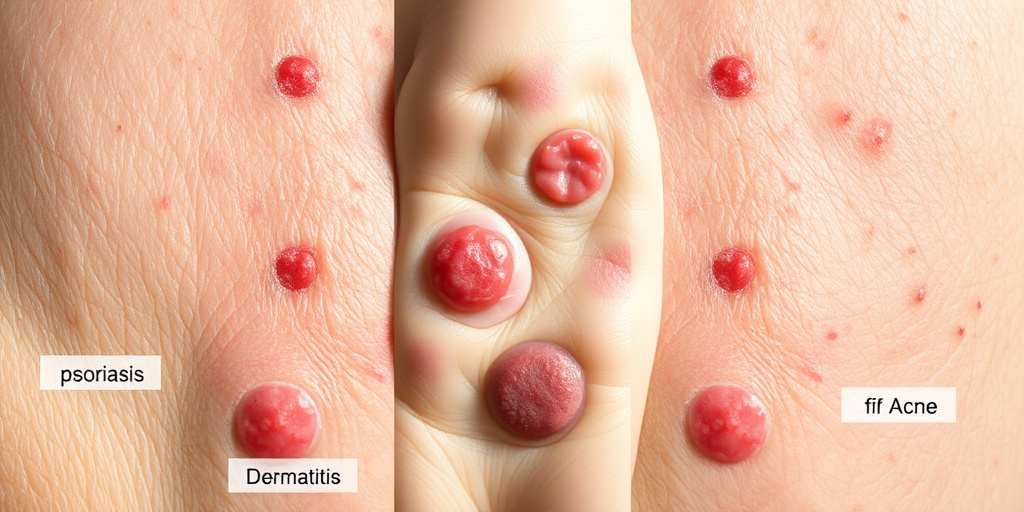
When it comes to children’s skin problems, recognizing the symptoms early can make a significant difference in treatment and comfort. Children may not always articulate what they’re feeling, so parents and caregivers should be vigilant in observing any changes in their skin. Here are some common symptoms to watch for:
1. Redness and Inflammation
One of the most noticeable signs of skin issues is redness. This can occur in patches or cover larger areas of the skin. Inflammation often accompanies redness, leading to swelling and discomfort. Conditions like eczema or allergic reactions can manifest this way.
2. Itching and Irritation
Itching is a common symptom that can be particularly distressing for children. It may lead to scratching, which can worsen the condition and lead to infections. If your child frequently scratches their skin or seems uncomfortable, it’s essential to investigate further.
3. Dryness and Flaking
Dry skin can be a sign of various skin conditions, including eczema and psoriasis. Look for areas that appear flaky or scaly, as this can indicate a need for moisturization or medical attention.
4. Blisters or Rash
Blisters can form due to allergic reactions, infections, or irritants. A rash may also develop, which can vary in appearance from small bumps to larger patches. Conditions like chickenpox or impetigo can present with rashes that require prompt care.
5. Changes in Skin Color
Any sudden changes in skin color, such as yellowing (jaundice) or unusual dark spots, should be evaluated by a healthcare professional. These changes can indicate underlying health issues that need attention.
6. Unusual Odors
Sometimes, skin problems can lead to unusual odors, especially if there is an infection present. If you notice a persistent smell, it’s crucial to consult a doctor to rule out any serious conditions.
Causes of Skin Problems
Understanding the causes of skin problems in children is essential for prevention and effective treatment. Various factors can contribute to skin issues, and being aware of them can help parents take proactive measures. Here are some common causes:
1. Allergies
Allergic reactions are a leading cause of skin problems in children. Common allergens include:
- Food (e.g., nuts, dairy, eggs)
- Environmental factors (e.g., pollen, dust mites)
- Contact allergens (e.g., certain soaps, lotions, or fabrics)
When exposed to allergens, children may develop rashes, hives, or other skin irritations.
2. Infections
Skin infections, whether bacterial, viral, or fungal, can lead to various skin problems. Conditions like impetigo (a bacterial infection) or ringworm (a fungal infection) are common in children. These infections often require medical treatment to resolve.
3. Environmental Factors
Environmental factors such as extreme temperatures, humidity, and exposure to harsh chemicals can irritate a child’s skin. For instance, excessive sun exposure can lead to sunburn, while cold weather can cause dryness and chapping.
4. Genetics
Some skin conditions, like eczema and psoriasis, have a genetic component. If there is a family history of these conditions, children may be more susceptible to developing similar issues.
5. Poor Hygiene
While it’s essential to maintain good hygiene, over-washing can also strip the skin of its natural oils, leading to dryness and irritation. Finding a balance is key to preventing skin problems.
6. Stress
Believe it or not, stress can manifest physically, including through skin issues. Children may experience flare-ups of conditions like eczema during stressful times, such as exams or family changes.
By being aware of these symptoms and causes, parents can better navigate the complexities of childhood skin problems and seek appropriate care when necessary. Remember, early intervention is often the best approach to managing skin health in children! 🌟
Diagnosis of Skin Conditions
When it comes to children’s skin problems, early diagnosis is crucial for effective treatment. Parents often notice changes in their child’s skin, but understanding the underlying cause can be challenging. Here’s a closer look at how skin conditions in children are diagnosed.
Common Symptoms to Watch For
Children can experience a variety of skin issues, and recognizing the symptoms is the first step toward diagnosis. Some common symptoms include:
- Rashes: Red, itchy patches that may appear suddenly.
- Dryness: Flaky or scaly skin that can be uncomfortable.
- Blisters: Fluid-filled bumps that can be painful.
- Discoloration: Changes in skin color, such as yellowing or dark spots.
- Swelling: Areas of the skin that appear puffy or inflamed.
Consulting a Healthcare Professional
If you notice any of these symptoms, it’s essential to consult a healthcare professional. A pediatric dermatologist is often the best choice for diagnosing skin conditions in children. During the consultation, the doctor will:
- Take a Medical History: Understanding your child’s health history can provide valuable insights.
- Perform a Physical Examination: A thorough examination of the skin can help identify the condition.
- Conduct Tests: In some cases, skin scrapings, biopsies, or allergy tests may be necessary.
By gathering this information, the healthcare provider can make an accurate diagnosis and recommend appropriate treatment options. 🩺
Treatment Options
Once a diagnosis is made, the next step is to explore treatment options for your child’s skin condition. The treatment will depend on the specific diagnosis, but here are some common approaches:
Topical Treatments
Many skin conditions can be effectively treated with topical medications. These include:
- Corticosteroids: Used to reduce inflammation and itching.
- Antibiotics: Prescribed for bacterial infections.
- Moisturizers: Essential for dry skin conditions to maintain hydration.
Applying these treatments as directed by a healthcare professional can lead to significant improvements in your child’s skin health. 🌟
Oral Medications
In more severe cases, oral medications may be necessary. These can include:
- Antihistamines: Helpful for allergic reactions and itching.
- Antibiotics: For systemic infections that affect the skin.
- Immunosuppressants: Used for autoimmune skin conditions.
Oral medications should always be administered under the guidance of a healthcare provider to ensure safety and effectiveness.
Home Remedies and Lifestyle Changes
In addition to medical treatments, there are several home remedies and lifestyle changes that can support your child’s skin health:
- Bathing Practices: Use lukewarm water and gentle, fragrance-free soaps.
- Moisturizing: Apply moisturizers immediately after bathing to lock in moisture.
- Diet: A balanced diet rich in vitamins and minerals can promote healthy skin.
These simple changes can make a significant difference in managing your child’s skin condition. 🌈
When to Seek Further Help
If your child’s skin condition does not improve with initial treatments or if it worsens, it’s important to seek further medical advice. Persistent symptoms may require a referral to a specialist or additional testing to rule out underlying health issues.
Understanding and addressing childhood skin problems can be a journey, but with the right diagnosis and treatment plan, you can help your child achieve healthier skin. Remember, early intervention is key! 🕊️

Home Remedies for Childhood Skin Problems
When it comes to children’s skin problems, many parents prefer to explore home remedies before seeking medical intervention. Natural treatments can be effective, gentle, and often come with fewer side effects. Here are some popular home remedies that can help alleviate common childhood skin issues:
1. Oatmeal Baths for Eczema
Eczema is a common skin condition in children, characterized by dry, itchy patches. A soothing oatmeal bath can provide relief. Simply grind plain oats into a fine powder and add it to warm bathwater. Let your child soak for about 15-20 minutes. This can help hydrate the skin and reduce inflammation.
2. Coconut Oil for Dry Skin
Coconut oil is a natural moisturizer that can be particularly beneficial for children with dry skin. Apply a thin layer of organic coconut oil to the affected areas after bathing. Its antibacterial properties can also help prevent infections.
3. Aloe Vera for Sunburn
If your child has a sunburn, aloe vera can be a soothing remedy. The gel from the aloe vera plant has anti-inflammatory properties that can help cool the skin and promote healing. Apply fresh aloe vera gel directly to the sunburned area for relief.
4. Honey for Wounds and Cuts
Honey is not just a sweet treat; it also has natural antibacterial properties. Applying a thin layer of honey to minor cuts and scrapes can help prevent infection and promote healing. Just ensure your child is not allergic to honey before using this remedy.
5. Baking Soda for Itchy Skin
If your child is experiencing itchy skin, a baking soda paste can provide quick relief. Mix baking soda with a little water to create a paste, and apply it to the itchy areas. Leave it on for about 10 minutes before rinsing off. This can help soothe irritation and reduce itching.
Prevention Tips for Childhood Skin Problems
While home remedies can be effective, prevention is always better than cure. Here are some practical tips to help prevent common childhood skin problems:
1. Keep Skin Hydrated
One of the best ways to prevent skin issues is to keep your child’s skin well-hydrated. Encourage them to drink plenty of water throughout the day and apply a good moisturizer after bathing to lock in moisture.
2. Choose Gentle Products
When selecting soaps, shampoos, and lotions for your child, opt for products that are free from harsh chemicals and fragrances. Look for hypoallergenic and fragrance-free options to minimize the risk of skin irritation.
3. Dress Appropriately
Clothing can impact your child’s skin health. Dress them in loose-fitting, breathable fabrics, especially during hot weather. Avoid wool and synthetic materials that can irritate the skin.
4. Practice Good Hygiene
Teach your child the importance of good hygiene. Regular handwashing and bathing can help prevent skin infections and irritations. Make it a fun routine to encourage them to maintain cleanliness.
5. Limit Sun Exposure
Protecting your child’s skin from the sun is crucial. Apply a broad-spectrum sunscreen with at least SPF 30 before outdoor activities, and reapply every two hours. Encourage them to wear hats and protective clothing when playing outside. ☀️
6. Monitor Allergens
If your child has known allergies, be vigilant about avoiding allergens that can trigger skin reactions. This includes certain foods, pet dander, and pollen. Keeping a diary of your child’s skin reactions can help identify potential triggers.
By incorporating these home remedies and prevention tips into your child’s routine, you can help maintain their skin health and reduce the likelihood of encountering common childhood skin problems. Remember, if skin issues persist or worsen, it’s always best to consult a healthcare professional for guidance. 🩺

Frequently Asked Questions about Children – Childhood Skin Problems Slideshow
What are common skin problems in children?
Children can experience a variety of skin issues, including:
- Eczema: A condition that causes dry, itchy, and inflamed skin.
- Diaper Rash: A common irritation in infants caused by prolonged exposure to moisture.
- Chickenpox: A viral infection that leads to an itchy rash and blisters.
- Impetigo: A highly contagious bacterial infection that results in red sores.
How can I identify skin problems in my child?
Look for signs such as:
- Redness or inflammation: This can indicate irritation or infection.
- Itching or discomfort: If your child is frequently scratching, it may signal a skin issue.
- Rashes or unusual spots: Any new or changing marks on the skin should be evaluated.
When should I consult a doctor about my child’s skin condition?
It’s advisable to seek medical advice if:
- The rash persists for more than a few days.
- Your child develops a fever or other symptoms.
- The skin condition worsens or spreads.
- There are signs of infection, such as pus or increased redness.
What are some home remedies for childhood skin problems?
Some effective home remedies include:
- Moisturizers: Applying fragrance-free moisturizers can help with dryness.
- Oatmeal baths: These can soothe itchy skin.
- Cool compresses: Applying these can reduce inflammation and discomfort.
Are there any preventive measures for skin problems in children?
To help prevent skin issues, consider:
- Keeping skin clean and dry: Regular bathing and drying can minimize irritations.
- Choosing appropriate clothing: Soft, breathable fabrics can reduce friction and irritation.
- Monitoring allergies: Be aware of any potential allergens that may affect your child’s skin.
Can diet affect my child’s skin health?
Yes, a balanced diet rich in vitamins and minerals can promote healthy skin. Foods high in:
- Omega-3 fatty acids: Found in fish, can help reduce inflammation.
- Vitamins A and E: Found in fruits and vegetables, can support skin health.
What should I do if my child has a severe skin reaction?
If your child experiences a severe skin reaction, such as swelling, difficulty breathing, or widespread rash, seek emergency medical attention immediately. 🚑
Where can I find more information on childhood skin problems?
For more detailed information, consider visiting reputable health websites, consulting your pediatrician, or referring to the Children – Childhood Skin Problems Slideshow for visual guidance and insights.