What Is Aplasia Cutis Congenita?
Aplasia Cutis Congenita (ACC) is a rare congenital skin disorder characterized by the absence of skin in certain areas of the body at birth. This condition can manifest in various forms, affecting different parts of the body, and can range from small patches of missing skin to larger areas that may involve deeper tissues. The exact cause of ACC is not fully understood, but it is believed to be related to genetic factors and environmental influences during pregnancy.
ACC is often diagnosed shortly after birth when healthcare providers notice the characteristic skin lesions. These lesions can appear anywhere on the body, but they are most commonly found on the scalp, trunk, and limbs. In some cases, ACC may be associated with other congenital anomalies, making it essential for healthcare professionals to conduct a thorough evaluation of the infant.
Types of Aplasia Cutis Congenita
ACC can be classified into several types based on the location and extent of the skin loss:
- Localized ACC: This is the most common form, where skin loss is confined to a specific area.
- Generalized ACC: In this type, multiple areas of skin are affected, which may require more extensive medical intervention.
- ACC with associated anomalies: Some infants may have ACC along with other congenital conditions, necessitating a multidisciplinary approach to treatment.
Understanding the type of ACC is crucial for determining the appropriate management and treatment options for affected infants.
ACC Symptoms
The symptoms of Aplasia Cutis Congenita primarily revolve around the visible skin lesions. However, the severity and presentation can vary significantly from one individual to another. Here are some common symptoms associated with ACC:
Skin Lesions
The hallmark of ACC is the presence of skin lesions, which can appear as:
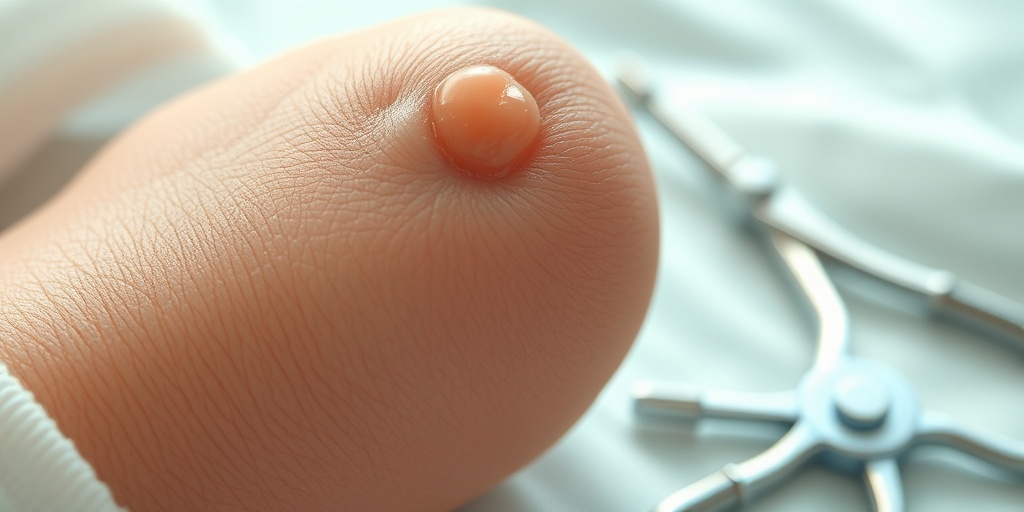
- Shallow ulcers: These may be present on the scalp or other areas, often covered by a thin layer of tissue.
- Redness and inflammation: Surrounding skin may appear red and inflamed, indicating irritation or infection.
- Scarring: As the lesions heal, they may leave behind scars that can vary in appearance and texture.
Associated Symptoms
In some cases, ACC may be associated with other symptoms, particularly if there are underlying congenital anomalies. These can include:
- Hair loss: Areas of skin without hair follicles may lead to patches of hair loss.
- Deformities: Depending on the location of the lesions, there may be associated skeletal or limb deformities.
- Infections: Open skin lesions can increase the risk of infections, requiring vigilant care and monitoring.
When to Seek Medical Attention
If you notice any signs of ACC in a newborn, it is crucial to seek medical attention promptly. Early diagnosis and intervention can significantly improve outcomes and reduce the risk of complications. Healthcare providers may recommend a comprehensive evaluation, including imaging studies and genetic testing, to assess the extent of the condition and any associated anomalies.
For parents and caregivers navigating the complexities of Aplasia Cutis Congenita, resources like Yesil Health AI can provide valuable, evidence-based health answers and support. Understanding ACC and its implications can empower families to make informed decisions regarding their child’s care.
In conclusion, Aplasia Cutis Congenita is a rare but significant condition that requires careful attention and management. By recognizing the symptoms and seeking appropriate medical care, families can help ensure the best possible outcomes for their children. 🌟
ACC Causes and Risk Factors
Aplasia Cutis Congenita (ACC) is a rare congenital condition characterized by the absence of skin in certain areas of the body, often present at birth. Understanding the causes and risk factors associated with ACC is crucial for parents and healthcare providers alike. While the exact cause of ACC remains largely unknown, several factors have been identified that may contribute to its development.
Genetic Factors
One of the primary areas of research regarding ACC focuses on genetic predispositions. Some studies suggest that genetic mutations may play a role in the development of this condition. For instance, certain syndromes, such as pilar cysts or congenital epidermal nevi, have been linked to ACC. If there is a family history of skin disorders or congenital conditions, the risk of ACC may be higher.
Environmental Influences
Environmental factors during pregnancy can also contribute to the risk of ACC. These may include:
- Maternal drug use: Certain medications taken during pregnancy, particularly those that affect skin development, may increase the risk.
- Infections: Maternal infections, especially during the first trimester, have been associated with various congenital conditions, including ACC.
- Exposure to toxins: Environmental toxins, such as pesticides or heavy metals, may also play a role in the development of ACC.
Other Risk Factors
In addition to genetic and environmental factors, several other risk factors may increase the likelihood of a child being born with ACC:
- Multiple pregnancies: There is some evidence to suggest that twins or multiple births may have a higher incidence of ACC.
- Advanced maternal age: Women who are older at the time of pregnancy may have a slightly increased risk of having a child with congenital conditions, including ACC.
- Previous children with congenital conditions: If a parent has had a previous child with a congenital condition, the risk of recurrence may be higher.
While these factors can provide insight into the potential causes of ACC, it is essential to remember that many cases occur without any identifiable risk factors. Ongoing research continues to explore the complexities of this condition, aiming to uncover more about its origins and how it can be effectively managed.
ACC Diagnosis
Diagnosing Aplasia Cutis Congenita (ACC) typically involves a combination of clinical evaluation and diagnostic imaging. Early diagnosis is crucial for effective management and treatment, as it allows healthcare providers to monitor the condition and address any associated complications.
Clinical Evaluation
The first step in diagnosing ACC usually occurs at birth. Healthcare providers will conduct a thorough physical examination of the newborn, looking for characteristic signs of the condition. These may include:
- Missing skin: The most apparent sign of ACC is the absence of skin in specific areas, often on the scalp, but it can occur elsewhere on the body.
- Size and depth of lesions: The lesions can vary in size and may extend to deeper layers of tissue, which can affect treatment options.
- Associated anomalies: In some cases, ACC may be associated with other congenital anomalies, which can influence the diagnosis and management plan.
Diagnostic Imaging
In addition to a physical examination, diagnostic imaging may be utilized to assess the extent of the skin loss and any underlying structures that may be affected. Common imaging techniques include:
- Ultrasound: This non-invasive imaging method can help visualize the skin and underlying tissues, providing valuable information about the extent of the condition.
- Magnetic Resonance Imaging (MRI): In more complex cases, an MRI may be recommended to obtain detailed images of the affected areas, especially if there are concerns about deeper tissue involvement.
Referral to Specialists
Depending on the severity and presentation of ACC, healthcare providers may refer families to specialists, such as dermatologists or pediatric surgeons, for further evaluation and management. These specialists can provide tailored treatment options, which may include:
- Wound care: Proper management of the affected areas is essential to prevent infection and promote healing.
- Skin grafting: In cases where significant skin loss occurs, surgical intervention may be necessary to restore skin integrity.
Overall, early diagnosis and a comprehensive management plan are vital for children with ACC, ensuring they receive the best possible care as they grow and develop. 🩺

ACC Treatment Options
Aplasia Cutis Congenita (ACC) is a rare congenital skin disorder characterized by the absence of skin in certain areas of the body, often present at birth. The treatment for ACC varies depending on the severity of the condition and the specific areas affected. Here, we will explore the various treatment options available for individuals diagnosed with ACC.
1. Surgical Interventions
In cases where ACC results in significant skin loss, surgical intervention may be necessary. The primary goal of surgery is to restore the integrity of the skin and prevent complications such as infection. Common surgical options include:
- Skin Grafting: This procedure involves taking healthy skin from another part of the body and transplanting it to the affected area. Skin grafts can be either split-thickness or full-thickness, depending on the extent of the skin loss.
- Flap Surgery: In more complex cases, flap surgery may be required. This technique involves moving a section of skin along with its blood supply to cover the defect, ensuring better healing and aesthetic results.
2. Wound Care Management
Proper wound care is crucial for individuals with ACC, especially in the early stages. Keeping the affected area clean and protected can help prevent infections and promote healing. Key wound care strategies include:
- Regular Cleaning: Gently clean the area with mild soap and water to remove any debris and reduce the risk of infection.
- Moisturization: Applying appropriate moisturizers can help keep the skin hydrated and support the healing process.
- Dressings: Use sterile dressings to cover the affected area, providing a barrier against bacteria and further injury.
3. Topical Treatments
Topical treatments may also be beneficial in managing ACC. These can include:
- Antibiotic Ointments: To prevent or treat infections, healthcare providers may recommend antibiotic ointments for application on the affected areas.
- Hydrocortisone Cream: This can help reduce inflammation and itching associated with the condition.
ACC Management Strategies
Managing Aplasia Cutis Congenita extends beyond immediate treatment options. A comprehensive management strategy is essential for ensuring the best outcomes for individuals with ACC. Here are some effective management strategies:
1. Multidisciplinary Care
ACC often requires a team approach to care. Involving various specialists can provide a holistic treatment plan. Key professionals may include:
- Pediatricians: They play a crucial role in monitoring the overall health and development of the child.
- Dermatologists: These specialists can provide targeted skin care and treatment options.
- Surgeons: For those requiring surgical interventions, a skilled surgeon is essential for optimal outcomes.
2. Psychological Support
Living with a visible skin condition can be challenging, both physically and emotionally. Providing psychological support is vital for individuals with ACC and their families. Consider the following:
- Counseling Services: Professional counseling can help individuals cope with the emotional aspects of ACC.
- Support Groups: Connecting with others who have similar experiences can provide comfort and understanding.
3. Education and Awareness
Educating families about ACC is crucial for effective management. Understanding the condition, its implications, and treatment options can empower families to make informed decisions. Resources such as:
- Medical Literature: Providing access to reliable information can help families understand ACC better.
- Workshops and Seminars: Attending educational events can enhance awareness and provide valuable insights into managing the condition.
In conclusion, managing Aplasia Cutis Congenita involves a combination of treatment options and ongoing management strategies. By employing a multidisciplinary approach, providing psychological support, and fostering education, individuals with ACC can lead fulfilling lives despite the challenges posed by this condition. 🌟

ACC Prognosis
Aplasia Cutis Congenita (ACC) is a rare congenital skin disorder characterized by the absence of skin in certain areas of the body. The prognosis for individuals diagnosed with ACC can vary significantly based on several factors, including the extent of the skin loss, the location of the lesions, and any associated anomalies.
Understanding the Severity of ACC
The prognosis for ACC largely depends on the severity of the condition. In mild cases, where the skin loss is minimal and localized, the prognosis is generally positive. Many infants with mild ACC can expect to heal well with appropriate care, often without any long-term complications.
- Localized ACC: In cases where the skin loss is confined to a small area, such as the scalp, healing typically occurs within a few weeks to months.
- Extensive ACC: For those with larger areas of skin loss or lesions in critical areas (like the face or trunk), the prognosis may be more complex. These individuals may require surgical interventions and ongoing medical care.
Associated Conditions and Their Impact
ACC can sometimes occur alongside other congenital anomalies, which can influence the overall prognosis. For instance, if a child has ACC along with other conditions such as limb malformations or internal organ issues, the prognosis may be less favorable. It’s essential for healthcare providers to conduct a thorough evaluation to identify any associated conditions that could affect the child’s health.
Long-Term Outlook
Most children with ACC can lead healthy lives, especially with early diagnosis and appropriate treatment. Regular follow-ups with dermatologists and pediatric specialists are crucial to monitor skin healing and address any complications that may arise. In many cases, children outgrow the need for intensive medical care as they age, and the skin can regenerate effectively.
Living with Aplasia Cutis Congenita
Living with Aplasia Cutis Congenita can present unique challenges for both affected individuals and their families. Understanding the condition and its implications is vital for managing daily life and ensuring the best possible outcomes.
Daily Care and Management
For infants and children with ACC, daily care is essential to promote healing and prevent infections. Here are some key management strategies:
- Wound Care: Keeping the affected areas clean and protected is crucial. Parents should follow their healthcare provider’s instructions regarding dressing changes and skin care products.
- Monitoring for Infections: Parents should be vigilant for signs of infection, such as increased redness, swelling, or discharge from the lesions. Prompt medical attention is necessary if these symptoms occur.
- Nutrition: A balanced diet rich in vitamins and minerals can support skin healing. Consulting with a pediatric nutritionist may be beneficial.
Emotional and Psychological Support
Living with ACC can also have emotional and psychological implications. Children may face challenges related to body image, especially as they grow older. Here are some ways to provide support:
- Open Communication: Encourage open discussions about the condition. This helps children express their feelings and concerns.
- Support Groups: Connecting with other families affected by ACC can provide a sense of community and shared experiences.
- Professional Counseling: If needed, seeking help from a psychologist or counselor can assist children in coping with any emotional difficulties.
Future Considerations
As children with ACC grow, they may require ongoing medical care, including dermatological assessments and potential surgical interventions for cosmetic or functional reasons. It’s essential for families to stay informed about the latest research and treatment options available for ACC.
In conclusion, while Aplasia Cutis Congenita presents challenges, with proper care and support, individuals can thrive and lead fulfilling lives. Understanding the prognosis and actively managing the condition can significantly enhance the quality of life for those affected. 🌟

Frequently Asked Questions about Aplasia Cutis Congenita (ACC)
What is Aplasia Cutis Congenita (ACC)?
Aplasia Cutis Congenita (ACC) is a rare congenital condition characterized by the absence of skin in certain areas of the body. This condition can occur in various forms and may affect different parts of the skin, often presenting at birth.
What causes Aplasia Cutis Congenita?
The exact cause of ACC is not fully understood. However, it is believed to be related to genetic factors and environmental influences during pregnancy. Some cases may be associated with maternal conditions or medications taken during pregnancy.
How is Aplasia Cutis Congenita diagnosed?
ACC is typically diagnosed at birth through a physical examination. Healthcare providers look for characteristic skin lesions or absence of skin in specific areas. In some cases, imaging studies may be used to assess the extent of the condition.
What are the treatment options for ACC?
Treatment for Aplasia Cutis Congenita depends on the severity and location of the skin absence. Options may include:
- Wound care: Keeping the affected area clean and protected.
- Skin grafting: Surgical procedures to cover the affected area with healthy skin.
- Monitoring: Regular follow-ups to assess healing and any potential complications.
Can Aplasia Cutis Congenita lead to complications?
While many infants with ACC heal well, there can be complications such as:
- Infection: Open wounds may be susceptible to infections.
- Scarring: Skin grafts may result in scarring.
- Psychosocial effects: Visible skin differences may impact self-esteem as the child grows.
Is Aplasia Cutis Congenita hereditary?
In most cases, ACC is not inherited and occurs sporadically. However, some familial cases have been reported, suggesting a potential genetic component in certain instances.
What is the long-term outlook for individuals with ACC?
The long-term outlook for individuals with Aplasia Cutis Congenita varies based on the severity of the condition and the effectiveness of treatment. Many children lead healthy lives with appropriate care and management.
Where can I find support for Aplasia Cutis Congenita?
Support groups and organizations dedicated to congenital conditions can provide valuable resources and community support for families affected by ACC. Online forums and local support groups can also be beneficial for sharing experiences and advice. 🌟