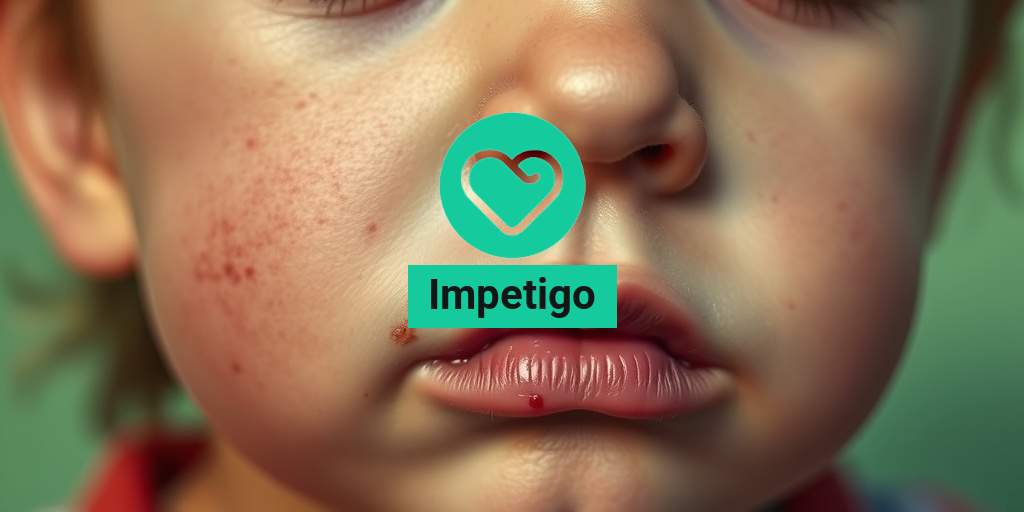
What Is Impetigo?
Impetigo is a highly contagious skin infection that primarily affects infants and young children, although it can occur in individuals of any age. This bacterial infection is caused by two types of bacteria: Staphylococcus aureus and Streptococcus pyogenes. Impetigo is characterized by the formation of red sores or blisters, which can quickly burst and develop a honey-colored crust. Understanding impetigo is essential for effective treatment and prevention.
How Does Impetigo Spread?
Impetigo spreads easily through direct contact with an infected person or by touching contaminated surfaces. It can also spread through:
- Scratches or insect bites: Bacteria can enter the skin through breaks in the skin barrier.
- Shared items: Towels, clothing, or bedding used by an infected person can harbor the bacteria.
- Close contact: Children in daycare or school settings are particularly at risk due to close interactions.
Types of Impetigo
There are two main types of impetigo:
- Non-bullous impetigo: This is the most common form, characterized by small red sores that quickly rupture, ooze, and form a yellow-brown crust.
- Bullous impetigo: This type features larger blisters filled with fluid that can also rupture and crust over. It is more common in infants.
Impetigo Symptoms
Recognizing the symptoms of impetigo is crucial for early diagnosis and treatment. The symptoms can vary depending on the type of impetigo, but common signs include:
Common Symptoms
- Red sores: These typically appear around the nose and mouth but can occur anywhere on the body.
- Blisters: Fluid-filled blisters may develop, especially in bullous impetigo.
- Crusting: The sores can ooze and form a yellow-brown crust, which is a hallmark of the infection.
- Itching and discomfort: The affected areas may be itchy or painful, leading to scratching and further spread of the infection.
When to Seek Medical Attention
If you or your child exhibits symptoms of impetigo, it is essential to consult a healthcare professional. Early treatment can help prevent complications and reduce the risk of spreading the infection to others. Seek medical attention if:
- The sores are widespread or worsening.
- Fever or other systemic symptoms develop.
- The infection does not improve with home care.
Diagnosis and Treatment Options
Diagnosis of impetigo typically involves a physical examination of the affected skin. In some cases, a doctor may take a sample of the fluid from the sores to identify the bacteria causing the infection. Treatment usually includes:
- Topical antibiotics: These are often prescribed for localized infections.
- Oral antibiotics: For more extensive infections, oral antibiotics may be necessary.
- Good hygiene practices: Keeping the affected area clean and covered can help prevent the spread of the infection.
For more detailed information on impetigo and its treatment, consider visiting Yesil Health AI, a valuable resource for evidence-based health answers.
In conclusion, understanding impetigo, its symptoms, and treatment options is vital for managing this common skin infection effectively. By recognizing the signs early and seeking appropriate care, you can help ensure a swift recovery and minimize the risk of spreading the infection to others. 🌟
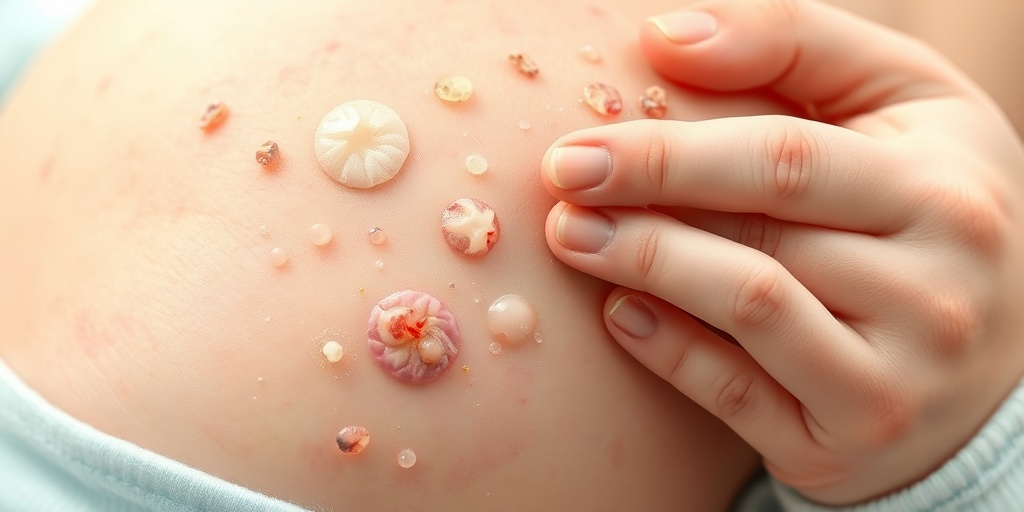
Types of Impetigo
Impetigo is a highly contagious skin infection that primarily affects infants and young children, although it can occur in individuals of any age. Understanding the different types of impetigo is crucial for effective treatment and prevention. There are two main types of impetigo:
1. Non-Bullous Impetigo
Non-bullous impetigo is the most common form of the infection. It typically begins as small red spots that quickly develop into vesicles (small blisters). These vesicles then rupture, ooze, and form a characteristic honey-colored crust. This type of impetigo usually appears around the mouth, nose, and on exposed areas of the skin.
- Symptoms: Red sores, itching, and crusting.
- Common Locations: Face, arms, and legs.
2. Bullous Impetigo
Bullous impetigo is less common but can be more severe. It is characterized by larger blisters (bullae) that are filled with clear fluid. These blisters can be quite painful and may rupture, leading to the formation of crusts. Bullous impetigo is often caused by Staphylococcus aureus, a type of bacteria that can produce toxins affecting the skin.
- Symptoms: Larger blisters, pain, and potential fever.
- Common Locations: Trunk, buttocks, and extremities.
Both types of impetigo are highly contagious and can spread through direct contact with the sores or by touching contaminated surfaces. It’s essential to seek medical advice if you suspect an impetigo infection to prevent further spread and complications. 🩺
Causes of Impetigo
Understanding the causes of impetigo is vital for prevention and treatment. Impetigo is primarily caused by bacteria, and several factors can contribute to its development:
Bacterial Infection
The primary culprits behind impetigo are two types of bacteria: Staphylococcus aureus and Streptococcus pyogenes. These bacteria can enter the skin through:
- Open Wounds: Cuts, scrapes, or insect bites can provide an entry point for bacteria.
- Skin Conditions: Conditions like eczema or dermatitis can compromise the skin barrier, making it easier for bacteria to invade.
Contagion
Impetigo is highly contagious and can spread easily through:
- Direct Contact: Touching the sores of an infected person.
- Shared Items: Towels, clothing, or bedding that have come into contact with the infection.
- Environmental Factors: Crowded places, such as schools or daycare centers, can facilitate the spread of impetigo.
Risk Factors
Several factors can increase the likelihood of developing impetigo:
- Age: Children aged 2 to 6 years are at higher risk.
- Warm, Humid Weather: Bacteria thrive in warm, moist environments.
- Weakened Immune System: Individuals with compromised immune systems are more susceptible.
By understanding the causes of impetigo, individuals can take proactive measures to reduce their risk of infection. Maintaining good hygiene, avoiding close contact with infected individuals, and treating any skin injuries promptly can help prevent the spread of this contagious condition. 🧼✨
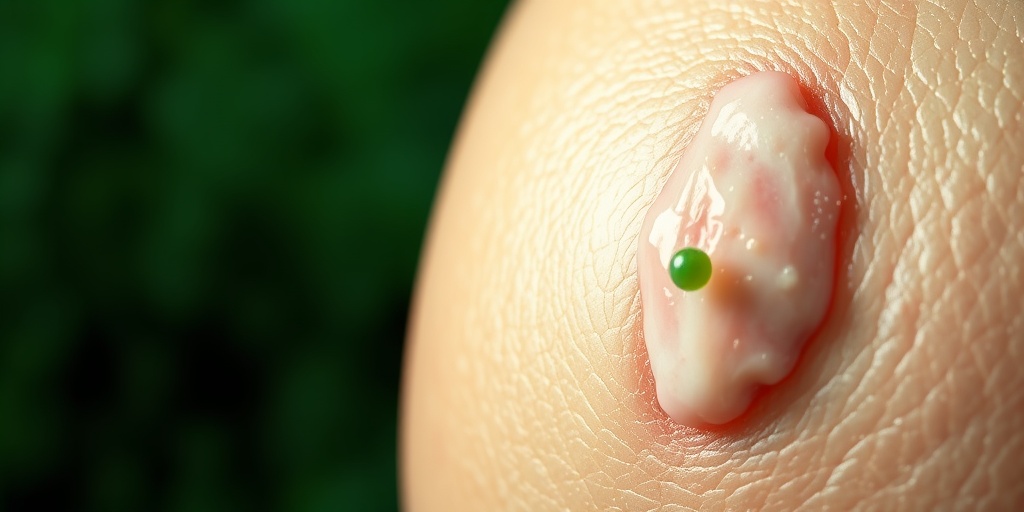
Risk Factors for Impetigo
Impetigo is a highly contagious skin infection that primarily affects children, but it can also occur in adults. Understanding the risk factors associated with impetigo can help in prevention and early detection. Here are some key factors that increase the likelihood of developing this infection:
Age
Children aged 2 to 6 years are at the highest risk for impetigo. Their developing immune systems and tendency to play in close contact with others make them more susceptible to infections. However, adults can also contract impetigo, especially if they have compromised immune systems.
Skin Conditions
Individuals with pre-existing skin conditions, such as eczema or dermatitis, are more prone to impetigo. These conditions can create breaks in the skin, allowing bacteria to enter and cause infection.
Close Contact
Impetigo spreads easily through direct contact with an infected person or by touching contaminated surfaces. Children in daycare or school settings are particularly vulnerable due to close interactions with peers. 👫
Hygiene Practices
Poor hygiene can significantly increase the risk of impetigo. Infrequent handwashing, not bathing regularly, and sharing personal items like towels or razors can facilitate the spread of bacteria. 🧼
Environmental Factors
Living in crowded conditions or areas with high humidity can also contribute to the spread of impetigo. Bacteria thrive in warm, moist environments, making it easier for infections to occur.
Seasonal Trends
Impetigo is more common during the warmer months, particularly in late summer and early fall. The increased outdoor activities and heat can lead to more skin injuries, providing entry points for bacteria.
Impetigo Diagnosis
Diagnosing impetigo typically involves a thorough examination by a healthcare professional. Here’s what you can expect during the diagnostic process:
Medical History
Your doctor will begin by taking a detailed medical history. This includes asking about symptoms, duration, and any recent exposure to someone with impetigo. Understanding your medical background can help in identifying risk factors and potential causes.
Physical Examination
A physical examination is crucial for diagnosing impetigo. The doctor will look for characteristic signs, such as:
- Red sores or blisters: These often appear around the nose and mouth but can occur anywhere on the body.
- Honey-colored crusts: As the sores break open, they may ooze and form a crust that resembles honey.
- Itching or discomfort: The affected areas may be itchy or painful.
Laboratory Tests
In some cases, your doctor may take a sample from the sore to confirm the diagnosis. This can involve:
- Swabbing the sore: A cotton swab is used to collect fluid from the blister or sore.
- Culturing the sample: The sample is sent to a lab to identify the specific bacteria causing the infection.
Distinguishing from Other Conditions
It’s essential to differentiate impetigo from other skin conditions that may present similar symptoms, such as:
- Herpes simplex virus: This can cause cold sores or blisters that may be confused with impetigo.
- Fungal infections: Conditions like ringworm can also cause skin lesions that resemble impetigo.
Early diagnosis and treatment are crucial in managing impetigo effectively. If you suspect you or your child may have impetigo, it’s important to consult a healthcare professional promptly. 🩺

Impetigo Treatment Options
Impetigo is a highly contagious skin infection that primarily affects infants and young children, although it can occur in adults as well. If you or your child has been diagnosed with this condition, understanding the treatment options available is crucial for effective recovery. Here, we’ll explore various treatment methods to help you manage and eliminate impetigo.
Topical Antibiotics
For mild cases of impetigo, topical antibiotics are often the first line of treatment. These medications are applied directly to the affected skin and can help clear the infection quickly. Common topical antibiotics include:
- Mupirocin (Bactroban)
- Retapamulin (Altabax)
These treatments are usually applied two to three times a day for about 5 to 10 days, depending on the severity of the infection. It’s essential to follow your healthcare provider’s instructions for the best results.
Oral Antibiotics
In more severe cases or when the infection has spread, oral antibiotics may be necessary. These medications work from within the body to combat the infection. Commonly prescribed oral antibiotics include:
- Cephalexin
- Dicloxacillin
- Amoxicillin-clavulanate (Augmentin)
Oral antibiotics are typically taken for 7 to 10 days. It’s crucial to complete the entire course, even if symptoms improve before finishing the medication.
Home Care and Hygiene
In addition to medical treatments, maintaining good hygiene is vital in managing impetigo. Here are some home care tips:
- Keep the affected area clean and dry.
- Wash your hands frequently, especially after touching the infected area.
- Avoid sharing personal items like towels, clothing, or bedding.
- Cover the sores with a clean bandage to prevent spreading the infection.
These practices not only help in healing but also reduce the risk of spreading impetigo to others. 🧼
Preventing Impetigo
Prevention is always better than cure, especially with a contagious condition like impetigo. Here are some effective strategies to help you and your loved ones avoid this skin infection.
Good Hygiene Practices
One of the most effective ways to prevent impetigo is through good hygiene practices. Here are some key habits to adopt:
- Wash hands regularly with soap and water, especially after playing outside or coming into contact with someone who has impetigo.
- Teach children to avoid touching their faces, especially if they have cuts or scrapes.
- Encourage the use of hand sanitizers when soap and water are not available.
Avoiding Close Contact
Since impetigo is highly contagious, it’s essential to limit close contact with infected individuals. If someone in your household has impetigo, consider the following:
- Keep the infected person at home until they have been on antibiotics for at least 24 hours.
- Avoid sharing personal items like utensils, towels, and bedding.
- Encourage the infected person to cover their sores with clothing or bandages.
Prompt Treatment of Cuts and Scrapes
Minor injuries can become entry points for bacteria, leading to impetigo. To prevent this, it’s important to:
- Clean cuts and scrapes immediately with soap and water.
- Apply an antiseptic ointment to the wound.
- Cover the area with a bandage to protect it from dirt and bacteria.
By taking these preventive measures, you can significantly reduce the risk of developing impetigo. Remember, awareness and prompt action are key! 🛡️

Frequently Asked Questions about Impetigo
What is Impetigo?
Impetigo is a highly contagious skin infection that primarily affects infants and young children, although it can occur in adults as well. It is characterized by red sores that can rupture, ooze, and form a yellowish crust.
What are the symptoms of Impetigo?
The common symptoms of impetigo include:
- Red sores, often around the nose and mouth
- Itching and discomfort
- Crusty yellow or honey-colored scabs
- Swollen lymph nodes in some cases
How is Impetigo transmitted?
Impetigo contagiosa spreads easily through direct contact with an infected person or by touching contaminated objects, such as towels or toys. It can also spread through scratches or insect bites.
What are the treatment options for Impetigo?
Treatment for impetigo typically involves:
- Topical antibiotics for mild cases
- Oral antibiotics for more severe infections
- Keeping the affected area clean and covered
It’s essential to consult a healthcare professional for proper diagnosis and treatment.
Can Impetigo occur in adults?
Yes, impetigo in adults can occur, although it is less common. Adults may contract the infection through close contact with infected individuals or by touching contaminated surfaces.
How can I prevent Impetigo?
To reduce the risk of impetigo, consider the following preventive measures:
- Practice good hygiene by washing hands regularly
- Avoid sharing personal items like towels and razors
- Keep cuts and scrapes clean and covered
Is Impetigo serious?
While impetigo is generally not serious and can be treated effectively, it can lead to complications if left untreated, such as cellulitis or kidney problems. Prompt treatment is essential.
Where can I find more information about Impetigo?
For more detailed information, consult healthcare resources or speak with a medical professional. You can also find helpful resources online that provide insights into impetigo treatment and management.