What Is Precocious Puberty?
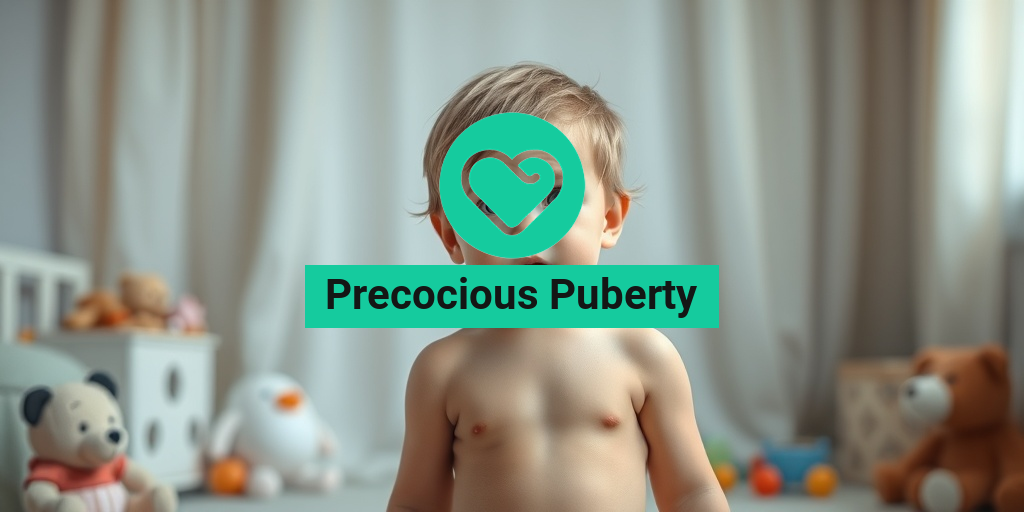
Precocious puberty refers to the onset of secondary sexual characteristics before the typical age range. For girls, this is defined as the development of breasts or the onset of menstruation before age 8, while for boys, it is characterized by the appearance of testicular enlargement or pubic hair before age 9. This condition can be concerning for both parents and children, as it can lead to various physical and emotional challenges.
Understanding the meaning of precocious puberty is crucial for parents and caregivers. It is not merely an early start to puberty; it can indicate underlying health issues that may require medical attention. The causes of precocious puberty can vary widely, including hormonal imbalances, genetic factors, and environmental influences. In some cases, the cause remains unknown.
Types of Precocious Puberty
There are two main types of precocious puberty:
- Central Precocious Puberty (CPP): This is the most common form, where the brain signals the body to start puberty early. It often results from early activation of the hypothalamus, which controls hormone release.
- Peripheral Precocious Puberty: This type occurs when sex hormones are produced by the ovaries, testes, or adrenal glands independently of the brain’s signals. Conditions such as tumors or hormonal disorders can lead to this type.
Recognizing the signs and symptoms of precocious puberty is essential for timely intervention. If you suspect your child may be experiencing this condition, consulting a healthcare professional is vital. Resources like Yesil Health AI can provide evidence-based health answers and guidance.
Symptoms of Precocious Puberty
The symptoms of precocious puberty can vary between boys and girls, but there are some common signs to watch for. Early detection is key to managing the condition effectively.
Symptoms in Girls
For girls, the symptoms of precocious puberty may include:
- Breast Development: The earliest sign is often breast budding, which can occur as early as age 7.
- Menstruation: The onset of menstruation before age 8 is a significant indicator.
- Pubic and Underarm Hair: The appearance of hair in these areas can also signal early puberty.
- Rapid Growth: Girls may experience a growth spurt earlier than their peers.
Symptoms in Boys
In boys, the symptoms of precocious puberty can include:
- Testicular Enlargement: This is often the first sign of puberty in boys.
- Pubic Hair Development: Similar to girls, boys may develop pubic and underarm hair early.
- Facial Hair: Some boys may start to grow facial hair earlier than expected.
- Voice Changes: Changes in voice pitch can occur as puberty progresses.
Emotional and Social Impacts
Beyond physical symptoms, precocious puberty can have emotional and social implications. Children may feel out of place among their peers, leading to issues with self-esteem and social interactions. It’s essential for parents to provide support and understanding during this challenging time.
If you notice any of these symptoms in your child, it’s important to consult a healthcare provider for a thorough evaluation. Early diagnosis and treatment can help manage the condition and mitigate potential complications.
In conclusion, precocious puberty is a complex condition that requires attention and care. By understanding its symptoms and seeking appropriate medical advice, parents can help their children navigate this early transition into adulthood. For more information and resources, consider visiting Yesil Health AI, where you can find evidence-based answers to your health questions. 🌟
Causes of Precocious Puberty
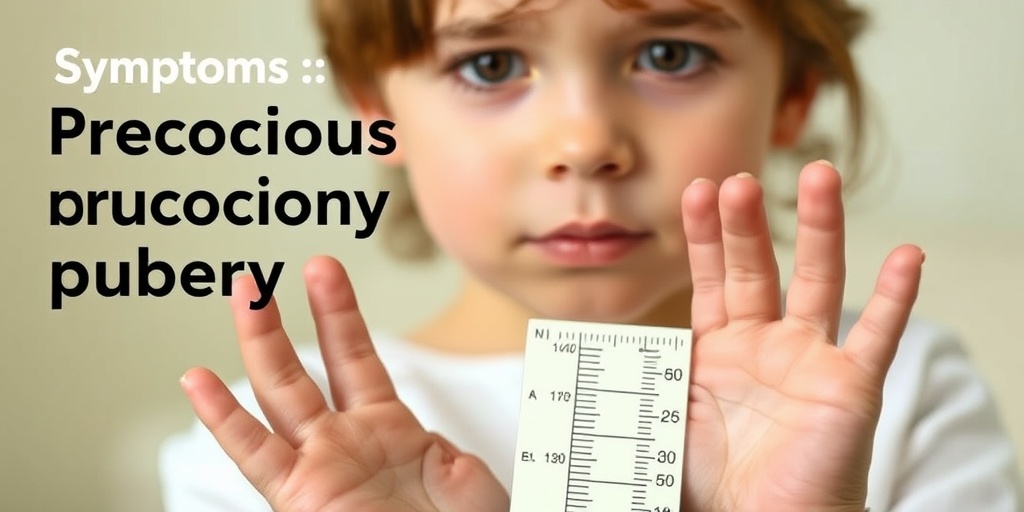
Precocious puberty is defined as the onset of secondary sexual characteristics before the age of 9 in boys and before the age of 8 in girls. Understanding the causes of precocious puberty is crucial for parents and caregivers to identify and manage this condition effectively. Let’s delve into the various factors that can trigger early puberty.
Hormonal Factors
The primary cause of precocious puberty is often linked to hormonal changes. The hypothalamus, a small region in the brain, plays a significant role in regulating the body’s hormones. In some cases, the hypothalamus may activate earlier than usual, leading to an increase in gonadotropin-releasing hormone (GnRH). This hormone stimulates the pituitary gland to produce hormones that trigger the development of sexual characteristics.
Genetic Factors
Genetics can also play a role in the onset of precocious puberty. If there is a family history of early puberty, children may be more likely to experience it themselves. Research suggests that certain genetic mutations can affect hormone regulation, leading to earlier maturation.
Environmental Influences
Environmental factors, including exposure to endocrine-disrupting chemicals, can contribute to precocious puberty. These chemicals, found in various products such as plastics, pesticides, and personal care items, can interfere with hormonal balance. For instance, substances like phthalates and bisphenol A (BPA) have been linked to early sexual development in children.
Medical Conditions
Some medical conditions can also lead to precocious puberty. These include:
- Adrenal gland disorders: Conditions like congenital adrenal hyperplasia can cause the adrenal glands to produce excess hormones, leading to early puberty.
- Brain tumors: Tumors affecting the hypothalamus or pituitary gland can disrupt normal hormone production.
- Infections: Certain infections affecting the brain, such as meningitis, can trigger early puberty.
Obesity
Recent studies have shown a correlation between obesity and precocious puberty. Increased body fat can lead to higher levels of estrogen in girls, which may accelerate the onset of puberty. Maintaining a healthy weight through balanced nutrition and regular physical activity is essential for overall health and can help mitigate this risk.
Risk Factors for Precocious Puberty
Identifying the risk factors for precocious puberty can help in early detection and intervention. While not every child with these risk factors will experience early puberty, awareness can aid in monitoring and managing their development.
Gender
One of the most significant risk factors is gender. Girls are much more likely to experience precocious puberty than boys. Studies indicate that girls are affected at a rate of about 10 times higher than boys, making it essential for parents of girls to be vigilant about any signs of early development.
Age
As mentioned earlier, the age of onset is a critical factor. Children who begin to show signs of puberty at a younger age are at a higher risk of developing precocious puberty. Monitoring growth patterns and discussing any concerns with a pediatrician can be beneficial.
Family History
A family history of precocious puberty can increase the likelihood of a child experiencing early puberty. If parents or siblings have had similar experiences, it’s important to keep an eye on the child’s development and consult a healthcare provider if any concerns arise.
Ethnicity
Research has shown that ethnicity may play a role in the timing of puberty. For instance, studies indicate that African American girls tend to enter puberty earlier than their Caucasian counterparts. Understanding these differences can help in recognizing what is typical for a child’s background.
Health Conditions
Children with certain health conditions, such as those affecting the endocrine system, are at a higher risk for precocious puberty. Regular check-ups and monitoring of any existing health issues can help in early detection and management.
In conclusion, understanding the causes and risk factors of precocious puberty is vital for parents and caregivers. By being informed, they can take proactive steps to ensure their child’s health and well-being. If you suspect your child may be experiencing early puberty, consult a healthcare professional for guidance and support. 🩺
Diagnosis of Precocious Puberty
Diagnosing precocious puberty can be a complex process, as it involves a thorough evaluation of a child’s physical development, medical history, and sometimes, laboratory tests. Precocious puberty is defined as the onset of secondary sexual characteristics before age 9 in boys and before age 8 in girls. Early diagnosis is crucial to manage the condition effectively and to address any underlying issues.
Initial Assessment
The first step in diagnosing precocious puberty is a comprehensive assessment by a pediatrician or an endocrinologist. During this assessment, the healthcare provider will:
- Review the child’s growth patterns and developmental milestones.
- Discuss any family history of early puberty.
- Conduct a physical examination to check for signs of sexual maturity.
Medical History and Symptoms
Gathering a detailed medical history is essential. Parents should provide information about:
- Any noticeable changes in the child’s body, such as breast development in girls or testicular enlargement in boys.
- Behavioral changes, such as mood swings or increased interest in sexual matters.
- Any other health issues or medications that the child is currently taking.
Common symptoms of precocious puberty include:
- Breast development in girls before age 8.
- Menstruation before age 9.
- Testicular enlargement in boys before age 9.
- Pubic or underarm hair before age 8 in girls and age 9 in boys.
Diagnostic Tests
If the initial assessment suggests precocious puberty, further tests may be necessary to confirm the diagnosis and determine the underlying cause. These tests can include:
- Blood tests: To measure hormone levels, including estrogen and testosterone.
- Bone age X-ray: To assess the maturity of the child’s bones, which can indicate whether growth is progressing too quickly.
- Imaging studies: Such as ultrasounds or MRIs, to check for tumors or abnormalities in the brain or reproductive organs.
Understanding the diagnosis of precocious puberty is vital for parents and caregivers, as it sets the stage for appropriate treatment and management strategies.
Treatment Options for Precocious Puberty
Once diagnosed, the treatment for precocious puberty aims to halt or slow down the progression of puberty until the child reaches an appropriate age for sexual maturation. The choice of treatment depends on the underlying cause of the condition.
Hormonal Therapy
One of the most common treatment options is hormonal therapy. This involves the use of medications that can help regulate hormone levels. The most frequently used medications include:
- GnRH agonists: These drugs, such as leuprolide, can suppress the release of sex hormones from the pituitary gland, effectively delaying puberty.
- Estrogen or testosterone blockers: In some cases, medications that block the effects of these hormones may be prescribed.
Hormonal therapy is typically administered through injections or implants and is monitored closely by healthcare providers.
Addressing Underlying Causes
If precocious puberty is caused by an underlying condition, such as a tumor or hormonal imbalance, treating that condition is essential. This may involve:
- Surgery to remove tumors.
- Medications to address hormonal imbalances.
Psychosocial Support
In addition to medical treatment, providing psychosocial support is crucial for children experiencing precocious puberty. Early maturation can lead to emotional and social challenges, including:
- Increased anxiety or depression.
- Social isolation or bullying.
Parents and caregivers should consider counseling or support groups to help the child navigate these challenges and foster a healthy self-image.
In conclusion, the diagnosis and treatment of precocious puberty require a comprehensive approach that includes medical evaluation, appropriate interventions, and emotional support. By addressing these aspects, children can achieve a healthier transition through puberty. 🌟

Emotional Impact of Precocious Puberty
Precocious puberty, defined as the onset of secondary sexual characteristics before age 9 in boys and before age 8 in girls, can have profound emotional effects on children. As they navigate the complexities of early physical development, many face challenges that can impact their mental health and social interactions.
Understanding the Emotional Turmoil
Children experiencing precocious puberty often feel out of sync with their peers. While their bodies may be maturing, their emotional and cognitive development may not keep pace. This discrepancy can lead to feelings of confusion, anxiety, and isolation. Here are some common emotional impacts:
- Increased Anxiety: The sudden changes in their bodies can lead to anxiety about fitting in and being accepted by peers.
- Low Self-Esteem: Children may struggle with self-image issues, feeling different or awkward compared to their friends.
- Social Challenges: Early maturation can lead to social difficulties, as children may be treated differently by peers and adults.
- Depression: In some cases, the emotional burden can lead to feelings of sadness or depression, particularly if they feel misunderstood.
Support Systems and Coping Strategies
To help children cope with the emotional challenges of precocious puberty, it’s essential to establish a strong support system. Here are some effective strategies:
- Open Communication: Encourage children to express their feelings and concerns. Open dialogue can help them feel understood and supported.
- Professional Guidance: Consulting with a psychologist or counselor can provide children with coping mechanisms and emotional support.
- Peer Support: Connecting with other children experiencing similar challenges can help reduce feelings of isolation.
- Education: Teaching children about the changes they are experiencing can empower them and reduce anxiety.
Long-Term Effects of Precocious Puberty
The implications of precocious puberty extend beyond childhood, potentially affecting various aspects of a child’s life into adulthood. Understanding these long-term effects is crucial for parents and caregivers.
Physical Health Consequences
One of the most significant long-term effects of precocious puberty is its impact on physical health. Children who mature early may face:
- Shorter Adult Height: Early onset of puberty can lead to a shorter stature due to the early closure of growth plates.
- Increased Risk of Health Issues: There may be a higher risk of developing conditions such as obesity, diabetes, and cardiovascular diseases later in life.
Psychosocial Effects
The psychosocial implications of precocious puberty can be profound. Children may experience:
- Relationship Difficulties: Early maturation can complicate friendships and romantic relationships, leading to challenges in forming healthy connections.
- Increased Risk of Mental Health Issues: Studies suggest that individuals who experienced precocious puberty may have a higher likelihood of developing anxiety, depression, and other mental health disorders.
Educational and Career Implications
Children with precocious puberty may also face challenges in their educational and career paths:
- Academic Performance: Emotional and social difficulties can impact academic performance, leading to potential setbacks in education.
- Career Choices: The confidence and self-esteem issues stemming from early maturation may influence career aspirations and choices.
In conclusion, the emotional and long-term effects of precocious puberty are significant and multifaceted. Understanding these impacts can help parents, educators, and healthcare providers offer the necessary support to children navigating this challenging phase of development. 🌟

Frequently Asked Questions about Precocious Puberty
What is Precocious Puberty?
Precocious puberty refers to the onset of secondary sexual characteristics before the typical age. For girls, this is usually before age 8, and for boys, before age 9. It can lead to various physical and emotional challenges as children develop at an accelerated rate.
What are the symptoms of Precocious Puberty?
- Development of breasts in girls
- Menstruation before age 9
- Enlargement of testicles in boys
- Facial hair growth in boys
- Rapid growth in height
- Acne and body odor
What causes Precocious Puberty?
The causes of precocious puberty can vary and may include:
- Genetic factors
- Hormonal disorders
- Central nervous system issues
- Exposure to external sources of hormones
How is Precocious Puberty diagnosed?
Diagnosis typically involves a physical examination, medical history review, and possibly blood tests to check hormone levels. Imaging tests like X-rays may also be used to assess bone age.
What are the treatment options for Precocious Puberty?
Treatment for precocious puberty may include:
- Hormonal therapy to delay further development
- Addressing any underlying medical conditions
- Regular monitoring of growth and development
Can Precocious Puberty affect emotional health?
Yes, children experiencing precocious puberty may face emotional challenges, including anxiety and social difficulties, due to their advanced physical development compared to peers. Support from parents and professionals is crucial.
What is the typical age for Precocious Puberty?
For girls, precocious puberty is defined as the onset of secondary sexual characteristics before age 8, while for boys, it is before age 9. Early intervention can help manage the condition effectively.
Is there a link between Precocious Puberty and obesity?
Research suggests that there may be a connection between obesity and precocious puberty, particularly in girls. Excess body fat can lead to increased estrogen levels, potentially triggering earlier onset of puberty.
Where can I find more information about Precocious Puberty?
For more detailed information, consider consulting healthcare professionals or reputable medical websites that specialize in pediatric health and hormonal disorders.