What Are Pubic Lice?
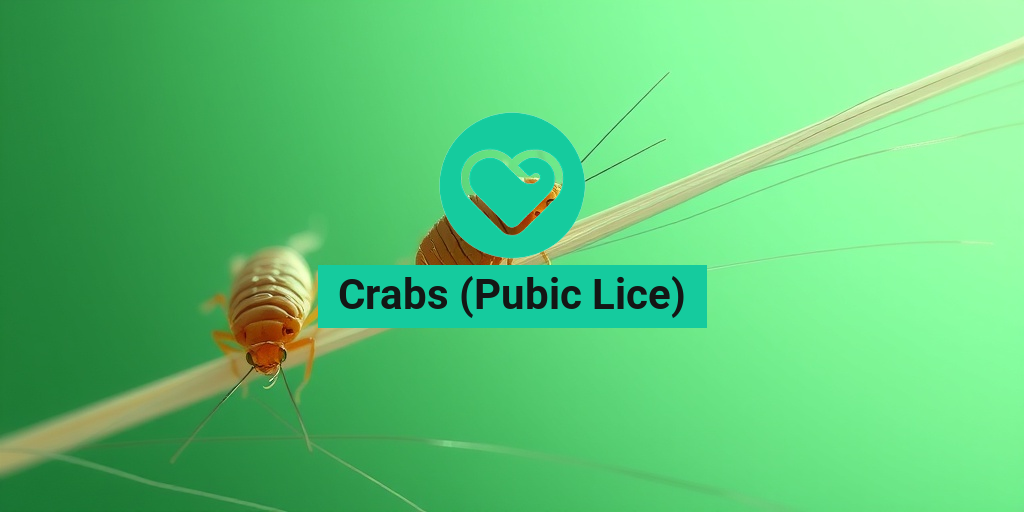
Pubic lice, commonly referred to as crabs due to their crab-like appearance, are tiny parasitic insects that infest the coarse hair of the human genital area. These pests are scientifically known as Pthirus pubis and are a type of ectoparasite, meaning they live on the outside of the host’s body. While they primarily inhabit the pubic region, they can also be found in other coarse body hair, such as underarm hair, chest hair, and even facial hair.
How Do You Catch Pubic Lice?
Pubic lice are typically transmitted through close physical contact, most commonly during sexual activity. However, they can also spread through:
- Sharing personal items: Items like towels, bedding, or clothing can harbor these lice if they have been in contact with an infested person.
- Non-sexual contact: While less common, pubic lice can be transmitted through any close body contact, such as hugging or cuddling.
It’s important to note that pubic lice are not a sign of poor hygiene; anyone can get them, regardless of cleanliness. Understanding how they spread can help in preventing infestations.
What Do Pubic Lice Look Like?
Pubic lice are small, about the size of a pinhead, and can be difficult to see without close inspection. They have a distinctive shape that resembles a crab, with a broad body and short legs. Adult lice are typically yellowish-brown, while their eggs, or nits, are tiny and white or yellowish in color, often found attached to the hair shafts.
Pubic Lice Symptoms
Recognizing the symptoms of pubic lice is crucial for early detection and treatment. The most common symptoms include:
- Itching: The most noticeable symptom is intense itching in the genital area, caused by an allergic reaction to the bites of the lice.
- Inflammation: The affected area may become red and inflamed due to scratching.
- Visible lice or nits: You may see adult lice or their eggs in the pubic hair or other coarse body hair.
- Secondary infections: Scratching can lead to open sores, which may become infected.
If you experience any of these symptoms, it’s essential to seek treatment promptly. Ignoring the signs can lead to further discomfort and potential complications.
When to See a Doctor
If you suspect you have pubic lice, it’s advisable to consult a healthcare professional. They can provide a proper diagnosis and recommend effective treatment options. Additionally, if you notice any signs of infection or if the itching persists despite treatment, seek medical advice.
Conclusion
Understanding what crabs (pubic lice) are and recognizing their symptoms is vital for effective management and treatment. If you’re looking for more information on this topic or need evidence-based health answers, consider visiting Yesil Health AI. They offer a wealth of resources to help you navigate your health concerns.
Remember, while pubic lice can be uncomfortable and embarrassing, they are treatable, and with the right approach, you can regain your comfort and peace of mind. 🦠✨
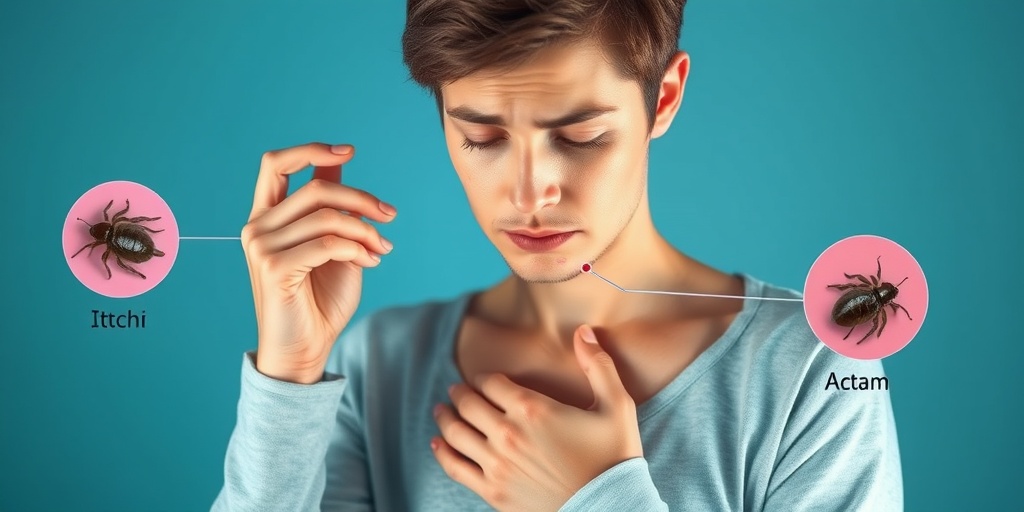
How Do You Get Pubic Lice?
Pubic lice, commonly referred to as crabs, are tiny parasitic insects that infest the hair in the pubic area. Understanding how you can contract these pests is crucial for prevention and treatment. So, how do you get pubic lice? Let’s break it down.
Direct Contact
The primary way to get pubic lice is through direct skin-to-skin contact with an infested person. This often occurs during sexual activity, but it can also happen through close personal contact, such as:
- Sharing a bed
- Using the same towels or clothing
- Engaging in intimate activities
It’s important to note that pubic lice are not exclusive to sexual partners; they can be transmitted in any situation where close contact occurs. 👫
Indirect Transmission
While less common, indirect transmission can occur through contaminated items. If you use clothing, bedding, or towels that have been in contact with an infested person, you may also be at risk. However, pubic lice do not survive long away from a human host, so the likelihood of transmission through these means is lower.
Common Misconceptions
Many people mistakenly believe that pubic lice can be contracted from public places, such as swimming pools or hot tubs. However, crabs (pubic lice) cannot survive in water, making this mode of transmission highly unlikely. 💧
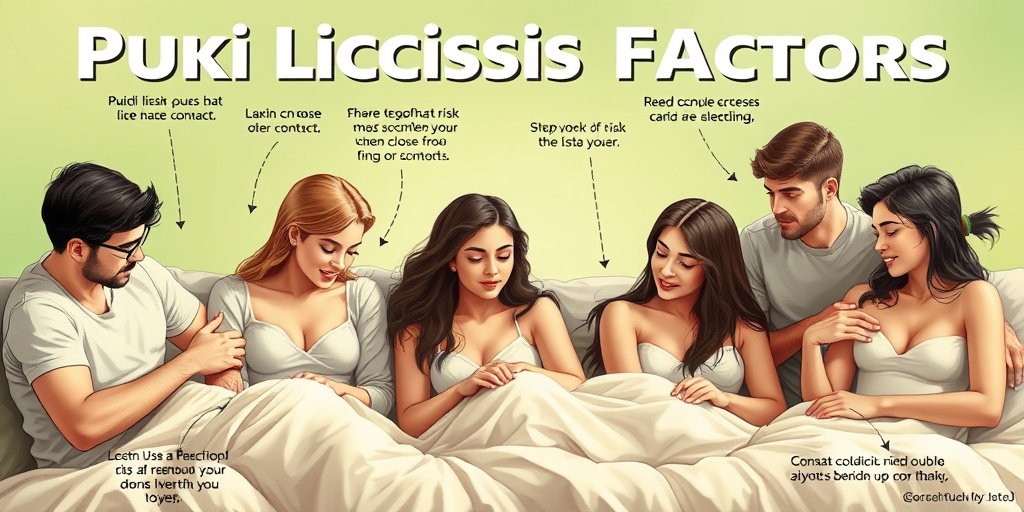
Risk Factors for Pubic Lice
Understanding the risk factors associated with pubic lice can help you take preventive measures. Here are some key factors to consider:
Sexual Activity
Individuals who are sexually active, especially those with multiple partners, are at a higher risk of contracting pubic lice. Engaging in unprotected sex increases the likelihood of coming into contact with an infested partner. It’s essential to practice safe sex and maintain open communication with partners about sexual health. 💞
Age and Gender
Pubic lice infestations are more common among adolescents and young adults. Additionally, studies suggest that males may be at a slightly higher risk than females, although anyone can get them regardless of gender. Understanding your demographic can help you stay vigilant.
Living Conditions
People living in crowded conditions, such as dormitories or shelters, may have a higher risk of exposure to pubic lice. Close quarters can facilitate the spread of these pests, making it essential to maintain personal hygiene and avoid sharing personal items.
Personal Hygiene
While poor hygiene does not cause pubic lice, it can make it easier for them to spread. Regular bathing and grooming can help you notice any signs of infestation early. If you notice itching or irritation in the pubic area, it’s crucial to seek treatment promptly.
Previous Infestations
If you have had pubic lice in the past, you are at a higher risk of getting them again. This is particularly true if you do not take the necessary precautions to avoid re-infestation. Always follow treatment guidelines and ensure that any sexual partners are also treated to prevent recurrence.
In summary, understanding how you can get pubic lice and recognizing the risk factors involved can empower you to take proactive steps in prevention. If you suspect you have been exposed or are experiencing symptoms, consult a healthcare professional for advice and treatment options. 🩺
Diagnosing Pubic Lice
Diagnosing crabs (pubic lice) can be a straightforward process, but it requires a keen eye and some knowledge about the condition. Pubic lice are tiny parasitic insects that infest the coarse hair of the genital area, and they can also be found in other areas with coarse hair, such as the armpits, chest, and beard. Here’s how to identify them:
Recognizing Symptoms
The first step in diagnosing pubic lice is recognizing the symptoms. Common signs include:
- Itching: This is often the most noticeable symptom. The itching is caused by an allergic reaction to the bites of the lice.
- Visible Lice: Adult lice are about the size of a pinhead and can be seen crawling in the pubic hair. They are usually tan or grayish in color.
- Eggs (Nits): These are tiny, oval-shaped eggs that are attached to the hair shafts. They can be difficult to see but are often found close to the skin.
- Inflammation: Scratching the affected area can lead to redness and inflammation, which may increase the risk of secondary infections.
Self-Examination Techniques
If you suspect you have crabs (pubic lice), a self-examination can help confirm your suspicions. Here’s how to do it:
- Find a well-lit area and use a mirror to inspect the pubic region.
- Part the hair and look closely for any signs of lice or nits.
- Check other areas with coarse hair, such as the armpits and chest.
If you notice any signs of infestation, it’s essential to consult a healthcare professional for a definitive diagnosis and treatment plan. They may use a magnifying glass to help identify the lice and nits more clearly.
Effective Treatments for Pubic Lice
Once diagnosed, treating crabs (pubic lice) is crucial to alleviate symptoms and prevent further spread. Fortunately, there are several effective treatments available:
Over-the-Counter Treatments
Many people find relief using over-the-counter (OTC) treatments specifically designed for pubic lice. These typically contain insecticides that kill lice and their eggs. Common options include:
- Permethrin Lotion: This is a common choice that is applied to the affected area and left on for a specified period before rinsing off.
- Piperonyl Butoxide and Pyrethrin: This combination is effective in killing lice and is often found in shampoos or lotions.
Always follow the instructions on the packaging carefully to ensure effectiveness and safety. 🧴
Prescription Treatments
If OTC treatments do not work, or if the infestation is severe, a healthcare provider may prescribe stronger medications. These may include:
- Benzyl Alcohol Lotion: This treatment suffocates the lice and is effective in killing both adult lice and nits.
- Ivermectin: This oral medication may be prescribed in cases of resistant infestations.
Home Remedies and Additional Measures
While not always scientifically proven, some people turn to home remedies for relief. These may include:
- Tea Tree Oil: Known for its insecticidal properties, it can be diluted and applied to the affected area.
- Lavender Oil: Similar to tea tree oil, lavender oil may help repel lice.
In addition to treatment, it’s essential to take preventive measures:
- Wash Bedding and Clothing: Hot water washing of all clothing, bedding, and towels used in the last two days can help eliminate any lingering lice.
- Avoid Close Contact: Refrain from intimate contact until the infestation is fully treated to prevent spreading.
Remember, while crabs (pubic lice) can be uncomfortable and embarrassing, they are a common issue and can be effectively treated with the right approach. If you have any concerns or questions, don’t hesitate to reach out to a healthcare professional for guidance. 🩺
Home Remedies for Pubic Lice
Dealing with crabs (pubic lice) can be uncomfortable and embarrassing, but there are several home remedies that may help alleviate symptoms and manage the infestation. While these remedies can be effective for some, it’s essential to consult a healthcare professional for severe cases or persistent issues.
1. Essential Oils
Essential oils are known for their natural insecticidal properties. Some oils that may help include:
- Tea Tree Oil: This oil has antimicrobial properties and may help kill lice. Dilute a few drops in a carrier oil and apply it to the affected area.
- Lavender Oil: Known for its soothing properties, lavender oil can also repel lice. Mix it with a carrier oil and apply it to the pubic area.
2. Vinegar Rinse
Vinegar is a natural disinfectant and can help remove lice and their eggs. To use:
- Mix equal parts of vinegar and water.
- Apply the mixture to the affected area and let it sit for about 30 minutes.
- Rinse thoroughly with warm water.
3. Olive Oil
Olive oil can suffocate lice by coating them. Here’s how to use it:
- Apply a generous amount of olive oil to the pubic area.
- Cover with a shower cap and leave it on overnight.
- Wash it off in the morning and comb through the hair with a fine-toothed comb to remove any dead lice.
4. Garlic Paste
Garlic is known for its strong smell, which can deter lice. To create a garlic paste:
- Crush several cloves of garlic and mix with a little coconut oil.
- Apply the paste to the affected area and leave it on for about 30 minutes.
- Rinse thoroughly with warm water.
5. Regular Washing
Keeping your bedding and clothing clean is crucial in managing pubic lice infestations. Wash all clothing, towels, and bedding in hot water and dry them on high heat to kill any remaining lice or eggs. 🛏️
Preventing Pubic Lice Infestations
Prevention is key when it comes to crabs (pubic lice). Here are some effective strategies to help you avoid infestations:
1. Practice Safe Sex
Using condoms can reduce the risk of transmitting pubic lice, although they do not provide complete protection. Open communication with partners about sexual health is essential. 💬
2. Avoid Sharing Personal Items
Pubic lice can spread through shared items. To minimize the risk:
- Avoid sharing towels, clothing, or bedding.
- Do not share personal grooming tools, such as razors or combs.
3. Regular Grooming
Keeping the pubic area well-groomed can help you spot any signs of lice early. Regular checks can help you identify any issues before they become a larger problem. ✂️
4. Educate Yourself and Others
Understanding how pubic lice spreads and the symptoms associated with it can help you and your loved ones stay informed. Awareness is a powerful tool in prevention.
5. Limit Close Contact
Be cautious with close physical contact, especially in crowded or communal living situations. If you know someone has an infestation, it’s best to avoid close contact until they have treated it.
By following these preventive measures and utilizing home remedies, you can effectively manage and reduce the risk of pubic lice infestations. Remember, if symptoms persist or worsen, seeking professional medical advice is always the best course of action. 🩺
Frequently Asked Questions about Crabs (Pubic Lice)
What are Crabs (Pubic Lice)?
Crabs (pubic lice) are tiny parasitic insects that infest the hair in the pubic area, although they can also be found in other coarse body hair, such as underarm hair and facial hair. They feed on human blood and can cause itching and discomfort.
What are the symptoms of Crabs (Pubic Lice)?
The most common symptoms of crabs (pubic lice) include:
- Intense itching in the pubic area
- Visible lice or eggs (nits) in the hair
- Inflammation or irritation of the skin
- Small blue or red spots on the skin from bites
How do you catch Crabs (Pubic Lice)?
Crabs (pubic lice) are primarily spread through close physical contact, particularly during sexual activity. They can also be transmitted through sharing personal items like towels, bedding, or clothing that have come into contact with an infested person.
What is the treatment for Crabs (Pubic Lice)?
Treatment for crabs (pubic lice) typically involves:
- Over-the-counter topical treatments containing permethrin or pyrethrins
- Prescription medications if over-the-counter options are ineffective
- Washing all clothing, bedding, and towels in hot water to eliminate lice and eggs
Can Crabs (Pubic Lice) be confused with Scabies?
While both crabs (pubic lice) and scabies cause itching and are transmitted through close contact, they are different conditions. Scabies is caused by a mite that burrows into the skin, while crabs are insects that live on hair. A proper diagnosis from a healthcare provider is essential for effective treatment.
Are Crabs (Pubic Lice) visible? Can I see them?
Yes, crabs (pubic lice) are visible to the naked eye. They are small, about the size of a pinhead, and can appear grayish or brown. You may also see their eggs (nits) attached to the hair shafts.
Where can I find more information about Crabs (Pubic Lice)?
For more detailed information, you can visit reputable health websites or consult with a healthcare professional. Online forums and communities, such as those found on Reddit, can also provide personal experiences and advice regarding crabs (pubic lice).
Is there a way to prevent Crabs (Pubic Lice)?
While complete prevention may not be possible, reducing the risk of infestation can be achieved by:
- Avoiding close physical contact with infested individuals
- Not sharing personal items like towels or clothing
- Practicing safe sex
Can Crabs (Pubic Lice) affect anyone?
Crabs (pubic lice) can affect anyone, regardless of age, gender, or sexual orientation. They are most commonly associated with sexually active individuals, but anyone can become infested.
What should I do if I suspect I have Crabs (Pubic Lice)?
If you suspect you have crabs (pubic lice), it is important to seek treatment promptly. Consult with a healthcare provider for diagnosis and appropriate treatment options. Additionally, inform any recent sexual partners so they can also be checked and treated if necessary.