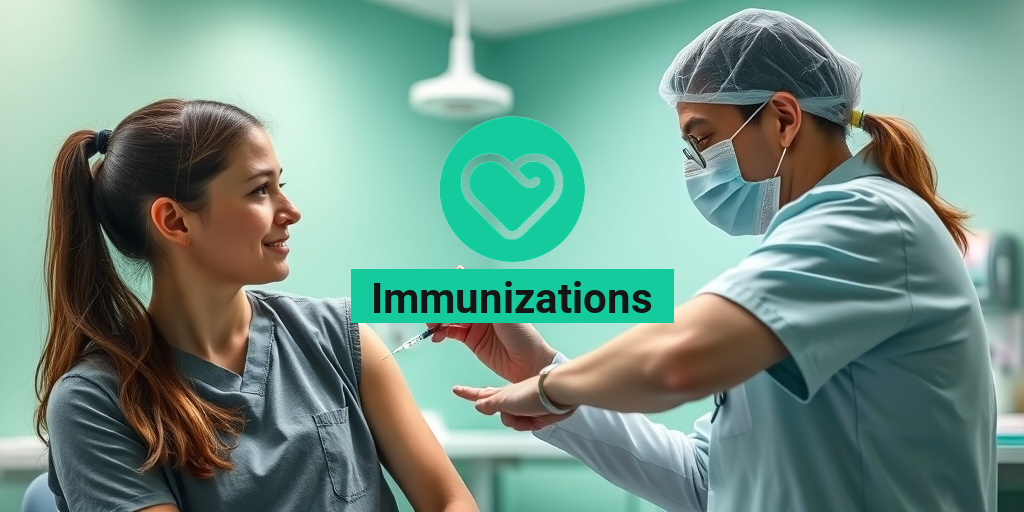
What Are Immunizations?
Immunizations, often referred to as vaccinations, are medical interventions designed to enhance the body’s immune response against specific infectious diseases. They work by introducing a harmless component of a pathogen—such as a weakened or inactivated virus or bacteria—into the body. This process stimulates the immune system to recognize and combat the actual pathogen if encountered in the future. In essence, immunizations help prepare your body to fight off infections more effectively, reducing the risk of severe illness and complications.
The importance of immunizations cannot be overstated. They have played a crucial role in public health by significantly reducing the incidence of many infectious diseases, such as measles, polio, and whooping cough. By getting vaccinated, not only do you protect yourself, but you also contribute to the broader community’s health by achieving herd immunity, which helps protect those who cannot be vaccinated due to medical reasons.
The Meaning of Immunizations
The term “immunization” encompasses both the process of vaccination and the resulting immunity that develops. When we talk about immunizations, we refer to the various vaccines available that target specific diseases. Understanding the meaning of immunizations is essential for making informed health decisions for yourself and your family.
Types of Immunizations
There are several types of immunizations, each designed to protect against different diseases. Understanding these types can help you make informed choices about your health and the health of your loved ones. Here are the primary categories:
1. Live Attenuated Vaccines
Live attenuated vaccines contain a weakened form of the virus or bacteria that causes the disease. These vaccines elicit a strong immune response and often provide long-lasting immunity. Examples include:
- Measles, Mumps, and Rubella (MMR) vaccine
- Varicella (chickenpox) vaccine
- Yellow fever vaccine
2. Inactivated Vaccines
Inactivated vaccines are made from viruses or bacteria that have been killed or inactivated so they cannot cause disease. While they may require multiple doses to achieve full immunity, they are generally considered safe. Examples include:
- Polio vaccine (IPV)
- Hepatitis A vaccine
- Influenza vaccine
3. Subunit, Recombinant, and Conjugate Vaccines
These vaccines use specific pieces of the pathogen—like proteins or sugars—to stimulate an immune response. They are often safer and can be used for individuals with weakened immune systems. Examples include:
- Human Papillomavirus (HPV) vaccine
- Pneumococcal vaccine
- Meningococcal vaccine
4. Messenger RNA (mRNA) Vaccines
mRNA vaccines are a newer type of vaccine that use genetic material to instruct cells to produce a harmless piece of the virus, prompting an immune response. The COVID-19 vaccines developed by Pfizer-BioNTech and Moderna are prime examples of this technology. They have shown remarkable efficacy and safety profiles.
5. Toxoid Vaccines
Toxoid vaccines are made from toxins produced by bacteria that have been inactivated. They help the body build immunity against the harmful effects of the toxin rather than the bacteria itself. Examples include:
- Diphtheria vaccine
- Tetanus vaccine
Immunizations by Age
Immunization schedules vary by age, with specific vaccines recommended at different life stages. For instance:
- Infants typically receive vaccines for hepatitis B, rotavirus, and DTaP (diphtheria, tetanus, and pertussis).
- Children usually receive boosters and additional vaccines, such as MMR and varicella, around ages 1 and 4.
- Adolescents and adults may require vaccines like Tdap, HPV, and annual flu shots.
For personalized immunization schedules and recommendations, consider visiting Yesil Health AI at yesilhealth.com, where you can find evidence-based health answers tailored to your needs.
In conclusion, understanding immunizations is vital for maintaining health and preventing disease. By staying informed about the types of vaccines available and their recommended schedules, you can take proactive steps to protect yourself and your family. Remember, immunizations are not just a personal health choice; they are a community responsibility! 💉🌍
Immunization Schedule
Understanding the immunization schedule is crucial for ensuring that individuals, especially children, receive the necessary vaccines at the right times. Vaccines are designed to protect against various infectious diseases, and adhering to the recommended schedule can significantly reduce the risk of outbreaks.
What is an Immunization Schedule?
An immunization schedule is a timeline that outlines when specific vaccines should be administered. These schedules are developed by health organizations, such as the Centers for Disease Control and Prevention (CDC) in the United States, and are based on extensive research and clinical trials. The schedule varies by age, health status, and sometimes geographical location.
Immunizations by Age
Vaccination needs change as a person grows. Here’s a brief overview of the typical immunization schedule for different age groups:
- Infants (0-12 months): Vaccines for hepatitis B, rotavirus, diphtheria, tetanus, pertussis (DTaP), Haemophilus influenzae type b (Hib), pneumococcal conjugate (PCV13), and inactivated poliovirus (IPV).
- Children (1-6 years): Booster doses of DTaP, IPV, MMR (measles, mumps, rubella), and varicella (chickenpox).
- Preteens (7-12 years): Tdap (tetanus, diphtheria, pertussis), meningococcal conjugate, and HPV (human papillomavirus) vaccines.
- Teens (13-18 years): Booster doses of meningococcal vaccine and HPV, along with any catch-up vaccines as needed.
It’s essential to consult with a healthcare provider to ensure that vaccinations are up-to-date and to discuss any specific needs based on health history or travel plans. 🌍
Tracking Immunization Records
Keeping track of immunization records is vital for both parents and individuals. These records provide proof of vaccination status, which may be required for school enrollment, travel, or employment. Many healthcare providers offer digital records, making it easier to access and share vaccination history.
Benefits of Immunizations
The benefits of immunizations extend far beyond individual protection; they contribute to the health of communities and populations. Here are some key advantages:
Protection Against Diseases
Vaccines are designed to prevent serious diseases that can lead to hospitalization or even death. By receiving immunizations, individuals significantly reduce their risk of contracting illnesses such as:
- Measles
- Mumps
- Rubella
- Polio
- Hepatitis B
These diseases can have severe consequences, and immunizations are a proven method to keep them at bay. 💉
Herd Immunity
When a significant portion of a population is vaccinated, it creates herd immunity. This means that even those who cannot be vaccinated—such as infants or individuals with certain medical conditions—are indirectly protected because the spread of disease is minimized. Herd immunity is crucial for controlling outbreaks and protecting vulnerable populations.
Cost-Effectiveness
Investing in immunizations is not only a health decision but also an economic one. Vaccines are generally much less expensive than treating diseases that they prevent. By reducing the incidence of illness, immunizations help lower healthcare costs for families and the healthcare system as a whole.
Improved Quality of Life
Immunizations contribute to a healthier population, which translates to a better quality of life. When fewer people are sick, communities can thrive, children can attend school regularly, and adults can maintain productivity at work. This overall improvement in public health is a significant benefit of widespread vaccination efforts. 🌟
In conclusion, understanding the immunization schedule and recognizing the numerous benefits of immunizations are essential steps in safeguarding individual and community health. By staying informed and proactive about vaccinations, we can all contribute to a healthier future.

Common Myths About Vaccines
Vaccines have been a cornerstone of public health for decades, yet they are often surrounded by misconceptions and myths. Understanding the truth behind these myths is crucial for making informed decisions about immunizations. Let’s debunk some of the most common myths about vaccines.
Myth 1: Vaccines Cause Autism
One of the most persistent myths is the belief that vaccines, particularly the MMR (measles, mumps, rubella) vaccine, cause autism. This myth originated from a now-discredited study published in 1998. Extensive research has since shown no link between vaccines and autism. The Centers for Disease Control and Prevention (CDC) and the World Health Organization (WHO) both affirm that vaccines are safe and effective.
Myth 2: Natural Immunity is Better Than Vaccine-Induced Immunity
While it’s true that natural infections can lead to immunity, they often come with serious health risks. For example, diseases like measles and chickenpox can lead to severe complications, including hospitalization and even death. Vaccines provide a safe way to develop immunity without the risks associated with the actual diseases.
Myth 3: Vaccines Contain Harmful Ingredients
Some people worry about the ingredients in vaccines, believing they are harmful. However, the ingredients used in vaccines are present in such small amounts that they pose no risk to health. In fact, many of the components, such as salts and sugars, are also found in everyday foods. Vaccines undergo rigorous testing to ensure their safety and efficacy before they are approved for public use.
Myth 4: Vaccines Are Only Necessary for Children
While childhood immunizations are crucial, adults also need vaccines to maintain their immunity. Vaccines like the flu shot, tetanus booster, and shingles vaccine are important for adults to prevent serious illnesses. Staying up-to-date with immunizations is essential at every stage of life.
Myth 5: Vaccines Can Overwhelm the Immune System
Another common myth is that receiving multiple vaccines at once can overwhelm a child’s immune system. In reality, the immune system is capable of handling numerous challenges simultaneously. Vaccines are designed to work with the immune system, not against it, and the number of vaccines given is carefully calculated to ensure safety and effectiveness.
Immunizations for Children
Immunizations are vital for protecting children from various infectious diseases. The childhood vaccination schedule is designed to provide immunity at the right age, ensuring that children are protected when they are most vulnerable. Here’s what you need to know about immunizations for children.
Why Are Immunizations Important?
Vaccines help prevent serious diseases that can lead to hospitalization or even death. By vaccinating children, we not only protect them but also contribute to herd immunity, which helps protect those who cannot be vaccinated, such as infants and individuals with certain medical conditions.
Recommended Vaccines for Children
- Hepatitis B: Given at birth, this vaccine protects against a serious liver infection.
- Diphtheria, Tetanus, and Pertussis (DTaP): Administered in a series of shots starting at 2 months of age.
- Haemophilus influenzae type b (Hib): Protects against bacterial infections that can lead to meningitis.
- Polio: A series of vaccines starting at 2 months to prevent poliomyelitis.
- Measles, Mumps, and Rubella (MMR): Given at 12-15 months, this vaccine is crucial for preventing these contagious diseases.
- Varicella (Chickenpox): Protects against chickenpox and is typically given at 12-15 months.
Vaccination Schedule
The CDC provides a recommended vaccination schedule that outlines when children should receive their vaccines. It’s important for parents to follow this schedule to ensure their children are adequately protected. Regular check-ups with a pediatrician can help keep track of immunizations and address any concerns.
Keeping Immunization Records
Maintaining accurate immunization records is essential for tracking your child’s vaccinations. These records are often required for school enrollment and can be helpful in case of outbreaks. Parents should keep a copy of their child’s vaccination history and ensure it is updated after each visit to the healthcare provider.
In conclusion, understanding the facts about immunizations and their importance can help parents make informed decisions for their children’s health. By dispelling myths and following recommended vaccination schedules, we can protect our children and communities from preventable diseases. 🌟

Immunizations for Adults
When we think about immunizations, we often picture children receiving their vaccines. However, adults also need to stay up-to-date with their immunizations to maintain their health and protect those around them. In this section, we’ll explore the essential immunizations for adults, their importance, and how they can help prevent serious diseases.
Why Are Immunizations Important for Adults?
Immunizations play a crucial role in public health by preventing the spread of infectious diseases. As we age, our immune system may weaken, making us more susceptible to illnesses. Staying current with vaccinations can:
- Protect Against Serious Diseases: Vaccines can prevent diseases like influenza, pneumonia, and shingles, which can have severe consequences for adults.
- Reduce Healthcare Costs: Preventing diseases through vaccination can save money on medical treatments and hospitalizations.
- Contribute to Herd Immunity: When a significant portion of the population is vaccinated, it helps protect those who cannot be vaccinated, such as individuals with certain medical conditions.
Essential Immunizations for Adults
Here are some key immunizations that adults should consider:
- Influenza Vaccine: Recommended annually, the flu vaccine helps protect against seasonal influenza, which can lead to severe complications.
- Tdap Vaccine: This vaccine protects against tetanus, diphtheria, and pertussis (whooping cough). Adults should receive a booster every 10 years.
- Shingles Vaccine: Adults aged 50 and older should get the shingles vaccine to prevent this painful condition caused by the reactivation of the chickenpox virus.
- Pneumococcal Vaccine: Recommended for adults over 65 and those with certain health conditions, this vaccine protects against pneumonia and other serious infections.
- Hepatitis B Vaccine: Particularly important for adults at risk, this vaccine protects against hepatitis B, a serious liver infection.
How to Stay Updated on Immunizations
To ensure you are up-to-date on your immunizations, consider the following steps:
- Consult Your Healthcare Provider: Schedule regular check-ups and discuss your vaccination history with your doctor.
- Keep Records: Maintain a personal immunization record to track which vaccines you have received.
- Check Local Resources: Look for immunization clinics or health departments in your area that offer vaccines.
Immunization Side Effects
While immunizations are essential for preventing diseases, it’s also important to be aware of potential side effects. Understanding these can help alleviate concerns and encourage informed decision-making.
Common Side Effects of Immunizations
Most side effects from vaccines are mild and temporary. Here are some common reactions:
- Pain at the Injection Site: This is the most common side effect, often accompanied by redness or swelling.
- Fever: A mild fever may occur as your body builds protection against the disease.
- Fatigue: Some individuals may feel tired or fatigued after receiving a vaccine.
- Headache: A mild headache can also be a temporary side effect.
When to Seek Medical Attention
While most side effects are mild, it’s essential to know when to seek medical attention. Contact your healthcare provider if you experience:
- Severe Allergic Reactions: Symptoms may include difficulty breathing, swelling of the face or throat, or a rapid heartbeat.
- High Fever: A fever above 104°F (40°C) that does not subside with over-the-counter medications.
- Persistent Symptoms: If side effects last longer than a few days or worsen, consult your doctor.
Understanding the Benefits vs. Risks
It’s natural to have concerns about vaccine side effects. However, the benefits of immunizations far outweigh the risks. Vaccines are rigorously tested for safety and efficacy before being approved for public use. By getting vaccinated, you not only protect yourself but also contribute to the health of your community. 🌍
In conclusion, staying informed about immunizations is vital for adults. Regular vaccinations can prevent serious diseases and promote overall health. If you have any questions or concerns about your immunization status, don’t hesitate to reach out to your healthcare provider! 💉
Frequently Asked Questions about Immunizations
What are immunizations?
Immunizations are medical procedures that help protect individuals from infectious diseases by stimulating the body’s immune system to recognize and fight specific pathogens. They are often administered through vaccines.
Why are immunizations important for children?
Immunizations are crucial for children as they help prevent serious diseases such as measles, mumps, and whooping cough. Vaccinating children not only protects them but also contributes to community immunity, reducing the spread of diseases.
What immunizations do babies need?
Babies typically require a series of immunizations starting at birth. Common vaccines include:
- Hepatitis B
- Diphtheria, Tetanus, and Pertussis (DTaP)
- Haemophilus influenzae type b (Hib)
- Pneumococcal conjugate (PCV)
- Polio (IPV)
- Measles, Mumps, and Rubella (MMR)
How can I find immunizations near me?
To find immunizations near you, consider checking with local health departments, pediatricians, or pharmacies. Many healthcare providers offer vaccination services and can provide information on available immunizations.
What should I do if I lose my immunization records?
If you lose your immunization records, you can request a copy from your healthcare provider or the clinic where you received your vaccinations. Some states also have immunization registries that can help you retrieve your records.
What is the recommended immunization schedule by age?
The recommended immunization schedule varies by age. Generally, infants receive their first vaccines at birth and continue through childhood. For specific schedules, consult your pediatrician or refer to guidelines from health organizations like the CDC.
What does “immunizations meaning” refer to?
The term immunizations meaning refers to the process of making a person immune or resistant to an infectious disease, typically through vaccination. It encompasses the various vaccines and the science behind how they work to protect health.
Are there any side effects of immunizations?
Most people experience mild side effects from immunizations, such as soreness at the injection site, low-grade fever, or fatigue. Serious side effects are rare but can occur. It’s important to discuss any concerns with your healthcare provider.
How do immunizations contribute to public health?
Immunizations play a vital role in public health by reducing the incidence of infectious diseases, preventing outbreaks, and protecting vulnerable populations who cannot be vaccinated due to medical reasons.