What Is Xeroderma Pigmentosum?
Xeroderma Pigmentosum (XP) is a rare genetic disorder that significantly increases an individual’s sensitivity to ultraviolet (UV) light. This condition is caused by a defect in the body’s ability to repair DNA damage caused by UV radiation. As a result, individuals with XP are at a heightened risk of developing skin cancers, even with minimal sun exposure. 🌞
XP is inherited in an autosomal recessive manner, meaning that both parents must carry the defective gene for their child to be affected. The condition is primarily characterized by a variety of skin-related symptoms, which can manifest in early childhood. Understanding XP is crucial for early diagnosis and management, as it can help mitigate the risks associated with UV exposure.
Causes of Xeroderma Pigmentosum
The underlying cause of Xeroderma Pigmentosum lies in mutations in genes responsible for repairing DNA. There are several types of XP, each associated with different genetic mutations. The most common genes involved include:
- XPA
- XPB
- XPC
- XPD
- XPE
- XPF
- XPG
These genes play a vital role in the nucleotide excision repair (NER) pathway, which is essential for fixing UV-induced DNA damage. When these genes are mutated, the body cannot effectively repair the damage, leading to the symptoms associated with XP.
Understanding the Genetics of XP
Individuals with Xeroderma Pigmentosum typically inherit the condition from both parents, who may not show any symptoms themselves. Genetic testing can confirm the presence of mutations associated with XP, providing valuable information for affected families. If you suspect that you or a loved one may have XP, consulting a healthcare professional is crucial for proper diagnosis and management.
Xeroderma Pigmentosum Symptoms
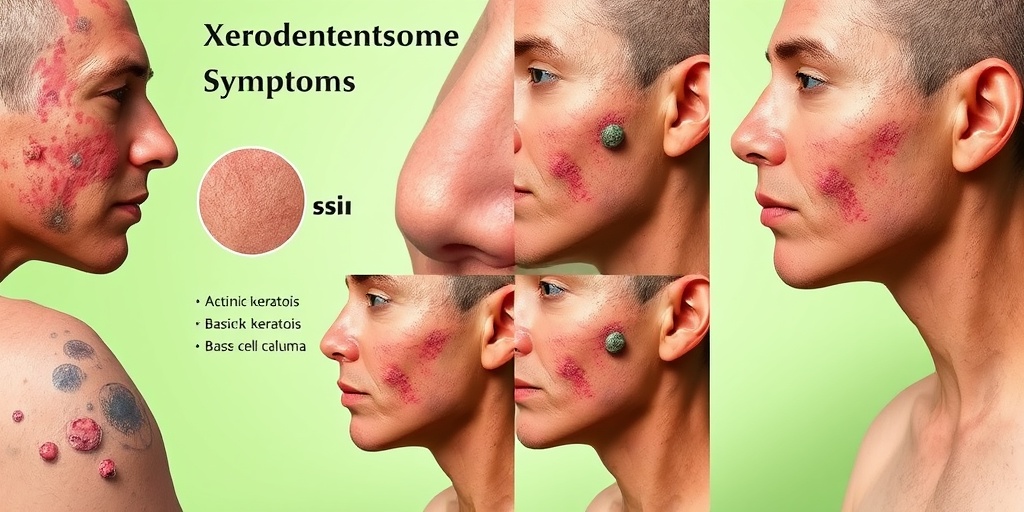
The symptoms of Xeroderma Pigmentosum can vary widely among individuals, but they generally include a range of skin-related issues. Early recognition of these symptoms is essential for effective management and prevention of complications.
Common Symptoms of XP
- Severe Sunburns: Individuals with XP often experience extreme sunburns after minimal sun exposure, which can occur even on cloudy days.
- Freckling: Unusual freckling may develop on sun-exposed areas of the skin, such as the face, neck, and hands, often appearing at a young age.
- Skin Changes: The skin may become dry, rough, and discolored, leading to an increased risk of skin cancers.
- Eye Problems: XP can also affect the eyes, leading to conditions such as photophobia (sensitivity to light), corneal opacities, and an increased risk of eye cancers.
- Neurological Issues: In some cases, individuals may experience neurological symptoms, including developmental delays, hearing loss, and coordination problems.
Recognizing Symptoms Early
Early detection of symptoms is vital for individuals with Xeroderma Pigmentosum. Regular skin examinations by a dermatologist can help monitor changes and catch any potential skin cancers early. Additionally, protective measures, such as wearing sunscreen, protective clothing, and avoiding direct sunlight, are essential for managing the condition.
Seeking Help and Resources
If you or someone you know is experiencing symptoms of Xeroderma Pigmentosum, it is important to seek medical advice. Healthcare professionals can provide guidance on managing the condition and reducing the risk of complications. For more information and evidence-based health answers, consider visiting Yesil Health AI, a valuable resource for understanding various health conditions.
In conclusion, Xeroderma Pigmentosum is a serious genetic disorder that requires careful management and awareness. By understanding the symptoms and taking proactive steps, individuals with XP can lead healthier lives while minimizing the risks associated with UV exposure. 🌟
Xeroderma Pigmentosum Causes
Xeroderma Pigmentosum (XP) is a rare genetic disorder that significantly increases an individual’s sensitivity to ultraviolet (UV) light. This condition is primarily caused by mutations in genes responsible for repairing DNA damage caused by UV radiation. Understanding the underlying causes of XP is crucial for managing the condition effectively.
Genetic Mutations
The primary cause of Xeroderma Pigmentosum is a defect in the nucleotide excision repair (NER) pathway. This pathway is essential for repairing DNA damage caused by UV light. In individuals with XP, mutations in one of several genes involved in this repair process lead to an inability to fix UV-induced DNA damage. The most commonly affected genes include:
- XPA: Involved in the initial recognition of DNA damage.
- XPB and XPD: Play roles in unwinding DNA to allow repair.
- XPE: Important for recognizing damaged DNA.
- XPF and XPG: Involved in the actual cutting and removal of damaged DNA segments.
These mutations can be inherited in an autosomal recessive manner, meaning that both parents must carry a copy of the mutated gene for their child to be affected. In some cases, XP can also arise from spontaneous mutations, although this is less common.
Environmental Factors
While the primary cause of Xeroderma Pigmentosum is genetic, environmental factors can exacerbate the condition. Individuals with XP are particularly vulnerable to UV radiation from sunlight and artificial sources. Exposure to UV light can lead to:
- Skin Damage: Increased risk of sunburn, skin lesions, and skin cancers.
- Eye Damage: Higher likelihood of developing cataracts and other eye disorders.
Therefore, it is crucial for individuals with XP to minimize their exposure to UV light through protective measures such as wearing sunscreen, protective clothing, and sunglasses. 🌞
Xeroderma Pigmentosum Risk Factors
Understanding the risk factors associated with Xeroderma Pigmentosum can help in early diagnosis and management of the condition. While the primary risk factor is genetic predisposition, several other factors can influence the severity and manifestation of XP.
Genetic Background
The most significant risk factor for developing Xeroderma Pigmentosum is having a family history of the disorder. Since XP is inherited in an autosomal recessive pattern, individuals with a family history of XP are at a higher risk. This is particularly relevant in certain populations where the condition is more prevalent due to genetic isolation or consanguinity.
Geographic Location
Individuals living in regions with high UV exposure, such as areas closer to the equator, may face increased risks. The intensity of UV radiation can exacerbate the symptoms of XP, leading to more severe skin damage and a higher incidence of skin cancers. 🌍
Age and Gender
Xeroderma Pigmentosum can manifest at any age, but symptoms often appear in early childhood. Both males and females are equally affected, but the severity of symptoms can vary. Early diagnosis and intervention are crucial for managing the condition effectively.
Behavioral Factors
Individuals with XP who engage in outdoor activities without adequate sun protection are at a higher risk of developing complications. This includes:
- Neglecting Sun Protection: Failing to use sunscreen or protective clothing can lead to increased skin damage.
- Ignoring Symptoms: Delaying medical attention for skin changes can result in more severe outcomes.
Awareness and education about the importance of sun protection are vital for individuals with Xeroderma Pigmentosum to mitigate risks and manage their health effectively. 🕶️
Xeroderma Pigmentosum Diagnosis
Xeroderma Pigmentosum (XP) is a rare genetic disorder that significantly increases an individual’s sensitivity to ultraviolet (UV) light. This condition can lead to severe skin damage and a heightened risk of skin cancer. Diagnosing XP involves a combination of clinical evaluation, family history assessment, and specialized tests. Let’s delve into the diagnostic process for this condition.
Clinical Evaluation
The first step in diagnosing xeroderma pigmentosum is a thorough clinical evaluation. Healthcare providers will look for characteristic symptoms, which may include:
- Severe sunburns after minimal sun exposure
- Freckling in sun-exposed areas, often appearing in childhood
- Skin changes such as dry, scaly patches or lesions
- Development of skin cancers at a young age
During this evaluation, doctors will also inquire about the patient’s family history, as XP is inherited in an autosomal recessive pattern. This means that both parents must carry the mutated gene for their child to be affected.
Genetic Testing
To confirm a diagnosis of xeroderma pigmentosum, genetic testing is often recommended. This testing can identify mutations in the genes responsible for DNA repair, which are defective in individuals with XP. The most common genes associated with XP include:
- XPA
- XPB
- XPC
- XPD
- XPE
- XPF
- XPG
Identifying these mutations not only confirms the diagnosis but also helps in understanding the specific type of XP, which can influence treatment options and management strategies.
Pathology and Additional Tests
In some cases, a biopsy of the skin may be performed to assess the extent of damage and rule out skin cancer. Pathology reports can provide valuable information about the cellular changes associated with XP. Additionally, ophthalmologic evaluations are crucial, as individuals with XP often experience eye problems, including:
- Photophobia (sensitivity to light)
- Corneal opacities
- Increased risk of eye cancers
Overall, a comprehensive approach combining clinical evaluation, genetic testing, and pathology assessments is essential for an accurate diagnosis of xeroderma pigmentosum.
Xeroderma Pigmentosum Treatment Options
While there is currently no cure for xeroderma pigmentosum, various treatment options can help manage symptoms and reduce the risk of skin cancer. The primary focus is on protecting the skin from UV exposure and monitoring for any signs of skin malignancies.
Sun Protection Strategies
One of the most critical aspects of managing XP is rigorous sun protection. Here are some effective strategies:
- Broad-spectrum sunscreen: Use a high SPF sunscreen (at least SPF 50) that protects against both UVA and UVB rays. Apply it generously and reapply every two hours, especially after swimming or sweating.
- Protective clothing: Wear long-sleeved shirts, wide-brimmed hats, and UV-blocking sunglasses to shield the skin from sunlight.
- Shade and indoor activities: Stay indoors during peak sunlight hours (10 AM to 4 PM) and seek shade whenever possible.
Regular Skin Monitoring
Regular skin examinations by a dermatologist are vital for individuals with XP. These check-ups can help detect any precancerous lesions or skin cancers early, allowing for timely intervention. Dermatologists may recommend:
- Topical treatments: Medications such as 5-fluorouracil (5-FU) can be used to treat actinic keratosis and other precancerous skin lesions.
- Photodynamic therapy: This treatment uses light-sensitive medication and a light source to destroy abnormal cells.
- Surgical options: If skin cancers are detected, surgical removal may be necessary.
Supportive Care and Counseling
Living with xeroderma pigmentosum can be challenging, both physically and emotionally. Support groups and counseling can provide valuable resources and emotional support for affected individuals and their families. Connecting with others who understand the condition can help alleviate feelings of isolation and anxiety.
In summary, while the diagnosis of xeroderma pigmentosum can be daunting, early detection and proactive management can significantly improve quality of life and reduce the risk of serious complications. 🌞

Xeroderma Pigmentosum Skin Care
Xeroderma Pigmentosum (XP) is a rare genetic disorder that significantly increases the risk of skin cancer due to an inability to repair DNA damage caused by ultraviolet (UV) light. Individuals with XP must take special precautions to protect their skin from sun exposure. Here, we’ll explore effective skin care strategies for those living with this condition.
Understanding Xeroderma Pigmentosum
Before diving into skin care, it’s essential to understand what xeroderma pigmentosum entails. XP is caused by mutations in genes responsible for repairing DNA damage. This defect leads to heightened sensitivity to UV rays, resulting in symptoms such as:
- Severe sunburns after minimal sun exposure
- Freckling and pigmentation changes
- Skin lesions and cancers at a young age
Daily Skin Care Routine
For individuals with XP, a meticulous skin care routine is crucial. Here are some key components:
- Broad-Spectrum Sunscreen: Use a high-SPF sunscreen (at least SPF 50) that protects against both UVA and UVB rays. Apply it generously on all exposed skin, even on cloudy days.
- Protective Clothing: Wear long sleeves, wide-brimmed hats, and UV-blocking sunglasses when outdoors. Fabrics with a tight weave provide better protection.
- Moisturizers: Regularly apply moisturizers to keep the skin hydrated. Look for products that are fragrance-free and formulated for sensitive skin.
- Regular Skin Checks: Schedule regular dermatological examinations to monitor for any changes in the skin, such as new growths or changes in existing moles.
Special Treatments and Products
In addition to a daily routine, consider incorporating specialized products:
- Antioxidant Serums: Products containing vitamins C and E can help protect the skin from oxidative stress.
- Retinoids: These can promote skin cell turnover and may help in reducing the appearance of sun damage.
- Prescription Treatments: Consult with a dermatologist about topical treatments that may be beneficial for your specific skin concerns.
Sun Safety Tips
Beyond skin care products, adopting sun safety practices is vital:
- Avoid Peak Sun Hours: Stay indoors during peak UV hours, typically between 10 AM and 4 PM.
- Seek Shade: When outdoors, find shaded areas to minimize direct sun exposure.
- Use UV Filters: Consider using window films or UV-blocking screens in your home and car.
Xeroderma Pigmentosum Prognosis
The prognosis for individuals with xeroderma pigmentosum (XP) can vary significantly based on several factors, including the specific genetic mutation, the severity of the condition, and the effectiveness of sun protection measures. Understanding the prognosis is essential for managing the condition effectively.
Life Expectancy and Health Risks
While XP can lead to a higher risk of skin cancers, early diagnosis and diligent sun protection can significantly improve life expectancy. Many individuals with XP can lead relatively normal lives if they adhere to strict sun safety practices. However, they are at a higher risk for:
- Skin cancers, including basal cell carcinoma, squamous cell carcinoma, and melanoma
- Neurological complications in some cases, depending on the specific XP type
Monitoring and Management
Regular monitoring is crucial for managing the prognosis of XP. This includes:
- Frequent Dermatological Check-ups: Regular skin examinations can help detect any early signs of skin cancer.
- Genetic Counseling: Families affected by XP may benefit from genetic counseling to understand the risks and implications for future generations.
Psychosocial Considerations
Living with XP can also have psychosocial impacts. Individuals may experience anxiety or depression due to their condition. Support groups and counseling can provide valuable resources for coping with the emotional aspects of living with a chronic condition.
In conclusion, while xeroderma pigmentosum presents significant challenges, proactive skin care and regular monitoring can lead to a better quality of life and improved prognosis. 🌞💖

Frequently Asked Questions about Xeroderma Pigmentosum
What is Xeroderma Pigmentosum?
Xeroderma Pigmentosum (XP) is a rare genetic disorder characterized by an extreme sensitivity to ultraviolet (UV) rays from sunlight. Individuals with this condition have a defect in their ability to repair DNA damage caused by UV exposure, leading to a higher risk of skin cancers and other complications.
What are the symptoms of Xeroderma Pigmentosum?
The symptoms of Xeroderma Pigmentosum typically include:
- Severe sunburns after minimal sun exposure
- Freckling and pigmentation changes on sun-exposed areas
- Skin lesions and growths
- Increased risk of skin cancers
- Eye problems, such as sensitivity to light and corneal damage
What causes Xeroderma Pigmentosum?
Xeroderma Pigmentosum is caused by mutations in genes responsible for repairing DNA damage. These mutations impair the body’s ability to fix UV-induced DNA lesions, leading to the symptoms associated with the condition.
How is Xeroderma Pigmentosum diagnosed?
Diagnosis of Xeroderma Pigmentosum typically involves a combination of clinical evaluation, family history assessment, and genetic testing to identify specific mutations in the DNA repair genes.
What treatments are available for Xeroderma Pigmentosum?
While there is no cure for Xeroderma Pigmentosum, treatment focuses on managing symptoms and preventing complications. This may include:
- Strict sun protection measures, such as wearing protective clothing and using high-SPF sunscreen
- Regular skin examinations to monitor for skin cancers
- Possible surgical removal of skin lesions or cancers
Can Xeroderma Pigmentosum be inherited?
Yes, Xeroderma Pigmentosum is an inherited condition, typically passed down in an autosomal recessive manner. This means that both parents must carry a copy of the mutated gene for their child to be affected.
How can individuals with Xeroderma Pigmentosum protect themselves from UV exposure?
Individuals with Xeroderma Pigmentosum can take several precautions to minimize UV exposure:
- Staying indoors during peak sunlight hours
- Wearing wide-brimmed hats and UV-blocking sunglasses
- Using UV-protective clothing
- Applying broad-spectrum sunscreen with a high SPF
Is there ongoing research for Xeroderma Pigmentosum?
Yes, ongoing research aims to better understand the genetic mutations associated with Xeroderma Pigmentosum and to develop potential therapies that could improve DNA repair mechanisms or provide better management options for affected individuals.
Where can I find support for Xeroderma Pigmentosum?
Support for individuals with Xeroderma Pigmentosum can be found through various organizations and support groups that focus on rare genetic disorders. These resources can provide information, community support, and advocacy for those affected by the condition.