What Is Molluscum Contagiosum?
Molluscum contagiosum is a common viral skin infection caused by the molluscum contagiosum virus (MCV). This infection primarily affects the skin and is characterized by small, raised, round bumps that can appear anywhere on the body. While it can affect individuals of all ages, it is particularly prevalent among children and those with weakened immune systems. The virus is highly contagious and spreads through direct skin-to-skin contact, making it easy to transmit in settings like schools, daycare centers, and even through shared personal items like towels or sports equipment. 🏫🤝
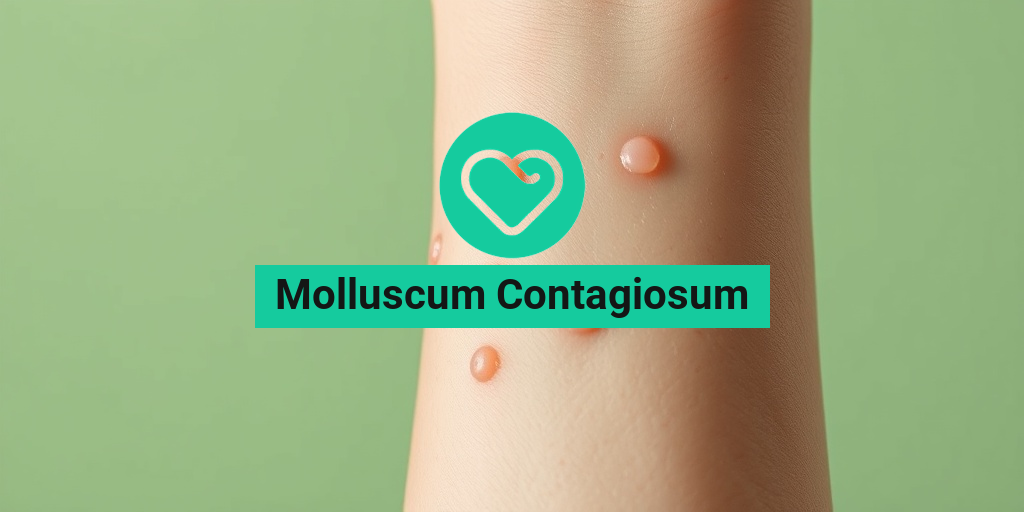
The bumps caused by molluscum contagiosum are usually painless and can vary in size, typically ranging from 2 to 5 millimeters in diameter. They may appear flesh-colored, white, or pink and often have a dimpled center. While the condition is generally harmless and self-limiting, it can be bothersome due to its appearance and the potential for secondary infections if the bumps are scratched or irritated.
How Does Molluscum Contagiosum Spread?
The molluscum contagiosum virus spreads through various means, including:
- Direct Contact: Touching the bumps of an infected person.
- Indirect Contact: Sharing personal items such as towels, clothing, or sports gear.
- Sexual Contact: The virus can also be transmitted through sexual activity, leading to genital molluscum contagiosum.
Understanding how the virus spreads is crucial for prevention. Maintaining good hygiene practices, such as regular handwashing and avoiding sharing personal items, can significantly reduce the risk of transmission. 🧼✋
Molluscum Symptoms
The symptoms of molluscum contagiosum are relatively straightforward, but they can vary from person to person. The most notable symptom is the appearance of the characteristic bumps on the skin. Here’s a closer look at the symptoms you might encounter:
Characteristic Bumps
The primary symptom of molluscum contagiosum is the development of small, round, raised bumps. These bumps may:
- Be flesh-colored, white, or pink.
- Have a dimpled or indented center.
- Range in size from 2 to 5 millimeters.
- Occur in clusters or alone.
While these bumps are typically painless, they can become itchy or irritated, especially if scratched. In some cases, the bumps may become red or inflamed, indicating a secondary infection. If you notice any changes in the appearance of the bumps or experience discomfort, it’s essential to consult a healthcare professional. 🩺
Other Symptoms
In addition to the visible bumps, some individuals may experience:
- Itching: The bumps can become itchy, leading to scratching and potential secondary infections.
- Inflammation: If the bumps are scratched, they may become red and swollen.
- Discomfort: While most cases are asymptomatic, some individuals may feel discomfort in the affected areas.
It’s important to note that molluscum contagiosum is generally a mild condition that resolves on its own within 6 to 12 months. However, for those who wish to expedite the healing process or for cases that cause significant discomfort, various treatment options are available. These can include topical treatments, cryotherapy, or other medical interventions. For more detailed information on treatment options, you can visit Yesil Health AI, a valuable resource for evidence-based health answers. 💡
In conclusion, while molluscum contagiosum is a common and usually harmless viral infection, being aware of its symptoms and transmission methods can help you manage and prevent its spread effectively. If you suspect you or your child may have molluscum contagiosum, consulting a healthcare provider is the best course of action to ensure proper care and treatment.

Molluscum Transmission
Molluscum contagiosum is a common viral skin infection that primarily affects children but can also occur in adults. Understanding how this virus spreads is crucial for prevention and management. Let’s delve into the various ways molluscum contagiosum can be transmitted.
Direct Skin-to-Skin Contact
The most common way molluscum contagiosum spreads is through direct skin-to-skin contact. This can happen during activities such as:
- Playing with infected individuals
- Sharing personal items like towels or clothing
- Engaging in close physical activities, such as sports
Children are particularly susceptible due to their frequent interactions with peers. It’s essential to teach kids about the importance of hygiene and avoiding sharing personal items to minimize the risk of transmission. 🧼
Indirect Transmission
While less common, molluscum contagiosum can also spread indirectly. This occurs when the virus is transferred via contaminated surfaces or objects. For example:
- Touching gym equipment that has been used by an infected person
- Using public swimming pools or hot tubs
- Contact with shared toys or playground equipment
To reduce the risk of indirect transmission, it’s advisable to maintain good hygiene practices, such as wiping down gym equipment before use and avoiding sharing towels. 🏊♂️
Sexual Transmission
In adults, molluscum contagiosum can be transmitted through sexual contact. The virus can infect the genital area, leading to lesions that may be mistaken for other sexually transmitted infections. It’s important to practice safe sex and communicate openly with partners about any skin conditions. 💑
Molluscum Risk Factors
Understanding the risk factors associated with molluscum contagiosum can help in identifying individuals who may be more susceptible to the infection. Here are some key risk factors to consider:
Age
Molluscum contagiosum is most prevalent in children aged 1 to 12 years. Their developing immune systems and tendency to engage in close contact with peers make them more vulnerable. However, adults can also contract the virus, especially if they have compromised immune systems. 👶
Weakened Immune System
Individuals with weakened immune systems, such as those with HIV/AIDS, cancer, or those undergoing immunosuppressive therapy, are at a higher risk of contracting molluscum contagiosum. A robust immune response is crucial for controlling the virus and preventing widespread lesions. 💪
Skin Conditions
People with existing skin conditions, such as eczema or psoriasis, may be more susceptible to molluscum contagiosum. The compromised skin barrier can allow the virus to enter more easily, leading to infection. It’s essential for individuals with these conditions to take extra precautions to protect their skin. 🩹
Close Living Conditions
Living in close quarters, such as in dormitories, military barracks, or crowded households, can increase the risk of transmission. The close contact and shared facilities can facilitate the spread of the virus among residents. 🏠
Personal Hygiene Practices
Poor personal hygiene can also contribute to the risk of contracting molluscum contagiosum. Regular handwashing, avoiding sharing personal items, and maintaining clean living environments are vital in reducing the risk of infection. 🧴
By being aware of these risk factors and transmission methods, individuals can take proactive steps to protect themselves and others from molluscum contagiosum. Understanding the nature of this viral infection is the first step toward effective prevention and management.

Molluscum Diagnosis
Diagnosing Molluscum Contagiosum can often be straightforward, especially for healthcare professionals familiar with the condition. This viral skin infection is characterized by small, raised, pearl-like bumps on the skin, which can appear anywhere on the body. Understanding how this condition is diagnosed is crucial for effective management and treatment.
Visual Examination
The primary method for diagnosing Molluscum Contagiosum is through a visual examination by a healthcare provider. The characteristic appearance of the lesions—small, dome-shaped, and often with a central dimple—can usually lead to a quick diagnosis. These bumps can vary in color from flesh-toned to pink and may be itchy or tender.
Medical History
In addition to a physical examination, your doctor may ask about your medical history, including:
- Any recent skin infections or conditions
- History of skin lesions
- Exposure to others with similar symptoms
- Any underlying health conditions that may affect your immune system
Biopsy and Laboratory Tests
In rare cases, if the diagnosis is uncertain, a healthcare provider may perform a biopsy. This involves taking a small sample of the lesion to examine it under a microscope. Laboratory tests can help confirm the presence of the Molluscum Contagiosum virus and rule out other skin conditions.
Self-Diagnosis Caution
While it may be tempting to self-diagnose based on online images or descriptions, it’s essential to consult a healthcare professional for an accurate diagnosis. Misdiagnosis can lead to inappropriate treatment and prolonged discomfort.
Molluscum Treatment Options
Treating Molluscum Contagiosum can vary based on the severity of the infection, the age of the patient, and individual preferences. While the condition is often self-limiting and may resolve on its own, several treatment options can help speed up the healing process and reduce the risk of spreading the virus.
Topical Treatments
Topical treatments are commonly used for Molluscum Contagiosum. These include:
- Imiquimod Cream: This immune response modifier helps the body fight the virus.
- Cantharidin: A blistering agent applied by a healthcare provider that causes the lesions to blister and eventually fall off.
- Retinoid Creams: These can help promote skin cell turnover and may assist in clearing the lesions.
Procedural Treatments
For more persistent cases, procedural treatments may be recommended:
- Cryotherapy: Freezing the lesions with liquid nitrogen, which causes them to fall off.
- Curettage: A minor surgical procedure where the lesions are scraped off.
- Laser Therapy: Using laser technology to destroy the lesions effectively.
Home Remedies
Some individuals may prefer to try home remedies, although their effectiveness can vary. Options include:
- Tea Tree Oil: Known for its antiviral properties, it may help reduce lesions.
- Apple Cider Vinegar: Some people find that applying diluted apple cider vinegar can help dry out the bumps.
Preventive Measures
To prevent the spread of Molluscum Contagiosum, consider the following:
- Avoid sharing personal items like towels or razors.
- Practice good hygiene, especially after touching the lesions.
- Keep the affected area covered to minimize transmission.
While Molluscum Contagiosum can be bothersome, understanding the diagnosis and treatment options available can empower individuals to manage the condition effectively. Always consult with a healthcare provider for personalized advice and treatment plans. 🌟

Molluscum Home Remedies
Molluscum contagiosum is a common viral skin infection that primarily affects children but can also occur in adults. While it often resolves on its own, many people seek home remedies to alleviate symptoms and speed up the healing process. Here are some effective home remedies you can try:
1. Tea Tree Oil
Tea tree oil is renowned for its antiviral and antibacterial properties. To use it, dilute a few drops of tea tree oil with a carrier oil, such as coconut oil, and apply it directly to the affected areas twice daily. This may help reduce inflammation and promote healing. 🌿
2. Apple Cider Vinegar
Apple cider vinegar (ACV) is another popular remedy due to its acidic nature, which can help dry out the molluscum lesions. Soak a cotton ball in ACV and apply it to the bumps for about 20 minutes daily. Be cautious, as it may cause irritation on sensitive skin.
3. Aloe Vera
Aloe vera is well-known for its soothing properties. Applying fresh aloe vera gel to the affected areas can help reduce irritation and promote skin healing. Use it several times a day for the best results. 🌱
4. Coconut Oil
Coconut oil has natural antiviral properties and can help moisturize the skin. Apply a thin layer of coconut oil to the lesions to keep the skin hydrated and potentially speed up the healing process.
5. Garlic
Garlic is another natural remedy with antiviral properties. You can crush a few cloves of garlic and mix them with a carrier oil. Apply this mixture to the affected areas, but be cautious, as garlic can be potent and may cause skin irritation. 🧄
6. Oatmeal Baths
Taking an oatmeal bath can help soothe itching and irritation associated with molluscum contagiosum. Simply add colloidal oatmeal to warm bathwater and soak for 15-20 minutes. This can provide relief and help calm the skin.
7. Honey
Honey is a natural antibacterial and can help with healing. Apply raw honey directly to the lesions and leave it on for about 30 minutes before rinsing off. This can help reduce inflammation and promote skin repair. 🍯
Molluscum Prevention Tips
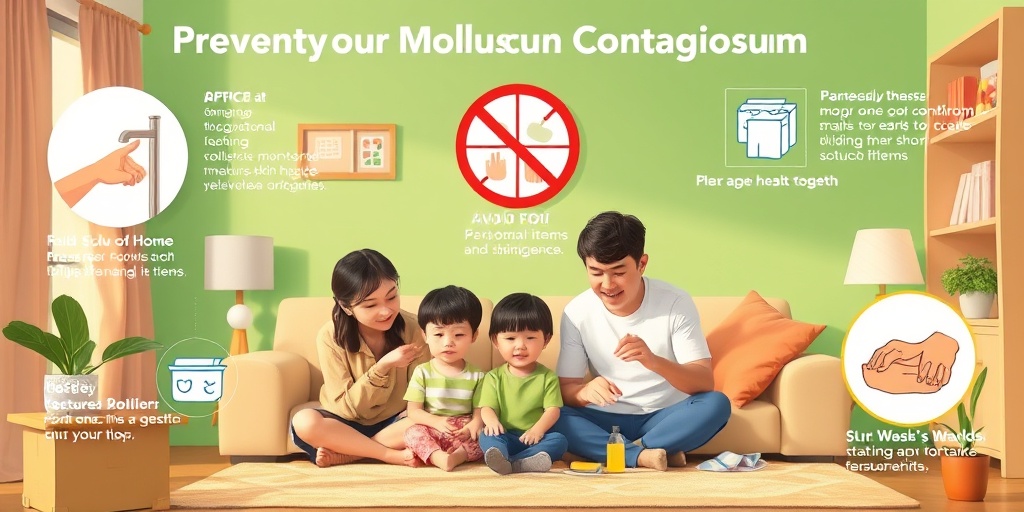
Preventing molluscum contagiosum is crucial, especially for children who are more susceptible to the virus. Here are some effective prevention tips to keep in mind:
1. Practice Good Hygiene
Encourage regular handwashing with soap and water, especially after touching potentially contaminated surfaces. This simple practice can significantly reduce the risk of spreading the virus. 🧼
2. Avoid Sharing Personal Items
Do not share personal items such as towels, clothing, or razors, as these can harbor the virus. Keeping personal items separate can help prevent transmission.
3. Keep Skin Clean and Dry
Maintaining clean and dry skin can help prevent the growth of the molluscum contagiosum virus. After swimming or bathing, ensure that the skin is thoroughly dried, especially in areas prone to moisture.
4. Cover Lesions
If someone has molluscum contagiosum, it’s essential to cover the lesions with a bandage or clothing to prevent spreading the virus to others. This is particularly important in communal settings like schools or daycare centers.
5. Avoid Scratching
Encourage children (and adults) not to scratch the lesions, as this can lead to further irritation and increase the risk of spreading the virus to other parts of the body or to other people.
6. Limit Close Contact
During an active infection, it’s wise to limit close contact with others, especially in settings where skin-to-skin contact is common, such as sports or swimming pools. This can help prevent the virus from spreading.
7. Educate About the Virus
Educating children and family members about molluscum contagiosum, its transmission, and prevention methods can empower them to take proactive steps in avoiding infection.
By incorporating these home remedies and prevention tips, you can effectively manage and reduce the risk of molluscum contagiosum. Remember, while home remedies can be helpful, it’s always best to consult with a healthcare professional for personalized advice and treatment options. 🩺
Frequently Asked Questions about Molluscum Contagiosum
What is Molluscum Contagiosum?
Molluscum Contagiosum is a viral skin infection caused by a poxvirus. It leads to the development of small, raised, painless bumps on the skin, which can vary in color and size. The infection is generally harmless but can be bothersome and may take time to resolve.
How is Molluscum Contagiosum transmitted?
The virus spreads through direct skin-to-skin contact, including touching the bumps of an infected person. It can also spread through contaminated objects, such as towels or clothing. Children are particularly susceptible due to close contact during play.
What are the symptoms of Molluscum Contagiosum?
The primary symptom of Molluscum Contagiosum is the appearance of small, round, firm bumps on the skin. These bumps may be flesh-colored, white, or pink and can sometimes itch or become inflamed. In some cases, they may also appear in clusters.
How is Molluscum Contagiosum treated?
Treatment options for Molluscum Contagiosum include:
- Topical treatments, such as creams or ointments prescribed by a healthcare provider.
- Physical removal methods, including cryotherapy (freezing), curettage (scraping), or laser therapy.
- Observation, as the infection often resolves on its own without treatment.
Is Molluscum Contagiosum contagious?
Yes, Molluscum Contagiosum is contagious. It can easily spread through direct contact with the bumps or contaminated surfaces. It is important to avoid sharing personal items and to practice good hygiene to prevent transmission.
Can Molluscum Contagiosum affect adults?
While Molluscum Contagiosum is more common in children, it can also affect adults, particularly those with weakened immune systems. In adults, the bumps may appear in the genital area, which can be a cause for concern.
How long does Molluscum Contagiosum last?
The duration of Molluscum Contagiosum can vary. In most cases, the bumps will resolve on their own within 6 to 12 months. However, some individuals may experience the infection for longer periods, especially if they have a compromised immune system.
Are there any home remedies for Molluscum Contagiosum?
While there are no scientifically proven home remedies for Molluscum Contagiosum, some people find relief using natural treatments like tea tree oil or apple cider vinegar. However, it is advisable to consult a healthcare provider before trying any home remedies.
When should I see a doctor?
If you or your child has symptoms of Molluscum Contagiosum that are persistent, spreading, or causing discomfort, it is important to consult a healthcare professional. They can provide guidance on the best treatment options and help rule out other skin conditions.