What Is Lung Nocardiosis?
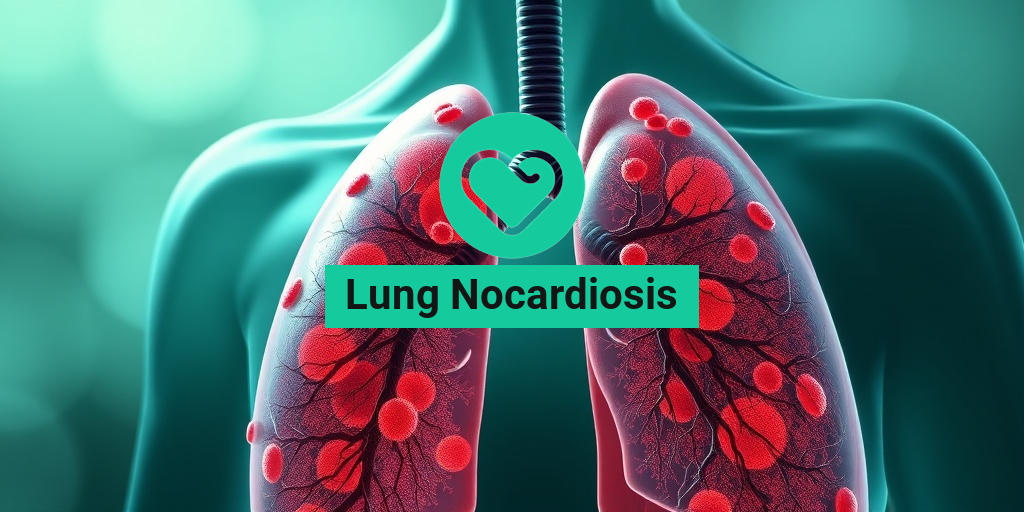
Lung nocardiosis is a rare but serious infection caused by bacteria from the Nocardia genus. These bacteria are typically found in soil and decaying organic matter, making them more prevalent in certain environments. While nocardiosis can affect various parts of the body, when it targets the lungs, it can lead to significant respiratory issues.
The infection primarily occurs in individuals with weakened immune systems, such as those with HIV/AIDS, cancer patients, or individuals on immunosuppressive therapy. However, healthy individuals can also contract the disease, especially if they have been exposed to contaminated soil or dust.
How Does Lung Nocardiosis Develop?
Lung nocardiosis usually develops when the bacteria are inhaled into the lungs. Once inside, they can cause inflammation and form abscesses, leading to a range of respiratory symptoms. The disease can manifest in various forms, including:
- Pulmonary Nocardiosis: This is the most common form, characterized by lung abscesses and pneumonia-like symptoms.
- Disseminated Nocardiosis: In some cases, the infection can spread from the lungs to other organs, including the brain and skin.
Understanding the nature of lung nocardiosis is crucial for early diagnosis and treatment. If you suspect you may be at risk, consulting a healthcare professional is essential.
Lung Nocardiosis Symptoms
The symptoms of lung nocardiosis can vary widely depending on the severity of the infection and the individual’s overall health. Common symptoms include:
1. Respiratory Symptoms
- Persistent Cough: A chronic cough that may produce sputum is often one of the first signs.
- Chest Pain: Discomfort or pain in the chest can occur, especially during deep breaths.
- Shortness of Breath: Difficulty breathing or feeling breathless is a common symptom.
2. Systemic Symptoms
- Fever: A low-grade fever may be present as the body fights off the infection.
- Fatigue: General tiredness and weakness can accompany the infection.
- Weight Loss: Unexplained weight loss may occur due to the body’s increased metabolic demands.
3. Complications
If left untreated, lung nocardiosis can lead to severe complications, including:
- Lung Abscesses: These can form in the lungs, leading to further respiratory issues.
- Dissemination: The infection can spread to other organs, such as the brain, causing neurological symptoms.
It’s important to note that while lung nocardiosis can be serious, it is not always fatal. Early diagnosis and appropriate treatment can significantly improve outcomes. If you experience any of these symptoms, especially if you have a compromised immune system, seek medical attention promptly.
For more information on lung health and related conditions, consider visiting Yesil Health AI, a valuable resource for evidence-based health answers. 🌟
In conclusion, understanding lung nocardiosis is vital for recognizing its symptoms and seeking timely treatment. By being aware of the risks and signs, you can take proactive steps to protect your lung health. Remember, if you have concerns about your respiratory health, don’t hesitate to reach out to a healthcare professional. Your lungs deserve the best care! 💙

Causes of Lung Nocardiosis
Lung nocardiosis is a rare but serious infection caused by the Nocardia species, a group of bacteria found in soil and decaying organic matter. Understanding the causes of this condition is crucial for prevention and early diagnosis. Here are the primary causes:
1. Exposure to Nocardia Bacteria
The primary cause of lung nocardiosis is exposure to Nocardia bacteria. These bacteria can enter the body through:
- Inhalation of contaminated dust or soil
- Open wounds or cuts that come into contact with contaminated materials
Individuals who work in agriculture, gardening, or construction may be at a higher risk due to increased exposure to soil and organic matter.
2. Compromised Immune System
People with weakened immune systems are particularly susceptible to lung nocardiosis. Conditions that can compromise the immune system include:
- HIV/AIDS
- Cancer and its treatments (chemotherapy)
- Organ transplants
- Chronic use of corticosteroids or immunosuppressive medications
In these individuals, the body’s ability to fight off infections is diminished, making it easier for Nocardia to establish an infection.
3. Pre-existing Lung Conditions
Individuals with pre-existing lung conditions, such as chronic obstructive pulmonary disease (COPD) or cystic fibrosis, are also at an increased risk. These conditions can create an environment in the lungs that is more conducive to bacterial growth, allowing Nocardia to thrive.
Risk Factors for Lung Nocardiosis
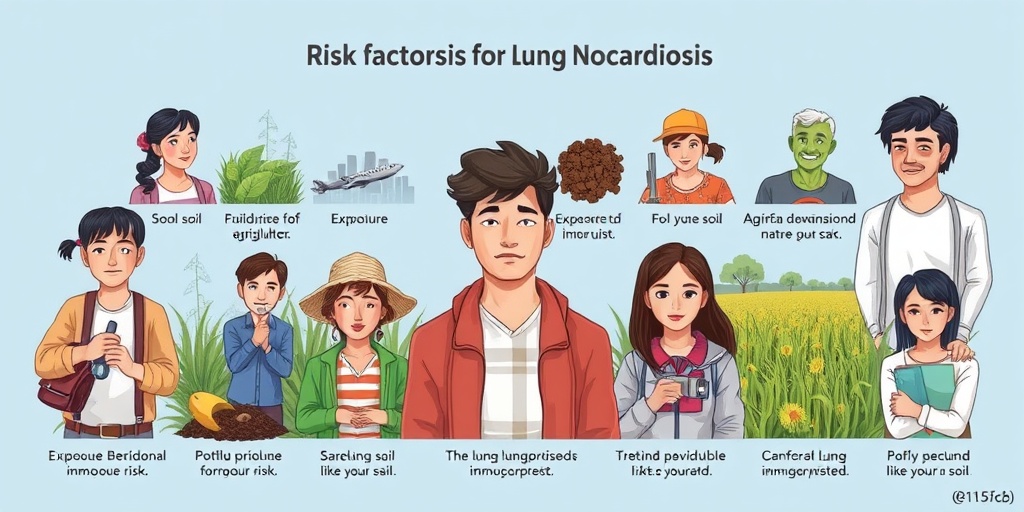
Identifying the risk factors associated with lung nocardiosis can help in early detection and treatment. Here are some key risk factors to consider:
1. Occupational Hazards
As mentioned earlier, certain occupations expose individuals to higher levels of Nocardia bacteria. Those working in:
- Agriculture
- Landscaping
- Construction
are at a greater risk due to their frequent contact with soil and organic materials.
2. Geographic Location
The prevalence of Nocardia varies by geographic location. Areas with:
- Warm climates
- High levels of rainfall
are more likely to harbor these bacteria. For instance, regions in the southern United States may see higher incidences of lung nocardiosis.
3. Age and Gender
Age and gender can also play a role in the risk of developing lung nocardiosis. Studies suggest that:
- Men are more likely to be affected than women
- Older adults, particularly those over 50, are at a higher risk
This may be due to a combination of factors, including a higher prevalence of underlying health conditions in older adults.
4. Underlying Health Conditions
Individuals with chronic health issues, such as diabetes or liver disease, may also be at increased risk. These conditions can impair the immune response, making it easier for infections like lung nocardiosis to take hold.
5. Smoking
Smoking is another significant risk factor. It damages the lungs and weakens the immune system, making it more difficult for the body to fight off infections, including those caused by Nocardia.
In summary, understanding the causes and risk factors of lung nocardiosis is essential for prevention and early intervention. If you believe you may be at risk, consult with a healthcare professional for guidance and potential screening options. 🌱💨
Diagnosis of Lung Nocardiosis
Lung nocardiosis is a rare but serious infection caused by the Nocardia species, which can lead to significant respiratory issues if not diagnosed and treated promptly. Understanding how this condition is diagnosed is crucial for effective management and recovery.
Clinical Presentation
The initial symptoms of lung nocardiosis can often mimic those of other respiratory infections, making diagnosis challenging. Common symptoms include:
- Persistent cough that may produce sputum
- Fever and chills
- Chest pain or discomfort
- Shortness of breath or difficulty breathing
- Fatigue and malaise
Due to these overlapping symptoms, a thorough clinical evaluation is essential. Physicians will often consider the patient’s medical history, including any underlying conditions such as immunosuppression, which can increase the risk of nocardiosis.
Imaging Studies
To confirm a diagnosis of lung nocardiosis, imaging studies play a vital role. A CT scan of the chest is typically the preferred method, as it can reveal characteristic findings such as:
- Multiple nodules or abscesses in the lungs
- Consolidation of lung tissue
- Pleural effusions (fluid accumulation around the lungs)
These imaging results can help differentiate lung nocardiosis from other pulmonary conditions, such as tuberculosis or lung cancer, which may present similarly on scans.
Microbiological Testing
To definitively diagnose lung nocardiosis, microbiological testing is essential. This may involve:
- Sputum culture: A sample of sputum is collected and cultured to identify the presence of Nocardia species.
- Bronchoscopy: In some cases, a bronchoscopy may be performed to obtain samples directly from the lungs.
- Biopsy: If nodules are present, a biopsy may be necessary to confirm the diagnosis.
These tests can take time, and results may not be immediately available. Therefore, clinicians often start empirical treatment based on clinical suspicion while awaiting definitive results.
Treatment Options for Lung Nocardiosis
Once diagnosed, prompt treatment of lung nocardiosis is critical to prevent complications. The treatment approach typically involves a combination of antibiotics and supportive care.
Antibiotic Therapy
The cornerstone of treatment for lung nocardiosis is antibiotic therapy. The choice of antibiotics may depend on the severity of the infection and the patient’s overall health. Commonly used antibiotics include:
- Trimethoprim-sulfamethoxazole (TMP-SMX): This is the first-line treatment for most cases of nocardiosis.
- Imipenem: This may be used in more severe cases or when the patient is intolerant to TMP-SMX.
- Minocycline or Amikacin: These can be alternatives or adjuncts in specific situations.
Duration of therapy typically lasts for several months, often extending to 6-12 months, depending on the patient’s response and the extent of the disease.
Supportive Care
In addition to antibiotic treatment, supportive care is essential for patients with lung nocardiosis. This may include:
- Oxygen therapy: For patients experiencing significant shortness of breath.
- Management of underlying conditions: Addressing any immunosuppressive factors that may contribute to the infection.
- Regular follow-up: Monitoring the patient’s progress and adjusting treatment as necessary.
In severe cases, hospitalization may be required for intensive monitoring and treatment. Early intervention and adherence to treatment protocols are key to improving outcomes for patients with lung nocardiosis.
Understanding the diagnosis and treatment options for lung nocardiosis is vital for both patients and healthcare providers. With timely and appropriate care, many individuals can recover successfully from this challenging infection. 🌟

Complications of Lung Nocardiosis
Lung nocardiosis is a serious infection caused by the Nocardia species, which can lead to various complications if not diagnosed and treated promptly. Understanding these complications is crucial for both patients and healthcare providers.
1. Lung Abscess Formation
One of the most significant complications of lung nocardiosis is the formation of lung abscesses. These are localized collections of pus that can develop in the lung tissue due to the infection. Symptoms may include:
- Persistent cough
- Chest pain
- Fever and chills
- Shortness of breath
If left untreated, lung abscesses can lead to further complications, such as pleural effusion (fluid accumulation around the lungs) or even sepsis, a life-threatening condition.
2. Dissemination of Infection
Lung nocardiosis can also lead to the dissemination of the infection to other parts of the body, particularly in immunocompromised individuals. This can result in:
- Brain abscesses
- Skin infections
- Bone infections
Disseminated nocardiosis is particularly concerning because it can affect vital organs and systems, leading to severe health issues.
3. Respiratory Failure
In severe cases, lung nocardiosis can cause respiratory failure, where the lungs can no longer provide adequate oxygen to the body. This condition may require mechanical ventilation and intensive medical care. Symptoms of respiratory failure include:
- Severe shortness of breath
- Rapid breathing
- Confusion or altered mental state
Prompt recognition and treatment are essential to prevent this life-threatening complication.
4. Chronic Lung Disease
Even after successful treatment, some patients may develop chronic lung disease due to the damage caused by the infection. This can manifest as:
- Chronic cough
- Persistent wheezing
- Reduced lung function
Long-term follow-up with a healthcare provider is crucial for managing these potential chronic issues.
Preventing Lung Nocardiosis
Prevention is always better than cure, especially when it comes to infections like lung nocardiosis. Here are some effective strategies to reduce the risk of developing this serious condition:
1. Maintain Good Hygiene
Practicing good hygiene can significantly lower the risk of infections. This includes:
- Washing hands regularly with soap and water
- Avoiding close contact with sick individuals
- Keeping wounds clean and covered
2. Avoid Exposure to Soil and Dust
Since Nocardia species are commonly found in soil and dust, minimizing exposure can help prevent infection. Here are some tips:
- Wear masks when gardening or working in dusty environments
- Avoid walking barefoot in areas where soil is disturbed
- Use gloves when handling soil or plants
3. Manage Underlying Health Conditions
Individuals with weakened immune systems, such as those with HIV/AIDS, diabetes, or those undergoing chemotherapy, should take extra precautions. This includes:
- Regular check-ups with healthcare providers
- Adhering to prescribed medications
- Staying informed about potential infections
4. Seek Prompt Medical Attention
If you experience symptoms such as a persistent cough, fever, or difficulty breathing, it’s essential to seek medical attention promptly. Early diagnosis and treatment can prevent complications associated with lung nocardiosis.
By following these preventive measures, individuals can significantly reduce their risk of developing lung nocardiosis and its associated complications. Remember, awareness and proactive health management are key! 🌟

Frequently Asked Questions about Lung Nocardiosis
What is Lung Nocardiosis?
Lung Nocardiosis is a rare but serious infection caused by the Nocardia species, which can affect the lungs and other parts of the body. It typically occurs in individuals with weakened immune systems, such as those with HIV/AIDS, cancer, or those on immunosuppressive therapy.
What are the symptoms of Lung Nocardiosis?
Common symptoms include:
- Cough
- Fever
- Chest pain
- Shortness of breath
- Fatigue
If you experience these symptoms, especially if you have a compromised immune system, it is important to seek medical attention promptly. 🚑
How is Lung Nocardiosis diagnosed?
Diagnosis typically involves:
- Medical history review
- Physical examination
- Imaging tests such as a CT scan of the lungs
- Microbiological tests to identify the Nocardia bacteria
Radiology plays a crucial role in identifying lung abscesses associated with this infection.
Is Lung Nocardiosis fatal?
While nocardiosis can be serious and potentially fatal, especially in immunocompromised individuals, early diagnosis and appropriate treatment can significantly improve outcomes. It is essential to follow your healthcare provider’s recommendations closely.
What treatments are available for Lung Nocardiosis?
Treatment typically involves:
- Antibiotics, such as sulfonamides or other specific medications
- Supportive care to manage symptoms
It is important to complete the full course of antibiotics as prescribed by your healthcare provider.
Where can I find a lung center near me?
To find a lung center near you, consider searching online or asking your primary care physician for recommendations. Many hospitals and medical centers have specialized lung clinics that can provide comprehensive care.
What should I do if I suspect I have Lung Nocardiosis?
If you suspect you have lung nocardiosis, especially if you have risk factors such as a weakened immune system, it is crucial to seek medical attention immediately. Early intervention can lead to better health outcomes.