What Is HNHA?
Hereditary Nonspherocytic Hemolytic Anemia (HNHA) is a rare genetic disorder characterized by the premature destruction of red blood cells, leading to anemia. Unlike other forms of hemolytic anemia, HNHA is not caused by external factors such as infections or autoimmune diseases; instead, it is inherited through genetic mutations that affect the red blood cells’ structure and function.
In HNHA, the red blood cells are often misshapen or have structural weaknesses, making them more susceptible to breaking apart as they pass through the spleen and other organs. This condition can lead to a variety of health issues, including fatigue, weakness, and jaundice. Understanding HNHA is crucial for those affected and their families, as it can help in managing symptoms and improving quality of life.
Causes of HNHA
HNHA is primarily caused by genetic mutations that affect the proteins responsible for maintaining the integrity of red blood cells. These mutations can be inherited in an autosomal dominant or autosomal recessive manner, meaning that a child can inherit the condition from one or both parents. Some common genetic causes include:
- Enzyme deficiencies: Deficiencies in enzymes like glucose-6-phosphate dehydrogenase (G6PD) can lead to oxidative stress and hemolysis.
- Membrane defects: Abnormalities in the red blood cell membrane can cause the cells to become fragile and break apart easily.
- Hemoglobinopathies: Mutations in the genes that code for hemoglobin can also contribute to HNHA.
Diagnosis of HNHA
Diagnosing HNHA typically involves a combination of blood tests and genetic testing. A complete blood count (CBC) can reveal low hemoglobin levels and signs of hemolysis, while specific tests can identify the underlying genetic mutations. If you suspect you or a loved one may have HNHA, consulting a healthcare professional is essential for accurate diagnosis and management.
HNHA Symptoms
The symptoms of Hereditary Nonspherocytic Hemolytic Anemia can vary widely among individuals, depending on the severity of the condition and the specific genetic mutations involved. However, some common symptoms include:
- Fatigue: Due to a reduced number of red blood cells, individuals often experience extreme tiredness and weakness.
- Jaundice: A yellowing of the skin and eyes occurs when there is an excess of bilirubin in the bloodstream, a byproduct of red blood cell breakdown.
- Dark urine: Hemolysis can lead to the presence of hemoglobin in the urine, causing it to appear darker than usual.
- Shortness of breath: Individuals may experience difficulty breathing, especially during physical activity, due to insufficient oxygen delivery to tissues.
- Enlarged spleen: The spleen may become enlarged as it works harder to filter out damaged red blood cells.
Managing HNHA Symptoms
While there is no cure for HNHA, several strategies can help manage symptoms and improve quality of life:
- Regular monitoring: Routine blood tests can help track hemoglobin levels and overall health.
- Healthy diet: A balanced diet rich in iron and vitamins can support red blood cell production.
- Medications: In some cases, medications may be prescribed to help manage symptoms or prevent complications.
- Blood transfusions: Severe anemia may require blood transfusions to restore healthy red blood cell levels.
For those seeking more information and support regarding HNHA, resources like Yesil Health AI can provide evidence-based answers and guidance tailored to individual needs. Remember, early diagnosis and proactive management are key to living well with HNHA. 🌟

Causes of Hereditary Nonspherocytic Hemolytic Anemia (HNHA)
Hereditary Nonspherocytic Hemolytic Anemia (HNHA) is a rare blood disorder characterized by the premature destruction of red blood cells. Understanding the causes of HNHA is crucial for effective management and treatment. The primary causes of this condition are genetic mutations that affect the enzymes responsible for red blood cell metabolism.
Genetic Mutations
The most significant cause of HNHA is genetic mutations that lead to enzyme deficiencies. These enzymes play a vital role in the metabolic processes of red blood cells. When these enzymes are deficient or dysfunctional, it results in hemolysis, or the breakdown of red blood cells. Some of the key enzyme deficiencies associated with HNHA include:
- Glucose-6-phosphate dehydrogenase (G6PD) deficiency: This is one of the most common enzyme deficiencies worldwide. It can lead to hemolytic anemia, especially after exposure to certain foods, medications, or infections.
- Pyruvate kinase deficiency: This rare condition affects the enzyme responsible for energy production in red blood cells, leading to their premature destruction.
- Hexokinase deficiency: Another rare enzyme deficiency that can cause HNHA, affecting the energy metabolism of red blood cells.
These genetic mutations are typically inherited in an autosomal recessive or X-linked manner, meaning that both parents may carry the gene mutation without showing symptoms themselves. When both parents pass on the mutated gene, their child may develop HNHA.
Environmental Triggers
While genetic factors are the primary cause of HNHA, certain environmental triggers can exacerbate the condition. These triggers may include:
- Infections: Viral or bacterial infections can increase the rate of red blood cell destruction in individuals with HNHA.
- Medications: Some drugs, such as certain antibiotics and antimalarials, can trigger hemolysis in susceptible individuals.
- Foods: For those with G6PD deficiency, consuming fava beans can lead to a hemolytic crisis.
Being aware of these triggers is essential for individuals with HNHA to manage their condition effectively and avoid potential complications. 🩸
Risk Factors for Hereditary Nonspherocytic Hemolytic Anemia (HNHA)
Understanding the risk factors associated with HNHA can help in early diagnosis and management. While the condition is primarily genetic, several factors can increase the likelihood of developing HNHA or experiencing more severe symptoms.
Family History
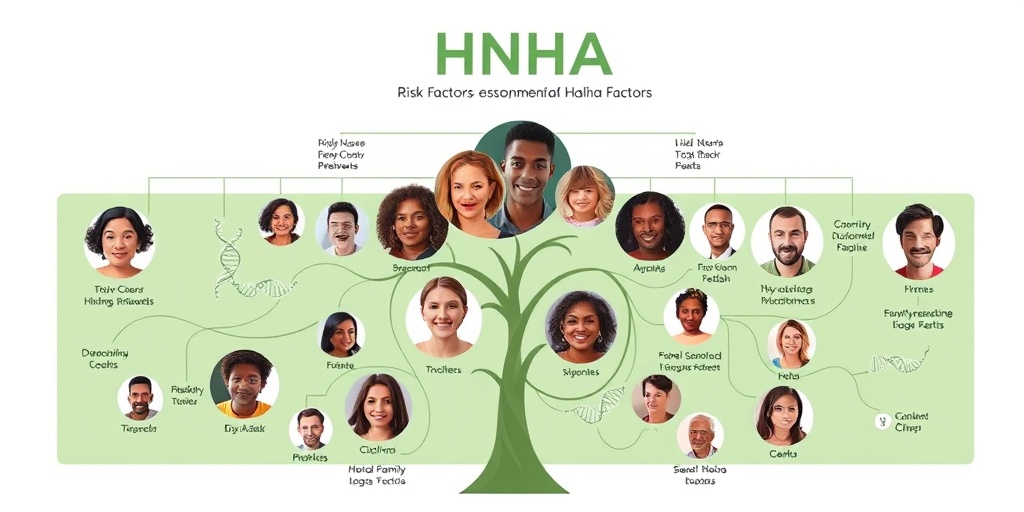
One of the most significant risk factors for HNHA is a family history of the condition. If a parent or sibling has been diagnosed with HNHA or related blood disorders, there is a higher chance that other family members may also be affected. Genetic counseling can be beneficial for families with a history of HNHA to understand their risks and options. 🧬
Ethnicity
Certain ethnic groups are more prone to specific enzyme deficiencies that cause HNHA. For example:
- African descent: Individuals of African descent are more likely to have G6PD deficiency.
- Middle Eastern and Mediterranean descent: These populations have a higher prevalence of pyruvate kinase deficiency.
Being aware of these ethnic predispositions can aid in early detection and management of HNHA.
Age and Gender
HNHA can affect individuals of any age, but symptoms often present in childhood or early adulthood. Additionally, certain enzyme deficiencies, such as G6PD deficiency, are more common in males due to their X-linked inheritance pattern. This means that males are more likely to exhibit symptoms, while females may be carriers without showing signs of the disorder.
Other Health Conditions
Individuals with other health conditions, such as liver disease or certain autoimmune disorders, may also be at an increased risk for developing HNHA. These conditions can further complicate the management of hemolytic anemia and require careful monitoring and treatment.
In summary, understanding the causes and risk factors of Hereditary Nonspherocytic Hemolytic Anemia (HNHA) is essential for effective management and treatment. By recognizing genetic predispositions and environmental triggers, individuals can take proactive steps to maintain their health and well-being. 🌟
Diagnosing Hereditary Nonspherocytic Hemolytic Anemia (HNHA)
Diagnosing Hereditary Nonspherocytic Hemolytic Anemia (HNHA) can be a complex process, as it often requires a combination of clinical evaluation, laboratory tests, and genetic analysis. Understanding the symptoms and the diagnostic methods is crucial for effective management of this condition.
Recognizing Symptoms
The first step in diagnosing HNHA is recognizing its symptoms. Patients may experience:
- Fatigue: Due to decreased red blood cell count.
- Pallor: A noticeable paleness of the skin.
- Jaundice: Yellowing of the skin and eyes, indicating elevated bilirubin levels.
- Dark Urine: Often a sign of hemolysis.
- Splenomegaly: Enlargement of the spleen, which can occur due to increased destruction of red blood cells.
If you or someone you know is experiencing these symptoms, it’s essential to consult a healthcare provider for further evaluation. 🩺
Laboratory Tests
Once symptoms are noted, healthcare providers typically order a series of laboratory tests to confirm a diagnosis of HNHA. These tests may include:
- Complete Blood Count (CBC): This test measures various components of blood, including red blood cells, hemoglobin, and hematocrit levels.
- Reticulocyte Count: This test assesses the number of young red blood cells, which can indicate how well the bone marrow is responding to anemia.
- Peripheral Blood Smear: A microscopic examination of blood can reveal the shape and size of red blood cells, helping to identify abnormalities.
- Coombs Test: This test helps determine if the immune system is attacking red blood cells.
Genetic Testing
In many cases, genetic testing is necessary to confirm a diagnosis of HNHA. This testing can identify specific mutations associated with the condition, providing valuable information for treatment and management. Genetic counseling may also be recommended for affected individuals and their families to understand the inheritance patterns and implications of HNHA. 🧬
HNHA Treatment Options
Managing Hereditary Nonspherocytic Hemolytic Anemia (HNHA) involves a multifaceted approach tailored to the individual’s specific needs. Treatment options can vary based on the severity of the condition and the underlying cause of hemolysis.
Supportive Care
For many patients, supportive care is the first line of treatment. This may include:
- Blood Transfusions: These can help alleviate symptoms of anemia by increasing red blood cell counts.
- Folic Acid Supplements: Essential for red blood cell production, folic acid can help support those with increased red blood cell turnover.
- Iron Supplements: If iron deficiency is present, supplements may be necessary, but they should be used cautiously to avoid iron overload.
Medications
In some cases, medications may be prescribed to manage symptoms or complications associated with HNHA. These can include:
- Corticosteroids: These may help reduce hemolysis in certain types of HNHA.
- Immunosuppressants: For patients with autoimmune components, these medications can help control the immune response.
Advanced Treatment Options
For more severe cases of HNHA, advanced treatment options may be considered:
- Splenectomy: Surgical removal of the spleen may be recommended in some cases, as the spleen is responsible for filtering and destroying damaged red blood cells.
- Bone Marrow Transplant: This is a more aggressive treatment option that may be considered for patients with severe forms of HNHA, particularly in younger patients.
Each treatment plan should be personalized, taking into account the patient’s overall health, the severity of the anemia, and any other underlying conditions. Regular follow-ups with healthcare providers are essential to monitor the condition and adjust treatment as necessary. 💊

Living with Hereditary Nonspherocytic Hemolytic Anemia (HNHA)
Living with Hereditary Nonspherocytic Hemolytic Anemia (HNHA) can present unique challenges, but understanding the condition and its management can significantly improve quality of life. HNHA is a genetic disorder characterized by the premature destruction of red blood cells, leading to anemia. This condition can manifest in various ways, and each individual’s experience may differ.
Understanding the Symptoms
Individuals with HNHA may experience a range of symptoms, which can vary in severity. Common symptoms include:
- Fatigue: Due to reduced red blood cell count, many individuals feel tired or weak.
- Pallor: A noticeable paleness of the skin may occur.
- Jaundice: Yellowing of the skin and eyes can result from increased bilirubin levels.
- Dark Urine: Hemolysis can lead to darker urine due to the presence of hemoglobin.
- Enlarged Spleen: Some individuals may experience splenomegaly, which can cause discomfort.
Recognizing these symptoms is crucial for timely management and treatment. Regular check-ups with a healthcare provider can help monitor the condition and adjust treatment plans as necessary.
Managing HNHA
Effective management of HNHA often involves a combination of lifestyle adjustments and medical interventions. Here are some strategies that can help:
- Regular Monitoring: Frequent blood tests can help track hemoglobin levels and overall health.
- Healthy Diet: A balanced diet rich in iron, vitamins, and minerals can support red blood cell production. Foods like leafy greens, lean meats, and legumes are beneficial.
- Hydration: Staying well-hydrated is essential, as dehydration can exacerbate symptoms.
- Avoiding Triggers: Identifying and avoiding factors that can trigger hemolysis, such as certain medications or infections, is vital.
- Support Groups: Connecting with others who have HNHA can provide emotional support and practical advice.
In some cases, medical treatments such as corticosteroids or blood transfusions may be necessary. It’s essential to work closely with a healthcare provider to determine the best course of action.
HNHA Outlook and Prognosis
The outlook for individuals with Hereditary Nonspherocytic Hemolytic Anemia (HNHA) varies based on several factors, including the severity of the condition and the effectiveness of management strategies. While HNHA is a lifelong condition, many individuals lead fulfilling lives with appropriate care.
Factors Influencing Prognosis
Several factors can influence the prognosis for those living with HNHA:
- Severity of Anemia: Individuals with mild anemia may experience fewer complications compared to those with severe forms.
- Response to Treatment: How well a person responds to treatment can significantly impact their quality of life.
- Comorbid Conditions: The presence of other health issues can complicate management and affect overall health.
Long-Term Management
Long-term management of HNHA is crucial for maintaining health and preventing complications. Regular follow-ups with healthcare providers can help monitor the condition and adjust treatment plans as needed. Additionally, staying informed about the latest research and treatment options can empower individuals to make informed decisions about their health.
Many individuals with HNHA find that with proper management, they can lead active and productive lives. Engaging in regular physical activity, maintaining a healthy diet, and managing stress are all essential components of living well with HNHA. 🌟
Emotional and Psychological Support
Living with a chronic condition like HNHA can take an emotional toll. It’s important to prioritize mental health by seeking support from friends, family, or mental health professionals. Joining support groups can also provide a sense of community and understanding, helping individuals cope with the challenges of living with HNHA.
In conclusion, while Hereditary Nonspherocytic Hemolytic Anemia (HNHA) presents challenges, understanding the condition and implementing effective management strategies can lead to a positive outlook and improved quality of life. 🌈

Frequently Asked Questions about Hereditary Nonspherocytic Hemolytic Anemia (HNHA)
What is Hereditary Nonspherocytic Hemolytic Anemia (HNHA)?
Hereditary Nonspherocytic Hemolytic Anemia (HNHA) is a genetic blood disorder characterized by the premature destruction of red blood cells. This condition can lead to various symptoms, including fatigue, jaundice, and an increased risk of infections.
What causes HNHA?
HNHA is primarily caused by inherited genetic mutations that affect the enzymes responsible for maintaining red blood cell integrity. These mutations can lead to a deficiency in certain enzymes, resulting in hemolysis (the breakdown of red blood cells).
What are the symptoms of HNHA?
- Fatigue: Due to reduced red blood cell count.
- Jaundice: Yellowing of the skin and eyes caused by increased bilirubin levels.
- Dark urine: A sign of hemolysis.
- Enlarged spleen: Often occurs as the body tries to filter out damaged red blood cells.
How is HNHA diagnosed?
Diagnosis typically involves a combination of blood tests, including a complete blood count (CBC), reticulocyte count, and specific enzyme assays to identify deficiencies. Genetic testing may also be performed to confirm the diagnosis.
What treatments are available for HNHA?
Treatment options for Hereditary Nonspherocytic Hemolytic Anemia (HNHA) may include:
- Folic acid supplements: To support red blood cell production.
- Blood transfusions: To manage severe anemia.
- Splenectomy: Surgical removal of the spleen in certain cases to reduce hemolysis.
Can HNHA be prevented?
As HNHA is a genetic condition, it cannot be prevented. However, early diagnosis and management can help mitigate symptoms and improve quality of life.
Is HNHA hereditary?
Yes, Hereditary Nonspherocytic Hemolytic Anemia (HNHA) is inherited in an autosomal recessive pattern, meaning that both parents must carry the gene mutation for a child to be affected.
What lifestyle changes can help manage HNHA?
Individuals with HNHA can benefit from:
- Regular check-ups: To monitor blood levels and overall health.
- A balanced diet: Rich in iron and vitamins to support red blood cell production.
- Avoiding triggers: Such as certain medications or infections that may exacerbate hemolysis.
Where can I find support for HNHA?
Support groups and organizations dedicated to blood disorders can provide valuable resources and community support for individuals and families affected by Hereditary Nonspherocytic Hemolytic Anemia (HNHA). Online forums and local health services can also be helpful.
Conclusion
Understanding Hereditary Nonspherocytic Hemolytic Anemia (HNHA) is crucial for effective management and support. If you have further questions or concerns, consult with a healthcare professional for personalized advice and treatment options. 😊