What Is Pica?
Pica is a fascinating yet concerning eating disorder characterized by the persistent consumption of non-nutritive substances. This condition can manifest in various forms, with individuals craving items such as dirt, clay, chalk, paper, or even more unusual objects like hair or metal. The term “pica” is derived from the Latin word for magpie, a bird known for its tendency to eat almost anything.
While pica can occur in individuals of any age, it is most commonly observed in children, pregnant women, and individuals with certain mental health disorders. The reasons behind pica can vary widely, ranging from nutritional deficiencies to psychological factors. For instance, some studies suggest that individuals with iron deficiency anemia may develop cravings for non-food items as a way to compensate for their lack of nutrients.
Types of Pica
Pica can be categorized into several types based on the substances consumed. Here are some common forms:
- Geophagia: The consumption of soil or clay.
- Pagophagia: The craving for ice or frozen substances.
- Amylophagia: The desire to eat starch, such as laundry starch or raw flour.
- Trichophagia: The compulsion to eat hair.
Understanding the specific type of pica is crucial for effective treatment and management. If you or someone you know is experiencing symptoms of pica, it’s essential to consult a healthcare professional for a proper diagnosis and guidance.
Pica Symptoms
The symptoms of pica can vary significantly depending on the individual and the substances they consume. However, some common signs include:
- Cravings for non-food items: A strong desire to eat substances that are not typically considered food.
- Gastrointestinal issues: Symptoms such as stomach pain, constipation, or diarrhea may arise from consuming non-nutritive items.
- Dental problems: Chewing on hard or abrasive materials can lead to tooth damage or decay.
- Weight loss or nutritional deficiencies: The consumption of non-food items can lead to inadequate nutrient intake, resulting in weight loss or deficiencies.
Psychological and Physical Effects
Pica can have both psychological and physical effects on individuals. Psychologically, it may be associated with conditions such as obsessive-compulsive disorder (OCD), autism spectrum disorders, or developmental delays. Physically, the ingestion of non-food items can lead to serious health complications, including:
- Intestinal blockages: Consuming large or indigestible items can cause blockages in the digestive tract.
- Infections: Eating contaminated substances can lead to infections or parasitic diseases.
- Poisoning: Some non-food items may contain toxic substances that can harm the body.
If you suspect that you or someone you know is struggling with pica, it’s crucial to seek help from a healthcare provider. They can provide a comprehensive evaluation and recommend appropriate treatment options.
Seeking Help
Addressing pica often requires a multidisciplinary approach, including nutritional counseling, psychological support, and medical intervention. Resources like Yesil Health AI (yesilhealth.com) can offer valuable insights and evidence-based answers to help you understand this disorder better.
In conclusion, pica is a complex disorder that can have significant implications for an individual’s health and well-being. By recognizing the symptoms and seeking appropriate help, individuals can work towards overcoming this challenging condition. If you have any questions or concerns about pica, don’t hesitate to reach out to a healthcare professional for guidance. 🌟
Pica Causes
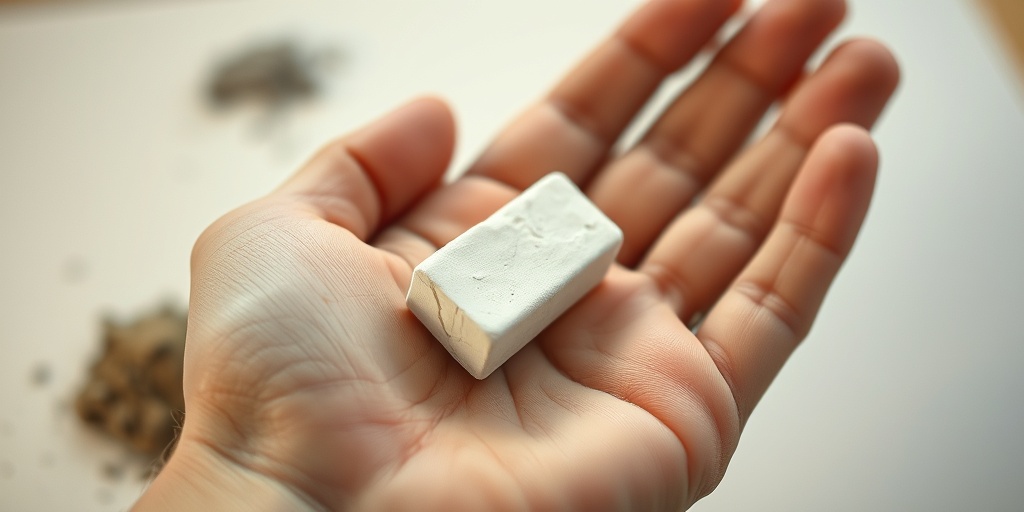
Pica is a complex disorder characterized by the persistent consumption of non-nutritive substances, such as dirt, clay, chalk, or even paper. Understanding the causes of pica is essential for effective diagnosis and treatment. While the exact reasons behind this behavior can vary widely among individuals, several factors have been identified that may contribute to the development of pica.
Psychological Factors
One of the primary causes of pica is psychological in nature. Individuals with certain mental health disorders, such as obsessive-compulsive disorder (OCD), autism spectrum disorder, or intellectual disabilities, may exhibit pica behaviors. These conditions can lead to compulsive eating of non-food items as a coping mechanism or a way to manage anxiety.
Nutritional Deficiencies
Another significant cause of pica is nutritional deficiency. Some studies suggest that individuals with low levels of essential nutrients, particularly iron and zinc, may develop cravings for non-food items. This phenomenon is often observed in pregnant women, who may experience pica as a response to their body’s increased nutritional needs.
Environmental Influences
Environmental factors can also play a role in the development of pica. For instance, children who grow up in settings where non-nutritive substances are readily available may be more likely to engage in pica behaviors. Additionally, cultural practices in certain communities may normalize the consumption of specific non-food items, further influencing individual behavior.
Medical Conditions
Several medical conditions have been linked to pica. For example, individuals with mental health disorders or those suffering from developmental delays may be more prone to this disorder. Furthermore, conditions such as lead poisoning can also lead to pica, as the body may crave non-food items in response to toxicity.
Pica Risk Factors
Understanding the risk factors for pica can help in identifying individuals who may be more susceptible to this disorder. While pica can affect anyone, certain groups are at a higher risk due to various factors.
Age and Developmental Stage
Pica is most commonly observed in young children, particularly those aged 1 to 6 years. During this developmental stage, children are naturally curious and may explore their environment by putting objects in their mouths. However, pica can also persist into adolescence and adulthood, especially in individuals with developmental disorders.
Gender
Research indicates that pica may be more prevalent in females than in males. This trend is particularly noticeable in pregnant women, who may experience cravings for non-food items due to hormonal changes and nutritional needs. The phenomenon of pica in pregnancy is often referred to as “pica syndrome,” highlighting the unique risk factors associated with this stage of life.
Socioeconomic Status
Socioeconomic factors can also influence the likelihood of developing pica. Individuals from lower socioeconomic backgrounds may have limited access to nutritious food, leading to nutritional deficiencies that can trigger pica behaviors. Additionally, environmental stressors associated with poverty may contribute to the psychological factors that underlie pica.
Family History
A family history of pica or related disorders can increase an individual’s risk. Genetic predispositions, combined with environmental influences, can create a higher likelihood of developing pica behaviors. If a family member has experienced pica, it may be beneficial to monitor for similar behaviors in other family members.
Other Mental Health Disorders
Individuals with existing mental health issues, such as schizophrenia or bipolar disorder, may also be at an increased risk for pica. The interplay between mental health and pica is complex, and addressing underlying psychological conditions is crucial for effective treatment.
In conclusion, pica is a multifaceted disorder with various causes and risk factors. By understanding these elements, caregivers and healthcare professionals can better support individuals affected by pica and work towards effective interventions. 🌱

Pica Diagnosis
Diagnosing pica can be a complex process, as it often involves a thorough evaluation of a person’s medical history, psychological state, and eating habits. Pica is characterized by the persistent craving and consumption of non-nutritive substances, such as dirt, clay, chalk, or even paper. Understanding how healthcare professionals diagnose this disorder is crucial for effective treatment.
Understanding the Symptoms
The first step in diagnosing pica disorder is recognizing its symptoms. Common signs include:
- Cravings for non-food items: Individuals may express a strong desire to eat substances that are not typically considered food.
- Consumption of these items: This can lead to various health issues, including gastrointestinal blockages or poisoning.
- Duration: Symptoms must persist for at least one month to meet the diagnostic criteria.
Medical Evaluation
A healthcare provider will typically conduct a comprehensive medical evaluation, which may include:
- Physical Examination: This helps to identify any physical health issues resulting from pica.
- Psychological Assessment: Mental health professionals may assess for underlying psychological conditions, such as obsessive-compulsive disorder (OCD) or autism spectrum disorders.
- Laboratory Tests: Blood tests may be conducted to check for nutritional deficiencies or other health concerns.
Criteria for Diagnosis
According to the Diagnostic and Statistical Manual of Mental Disorders (DSM-5), the following criteria must be met for a diagnosis of pica:
- The eating of non-nutritive, non-food substances must be inappropriate to the developmental level of the individual.
- The behavior must be persistent, lasting for at least one month.
- The behavior is not part of a culturally supported or socially normative practice.
- The behavior is not better explained by another mental disorder.
Once diagnosed, it is essential to address both the physical and psychological aspects of pica syndrome to ensure comprehensive care.
Pica Treatment Options
Treating pica requires a multifaceted approach tailored to the individual’s specific needs. Treatment may involve medical intervention, nutritional support, and psychological therapy. Here’s a closer look at the various options available:
Medical Interventions
In cases where pica has led to health complications, medical treatment may be necessary. This can include:
- Addressing Nutritional Deficiencies: If the individual is lacking essential nutrients, supplements may be prescribed to restore balance.
- Monitoring Health Risks: Regular check-ups may be required to monitor for any adverse effects caused by the consumption of non-food items.
Psychological Therapy
Since pica can often be linked to psychological issues, therapy plays a crucial role in treatment. Options include:
- Cognitive Behavioral Therapy (CBT): This approach helps individuals identify and change negative thought patterns and behaviors associated with pica.
- Behavioral Interventions: Techniques such as positive reinforcement can encourage healthier eating habits.
Nutritional Counseling
Working with a nutritionist can help individuals understand their dietary needs and develop a balanced eating plan. This can be particularly beneficial for those whose pica is driven by nutritional deficiencies. A nutritionist can:
- Educate on Healthy Choices: Providing information on nutritious foods that can satisfy cravings.
- Develop Meal Plans: Creating structured meal plans to ensure adequate nutrient intake.
Support Groups
Joining a support group can provide individuals with a sense of community and understanding. Sharing experiences with others facing similar challenges can be incredibly beneficial for emotional support and motivation. 🌟
In conclusion, diagnosing and treating pica involves a comprehensive approach that addresses both physical and psychological aspects. Early intervention and a tailored treatment plan can significantly improve outcomes for those affected by this disorder.

Pica Complications
Pica is a complex disorder characterized by the persistent consumption of non-nutritive substances, such as dirt, clay, chalk, or even paper. While it may seem harmless at first glance, pica can lead to serious health complications that require attention and management. Understanding these complications is crucial for anyone affected by this condition.
Physical Health Risks
One of the most significant concerns associated with pica is the potential for physical health complications. These can include:
- Gastrointestinal Blockages: Consuming non-food items can lead to blockages in the digestive tract, which may require surgical intervention.
- Nutritional Deficiencies: Individuals with pica may neglect their nutritional needs, leading to deficiencies in essential vitamins and minerals.
- Poisoning: Some substances ingested may be toxic, leading to poisoning or other serious health issues.
- Dental Problems: Chewing on hard or abrasive materials can damage teeth and gums.
Psychological Implications
Pica is often associated with underlying psychological issues, which can complicate the disorder further. Individuals may experience:
- Increased Anxiety and Stress: The compulsive nature of pica can lead to heightened anxiety levels, especially if the individual feels ashamed or embarrassed about their behavior.
- Social Isolation: Those with pica may withdraw from social situations due to fear of judgment or misunderstanding from others.
- Co-occurring Disorders: Pica is often linked with other mental health disorders, such as obsessive-compulsive disorder (OCD) or autism spectrum disorders.
Long-term Consequences
If left untreated, pica can lead to long-term health issues, including chronic gastrointestinal problems, persistent nutritional deficiencies, and ongoing psychological distress. It is essential for individuals exhibiting symptoms of pica to seek professional help to mitigate these risks.
Pica Management Strategies
Managing pica effectively requires a comprehensive approach that addresses both the physical and psychological aspects of the disorder. Here are some strategies for managing pica:
Medical Intervention
Consulting with healthcare professionals is crucial for anyone dealing with pica. Medical intervention may include:
- Physical Examination: A thorough evaluation to assess any physical health complications resulting from pica.
- Nutritional Counseling: Working with a dietitian to ensure adequate nutrient intake and address any deficiencies.
- Medication: In some cases, medications may be prescribed to help manage underlying psychological conditions.
Behavioral Therapy
Behavioral therapy can be an effective way to address the compulsive behaviors associated with pica. Techniques may include:
- Cognitive Behavioral Therapy (CBT): This approach helps individuals identify and change negative thought patterns and behaviors.
- Exposure Therapy: Gradually exposing individuals to their triggers in a controlled environment can help reduce the urge to engage in pica behaviors.
Support Systems
Building a strong support system is vital for individuals with pica. This can include:
- Family Support: Encouraging open communication within the family can help individuals feel less isolated.
- Support Groups: Joining a support group can provide a sense of community and understanding among those facing similar challenges.
Creating a Safe Environment
To minimize the risk of engaging in pica behaviors, it’s essential to create a safe environment. This can involve:
- Removing Temptations: Keeping non-food items out of reach can help reduce the urge to consume them.
- Providing Alternatives: Offering safe, edible alternatives can satisfy the urge to chew or consume something.
In conclusion, understanding the complications of pica and implementing effective management strategies can significantly improve the quality of life for those affected by this disorder. If you or someone you know is struggling with pica, seeking professional help is the first step towards recovery. 🌟

Frequently Asked Questions about Pica
What is Pica?
Pica is a psychological disorder characterized by the persistent consumption of non-nutritive substances. Individuals with this condition may eat items such as dirt, clay, chalk, or even paper. This behavior can lead to serious health issues, including nutritional deficiencies and gastrointestinal problems.
What causes Pica disorder?
The exact cause of Pica disorder is not fully understood, but it may be linked to various factors, including:
- Nutritional deficiencies (e.g., iron or zinc)
- Psychological conditions (e.g., autism, developmental disorders)
- Stress or trauma
Who is most likely to develop Pica?
Pica can affect individuals of all ages, but it is most commonly observed in young children, pregnant women, and individuals with developmental disabilities. It is important to monitor behaviors in these groups to ensure their safety and well-being.
How is Pica diagnosed?
A diagnosis of Pica typically involves a thorough evaluation by a healthcare professional. This may include:
- A detailed medical history
- Physical examinations
- Psychological assessments
It is crucial to rule out other medical conditions that may cause similar symptoms.
What are the treatment options for Pica?
Treatment for Pica syndrome often involves a combination of behavioral therapy, nutritional counseling, and addressing any underlying psychological issues. In some cases, medication may be prescribed to help manage symptoms.
Can Pica be prevented?
While there is no guaranteed way to prevent Pica, early intervention and addressing nutritional deficiencies can help reduce the risk. Educating caregivers and individuals about the condition is also essential.
Is Pica related to any other conditions?
Yes, Pica can sometimes be associated with other mental health disorders, such as obsessive-compulsive disorder (OCD) or autism spectrum disorders. Understanding these connections can aid in effective treatment.
Where can I find more information about Pica?
For more information on Pica, consider consulting healthcare professionals or reputable health websites. Support groups and forums can also provide valuable insights and shared experiences from others dealing with this condition.