
What Are Triplets?
Triplets are a fascinating phenomenon in the world of multiple births, where a woman gives birth to three babies at the same time. This occurrence can happen in several ways, including:
- Identical Triplets: These triplets come from a single fertilized egg that splits into three embryos. They share the same genetic material and are often of the same sex.
- Fraternal Triplets: This type occurs when multiple eggs are fertilized by different sperm cells. Fraternal triplets can be of the same sex or different sexes, as they do not share identical genetic material.
- Mixed Triplets: A combination of identical and fraternal triplets, where one or more of the triplets are identical while others are fraternal.
The occurrence of triplets is relatively rare, with the likelihood increasing due to factors such as maternal age, fertility treatments, and genetic predisposition. In recent years, advancements in reproductive technology have led to a rise in multiple births, including triplets. This has sparked interest in understanding the implications of carrying and raising multiple children simultaneously.
The Joys and Challenges of Triplets
Having triplets can be a joyous experience, filled with love and laughter. However, it also comes with unique challenges. Parents of triplets often find themselves navigating:
- Increased Financial Burden: Raising three children at once can be financially demanding, from diapers to childcare and education.
- Time Management: Juggling the needs of three infants can be overwhelming, requiring exceptional organizational skills.
- Emotional Strain: The emotional rollercoaster of caring for multiple newborns can lead to stress and fatigue.
Despite these challenges, many parents report that the experience of raising triplets is incredibly rewarding. The bond that forms among siblings can be profound, and the shared experiences create a unique family dynamic.
Triplet Pregnancy Risks
While the prospect of having triplets can be exciting, it is essential to understand the potential risks associated with triplet pregnancies. These pregnancies are classified as high-risk due to various factors that can affect both the mother and the babies.
Health Risks for the Mother
Carrying triplets can place significant strain on a woman’s body. Some of the common health risks include:
- Gestational Diabetes: The likelihood of developing gestational diabetes increases with multiple pregnancies, which can affect both the mother and the babies.
- Preeclampsia: This condition, characterized by high blood pressure and potential organ damage, is more common in women carrying multiples.
- Preterm Labor: Triplet pregnancies often lead to preterm labor, which can result in premature birth and associated complications for the infants.
Health Risks for the Babies
Triplets are at a higher risk for various health issues, including:
- Low Birth Weight: Babies born from triplet pregnancies often weigh less than those born from singleton pregnancies, which can lead to health complications.
- Respiratory Issues: Premature infants may face challenges with lung development, leading to respiratory distress syndrome.
- Developmental Delays: Triplets may experience delays in reaching developmental milestones compared to singletons.
Given these risks, it is crucial for expectant mothers of triplets to receive comprehensive prenatal care. Regular check-ups and monitoring can help manage potential complications and ensure the best possible outcomes for both mother and babies.
Support and Resources
For those navigating the journey of triplet pregnancy, support is vital. Connecting with other parents of multiples can provide valuable insights and emotional support. Additionally, resources like Yesil Health AI (yesilhealth.com) offer evidence-based health answers and guidance tailored to the unique challenges of multiple pregnancies.
In conclusion, while triplets bring a unique set of joys and challenges, understanding the implications of triplet pregnancies can help parents prepare for the journey ahead. With the right support and care, families can thrive in this extraordinary experience. 🌟
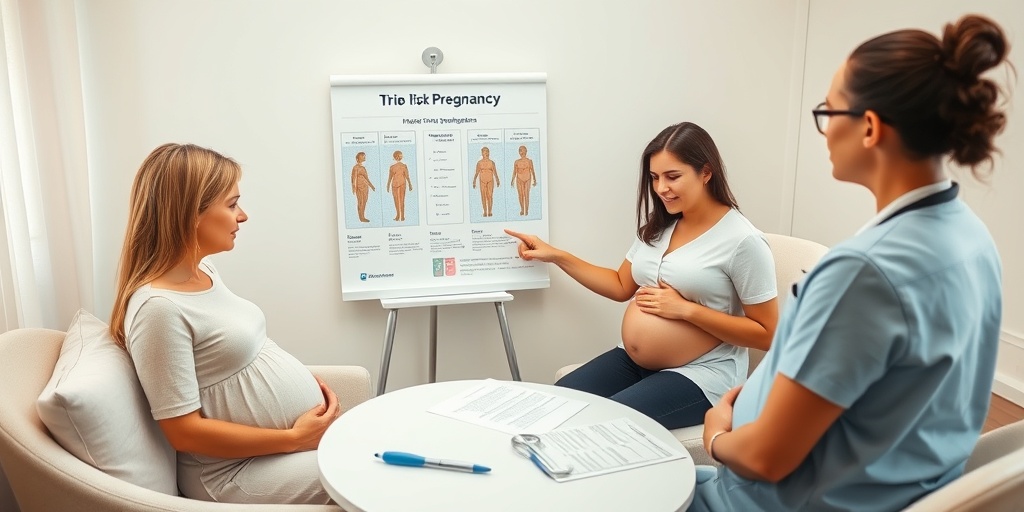
Triplet Symptoms to Watch
Expecting triplets is an exciting yet challenging journey. As a parent-to-be, it’s essential to be aware of the unique symptoms that can arise during a triplet pregnancy. Understanding these symptoms can help you manage your health and prepare for the arrival of your little ones.
Common Symptoms of Triplet Pregnancy
When carrying triplets, you may experience a range of symptoms that are more pronounced than in a singleton or twin pregnancy. Here are some common symptoms to watch for:
- Increased Fatigue: With three babies developing, your body works overtime, leading to heightened fatigue. It’s crucial to listen to your body and rest when needed.
- Morning Sickness: Nausea and vomiting can be more severe in triplet pregnancies. If you find it difficult to keep food down, consult your healthcare provider for advice.
- Weight Gain: Expect to gain more weight than in a typical pregnancy. The average weight gain for triplet pregnancies can range from 50 to 70 pounds, depending on various factors.
- Abdominal Discomfort: As your belly expands to accommodate three babies, you may experience stretching and discomfort. This is normal, but severe pain should be evaluated by a doctor.
- Shortness of Breath: With the growing size of your uterus, you may feel breathless, especially in the later stages of pregnancy. Take breaks and avoid strenuous activities.
Signs of Complications
While many symptoms are typical, it’s essential to be vigilant for signs of complications. If you experience any of the following, seek medical attention immediately:
- Severe Abdominal Pain: While some discomfort is normal, intense pain could indicate a problem.
- Heavy Bleeding: Spotting can occur, but heavy bleeding is a cause for concern.
- Severe Headaches: Persistent headaches that don’t respond to usual remedies should be evaluated.
- Swelling: Sudden swelling in your hands, feet, or face could indicate preeclampsia.
Being aware of these symptoms can help you navigate your triplet pregnancy more effectively. Always maintain open communication with your healthcare provider to ensure the best outcomes for you and your babies. 🤰👶👶👶
Triplet Prenatal Care
Proper prenatal care is crucial for a healthy triplet pregnancy. With the added complexities of carrying multiple babies, regular check-ups and specialized care become even more important. Here’s what you need to know about triplet prenatal care.
Regular Check-Ups
Expect to have more frequent prenatal visits than you would in a singleton pregnancy. Typically, you may see your healthcare provider every two weeks during the second trimester and weekly during the third trimester. These visits will include:
- Ultrasounds: Regular ultrasounds will monitor the growth and development of each baby, ensuring they are thriving.
- Blood Tests: Routine blood tests will check for anemia, gestational diabetes, and other conditions that can arise during pregnancy.
- Monitoring for Preterm Labor: Triplet pregnancies are at a higher risk for preterm labor, so your doctor will keep a close eye on any signs.
Nutrition and Diet
Nutrition plays a vital role in a healthy triplet pregnancy. Here are some dietary tips to consider:
- Increased Caloric Intake: You will need more calories to support the growth of three babies. Aim for a balanced diet rich in fruits, vegetables, whole grains, and lean proteins.
- Hydration: Staying hydrated is essential. Drink plenty of water throughout the day to support your body’s increased demands.
- Supplements: Your doctor may recommend prenatal vitamins, particularly those high in folic acid and iron, to support your health and the babies’ development.
Emotional Support
Carrying triplets can be emotionally taxing. It’s essential to seek support from family, friends, or support groups. Consider the following:
- Join Support Groups: Connecting with other parents of multiples can provide valuable insights and emotional support.
- Talk to a Counselor: If you feel overwhelmed, speaking with a mental health professional can help you navigate your feelings.
By prioritizing your prenatal care, you can help ensure a healthier pregnancy for both you and your triplets. Remember, every pregnancy is unique, so always consult with your healthcare provider for personalized advice. 🌟👶👶👶

Triplet Delivery Options
Welcoming triplets into the world is a remarkable journey filled with excitement and challenges. When it comes to triplet delivery, expectant parents have several options to consider. Understanding these options can help you make informed decisions that prioritize the health and well-being of both the mother and the babies.
Types of Delivery Methods
There are primarily two types of delivery methods for triplets: vaginal delivery and cesarean section (C-section). Each method has its own set of advantages and considerations.
- Vaginal Delivery: In some cases, vaginal delivery may be possible for triplets, especially if the babies are positioned favorably. This method can lead to a quicker recovery for the mother and a more natural birthing experience. However, it requires careful monitoring by healthcare professionals.
- C-Section: Most triplet deliveries are performed via C-section due to the increased risks associated with multiple births. A C-section allows for better control over the delivery process and minimizes potential complications for both the mother and the babies.
Timing of Delivery
The timing of delivery is crucial when expecting triplets. Typically, triplets are delivered between 32 and 36 weeks of gestation. Delivering too early can lead to complications, while waiting too long can pose risks to the mother and babies. Regular check-ups with a healthcare provider will help determine the best timing for delivery.
Choosing the Right Healthcare Team
Having a skilled and experienced healthcare team is vital for a successful triplet delivery. Look for a hospital that specializes in high-risk pregnancies and has a neonatal intensive care unit (NICU) on-site. This ensures that if any complications arise during delivery, immediate care is available for the babies.
Preparing for Delivery Day
Preparation is key when it comes to delivering triplets. Here are some tips to help you get ready:
- Pack Your Hospital Bag: Include essentials for both you and the babies, such as clothing, toiletries, and any necessary documents.
- Arrange for Support: Having family or friends available to help during and after delivery can ease the transition.
- Discuss Your Birth Plan: Communicate your preferences with your healthcare team, but remain flexible as circumstances may change.
Triplet Postpartum Care
The journey doesn’t end with delivery; postpartum care is equally important for both the mother and the triplets. Adjusting to life with three newborns can be overwhelming, but with the right support and strategies, it can also be incredibly rewarding.
Physical Recovery for the Mother
After delivering triplets, a mother’s body needs time to heal. Here are some key aspects of postpartum care:
- Rest and Recovery: Prioritize rest whenever possible. Sleep may be scarce, but short naps can help recharge your energy.
- Nutrition: Eating a balanced diet is crucial for recovery and breastfeeding. Focus on nutrient-rich foods to support your body.
- Follow-Up Appointments: Schedule regular check-ups with your healthcare provider to monitor your recovery and address any concerns.
Emotional Well-Being
Postpartum emotions can be intense, especially after a multiple birth. It’s essential to recognize the signs of postpartum depression and seek help if needed. Connecting with other parents of multiples can provide valuable support and understanding.
Caring for Triplets
Caring for three newborns requires organization and teamwork. Here are some tips to help manage the demands:
- Establish a Routine: Creating a daily schedule can help streamline feeding, diaper changes, and nap times.
- Involve Your Partner: Share responsibilities with your partner to ensure both of you are supported during this busy time.
- Seek Help: Don’t hesitate to ask for assistance from family and friends. Having extra hands can make a significant difference.
Support Resources
Many resources are available for parents of triplets, including local support groups, online forums, and educational materials. Connecting with others who understand the unique challenges of raising multiples can provide encouragement and practical advice.
In conclusion, navigating the journey of triplet delivery and postpartum care requires careful planning and support. By understanding your options and prioritizing both physical and emotional well-being, you can create a nurturing environment for your growing family. 🌟

Triplet Development Milestones
Welcoming triplets into the world is a unique and exhilarating experience. As parents, it’s essential to understand the development milestones that your little ones will reach as they grow. While each child develops at their own pace, there are general milestones that can help you track their progress.
Physical Development
Physical development in triplets can be fascinating to observe. Here are some key milestones to look out for:
- Infancy (0-12 months): During this stage, you can expect your triplets to start lifting their heads, rolling over, and eventually sitting up. By around 9 months, many babies begin to crawl.
- Early Toddlerhood (1-2 years): As they approach their first birthday, your triplets will likely start walking. By 18 months, they may be able to run, climb, and even kick a ball!
- Preschool Age (3-5 years): At this stage, you’ll notice significant improvements in coordination. Your triplets will be able to jump, throw, and catch with more precision.
Cognitive Development
Cognitive milestones are equally important. Here’s what to expect:
- Infancy: Triplets will begin to recognize familiar faces and respond to their names. They may also start to explore their surroundings by reaching for toys.
- Early Toddlerhood: Expect them to engage in simple problem-solving, such as figuring out how to stack blocks or fit shapes into a puzzle.
- Preschool Age: By this age, your triplets will likely be able to follow simple instructions, understand basic concepts like colors and numbers, and engage in imaginative play.
Social and Emotional Development
Social and emotional milestones are crucial for your triplets’ overall well-being:
- Infancy: Your babies will start to show preferences for certain caregivers and may smile or coo in response to social interactions.
- Early Toddlerhood: Expect to see them engage in parallel play, where they play alongside each other but not necessarily together.
- Preschool Age: By this stage, your triplets will begin to share, take turns, and express a wider range of emotions.
Remember, while these milestones provide a general guideline, every child is unique. Celebrate each achievement, no matter how small! 🎉
Triplet Parenting Tips
Parenting triplets can be both rewarding and challenging. Here are some practical tips to help you navigate this incredible journey:
Establish a Routine
Creating a consistent daily routine can help your triplets feel secure and make your life easier. Consider the following:
- Feeding Schedule: Try to feed your triplets at the same time to streamline mealtimes. This can also help with sleep schedules.
- Nap Times: Coordinating nap times can provide you with some much-needed downtime. Aim for synchronized naps whenever possible.
- Bedtime Routine: Establish a calming bedtime routine that includes activities like reading or singing to help them wind down.
Encourage Individuality
While your triplets share a unique bond, it’s essential to nurture their individual personalities:
- One-on-One Time: Spend individual time with each child to foster their unique interests and talents.
- Personal Space: Create separate areas for each child to play and explore, allowing them to develop their own preferences.
Seek Support
Don’t hesitate to reach out for help. Parenting triplets can be overwhelming, and having a support system is crucial:
- Family and Friends: Enlist the help of family members or friends who can lend a hand with childcare or household tasks.
- Parenting Groups: Join local or online parenting groups specifically for parents of multiples. Sharing experiences can be incredibly beneficial.
Prioritize Self-Care
Amidst the chaos of raising triplets, it’s vital to take care of yourself:
- Rest: Whenever possible, take short breaks to recharge. Even a few minutes of quiet time can make a difference.
- Healthy Lifestyle: Maintain a balanced diet and engage in regular physical activity to keep your energy levels up.
Parenting triplets is a journey filled with love, laughter, and challenges. Embrace each moment, and remember that you’re not alone in this adventure! 💖

Frequently Asked Questions about Triplets
What are triplets?
Triplets refer to three offspring born at the same time from the same pregnancy. They can be identical, fraternal, or a combination of both. Identical triplets come from a single fertilized egg that splits into three, while fraternal triplets arise from three separate eggs fertilized by three different sperm cells.
What does it mean to have triplets?
Having triplets means that a mother is carrying three babies simultaneously. This situation can lead to unique challenges and experiences during pregnancy, delivery, and parenting.
What are the risks associated with triplet pregnancies?
Pregnancies involving triplets often come with increased risks, including:
- Higher likelihood of preterm birth
- Gestational diabetes
- Preeclampsia
- Low birth weight for the babies
It’s essential for expectant mothers of triplets to receive regular prenatal care to monitor their health and the health of the babies.
How common are triplets?
While triplets are relatively rare, their occurrence has increased in recent years, largely due to advancements in fertility treatments and older maternal age. The chances of having triplets are approximately 1 in 8,000 pregnancies.
What are some famous representations of triplets in media?
Triplets have been featured in various forms of media, including:
- Triplets of Belleville – An animated film that showcases the adventures of a grandmother and her triplet grandsons.
- Triplets of Hamburg – A documentary that explores the lives of triplets and their unique experiences.
- Music featuring themes of triplets that celebrate the bond between siblings.
What should parents know about raising triplets?
Raising triplets can be both rewarding and challenging. Here are some tips for parents:
- Establish a routine to manage daily tasks effectively.
- Seek help from family and friends to share the responsibilities.
- Invest in quality baby gear that accommodates multiple children.
- Prioritize self-care to maintain physical and mental well-being.
Are there any support groups for parents of triplets?
Yes! There are numerous support groups and online communities for parents of triplets. These groups provide a platform for sharing experiences, advice, and emotional support. Connecting with other parents can be invaluable in navigating the unique challenges of raising multiple children.
What is the best way to prepare for a triplet pregnancy?
Preparation for a triplet pregnancy involves:
- Consulting with healthcare professionals for tailored advice.
- Creating a financial plan to accommodate the needs of three children.
- Setting up a nursery that can efficiently cater to multiple infants.
- Educating yourself about the challenges and joys of raising triplets.
Whether you’re expecting triplets or simply curious about them, understanding the dynamics of having three children can help you appreciate the unique journey that comes with it! 🎉