What Is Absence Seizure?
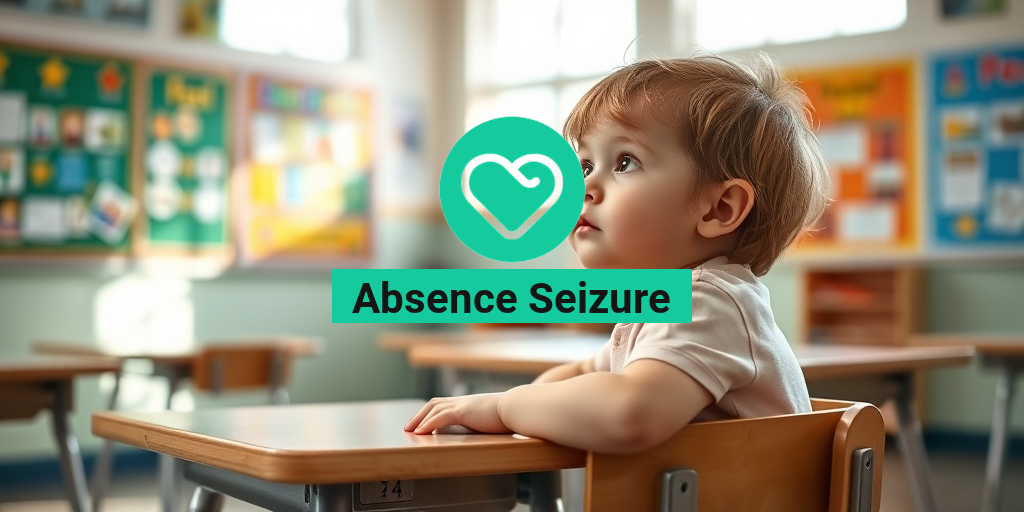
Absence seizures, also known as petit mal seizures, are a type of seizure that primarily affects children but can also occur in adults. These seizures are characterized by brief lapses in consciousness, during which the individual may appear to be staring blankly into space. Unlike other types of seizures, absence seizures typically do not involve convulsions or muscle spasms, making them less noticeable to others.
During an absence seizure, the person may suddenly stop what they are doing, lose awareness of their surroundings, and then resume activity as if nothing happened. These episodes usually last only a few seconds, but they can occur multiple times a day, leading to significant disruptions in daily life, especially for children in school.
How Do Absence Seizures Occur?
Absence seizures are caused by abnormal electrical activity in the brain. This disruption can be triggered by various factors, including:
- Genetics: Some individuals may have a genetic predisposition to develop absence seizures.
- Environmental Factors: Stress, fatigue, and certain flashing lights can trigger seizures in susceptible individuals.
- Brain Development: In children, the brain is still developing, which can make them more prone to seizures.
Understanding the underlying causes of absence seizures is crucial for effective management and treatment. If you suspect that you or someone you know is experiencing these seizures, it is essential to consult a healthcare professional for a proper diagnosis and treatment plan.
Absence Seizure Symptoms
Recognizing the symptoms of absence seizures is vital for timely intervention and management. The most common symptoms include:
1. Brief Loss of Consciousness
During an absence seizure, the individual may suddenly stop what they are doing and appear to be staring blankly. This loss of awareness can last from a few seconds to half a minute.
2. Unresponsiveness
People experiencing an absence seizure do not respond to external stimuli. They may not hear or see anything happening around them during the episode.
3. Subtle Movements
Some individuals may exhibit subtle movements, such as blinking, lip-smacking, or small hand movements, during the seizure. These movements can be mistaken for daydreaming or inattentiveness.
4. Rapid Recovery
After the seizure, the person typically resumes their activity without any confusion or fatigue. This quick recovery can make absence seizures challenging to identify, especially in children.
5. Frequency of Seizures
Absence seizures can occur multiple times a day, which can significantly impact a child’s learning and social interactions. Parents and teachers should be vigilant in observing any unusual behavior in children.
When to Seek Medical Attention
If you notice signs of absence seizures in yourself or someone else, it is crucial to seek medical advice. A healthcare professional can conduct an EEG (electroencephalogram) to monitor brain activity and confirm the diagnosis. Early intervention can lead to better management and treatment outcomes.
For more information on absence seizures and their management, consider visiting Yesil Health AI, a valuable resource for evidence-based health answers.
In conclusion, absence seizures are a unique type of seizure that can significantly affect daily life, particularly in children. By understanding the symptoms and seeking appropriate medical advice, individuals can manage this condition effectively and lead fulfilling lives. If you have any concerns or questions, don’t hesitate to reach out to a healthcare professional. 🌟
Types of Absence Seizures
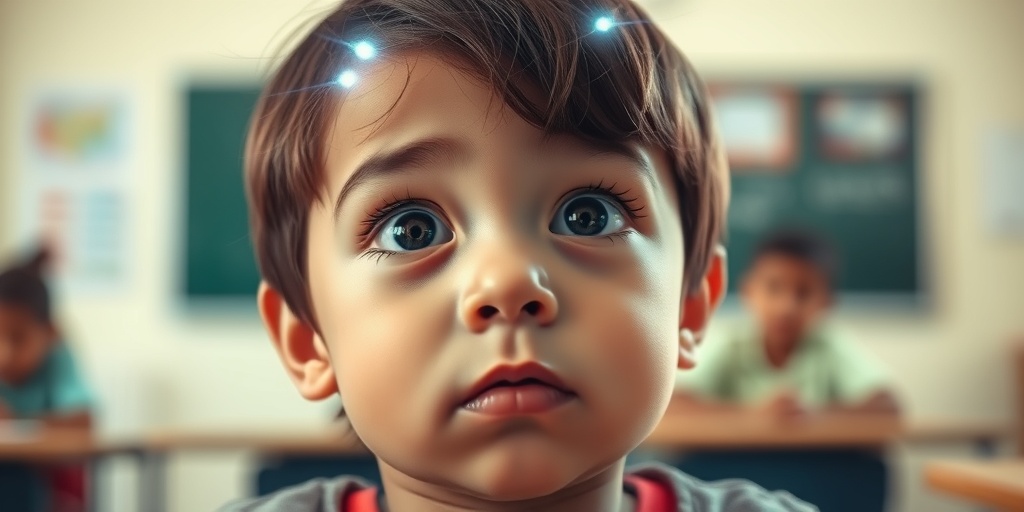
Absence seizures, often characterized by brief lapses in consciousness, can manifest in various forms. Understanding the different types can help in identifying and managing this condition effectively. Here are the primary types of absence seizures:
1. Typical Absence Seizures
Typical absence seizures are the most common form, primarily affecting children. During these seizures, the individual may suddenly stop what they are doing and stare blankly for a few seconds. This can happen multiple times a day, often going unnoticed by others. Symptoms include:
- Staring spells that last for a few seconds
- Unresponsiveness during the episode
- Rapid recovery with no confusion afterward
2. Atypical Absence Seizures
Atypical absence seizures are similar to typical ones but tend to last longer and may include additional symptoms. These seizures can occur in individuals with other types of epilepsy and may present with:
- Longer duration (up to 30 seconds)
- More noticeable changes in behavior
- Postictal confusion or fatigue
3. Myoclonic Absence Seizures
Myoclonic absence seizures combine features of both absence seizures and myoclonic seizures. They involve brief, shock-like jerks of muscles along with the typical absence seizure symptoms. This type can be particularly challenging to diagnose due to its mixed characteristics.
4. Absence Seizures in Adults
While absence seizures are more commonly diagnosed in children, they can also occur in adults. In adults, these seizures may be less frequent and can sometimes be mistaken for daydreaming or distraction. Recognizing the signs is crucial for proper treatment.
Causes of Absence Seizures
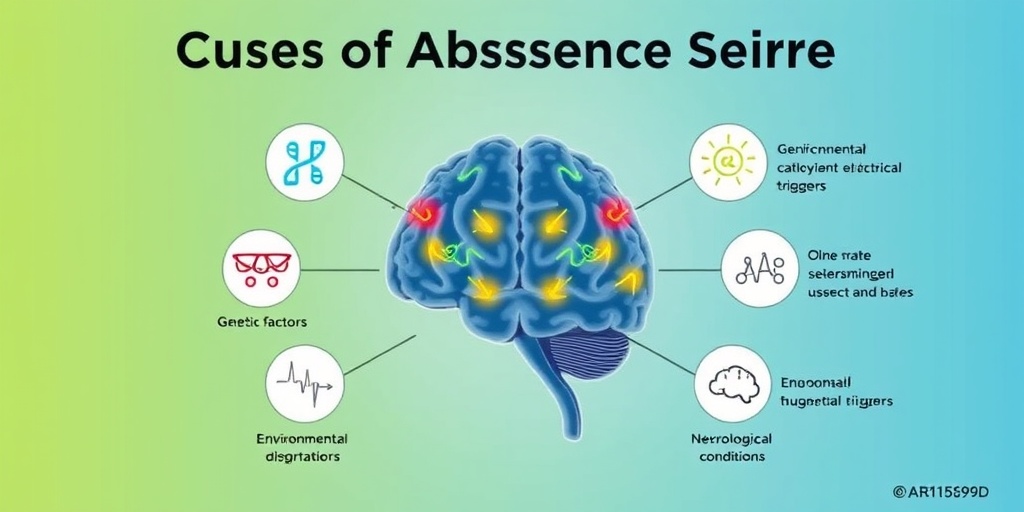
Understanding the causes of absence seizures is essential for effective management and treatment. While the exact cause can vary from person to person, several factors are commonly associated with the onset of these seizures:
1. Genetic Factors
Genetics play a significant role in absence seizures. Certain genetic mutations can predispose individuals to epilepsy, including absence seizures. If there is a family history of epilepsy, the likelihood of developing absence seizures may increase.
2. Brain Development Issues
In some cases, absence seizures may be linked to developmental issues in the brain. Conditions such as neurodevelopmental disorders can contribute to the occurrence of these seizures, particularly in children.
3. Environmental Triggers
Environmental factors can also trigger absence seizures. These may include:
- Stress or emotional upheaval
- Lack of sleep or fatigue
- Flashing lights or other visual stimuli
4. Other Medical Conditions
Absence seizures can sometimes be associated with other medical conditions, such as:
- Attention Deficit Hyperactivity Disorder (ADHD)
- Autism Spectrum Disorders
- Learning disabilities
Recognizing the underlying causes of absence seizures is crucial for developing an effective treatment plan. If you or someone you know is experiencing symptoms of absence seizures, it is essential to consult a healthcare professional for a thorough evaluation and appropriate management.
Risk Factors for Absence Seizures
Absence seizures, often characterized by brief lapses in consciousness, can affect individuals of all ages, but they are most commonly observed in children. Understanding the risk factors associated with absence seizures is crucial for early identification and management. Here are some key factors to consider:
Age
Absence seizures typically begin in childhood, often between the ages of 4 and 14. While they can occur in adults, the onset in children is more prevalent. Parents should be vigilant for signs of absence seizures in their children, especially during the early school years.
Family History
A family history of epilepsy or seizure disorders can increase the likelihood of developing absence seizures. If a parent or sibling has experienced seizures, it may indicate a genetic predisposition to similar conditions.
Underlying Neurological Conditions
Individuals with certain neurological conditions, such as autism spectrum disorder or attention deficit hyperactivity disorder (ADHD), may be at a higher risk for absence seizures. These conditions can affect brain function and increase susceptibility to seizure activity.
Environmental Triggers
Some individuals may experience absence seizures triggered by specific environmental factors. These can include:
- Flashing lights or visual stimuli
- Stress or emotional upheaval
- Lack of sleep or fatigue
Being aware of these triggers can help in managing and potentially reducing the frequency of seizures.
Gender
Research indicates that absence seizures are more common in females than in males. This gender difference may be linked to hormonal factors that influence seizure activity.
Other Medical Conditions
Conditions such as hypoglycemia (low blood sugar) or hypocalcemia (low calcium levels) can also contribute to the risk of absence seizures. Maintaining overall health and managing these conditions is essential for reducing seizure risk.
Diagnosis of Absence Seizures
Diagnosing absence seizures can be challenging due to their brief and often subtle nature. However, a comprehensive approach can lead to accurate identification and effective management. Here’s how healthcare professionals typically diagnose absence seizures:
Medical History Review
The first step in diagnosing absence seizures involves a thorough review of the patient’s medical history. This includes:
- Family history of seizures or epilepsy
- Details of seizure episodes, including duration and frequency
- Any associated symptoms, such as confusion or unusual behavior
Gathering this information helps healthcare providers understand the context of the seizures.
Neurological Examination
A neurological examination is essential to assess the patient’s overall brain function. This may include tests of reflexes, coordination, and cognitive abilities. The examination helps rule out other neurological disorders that may mimic absence seizures.
Electroencephalogram (EEG)
An EEG is a critical tool in diagnosing absence seizures. This test measures electrical activity in the brain and can reveal characteristic patterns associated with absence seizures, such as 3 Hz spike-and-wave discharges. An EEG may be performed during a seizure episode or while the patient is at rest to capture these patterns.
Video Monitoring
In some cases, healthcare providers may recommend video monitoring in a controlled setting. This allows for simultaneous observation of the patient’s behavior and EEG readings, providing a clearer picture of seizure activity.
Additional Tests
Depending on the individual case, additional tests may be necessary to rule out other conditions. These can include:
- Blood tests to check for metabolic issues
- Imaging studies, such as MRI or CT scans, to assess brain structure
These tests help ensure that the diagnosis of absence seizures is accurate and that appropriate treatment can be initiated.
Understanding the risk factors and the diagnostic process for absence seizures is vital for effective management and support. If you suspect that you or someone you know may be experiencing absence seizures, it’s important to consult a healthcare professional for a thorough evaluation. 🧠✨

Treatment Options for Absence Seizures
Absence seizures, often characterized by brief lapses in consciousness, can be challenging for both those who experience them and their loved ones. Fortunately, there are several effective treatment options available to help manage these seizures. Understanding these options is crucial for anyone affected by absence seizures, whether in children, adults, or even toddlers.
Medications
The primary treatment for absence seizures typically involves medication. Here are some commonly prescribed options:
- Ethosuximide: This is often the first-line treatment specifically for absence seizures. It works by reducing the frequency of seizures and is generally well-tolerated.
- Valproic Acid: This medication is effective for various types of seizures, including absence seizures. However, it may not be suitable for everyone, particularly women of childbearing age due to potential risks during pregnancy.
- Lamotrigine: This is another option that can be effective for absence seizures, especially in adults. It may also help with mood stabilization.
It’s essential to consult with a healthcare provider to determine the most appropriate medication based on individual health needs and potential side effects. Regular follow-ups are crucial to monitor the effectiveness of the treatment and make necessary adjustments.
Dietary Approaches
Some individuals have found success in managing their absence seizures through dietary changes. The ketogenic diet, which is high in fats and low in carbohydrates, has shown promise in reducing seizure frequency for some patients. This diet alters the way the body produces energy, potentially leading to fewer seizures.
Behavioral and Lifestyle Modifications
In addition to medication and dietary changes, certain lifestyle modifications can help manage absence seizures:
- Stress Management: High stress levels can trigger seizures. Techniques such as yoga, meditation, and deep-breathing exercises can be beneficial.
- Regular Sleep Patterns: Ensuring adequate and consistent sleep is vital, as fatigue can exacerbate seizure activity.
- Avoiding Triggers: Identifying and avoiding specific triggers, such as flashing lights or certain visual patterns, can help reduce the frequency of seizures.
Alternative Therapies
Some individuals explore alternative therapies, such as acupuncture or herbal supplements, to complement their treatment plan. While these approaches may provide additional support, it’s essential to discuss them with a healthcare provider to ensure they are safe and appropriate.
Living with Absence Seizures
Living with absence seizures can be a unique challenge, especially for children and their families. Understanding the condition and its implications is key to managing daily life effectively.
Understanding the Condition
Absence seizures can last only a few seconds, but they can occur multiple times a day. This can lead to difficulties in school or work, as the individual may appear to be daydreaming or zoning out. It’s important for those around them to understand that these episodes are not intentional and require compassion and support.
Support Systems
Building a strong support system is crucial for individuals living with absence seizures. Here are some ways to foster a supportive environment:
- Educate Family and Friends: Informing loved ones about absence seizures can help them understand what to expect and how to respond during an episode.
- School Support: For children, working with teachers and school staff to create an accommodating environment can help minimize disruptions and ensure academic success.
- Support Groups: Connecting with others who experience similar challenges can provide emotional support and practical advice.
Monitoring and Record-Keeping
Keeping a detailed record of seizure activity can be beneficial for both the individual and their healthcare provider. This can include:
- Frequency and duration of seizures
- Potential triggers or warning signs
- Medication effectiveness and side effects
Such records can help in adjusting treatment plans and improving overall management of the condition.
Emotional Well-being
Living with absence seizures can sometimes lead to feelings of anxiety or frustration. It’s important to prioritize emotional well-being by:
- Seeking Professional Help: Therapy or counseling can provide coping strategies and emotional support.
- Engaging in Hobbies: Pursuing interests and hobbies can help distract from the challenges of living with seizures and promote a positive outlook.
By understanding treatment options and implementing supportive strategies, individuals living with absence seizures can lead fulfilling lives while managing their condition effectively. 🌟

Frequently Asked Questions about Absence Seizures
What are absence seizures?
Absence seizures are a type of seizure characterized by brief lapses in consciousness. During these episodes, a person may appear to be staring blankly into space and may not respond to external stimuli.
What are the symptoms of absence seizures?
The symptoms of absence seizures can include:
- Sudden loss of awareness
- Staring spells
- Unresponsiveness
- Rapid blinking or slight movements
- Confusion after the seizure
Can absence seizures occur in adults?
Yes, absence seizures can occur in adults, although they are more commonly diagnosed in children. Adults may experience similar symptoms, such as brief lapses in awareness.
How are absence seizures diagnosed?
Diagnosis typically involves a thorough medical history, a physical examination, and an EEG (electroencephalogram) to detect abnormal brain activity associated with these seizures.
What treatments are available for absence seizures?
Treatment options for absence seizures may include:
- Antiepileptic medications
- Regular follow-ups with a healthcare provider
- Lifestyle modifications to reduce triggers
It’s essential to consult a healthcare professional for a personalized treatment plan.
Are absence seizures dangerous?
While absence seizures are generally not considered life-threatening, they can pose risks, especially if they occur during activities that require full attention, such as driving. It’s important to manage and treat them appropriately.
What should I do if I witness someone having an absence seizure?
If you see someone experiencing an absence seizure, it’s important to:
- Stay calm and ensure their safety
- Time the duration of the seizure
- Gently guide them away from potential hazards
- Do not put anything in their mouth
Most absence seizures last only a few seconds, and the person will typically return to normal afterward.
Can absence seizures occur in babies or toddlers?
Yes, absence seizures can occur in young children, including babies and toddlers. Parents should be vigilant for signs such as unusual staring spells or unresponsiveness and consult a pediatrician if they suspect their child may be experiencing these seizures.
What is the ICD-10 code for absence seizures?
The ICD-10 code for absence seizures is G40.2. This code is used for medical billing and documentation purposes.
Where can I find more information about absence seizures?
For more information, consider consulting reputable medical websites, speaking with a healthcare provider, or joining support groups for individuals affected by seizures.