What Is Pica?
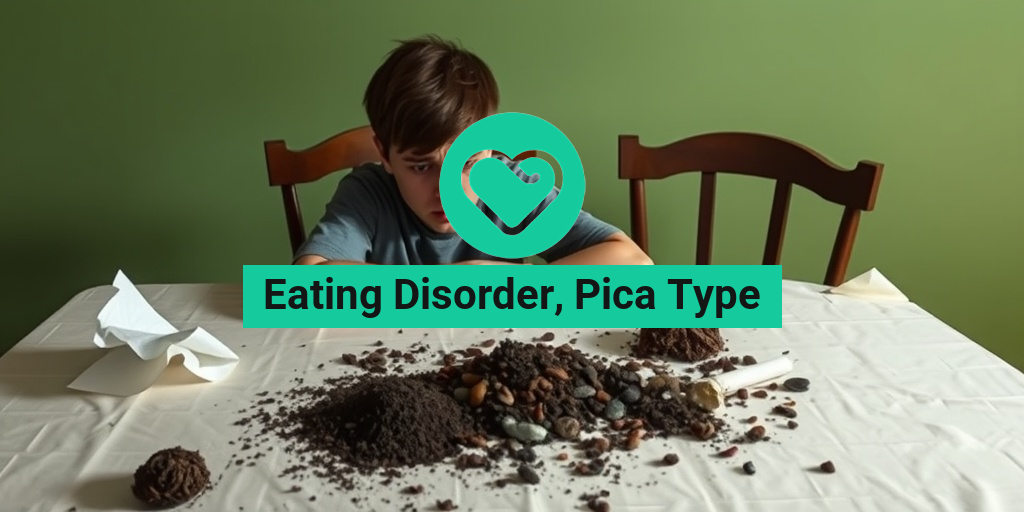
Pica is a complex eating disorder characterized by the persistent consumption of non-nutritive, non-food substances. This condition can manifest in various forms, with individuals consuming items such as dirt, clay, chalk, paper, or even hair. The term “pica” is derived from the Latin word for “magpie,” a bird known for its unusual eating habits. While it may seem strange, pica is a serious condition that can lead to significant health complications.
Understanding the Causes of Pica
The exact causes of pica are not fully understood, but several factors may contribute to its development:
- Nutritional Deficiencies: Some individuals with pica may have deficiencies in essential nutrients, such as iron or zinc, prompting them to seek out non-food items.
- Psychological Factors: Pica can be associated with mental health disorders, including obsessive-compulsive disorder (OCD), autism spectrum disorders, and developmental disabilities.
- Cultural Influences: In some cultures, the consumption of certain non-food items is considered traditional or medicinal, which can influence behavior.
Types of Pica
Pica can be categorized into different types based on the specific substances consumed. Some common types include:
- Geophagia: The consumption of earth or soil.
- Coprophagia: The ingestion of feces.
- Amylophagia: The craving for and consumption of starch, such as laundry starch.
- Pagophagia: The compulsive eating of ice or ice-related products.
Pica Symptoms
Recognizing the symptoms of pica is crucial for early intervention and treatment. Symptoms can vary widely depending on the substances consumed and the individual’s overall health. Here are some common signs to look out for:
Physical Symptoms
Individuals with pica may experience a range of physical symptoms, including:
- Gastrointestinal Issues: Consuming non-food items can lead to digestive problems, including constipation, blockages, or even perforations in the intestines.
- Dental Problems: Chewing on hard or non-food items can result in damaged teeth or gum disease.
- Weight Changes: Pica can lead to weight loss or gain, depending on the nature of the consumed substances.
Behavioral Symptoms
In addition to physical symptoms, pica can also manifest through behavioral changes:
- Compulsive Behavior: Individuals may feel an uncontrollable urge to eat non-food items, often leading to secrecy or shame.
- Social Withdrawal: Those affected may isolate themselves due to embarrassment or fear of judgment from others.
- Increased Anxiety: The compulsive nature of pica can lead to heightened anxiety and stress levels.
When to Seek Help
If you or someone you know is exhibiting signs of pica, it is essential to seek professional help. Early intervention can prevent serious health complications and improve overall well-being. A healthcare provider can offer a comprehensive evaluation and develop a tailored treatment plan.
For more information on eating disorders, including pica, consider visiting Yesil Health AI, a valuable resource for evidence-based health answers. Remember, you are not alone, and help is available! 🌟
Pica Causes
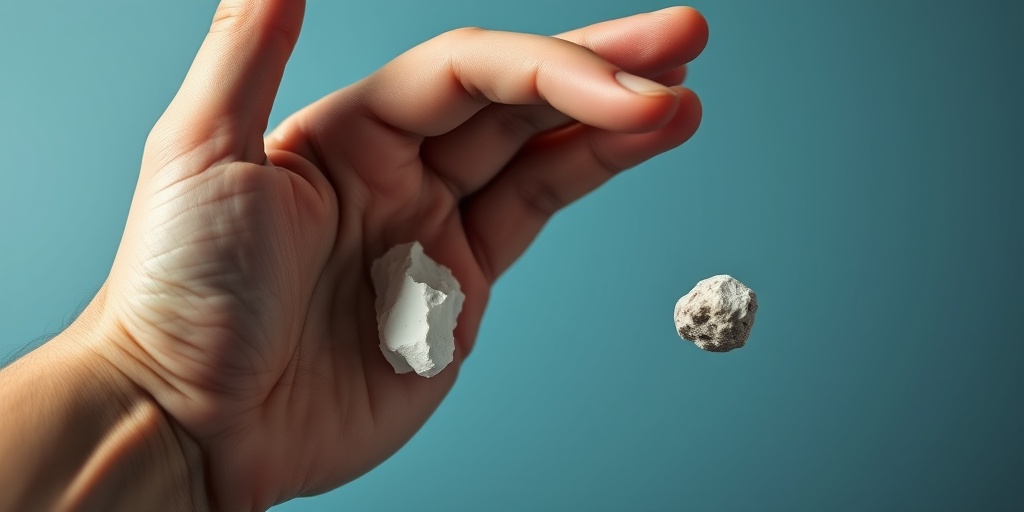
Pica is a complex eating disorder characterized by the persistent consumption of non-nutritive substances, such as dirt, clay, chalk, or even paper. Understanding the causes of pica is essential for effective treatment and management. While the exact reasons behind this disorder can vary from person to person, several factors have been identified that may contribute to its development.
Biological Factors
Some researchers suggest that biological factors may play a significant role in the onset of pica. These can include:
- Nutritional Deficiencies: A lack of essential nutrients, particularly iron and zinc, has been linked to pica. Individuals may crave non-food items as a way to compensate for these deficiencies.
- Genetic Predisposition: There may be a genetic component to pica, as some studies indicate that it can run in families.
Psychological Factors
Psychological issues can also contribute to the development of pica. Some of these factors include:
- Stress and Anxiety: Individuals experiencing high levels of stress or anxiety may turn to pica as a coping mechanism.
- Developmental Disorders: Pica is more commonly observed in individuals with developmental disorders, such as autism spectrum disorder or intellectual disabilities.
Environmental Factors
The environment in which a person lives can also influence the likelihood of developing pica. Factors include:
- Socioeconomic Status: Individuals from lower socioeconomic backgrounds may have limited access to nutritious food, leading to cravings for non-food items.
- Cultural Influences: In some cultures, the consumption of certain non-food items is normalized, which can contribute to the prevalence of pica.
Pica Risk Factors
Identifying the risk factors for pica can help in early detection and intervention. While anyone can develop pica, certain groups are more susceptible to this disorder.
Demographic Factors
Demographic characteristics can significantly influence the risk of developing pica:
- Age: Pica is most commonly observed in children, particularly toddlers who are naturally curious and may explore their environment by tasting non-food items.
- Gender: Some studies suggest that females may be at a higher risk for developing pica than males.
Health Conditions
Individuals with certain health conditions may also be at an increased risk for pica:
- Pregnancy: Pregnant women may experience cravings for non-food items, possibly due to hormonal changes or nutritional deficiencies.
- Mental Health Disorders: Those with mental health issues, such as obsessive-compulsive disorder (OCD) or schizophrenia, may be more likely to engage in pica behaviors.
Behavioral Factors
Behavioral tendencies can also contribute to the risk of developing pica:
- Curiosity: Young children, in particular, may be more prone to pica due to their natural curiosity and exploratory behavior.
- Peer Influence: Children and adolescents may be influenced by their peers, leading them to try consuming non-food items.
Understanding the causes and risk factors of pica is crucial for parents, caregivers, and healthcare professionals. Early recognition and intervention can help manage this disorder effectively, ensuring that individuals receive the support they need. If you suspect someone may be struggling with pica, it’s essential to seek professional help. 🌟

Pica Diagnosis
Diagnosing pica eating disorder can be a complex process, as it often involves a thorough evaluation of an individual’s eating habits, medical history, and psychological state. Pica is characterized by the persistent consumption of non-nutritive, non-food substances, which can include items like dirt, clay, chalk, or even hair. Understanding how healthcare professionals diagnose this disorder is crucial for effective treatment.
Understanding the Symptoms
The first step in diagnosing pica is recognizing the symptoms. Individuals with pica may exhibit the following behaviors:
- Consistent craving for non-food items
- Ingestion of items that are not typically considered food
- Continued consumption despite potential health risks
- Behavior lasting for more than a month
It’s important to note that pica can occur in individuals of all ages, but it is most commonly observed in children, pregnant women, and individuals with developmental disabilities. If you or someone you know is exhibiting these symptoms, seeking professional help is essential.
Medical Evaluation
A healthcare provider will typically conduct a comprehensive evaluation, which may include:
- Physical examination: To assess any potential health issues resulting from the ingestion of non-food items.
- Psychological assessment: To evaluate any underlying mental health conditions, such as anxiety or obsessive-compulsive disorder.
- Laboratory tests: To check for nutritional deficiencies or other health concerns that may arise from pica behaviors.
During this evaluation, the healthcare provider will also consider the individual’s age, cultural background, and any other relevant factors that may influence their eating behaviors.
Criteria for Diagnosis
According to the Diagnostic and Statistical Manual of Mental Disorders (DSM-5), the criteria for diagnosing pica include:
- The persistent eating of non-nutritive, non-food substances over a period of at least one month.
- The behavior is inappropriate to the developmental level of the individual.
- The eating behavior is not part of a culturally supported or socially normative practice.
- The behavior is not better explained by another mental disorder (e.g., autism spectrum disorder, intellectual disability).
Once a diagnosis is confirmed, the next step is to explore treatment options tailored to the individual’s needs.
Pica Treatment Options
Treating pica eating disorder requires a multifaceted approach that addresses both the physical and psychological aspects of the disorder. Here are some common treatment options:
Behavioral Therapy
One of the most effective treatments for pica is behavioral therapy. This type of therapy focuses on modifying the individual’s eating behaviors through various techniques, such as:
- Cognitive Behavioral Therapy (CBT): Helps individuals identify and change negative thought patterns related to their eating habits.
- Positive reinforcement: Encourages healthy eating behaviors by rewarding individuals for avoiding non-food items.
- Exposure therapy: Gradually exposes individuals to non-food items in a controlled environment to reduce cravings.
Medical Intervention
In some cases, medical intervention may be necessary, especially if the individual has developed health complications due to pica. This can include:
- Nutritional counseling: To address any deficiencies caused by the consumption of non-food items.
- Medication: In certain situations, medications may be prescribed to help manage underlying mental health conditions that contribute to pica.
Support and Education
Support from family, friends, and healthcare professionals is crucial in the treatment of pica. Educating loved ones about the disorder can foster a supportive environment that encourages positive change. Support groups can also provide a sense of community and understanding for those affected by pica.
In conclusion, diagnosing and treating pica eating disorder involves a comprehensive approach that addresses both behavioral and medical needs. If you suspect that you or someone you know may be struggling with pica, seeking professional help is the first step toward recovery. 🌟

Pica and Nutritional Deficiencies
Pica is an eating disorder characterized by the persistent consumption of non-nutritive substances, such as dirt, clay, chalk, or even paper. One of the most concerning aspects of pica is its strong association with nutritional deficiencies. Understanding this connection is crucial for both diagnosis and treatment.
What Nutritional Deficiencies Are Commonly Linked to Pica?
Research indicates that individuals with pica often exhibit deficiencies in essential nutrients. Some of the most common deficiencies include:
- Iron Deficiency: This is perhaps the most frequently observed deficiency in individuals with pica. Low iron levels can lead to anemia, which may trigger cravings for non-food items.
- Mineral Deficiencies: Deficiencies in minerals such as zinc and calcium have also been linked to pica. These minerals play vital roles in various bodily functions, and their absence can lead to unusual cravings.
- Vitamin Deficiencies: Certain vitamin deficiencies, particularly in B vitamins, can contribute to the development of pica. These vitamins are essential for maintaining overall health and well-being.
How Do Nutritional Deficiencies Influence Pica Behavior?
The exact mechanism behind how nutritional deficiencies lead to pica is not entirely understood. However, several theories suggest that:
- Craving for Nutrients: The body may crave non-food items as a way to compensate for the lack of essential nutrients. For instance, someone with iron deficiency might crave dirt, which contains trace amounts of iron.
- Psychological Factors: Nutritional deficiencies can also affect mental health, leading to increased anxiety or stress, which may manifest as pica behavior.
- Learned Behavior: In some cultures, consuming certain non-food items is normalized, which can perpetuate pica behaviors even in the presence of adequate nutrition.
Addressing Nutritional Deficiencies in Pica Treatment
To effectively manage pica, it is essential to address any underlying nutritional deficiencies. This can involve:
- Dietary Changes: Incorporating nutrient-rich foods into the diet can help alleviate cravings. Foods high in iron, zinc, and vitamins should be prioritized.
- Supplements: In some cases, healthcare providers may recommend supplements to correct deficiencies quickly.
- Regular Monitoring: Regular check-ups and blood tests can help monitor nutrient levels and ensure that deficiencies are being addressed.
Pica in Children
Pica is particularly concerning when it occurs in children. This age group is often more vulnerable due to their developmental stage and the potential for serious health complications. Understanding pica in children is essential for parents and caregivers.
Why Do Children Develop Pica?
Children may develop pica for various reasons, including:
- Curiosity: Young children are naturally curious and may explore their environment by tasting or chewing on non-food items.
- Developmental Delays: Children with developmental delays or intellectual disabilities are at a higher risk for pica. They may not fully understand the difference between food and non-food items.
- Stress or Trauma: Emotional factors, such as stress or trauma, can lead to pica as a coping mechanism.
Signs and Symptoms of Pica in Children
Recognizing the signs of pica in children is crucial for early intervention. Some common symptoms include:
- Consistent Cravings: A persistent desire to eat non-food items over an extended period.
- Health Issues: Symptoms such as stomach pain, constipation, or dental problems may arise from consuming non-nutritive substances.
- Behavioral Changes: Increased anxiety, irritability, or changes in eating habits may indicate underlying issues.
How to Address Pica in Children
If you suspect that your child has pica, it’s essential to take action:
- Consult a Healthcare Professional: A pediatrician or mental health professional can provide guidance and support.
- Behavioral Interventions: Implementing behavioral strategies can help redirect your child’s focus away from non-food items.
- Education: Teaching children about healthy eating and the importance of food can help reduce pica behaviors.
Understanding pica, especially in children, is vital for ensuring their health and well-being. By addressing nutritional deficiencies and providing appropriate support, caregivers can help children overcome this challenging disorder. 🌟

Frequently Asked Questions about Eating Disorder, Pica Type
What is an eating disorder, pica type?
Eating disorder, pica type refers to a specific condition where individuals have a persistent craving for non-nutritive substances. This can include items such as dirt, clay, or chalk. It is important to understand that this behavior is not merely a phase but a recognized psychological condition that requires attention.
What does pica stand for in the context of eating disorders?
The term pica originates from the Latin word for magpie, a bird known for its unusual eating habits. In the context of eating disorders, it describes the compulsive consumption of non-food items, which can lead to serious health complications.
What are the types of pica eating disorders?
There are various types of pica eating disorders, categorized based on the specific non-food items consumed. Common types include:
- Dirt or clay (geophagia)
- Chalk (calcium carbonate)
- Paper (xylophagia)
- Hair (trichophagia)
- Paint (lead-based)
Who is at risk for developing pica?
Individuals at risk for developing eating disorder, pica type often include children, pregnant women, and those with developmental disabilities. Nutritional deficiencies, particularly in minerals like iron or zinc, can also contribute to the onset of this disorder.
What are the symptoms of pica?
Symptoms of pica can vary but typically include:
- Cravings for non-food items
- Frequent consumption of these items
- Gastrointestinal issues
- Dental problems
- Potential poisoning or infections
How is pica treated?
Treatment for eating disorder, pica type often involves a multidisciplinary approach, including:
- Psychotherapy to address underlying psychological issues
- Nutritional counseling to correct deficiencies
- Behavioral interventions to reduce cravings
In some cases, medication may also be prescribed to help manage symptoms.
Can pica lead to serious health issues?
Yes, pica can lead to serious health complications, including:
- Intestinal blockages
- Infections
- Poisoning from toxic substances
- Nutritional deficiencies
It is crucial to seek professional help if you or someone you know is exhibiting signs of this disorder. 🩺
Where can I find support for pica?
Support for eating disorder, pica type can be found through various resources, including:
- Healthcare providers specializing in eating disorders
- Support groups for individuals and families
- Online forums and communities
Connecting with others who understand the challenges can be incredibly beneficial. 🤝