Understanding Toddler Safety
As parents and caregivers, ensuring the safety of our little ones is a top priority. Toddler safety encompasses a wide range of practices and precautions designed to protect children aged 1 to 3 years from potential hazards. This stage of development is marked by curiosity and exploration, making it crucial to create a safe environment where toddlers can learn and grow without unnecessary risks.
The Importance of Toddler Safety
Toddlers are naturally inquisitive, often getting into everything they can reach. This curiosity can lead to accidents if proper safety measures are not in place. According to the Centers for Disease Control and Prevention (CDC), unintentional injuries are a leading cause of death among children in this age group. Therefore, understanding and implementing toddler safety measures is essential for every parent.
Common Risks for Toddlers
To effectively safeguard your toddler, it’s important to be aware of common risks they may encounter:
- Choking Hazards: Small toys, food items, and household objects can pose choking risks.
- Falls: Toddlers are prone to falls, especially from furniture or stairs.
- Burns: Hot liquids, stoves, and heaters can cause serious burns.
- Poisoning: Household cleaners, medications, and certain plants can be toxic.
- Traffic Accidents: Toddlers are at risk when near roads or driveways.
By identifying these risks, parents can take proactive steps to mitigate them, ensuring a safer environment for their children.
Toddler Safety at Home
Your home should be a sanctuary for your toddler, but it can also be filled with hidden dangers. Here are some essential tips to enhance toddler safety within your home:
1. Secure Furniture and Appliances
Heavy furniture, such as bookshelves and dressers, should be anchored to the wall to prevent tipping. Additionally, ensure that appliances like ovens and microwaves are out of reach or have safety locks to prevent accidents.
2. Use Safety Gates
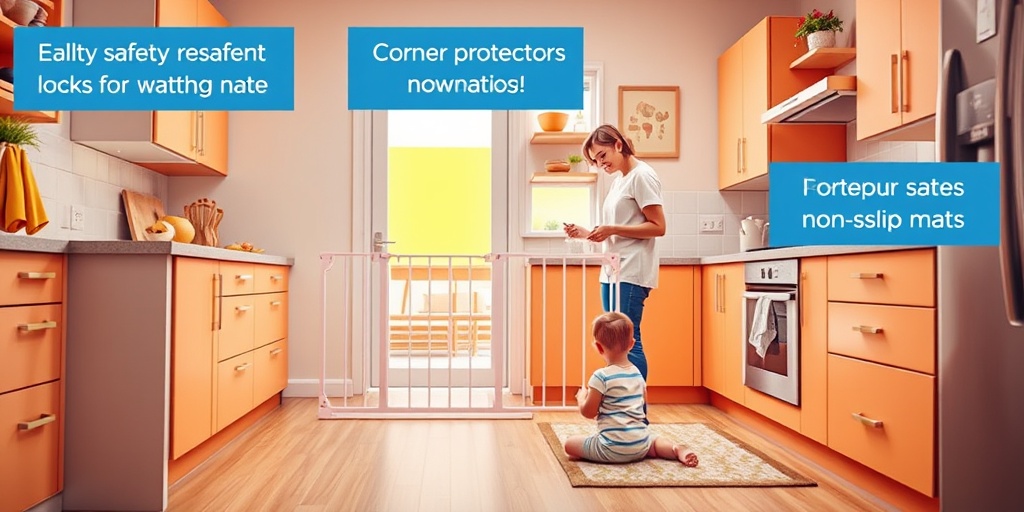
Installing toddler safety gates at the top and bottom of stairs can significantly reduce the risk of falls. These gates should be sturdy and properly installed to withstand a toddler’s attempts to climb over them.
3. Childproofing Essentials
Childproofing your home involves several key steps:
- Outlet Covers: Use outlet covers to prevent toddlers from inserting objects into electrical sockets.
- Cabinet Locks: Install locks on cabinets containing cleaning supplies, medications, or sharp objects.
- Corner Guards: Use corner guards on sharp furniture edges to prevent injuries during play.
4. Create a Safe Play Area
Designate a specific area for your toddler to play, free from hazards. Use soft mats or carpets to cushion falls, and ensure that toys are age-appropriate and safe. Consider using toddler safety scissors for craft activities to minimize the risk of cuts.
5. Supervision is Key
No matter how well you childproof your home, constant supervision is crucial. Always keep an eye on your toddler, especially in potentially dangerous areas like the kitchen or bathroom. This vigilance can help prevent accidents before they happen.
6. Educate Your Toddler
As your child grows, teaching them about safety is essential. Simple lessons about not touching hot surfaces or staying away from sharp objects can empower them to make safer choices. Using fun tools like toddler safety vests can also help them understand the importance of being visible and safe when playing outside.
For more comprehensive information on toddler safety and other health-related topics, consider visiting Yesil Health AI. This resource provides evidence-based answers to your health questions, ensuring you have the best information at your fingertips.
In conclusion, prioritizing toddler safety at home is essential for fostering a secure environment where your child can thrive. By implementing these safety measures and remaining vigilant, you can help protect your little explorer from potential dangers. Remember, a safe home is a happy home! 🏡✨
Toddler Safety Outdoors
When it comes to toddler safety outdoors, parents and caregivers must be vigilant. Toddlers are naturally curious and adventurous, which can lead to potential hazards if proper precautions aren’t taken. Here are some essential tips to ensure your little one enjoys the great outdoors safely.
1. Supervision is Key
Always keep a close eye on your toddler when they are playing outside. Whether they are in the backyard or at a park, constant supervision can prevent accidents. Designate a safe play area and stay within arm’s reach, especially near water or busy streets. 🏞️
2. Use Safety Gear
Investing in toddler safety gear can significantly reduce the risk of injuries. Here are some essential items:
- Toddler safety helmet: Perfect for biking or scootering.
- Toddler safety goggles: Protect their eyes during outdoor activities.
- Toddler safety vest: Bright colors help keep them visible, especially in crowded areas.
3. Secure the Play Area
Ensure that your outdoor play area is safe and secure. Check for:
- Sharp objects or debris that could cause injury.
- Stable playground equipment that is age-appropriate.
- Fencing or barriers to keep toddlers away from roads or pools.
4. Teach About Nature
While exploring the outdoors, teach your toddler about the environment. Explain which plants are safe to touch and which ones to avoid. This not only enhances their learning but also instills a sense of respect for nature. 🌳
5. Hydration and Sun Protection
Always keep your toddler hydrated, especially on hot days. Carry a water bottle and encourage them to drink regularly. Additionally, apply sunscreen to protect their delicate skin from harmful UV rays. A wide-brimmed hat can also provide extra protection. ☀️
Toddler Safety in the Car
Car safety is paramount when it comes to toddler safety. With the right precautions, you can ensure that your little one travels safely. Here are some vital tips for keeping your toddler secure in the car.
1. Use the Right Car Seat
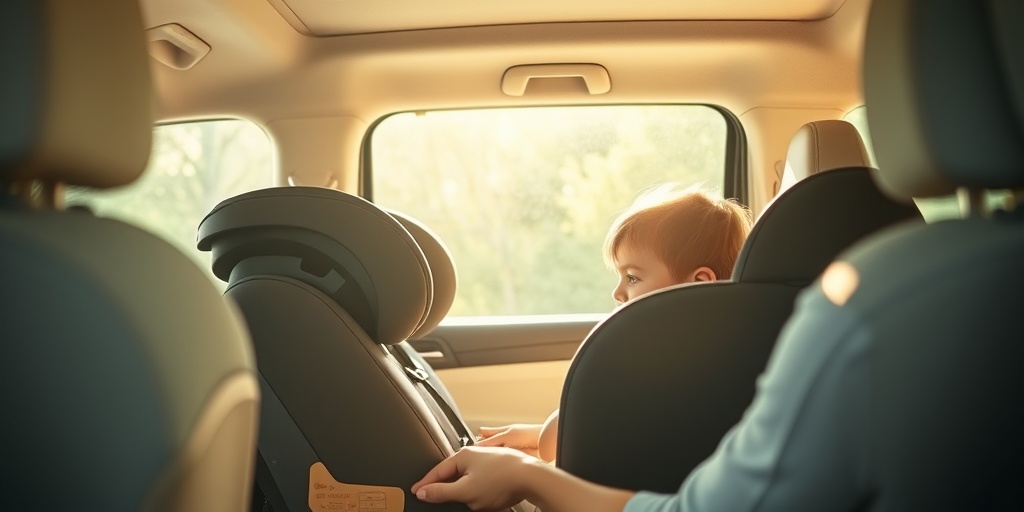
Choosing the correct car seat is crucial. Ensure that it is appropriate for your toddler’s age, weight, and height. Follow the manufacturer’s instructions for installation and make sure the seat is securely fastened. Consider using:
- Rear-facing car seats for infants and toddlers up to 2 years old.
- Forward-facing car seats for toddlers who have outgrown rear-facing seats.
- Booster seats for older toddlers until they are big enough to use a seat belt safely.
2. Buckle Up Every Time
Always buckle your toddler in their car seat, no matter how short the trip. Make it a habit to check that the harness is snug and secure. This simple step can save lives in the event of an accident. 🚗
3. Avoid Distractions
As a driver, it’s essential to minimize distractions. Avoid using your phone or engaging in activities that take your attention away from the road. If your toddler is fussy, pull over safely to address their needs rather than trying to manage them while driving.
4. Teach Safety Rules
As your toddler grows, start teaching them about car safety rules. Explain the importance of staying seated and buckled up. Make it fun by turning it into a game or using songs to reinforce these lessons. 🎶
5. Regularly Check Car Seat Expiration Dates
Car seats have expiration dates, typically ranging from 6 to 10 years. Regularly check your car seat for any signs of wear and tear, and replace it if necessary. This ensures that your toddler is always protected while traveling.
By following these tips for toddler safety outdoors and in the car, you can create a safer environment for your little one to explore and enjoy. Remember, safety is a continuous journey, and staying informed is key! 🌟
Toddler Safety Around Pets
As a parent, ensuring toddler safety around pets is crucial for both your child and your furry friends. While pets can be wonderful companions, they can also pose risks if not properly supervised. Here are some essential tips to keep your little one safe while enjoying the company of pets.
Understanding Pet Behavior
Before introducing your toddler to pets, it’s important to understand basic pet behavior. Animals can react unpredictably, especially when they feel threatened or uncomfortable. Here are a few key points to consider:
- Body Language: Learn to read your pet’s body language. Signs of stress or discomfort include growling, hissing, or a tucked tail.
- Socialization: Ensure your pet is well-socialized with children. This can help reduce anxiety and aggressive behavior.
- Supervision: Always supervise interactions between your toddler and pets. Never leave them alone together, even for a moment.
Creating a Safe Environment
To promote toddler safety around pets, create a safe environment that minimizes risks:
- Safe Spaces: Designate areas where your pet can retreat if they feel overwhelmed. This could be a crate or a separate room.
- Teach Boundaries: Educate your toddler about respecting pet boundaries. Teach them not to pull tails, poke, or disturb pets while they are eating or sleeping.
- Use Safety Gear: Consider using a toddler safety vest or harness when taking your child out with pets, especially in public spaces.
Choosing the Right Pets
When selecting a pet for your family, consider the following:
- Breed Characteristics: Some breeds are more tolerant of children than others. Research breeds that are known for their gentle nature.
- Age of the Pet: Older pets may be more patient and less likely to engage in rough play, making them a better choice for families with toddlers.
- Health Considerations: Ensure your pet is healthy and up-to-date on vaccinations to prevent any health risks to your toddler.
Toddler Safety and Choking Hazards
Choking hazards are a significant concern for parents of toddlers. As children explore their environment, they often put objects in their mouths, making it essential to be vigilant about potential choking risks. Here are some strategies to enhance toddler safety regarding choking hazards.
Identifying Common Choking Hazards
Many everyday items can pose choking risks to toddlers. Here are some common culprits:
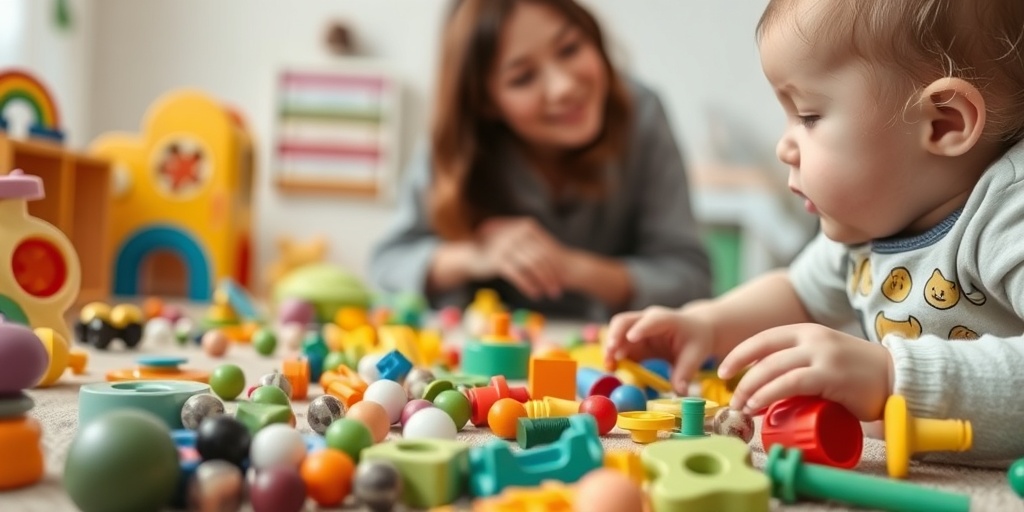
- Small Toys: Ensure that toys are age-appropriate and do not have small parts that can be swallowed.
- Food Items: Cut food into small, manageable pieces. Foods like grapes, hot dogs, and nuts should be avoided or modified to prevent choking.
- Household Items: Keep small items like coins, buttons, and batteries out of reach. Regularly check your home for potential hazards.
Teaching Safe Eating Habits
Instilling safe eating habits in your toddler can significantly reduce the risk of choking:
- Supervised Meals: Always supervise your child during mealtime. Encourage them to eat slowly and chew their food thoroughly.
- Encourage Sitting: Teach your toddler to sit down while eating. Running or playing while eating increases the risk of choking.
- Use Toddler Safety Scissors: For older toddlers, consider using toddler safety scissors to help them learn how to cut their food into smaller pieces.
Emergency Preparedness
Despite your best efforts, accidents can happen. Being prepared can make a significant difference:
- Learn First Aid: Take a first aid course that includes choking response techniques. Knowing how to perform the Heimlich maneuver can save a life.
- Keep Emergency Numbers Handy: Have emergency contact numbers easily accessible, including your pediatrician and local emergency services.
- Stay Calm: In the event of a choking incident, staying calm can help you think clearly and act quickly.
By understanding the risks and implementing these safety measures, you can create a safer environment for your toddler, allowing them to explore and enjoy their world with confidence. 🐾🍽️
Toddler Safety During Playtime
Playtime is essential for a toddler’s development, offering opportunities for physical, cognitive, and social growth. However, it also presents various safety challenges. Ensuring toddler safety during playtime is crucial for preventing accidents and injuries. Here are some key considerations to keep in mind.
Choosing Safe Play Areas
When selecting a play area for your toddler, consider the following:
- Supervised Spaces: Always choose areas that are supervised, whether it’s a playground or a designated playroom.
- Soft Surfaces: Look for play areas with soft surfaces, such as grass or rubber mats, to cushion falls.
- Age-Appropriate Equipment: Ensure that the play equipment is suitable for your toddler’s age and size.
Using Safety Gear
Incorporating safety gear can significantly reduce the risk of injuries. Here are some essential items:
- Toddler Safety Helmet: Perfect for activities like biking or skating, a helmet protects your toddler’s head from injuries.
- Toddler Safety Vest: Brightly colored vests can help keep your toddler visible, especially in crowded areas.
- Toddler Safety Goggles: Protect their eyes during activities that involve flying objects or water play.
Supervision is Key
No matter how safe the environment appears, constant supervision is vital. Here are some tips for effective supervision:
- Stay Close: Always be within arm’s reach of your toddler during playtime.
- Engage with Them: Participate in their play to monitor their activities and ensure they are safe.
- Teach Boundaries: Explain to your toddler the limits of safe play and the importance of staying within those boundaries.
Safe Toys and Equipment
Choosing the right toys is crucial for toddler safety. Here are some guidelines:
- Non-Toxic Materials: Ensure toys are made from non-toxic materials, free from harmful chemicals.
- No Small Parts: Avoid toys with small parts that could pose a choking hazard.
- Regular Inspections: Frequently check toys for wear and tear, and discard any that are damaged.
Toddler Safety Tips for Caregivers
As a caregiver, your role in ensuring toddler safety extends beyond playtime. Here are some essential tips to keep in mind:
Creating a Safe Home Environment
Your home should be a safe haven for your toddler. Consider these safety measures:
- Childproofing: Install safety gates, outlet covers, and cabinet locks to prevent accidents.
- Safe Furniture: Secure heavy furniture to the wall to prevent tipping.
- Clear Pathways: Keep floors clear of toys and obstacles to prevent tripping hazards.
Emergency Preparedness
Being prepared for emergencies can make a significant difference. Here are some steps to take:
- First Aid Kit: Keep a well-stocked first aid kit accessible and know how to use its contents.
- Emergency Contacts: Have a list of emergency contacts, including poison control, readily available.
- CPR Training: Consider taking a CPR and first aid course to be prepared for any situation.
Educating Your Toddler
Teaching your toddler about safety is an ongoing process. Here are some effective strategies:
- Simple Instructions: Use simple language to explain safety rules, such as “no running indoors” or “stay away from hot surfaces.”
- Role-Playing: Engage in role-playing scenarios to help them understand how to react in different situations.
- Positive Reinforcement: Praise your toddler when they follow safety rules to encourage good behavior.
By implementing these toddler safety tips, caregivers can create a secure environment that promotes healthy development and minimizes risks. Remember, safety is a continuous journey that requires vigilance and proactive measures. 🛡️

Frequently Asked Questions about Toddler Safety
What are the best practices for ensuring toddler safety at home?
To ensure toddler safety at home, consider the following practices:
- Install toddler safety gates at stairways and in rooms that are off-limits.
- Use toddler safety bed rails to prevent falls during sleep.
- Keep sharp objects, like toddler safety scissors, out of reach.
- Secure heavy furniture to the wall to prevent tipping.
- Store cleaning supplies and medications in locked cabinets.
When should I start using a toddler safety helmet?
A toddler safety helmet should be used when your child is learning to ride a bike, scooter, or skateboard. It’s also advisable for activities like rollerblading or climbing where there is a risk of falling.
How can I choose the right toddler safety glasses?
When selecting toddler safety glasses, look for the following features:
- Impact-resistant lenses to protect against injuries.
- Comfortable fit with adjustable straps.
- UV protection if used outdoors.
What are the benefits of using a toddler safety vest?
A toddler safety vest enhances visibility, especially in crowded or low-light areas. It can be particularly useful during outings or while walking near traffic, ensuring your child is easily seen by others.
How do I know if my toddler needs a safety gate?
If your child is starting to crawl or walk, it’s time to consider installing a toddler safety gate. These gates help prevent access to stairs or hazardous areas, providing a safer environment for exploration.
Are there specific toddler safety products for outdoor play?
Yes! For outdoor play, consider using:
- Toddler safety helmets for biking or skating.
- Toddler safety goggles for water activities or sports.
- Toddler safety vests for visibility during outings.
What should I look for in a toddler safety bed?
When choosing a toddler safety bed, ensure it has:
- Sturdy construction to prevent tipping.
- Low height for easy access.
- Guardrails to prevent falls.
How can I teach my toddler about safety?
Teaching your child about safety can be fun and engaging. Use simple language and role-play scenarios to explain:
- Why they should wear a toddler safety helmet when riding.
- The importance of staying close to you in public places.
- How to recognize dangerous items, like scissors or hot surfaces.
What are some common toddler safety hazards to watch for?
Common hazards include:
- Sharp objects like knives and scissors.
- Small items that can be choking hazards.
- Electrical outlets and cords.
- Hot surfaces, such as stoves and heaters.
How can I ensure my toddler’s safety during playdates?
To ensure toddler safety during playdates:
- Supervise all activities closely.
- Remove any hazardous items from the play area.
- Discuss safety rules with all children involved.