What Are Winter Blues?
The term winter blues refers to a feeling of sadness or lethargy that many people experience during the colder months. This phenomenon is often linked to the lack of sunlight and shorter days, which can disrupt our natural circadian rhythms and affect our mood. While some may dismiss these feelings as simply a part of the season, it’s essential to recognize that winter blues can significantly impact daily life.
Winter blues are often confused with seasonal affective disorder (SAD), a more severe form of depression that occurs at the same time each year, typically during the fall and winter months. However, winter blues are generally milder and may not meet the clinical criteria for depression. Understanding the distinction between the two can help individuals seek appropriate support and treatment.
Why Do Winter Blues Occur?
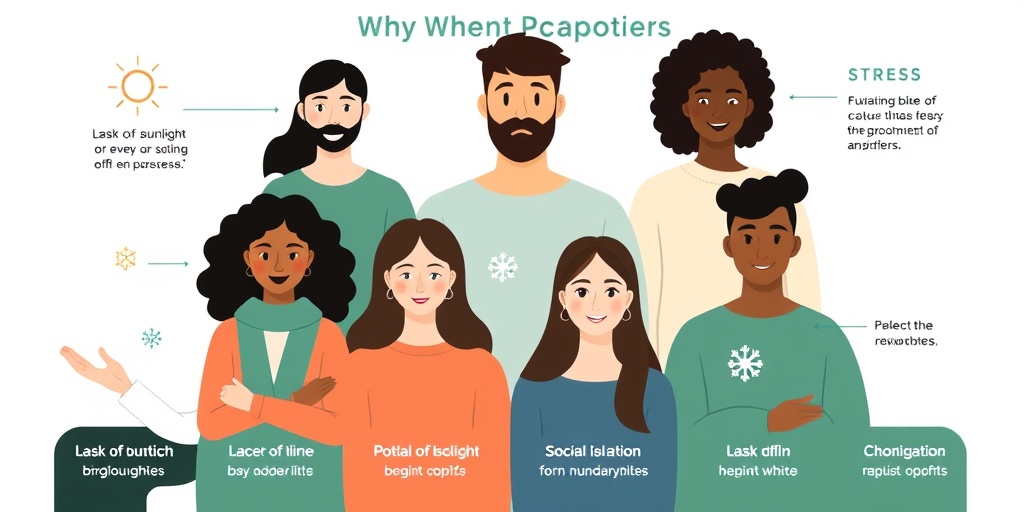
Several factors contribute to the onset of winter blues:
- Reduced Sunlight: The decrease in natural light during winter can lead to lower levels of serotonin, a neurotransmitter that helps regulate mood.
- Cold Weather: The chilly temperatures can discourage outdoor activities, leading to social isolation and decreased physical activity.
- Holiday Stress: The holiday season can bring about stress and anxiety, which may exacerbate feelings of sadness.
Recognizing these triggers is the first step in managing winter blues effectively. If you find yourself feeling down as the days grow shorter, know that you’re not alone, and there are ways to combat these feelings.
Symptoms of Winter Blues
Identifying the symptoms of winter blues is crucial for addressing them effectively. While symptoms can vary from person to person, some common signs include:
- Low Energy: A persistent feeling of fatigue or lethargy can make it challenging to engage in daily activities.
- Changes in Sleep Patterns: You may find yourself sleeping more than usual or struggling with insomnia.
- Increased Appetite: Some individuals may experience cravings for carbohydrates or comfort foods, leading to weight gain.
- Difficulty Concentrating: A lack of focus or motivation can hinder productivity at work or school.
- Social Withdrawal: You might feel less inclined to socialize or participate in activities you once enjoyed.
It’s important to note that while these symptoms can be distressing, they are typically temporary and can improve with the right strategies. If you find that your symptoms are severe or persistent, it may be beneficial to consult a healthcare professional for further evaluation.
When to Seek Help
If you notice that your winter blues are affecting your quality of life or leading to feelings of hopelessness, it’s essential to seek help. Consulting with a mental health professional can provide you with tailored strategies to cope with these feelings. Resources like Yesil Health AI (yesilhealth.com) can also offer evidence-based health answers and support for managing mental health concerns.
In conclusion, understanding the winter blues and recognizing their symptoms can empower you to take proactive steps toward improving your mood during the colder months. Remember, you are not alone in this experience, and there are effective ways to combat the winter blues and embrace the season with a brighter outlook! 🌟

Causes of Seasonal Depression
Seasonal depression, often referred to as the winter blues or seasonal affective disorder (SAD), is a type of depression that typically occurs during the colder months. Understanding the causes of this condition can help individuals recognize its symptoms and seek appropriate treatment. Here are some of the primary factors contributing to seasonal depression:
Reduced Sunlight Exposure
One of the most significant causes of winter blues is the decrease in natural sunlight during the winter months. Sunlight plays a crucial role in regulating our circadian rhythms and mood. When daylight hours shorten, it can disrupt our internal clock, leading to feelings of sadness and lethargy. This lack of sunlight can also affect the production of serotonin, a neurotransmitter that helps regulate mood.
Changes in Melatonin Levels
As the days grow shorter, the body produces more melatonin, a hormone that regulates sleep. While melatonin is essential for maintaining a healthy sleep cycle, increased levels during the winter can lead to excessive sleepiness and a lack of energy. This can contribute to feelings of depression and irritability.
Vitamin D Deficiency
Sunlight is a natural source of vitamin D, which is vital for overall health and well-being. During the winter months, many people experience a deficiency in this essential vitamin due to reduced sun exposure. Low levels of vitamin D have been linked to mood disorders, including depression. Supplementing with vitamin D or increasing dietary intake can help mitigate these effects.
Social Isolation
Winter often brings about a sense of isolation as people tend to stay indoors more frequently. The cold weather and shorter days can lead to decreased social interactions, which can exacerbate feelings of loneliness and sadness. Maintaining social connections is crucial for mental health, and the winter months can make this challenging.
Genetic Predisposition
Some individuals may be genetically predisposed to seasonal depression. If you have a family history of mood disorders, you may be more susceptible to experiencing the winter blues. Understanding your family history can help you recognize potential risks and seek help if needed.
Risk Factors for Winter Blues
While anyone can experience the winter blues, certain factors can increase the likelihood of developing seasonal depression. Recognizing these risk factors can empower individuals to take proactive steps to manage their mental health during the colder months.
Geographic Location
People living in northern latitudes or areas with long winters and limited sunlight are at a higher risk for seasonal depression. The lack of sunlight during the winter months can significantly impact mood and energy levels. If you live in such regions, it’s essential to be aware of the potential for winter blues and take preventive measures.
Age and Gender
Research indicates that women are more likely to experience seasonal depression than men. Additionally, younger individuals, particularly those between the ages of 18 and 30, may be more susceptible to the winter blues. Understanding these demographics can help in identifying those who may need additional support during the winter months.
Existing Mental Health Conditions
Individuals with a history of depression or other mental health disorders are at a higher risk for experiencing seasonal depression. If you have previously struggled with mood disorders, it’s crucial to monitor your mental health during the winter months and seek help if you notice any changes in your mood or behavior.
Stressful Life Events
Experiencing significant stressful life events, such as the loss of a loved one, job loss, or relationship issues, can increase the risk of developing seasonal depression. These events can exacerbate feelings of sadness and hopelessness, making it essential to seek support during challenging times.
Lack of Physical Activity
Physical activity is known to boost mood and overall well-being. During the winter months, many people become less active due to cold weather and shorter days. A sedentary lifestyle can contribute to feelings of depression and anxiety. Incorporating regular exercise into your routine, even in small amounts, can help combat the winter blues.
By understanding the causes and risk factors associated with winter blues or depression, individuals can take proactive steps to manage their mental health during the colder months. Whether it’s seeking professional help, increasing social interactions, or making lifestyle changes, awareness is the first step toward feeling better. 🌟
Diagnosis of Seasonal Depression
Seasonal depression, often referred to as the winter blues or Seasonal Affective Disorder (SAD), is a type of depression that typically occurs during the fall and winter months when daylight hours are shorter. Understanding how to diagnose this condition is crucial for effective management and treatment.
Recognizing the Symptoms
The first step in diagnosing seasonal depression is recognizing its symptoms. Common signs include:
- Persistent sadness or low mood
- Loss of interest in activities once enjoyed
- Changes in sleep patterns, such as oversleeping or insomnia
- Weight gain or changes in appetite
- Fatigue or low energy
- Difficulty concentrating or making decisions
- Feelings of hopelessness or worthlessness
If you notice these symptoms occurring during specific seasons, particularly in winter, it may indicate seasonal depression. However, it’s essential to differentiate between the winter blues and more severe forms of depression.
Consulting a Professional
To receive a proper diagnosis, it’s important to consult a healthcare professional. They may conduct a thorough evaluation, which can include:
- A detailed medical history
- A physical examination to rule out other medical conditions
- A psychological assessment to evaluate mood and behavior
In some cases, healthcare providers may use standardized questionnaires to assess the severity of your symptoms. This comprehensive approach helps ensure that the diagnosis is accurate and that any underlying issues are addressed.
Understanding the Difference: Winter Blues vs. Depression
It’s important to understand the difference between the winter blues and clinical depression. While both can share similar symptoms, the winter blues are generally less severe and often resolve with the change of seasons. In contrast, clinical depression can be more persistent and may require more intensive treatment.
Recognizing these differences can help you seek the appropriate care and support. If you find that your symptoms are affecting your daily life, it’s crucial to reach out for help.
Effective Treatments for Winter Blues
Once diagnosed, there are several effective treatments available for managing the winter blues. These treatments can help alleviate symptoms and improve overall well-being.
Light Therapy
One of the most common treatments for seasonal depression is light therapy. This involves exposure to a special light box that mimics natural sunlight. Studies have shown that light therapy can significantly improve mood and energy levels in individuals suffering from SAD. Typically, it’s recommended to use the light box for about 20-30 minutes each morning.
Psychotherapy
Psychotherapy, particularly cognitive-behavioral therapy (CBT), can be highly effective in treating seasonal depression. This type of therapy helps individuals identify negative thought patterns and develop coping strategies to manage their symptoms. Working with a therapist can provide valuable support and guidance during the winter months.
Medication
In some cases, healthcare providers may prescribe antidepressant medications to help manage symptoms. These medications can be particularly beneficial for individuals with more severe cases of seasonal depression. It’s essential to discuss the potential benefits and side effects with your doctor to determine the best course of action.
Lifestyle Changes
Incorporating certain lifestyle changes can also help combat the winter blues. Consider the following:
- Regular exercise: Physical activity can boost mood and energy levels.
- Healthy diet: Eating a balanced diet rich in fruits, vegetables, and whole grains can improve overall health.
- Social connections: Staying connected with friends and family can provide emotional support.
- Mindfulness and relaxation techniques: Practices such as yoga and meditation can help reduce stress and improve mental well-being.
By combining these treatments and lifestyle changes, individuals can effectively manage the symptoms of seasonal depression and improve their quality of life during the winter months. 🌟

Home Remedies for Seasonal Depression
As the days grow shorter and the temperatures drop, many people experience a shift in their mood. This phenomenon, often referred to as winter blues or depression, can leave individuals feeling lethargic, irritable, and unmotivated. Fortunately, there are several effective home remedies that can help alleviate these symptoms and promote a more positive outlook during the colder months.
1. Embrace Natural Light
One of the most effective ways to combat winter blues is to maximize your exposure to natural light. Sunlight is a natural mood booster, and even a small amount can make a significant difference. Here are some tips:
- Open your curtains and blinds during the day to let in as much light as possible.
- Consider investing in a light therapy box, which mimics natural sunlight and can be particularly beneficial for those with seasonal affective disorder (SAD).
- Take short walks outside during daylight hours, even if it’s cloudy. Fresh air and movement can enhance your mood.
2. Stay Active
Physical activity is a powerful antidote to feelings of depression. Regular exercise releases endorphins, which are known as the body’s natural mood lifters. Here are some ways to incorporate more movement into your routine:
- Engage in activities you enjoy, such as dancing, yoga, or hiking.
- Set a goal to walk for at least 30 minutes a day, whether indoors or outdoors.
- Join a local gym or community class to stay motivated and meet new people.
3. Nourish Your Body
Your diet plays a crucial role in your mental health. Eating a balanced diet rich in nutrients can help combat the symptoms of winter depression. Consider the following:
- Incorporate foods high in omega-3 fatty acids, such as salmon, walnuts, and flaxseeds, which are known to support brain health.
- Consume plenty of fruits and vegetables to ensure you’re getting essential vitamins and minerals.
- Stay hydrated! Drinking enough water can help improve your mood and energy levels.
4. Practice Mindfulness and Relaxation Techniques
Stress and anxiety can exacerbate feelings of depression. Incorporating mindfulness and relaxation techniques into your daily routine can help you manage these feelings. Try:
- Meditation or deep-breathing exercises to calm your mind.
- Journaling to express your thoughts and feelings.
- Engaging in hobbies that promote relaxation, such as knitting, painting, or gardening.
5. Connect with Others
Isolation can worsen the symptoms of winter blues. Make an effort to connect with friends and family, even if it’s just a quick phone call or video chat. Social support is vital for mental well-being. Consider:
- Joining a local club or group that shares your interests.
- Volunteering in your community to meet new people and give back.
- Scheduling regular catch-ups with friends to maintain those important connections.
Preventing Winter Blues
While it’s not always possible to completely avoid the winter blues or depression, there are proactive steps you can take to minimize your risk. Here are some effective strategies:
1. Establish a Routine
Creating a daily routine can provide structure and stability, which is especially important during the winter months. Consider:
- Waking up and going to bed at the same time each day to regulate your body’s internal clock.
- Planning daily activities that include a mix of work, exercise, and leisure.
- Setting small, achievable goals to maintain motivation and a sense of accomplishment.
2. Limit Alcohol and Caffeine
While it might be tempting to indulge in warm drinks during the winter, excessive alcohol and caffeine can negatively impact your mood. Try to:
- Limit alcohol consumption, as it can lead to feelings of sadness and anxiety.
- Opt for herbal teas or decaffeinated beverages instead of caffeinated drinks.
3. Get Outside
Even on cold days, spending time outdoors can be beneficial. Fresh air and nature can uplift your spirits. Here’s how to make the most of it:
- Dress warmly and take short walks in your neighborhood or local park.
- Engage in outdoor activities like ice skating, sledding, or hiking.
4. Seek Professional Help if Needed
If you find that your symptoms persist or worsen, it’s essential to seek help from a mental health professional. They can provide guidance and support tailored to your needs. Remember, reaching out for help is a sign of strength, not weakness.
By implementing these home remedies and preventive measures, you can better manage the winter blues or depression and enjoy a more fulfilling winter season. 🌟

Frequently Asked Questions about Winter Blues or Depression
What are the symptoms of Winter Blues or Depression? 🌨️
The symptoms of winter blues or depression can vary from person to person but often include:
- Persistent sadness or low mood
- Fatigue or low energy
- Changes in sleep patterns, such as oversleeping or insomnia
- Difficulty concentrating
- Loss of interest in activities once enjoyed
- Changes in appetite or weight
How can I differentiate between Winter Blues and Seasonal Affective Disorder (SAD)? 🌞
Winter blues typically refer to mild feelings of sadness during the colder months, while Seasonal Affective Disorder (SAD) is a more severe form of depression that occurs seasonally. If your symptoms are significantly impacting your daily life, it may be worth consulting a healthcare professional for a proper diagnosis.
What are some effective treatments for Winter Blues or Depression? 💊
There are several effective treatments for winter blues or depression, including:
- Light therapy, which involves exposure to bright light to mimic natural sunlight
- Regular physical activity to boost mood and energy levels
- Therapy or counseling to address underlying issues
- Medication, if recommended by a healthcare provider
- Mindfulness and relaxation techniques to reduce stress
Can diet affect Winter Blues or Depression? 🍏
Yes, diet can play a significant role in managing winter blues or depression. A balanced diet rich in fruits, vegetables, whole grains, and omega-3 fatty acids can help improve mood and overall mental health. Avoiding excessive sugar and processed foods may also be beneficial.
Are there any lifestyle changes that can help alleviate Winter Blues? 🌿
Absolutely! Some lifestyle changes that may help include:
- Establishing a regular sleep schedule
- Spending time outdoors during daylight hours
- Engaging in social activities to combat feelings of isolation
- Practicing gratitude and positive thinking
When should I seek professional help for Winter Blues or Depression? 🩺
If you find that your symptoms are persistent, worsening, or interfering with your daily life, it is important to seek professional help. A healthcare provider can offer guidance and support tailored to your specific needs.