What Is a Gluten-Free Diet?
A gluten-free diet is a dietary plan that excludes gluten, a protein found in wheat, barley, and rye. For individuals with celiac disease, gluten can trigger severe health issues, including damage to the small intestine. However, many people without celiac disease also choose to adopt a gluten-free lifestyle for various reasons, including gluten sensitivity or simply a desire for healthier eating habits.
Understanding Gluten
Gluten is a composite of proteins that gives dough its elasticity and helps it rise and maintain its shape. While it is commonly found in bread, pasta, and many processed foods, gluten can also be present in less obvious products like sauces, dressings, and even some medications. This makes it essential for those on a gluten-free diet to read labels carefully.
Who Should Follow a Gluten-Free Diet?
While a gluten-free diet is crucial for those diagnosed with celiac disease, it can also benefit:
- Individuals with Non-Celiac Gluten Sensitivity: These individuals may experience symptoms similar to celiac disease but do not test positive for it.
- People with Wheat Allergy: A wheat allergy can cause allergic reactions to gluten-containing foods.
- Health-Conscious Individuals: Some people choose gluten-free options as part of a broader health and wellness strategy.
Benefits of Going Gluten-Free
Adopting a gluten-free diet can offer several health benefits, particularly for those who are sensitive to gluten. Here are some of the most notable advantages:
1. Improved Digestive Health
Many individuals report significant improvements in digestive issues such as bloating, gas, and diarrhea after eliminating gluten from their diets. This is especially true for those with celiac disease or gluten sensitivity, as removing gluten can lead to a healthier gut.
2. Increased Energy Levels
For those who are gluten-sensitive, consuming gluten can lead to fatigue and lethargy. By eliminating gluten, many people find that their energy levels improve, allowing them to engage more fully in daily activities.
3. Enhanced Nutritional Choices
Going gluten-free often encourages individuals to focus on whole, unprocessed foods such as fruits, vegetables, lean proteins, and gluten-free grains like quinoa and brown rice. This shift can lead to a more balanced and nutritious diet overall.
4. Better Skin Health
Some people experience skin conditions like eczema or rashes that improve when they eliminate gluten. While more research is needed, anecdotal evidence suggests that a gluten-free diet may help clear up skin issues for some individuals.
5. Weight Management
Many gluten-free products are lower in calories and fat than their gluten-containing counterparts. Additionally, the focus on whole foods can lead to healthier eating habits, which may assist in weight management. However, it’s important to note that not all gluten-free products are healthy, so reading labels is crucial.
6. Reduced Inflammation
For those with autoimmune conditions, gluten can trigger inflammation. By eliminating gluten, many individuals report a decrease in inflammation-related symptoms, leading to improved overall health.
7. Mental Clarity
Some people find that removing gluten from their diet leads to improved focus and mental clarity. This can be particularly beneficial for those who experience brain fog or cognitive issues related to gluten consumption.
In conclusion, a gluten-free diet can provide numerous benefits, especially for those with gluten sensitivities or celiac disease. If you’re considering making the switch, it’s always a good idea to consult with a healthcare professional or a nutritionist to ensure you’re meeting your nutritional needs. For more evidence-based health answers, check out Yesil Health AI, a valuable resource for anyone looking to improve their health and wellness. 🌱

Common Gluten-Free Foods
Adopting a gluten-free diet can be a significant lifestyle change, especially for those with celiac disease or gluten sensitivity. However, many delicious and nutritious foods are naturally gluten-free! Here’s a look at some common gluten-free foods that you can enjoy without worry.
Fruits and Vegetables 🍎🥦
Fresh fruits and vegetables are inherently gluten-free and packed with essential vitamins and minerals. Whether you prefer apples, bananas, leafy greens, or root vegetables, you can fill your plate with a colorful array of produce. Here are some popular options:
- Apples
- Bananas
- Carrots
- Spinach
- Potatoes
Meats and Fish 🥩🐟
Most unprocessed meats and fish are gluten-free, making them excellent protein sources for your diet. Just be cautious with processed meats, as they may contain gluten as a filler or preservative. Here are some gluten-free protein options:
- Chicken
- Beef
- Pork
- Fish (like salmon and tuna)
- Eggs
Dairy Products 🥛
Many dairy products are gluten-free, but it’s essential to check labels for any added ingredients. Here are some dairy options you can enjoy:
- Milk
- Cheese
- Yogurt
- Butter
Grains and Alternatives 🌾
While traditional grains like wheat, barley, and rye contain gluten, there are several gluten-free grains and alternatives you can incorporate into your meals:
- Rice
- Quinoa
- Millet
- Amaranth
- Gluten-free oats
Legumes and Nuts 🌰
Legumes and nuts are not only gluten-free but also rich in protein and healthy fats. They make great snacks or additions to meals:
- Chickpeas
- Lentils
- Almonds
- Walnuts
Gluten-Free Snacks 🍿
Finding gluten-free snacks can be a challenge, but many options are available. Look for snacks made from gluten-free ingredients, such as:
- Rice cakes
- Popcorn
- Gluten-free granola bars
- Dark chocolate
Gluten-Free Diet Myths
Despite the growing popularity of the gluten-free diet, several myths and misconceptions persist. Let’s debunk some of the most common myths surrounding gluten-free eating.
Myth 1: Gluten-Free Means Healthy 🚫
Many people assume that all gluten-free foods are healthier than their gluten-containing counterparts. However, this is not always the case. Some gluten-free products can be highly processed and loaded with sugar and unhealthy fats. Always check the nutritional labels!
Myth 2: You Can’t Get Enough Fiber on a Gluten-Free Diet 🌾
Another common misconception is that a gluten-free diet lacks fiber. While it’s true that many whole grains are high in fiber, there are plenty of gluten-free options that are also fiber-rich, such as:
- Quinoa
- Chia seeds
- Beans
- Fruits and vegetables
Myth 3: Gluten-Free Foods Are Always More Expensive 💰
While some gluten-free products can be pricier, many naturally gluten-free foods, like fruits, vegetables, and meats, are often comparable in price to their gluten-containing versions. Planning meals around whole foods can help keep costs down.
Myth 4: A Gluten-Free Diet Is a Fad 🌟
For individuals with celiac disease or gluten sensitivity, a gluten-free diet is not a trend but a necessity. While some people may adopt it for weight loss or other reasons, the diet is essential for those with gluten-related disorders.
Myth 5: You Can’t Eat Out on a Gluten-Free Diet 🍽️
Many restaurants now offer gluten-free options, and with a little research, you can find places that cater to gluten-free diners. Always communicate your dietary needs to the staff to ensure your meal is safe.
Understanding the facts about a gluten-free diet can help you make informed choices and enjoy a variety of delicious foods while maintaining your health. 🌟

How to Start a Gluten-Free Diet
Embarking on a gluten-free diet can be a transformative journey for many individuals, especially those with celiac disease or gluten sensitivity. But where do you begin? Here’s a comprehensive guide to help you kickstart your gluten-free lifestyle.
Understanding Gluten
Before diving into the diet, it’s essential to understand what gluten is. Gluten is a protein found in wheat, barley, and rye. It acts as a binder in many foods, giving them structure and elasticity. For those who are sensitive to gluten, consuming it can lead to a range of health issues, including digestive problems, fatigue, and skin rashes.
Consult a Healthcare Professional
Before making significant dietary changes, it’s wise to consult with a healthcare professional or a registered dietitian. They can provide personalized advice and ensure that you’re making the right choices for your health. 🩺
Eliminate Gluten from Your Diet
The first step in starting a gluten-free diet is to eliminate all sources of gluten from your meals. This includes:
- Wheat (including spelt, kamut, and durum)
- Barley
- Rye
- Foods containing these grains, such as bread, pasta, and baked goods
Be vigilant about reading food labels, as gluten can be hidden in many processed foods. Look for products labeled as gluten-free to ensure they meet safety standards.
Explore Gluten-Free Alternatives
Fortunately, there are plenty of delicious gluten-free alternatives available. Here are some options to consider:
- Grains: Quinoa, rice, corn, and gluten-free oats
- Flours: Almond flour, coconut flour, and chickpea flour
- Pasta: Made from rice, quinoa, or lentils
Experimenting with these alternatives can open up a world of culinary possibilities! 🍽️
Keep a Food Diary
Tracking what you eat can be incredibly beneficial, especially when starting a new diet. A food diary helps you identify any gluten-containing foods you might be consuming inadvertently and allows you to monitor how your body responds to the changes. 📓
Gluten-Free Meal Planning
Meal planning is a crucial aspect of maintaining a successful gluten-free diet. It not only saves time but also ensures that you have nutritious meals ready to go. Here’s how to effectively plan your gluten-free meals.
Plan Your Meals Ahead of Time
Set aside some time each week to plan your meals. Consider creating a weekly menu that includes breakfast, lunch, dinner, and snacks. This will help you avoid last-minute decisions that could lead to gluten exposure.
Incorporate a Variety of Foods
To ensure you’re getting all the necessary nutrients, aim for a diverse range of foods in your meal plan. Include:
- Fruits and Vegetables: Fresh, frozen, or canned (without added sauces)
- Proteins: Lean meats, fish, eggs, and legumes
- Dairy or Dairy Alternatives: Milk, yogurt, and cheese (check labels for gluten)
Variety not only keeps your meals interesting but also helps you meet your nutritional needs. 🌈
Batch Cooking and Freezing
Consider batch cooking meals and freezing portions for later use. This is especially helpful for busy days when you might not have time to cook. Soups, stews, and casseroles are great options for batch cooking. Just ensure that all ingredients used are gluten-free!
Snack Smart
Snacking can be a challenge on a gluten-free diet, but there are plenty of healthy options available. Stock up on:
- Fresh fruits and vegetables
- Nuts and seeds
- Gluten-free granola bars
- Rice cakes with nut butter
Having gluten-free snacks on hand will help you avoid the temptation of gluten-containing options. 🍏
By following these guidelines, you can successfully start and maintain a gluten-free diet while enjoying a variety of delicious foods. Remember, the key is to stay informed and prepared! 🌟
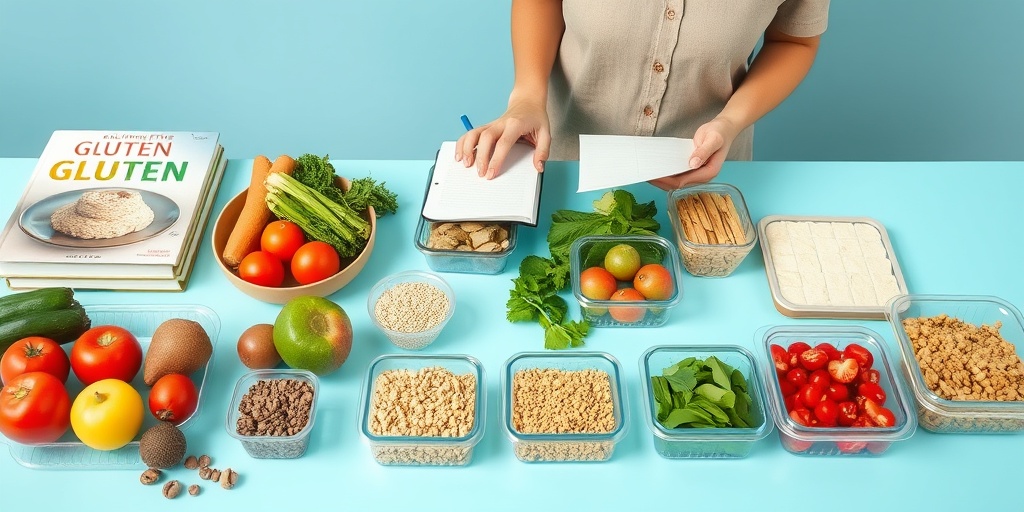
Gluten-Free Recipes to Try
Embarking on a gluten-free diet doesn’t mean sacrificing flavor or variety in your meals. In fact, there are countless delicious recipes that cater to gluten-free needs. Here are some scrumptious options to consider:
1. Quinoa Salad with Roasted Vegetables
This vibrant salad is not only gluten-free but also packed with nutrients. To make it:
- Ingredients: Quinoa, bell peppers, zucchini, cherry tomatoes, olive oil, lemon juice, salt, and pepper.
- Instructions: Cook quinoa according to package instructions. Roast chopped vegetables in olive oil at 400°F (200°C) for 20 minutes. Combine quinoa and roasted veggies, drizzle with lemon juice, and season to taste.
2. Gluten-Free Pancakes
Start your day with fluffy pancakes that everyone will love!
- Ingredients: Gluten-free flour blend, baking powder, almond milk, eggs, and vanilla extract.
- Instructions: Mix dry ingredients in one bowl and wet ingredients in another. Combine and cook on a hot griddle until golden brown. Serve with maple syrup or fresh fruit! 🥞
3. Zucchini Noodles with Pesto
For a low-carb, gluten-free pasta alternative, try zucchini noodles!
- Ingredients: Zucchini, basil pesto, cherry tomatoes, and parmesan cheese.
- Instructions: Spiralize zucchini into noodles, sauté briefly, and toss with pesto and halved cherry tomatoes. Top with parmesan for an extra flavor boost.
4. Chocolate Avocado Mousse
Indulge your sweet tooth with this rich and creamy dessert that’s also gluten-free!
- Ingredients: Ripe avocados, cocoa powder, honey or maple syrup, and vanilla extract.
- Instructions: Blend all ingredients until smooth. Chill before serving for a refreshing treat! 🍫
Tips for Eating Out Gluten-Free
Dining out while adhering to a gluten-free diet can be challenging, but with the right strategies, you can enjoy meals without worry. Here are some helpful tips:
1. Research Restaurants Ahead of Time
Before heading out, take a moment to research local restaurants that offer gluten-free options. Many establishments now have dedicated gluten-free menus or clearly mark gluten-free items on their regular menus. Websites and apps like Find Me Gluten Free can be invaluable resources. 📱
2. Communicate Your Needs
When you arrive at the restaurant, don’t hesitate to inform your server about your dietary restrictions. A clear explanation can help ensure that your meal is prepared safely. You might say something like, “I have a gluten allergy, so I need to avoid any cross-contamination.”
3. Choose Simple Dishes
Opt for meals that are less likely to contain hidden gluten. Grilled meats, salads (without croutons), and steamed vegetables are usually safe bets. Avoid sauces and dressings unless you’re sure they’re gluten-free, as they often contain gluten as a thickener.
4. Be Cautious with Fried Foods
Fried foods can be tricky, as they may be cooked in oil that has been used for gluten-containing items. Always ask about the frying process to ensure your meal is safe. If in doubt, it’s best to skip fried options altogether.
5. Don’t Be Afraid to Ask Questions
It’s perfectly acceptable to ask the staff about how dishes are prepared and what ingredients are used. Knowledgeable staff will appreciate your diligence and should be happy to help you find a safe meal.
By following these tips and trying out some delicious gluten-free recipes, you can enjoy a fulfilling and varied diet without compromising your health. Happy eating! 🍽️

Frequently Asked Questions about Gluten-Free Diet Slideshow
What is a Gluten-Free Diet?
A gluten-free diet is a dietary plan that excludes gluten, a protein found in wheat, barley, and rye. This diet is essential for individuals with celiac disease or gluten sensitivity, as consuming gluten can lead to serious health issues.
Who should consider a Gluten-Free Diet?
Individuals diagnosed with celiac disease, non-celiac gluten sensitivity, or wheat allergies should consider adopting a gluten-free diet. Additionally, some people choose this diet for potential health benefits or personal preference.
What foods are allowed on a Gluten-Free Diet?
- Fruits and vegetables
- Meat and fish (unprocessed)
- Dairy products
- Legumes and nuts
- Gluten-free grains like rice, quinoa, and corn
Are there any risks associated with a Gluten-Free Diet?
While a gluten-free diet can be beneficial for those with gluten-related disorders, it may lead to nutritional deficiencies if not properly planned. It’s important to ensure a balanced intake of vitamins and minerals.
How can I ensure my Gluten-Free Diet is balanced?
To maintain a balanced gluten-free diet, focus on a variety of whole foods, including fruits, vegetables, lean proteins, and gluten-free grains. Consulting with a nutritionist can also help tailor your diet to meet your nutritional needs.
Can I eat out while following a Gluten-Free Diet?
Yes, many restaurants offer gluten-free options. However, it’s crucial to communicate your dietary needs to the staff to avoid cross-contamination. Always check menus in advance if possible.
What are some common misconceptions about a Gluten-Free Diet?
- Gluten-free means healthy: Not all gluten-free products are healthy; many are processed and high in sugar.
- It’s just a fad: For many, a gluten-free diet is a medical necessity, not just a trend.
Where can I find resources for a Gluten-Free Diet?
There are numerous resources available, including cookbooks, websites, and support groups. A Gluten-Free Diet Slideshow can also be a helpful visual tool to understand the essentials of this dietary approach.
How can I educate others about a Gluten-Free Diet?
Sharing informative resources, such as a Gluten-Free Diet Slideshow, can help raise awareness. Engaging in discussions and providing personal insights can also foster understanding among friends and family.